

 Engagement Rings
 Anniversary Rings
 Solitaire Rings
 Halo Rings
 Toi Moi Rings
 Three Stone Rings
 Nature Inspired Rings
 Rose Cut Rings
 Fancy Color Rings
 Antique Cut Rings
 Wedding Rings
 Wedding Band Rings
 Exclusive Lab Grown Diamond Rings
 All Lab Grown Diamond Ring
 Engagement Rings
 Three Stone Rings
 Fancy Color Rings
 Antique Cut Rings
 Daily Wear Rings
 Wedding Band Rings
 Exclusive Moissanite Rings
 Earrings
 Bracelet
 Pendant
 Necklace
 Men's Ring
 Bridal Sets
 Rings
 Earrings
 Tennis chain
 Cuban Chains
 Custom Pendant
 Custom Ring
 Custom Teeth Grillz
 Round
 Oval
 Cushion
 Marquise
 Pear
 Emerald
 Heart
 Princess
 Rose Cut
 Radiant
 Antique Cut
 Brooch
 Cufflink
 Keychain
 Unique Products
 +91-9265051773
 Virtual Appointment
 log in




Short answer: Sapphire engagement rings are a durable, meaningful alternative to an all-diamond ring. Sapphire scores 9 on the Mohs hardness scale, second only to diamond, so it handles everyday wear well. Royal blue is the most famous color, but sapphires also come in pink, yellow, green, purple and more. Look for rich, even color, good transparency, a well-cut stone without a dull "window," and clear disclosure of any treatment.
A sapphire puts color at the heart of the ring. It can look regal with a diamond halo, modern as a simple solitaire, or vintage in an emerald cut. This guide covers what a sapphire actually is, how to judge one, which treatments are fine, how it compares with diamond and moissanite, and how to choose a setting that keeps it looking beautiful for life.
What Is a Sapphire?
Sapphire is a variety of the mineral corundum, a crystal made of aluminum oxide. Tiny amounts of other elements give it color: iron and titanium create blue, while other trace elements create pink, yellow, orange and violet tones. Red corundum is not called sapphire at all; it is ruby.
- Blue sapphire: the classic. Shades range from light cornflower to deep royal and inky navy.
- Fancy sapphires: every color other than blue and red, including pink, yellow, green, purple, orange and white (colorless).
- Padparadscha: a rare, delicate pinkish-orange sapphire prized by collectors.
- Color-change sapphire: appears one color in daylight and another under warm indoor light, often blue to purple.
- Star sapphire: cut as a dome (cabochon) to show a six-rayed star caused by fine needle-like inclusions.
Sapphire is the birthstone for September and the traditional gem for a 45th wedding anniversary, which adds another layer of meaning for many couples.
Why Choose a Sapphire Engagement Ring?
- Durable: 9 on the Mohs scale, and sapphire is tough with no easy cleavage plane, so it is well suited to daily wear.
- Meaningful: blue sapphire has long symbolized loyalty, wisdom and faithfulness.
- Distinctive: color makes the ring instantly personal and easy to recognise as hers.
- Royal history: a blue oval sapphire framed by diamonds is one of the most famous engagement rings in the world, which made the style a modern classic.
- Pairs with diamonds: a diamond halo or side stones add brilliance and sparkle around the color.
How to Judge a Sapphire
Colored gems are not graded with the same strict letter scale as diamonds. Instead, you judge the stone mainly by eye, with color doing most of the work.
| Factor | What to look for |
|---|---|
| Color | Rich, even color; not so dark it looks black, not so pale it looks washed out |
| Clarity | Eye-clean or nearly so; some tiny inclusions are normal and expected |
| Cut | Even color face-up without a see-through "window" in the middle |
| Carat | Sapphire is denser than diamond, so a 1 carat sapphire looks a little smaller |
| Treatment | Heat treatment is common and stable; ask for written disclosure |
| Origin | Affects price for collectors, not everyday beauty |
Color: hue, tone and saturation
Color is the single biggest factor in a sapphire's beauty. Think of it in three parts. Hue is the basic color, such as pure blue or a slightly violet blue. Tone is how light or dark it is. Saturation is how vivid it is. The most admired blue sapphires have a strong, vivid blue in a medium to medium-dark tone, without grey or green overtones. Very dark stones can look almost black at night, so view a sapphire in different light before you decide.
Clarity: what is normal
Almost all natural sapphires have some inclusions. Fine needle-like inclusions, called "silk," can even soften the color attractively. What matters is that nothing distracting is visible to the eye and that there are no large cracks reaching the surface, which could weaken the stone.
Cut: brightness and windows
Sapphires are often cut to save weight, which can leave a "window": a pale, see-through area in the center where light leaks out the back. A well-cut sapphire shows color across the whole face. Sapphires can also show different shades from different angles, so a good cutter orients the stone to show the best color face-up.
Carat and size
Sapphire is denser than diamond, so a sapphire of the same carat weight is a little smaller across. When you compare stones, look at the measurements in millimeters as well as the carat weight. Larger sapphires with fine color are much rarer than small ones, so price climbs steeply with size. A halo is a smart way to add presence without needing a very large center stone.
Origin
Sapphires are found in many parts of the world, including Sri Lanka, Madagascar, Myanmar, Thailand, Australia and the US. Certain historic sources carry a premium among collectors, but origin alone does not make a stone beautiful. For an engagement ring, judge the sapphire you can see: its color, brightness and cut matter far more than where it was mined.
 Shown: Halo Natural Sapphire Diamond Engagement Ring
Sapphire Treatments: What Is Fine and What to Avoid
Treatment is the topic most buyers worry about, but it is simple once you know the main types. Disclosure is the key: a reputable seller tells you what has been done to the stone.
- Heat treatment: the most common treatment by far. Heating improves color and clarity and the result is permanent. Heated sapphires are widely accepted in fine jewelry.
- Unheated: sapphires with no treatment. They are rarer and usually priced higher, and the claim should be backed by a lab report.
- Diffusion treatment: elements are diffused into the stone to add color. It should always be disclosed and is valued below heated stones.
- Glass or lead-glass filling: fractures are filled with glass to hide them. These stones are more fragile and can be damaged by heat or cleaning, so they are a poor choice for an engagement ring.
Tip: Ask the seller in writing whether the sapphire is natural or lab grown, and whether it is unheated, heated or treated in another way. A clear answer is a good sign; a vague one is a reason to look elsewhere.
Natural vs Lab Grown Sapphire
Lab grown sapphires have the same chemistry, crystal structure and hardness as natural sapphires. They are not glass or imitations; they are real corundum grown in a controlled environment. Gemologists have been growing sapphires in labs for a very long time, and they are used everywhere from jewelry to watch crystals.
| Feature | Natural sapphire | Lab grown sapphire |
|---|---|---|
| Material | Corundum | Corundum |
| Hardness | 9 | 9 |
| Clarity | Usually some inclusions | Often very clean |
| Rarity | Rare, formed in the earth | Made to order |
| Price | Higher | Lower |
You cannot reliably tell natural from lab grown sapphire by eye. Gem labs identify them with magnification and testing, which is why written disclosure from the seller matters so much.
Choose natural if rarity and the story of a stone formed in the earth matter most. Choose lab grown if you want vivid color, high clarity and a larger stone for your budget. Either way, make sure the stone is clearly described.
Popular Sapphire Engagement Ring Styles
- Sapphire halo: a blue center framed by white diamonds; classic and regal, and the halo makes the center look larger.
- Sapphire solitaire: clean and modern, letting the color speak.
- Emerald cut sapphire: elegant and vintage, with long step facets that show deep, calm color.
- Oval sapphire: the most popular shape for colored centers; it flatters the finger and shows color well.
- Three stone: a sapphire between two diamonds, or a diamond between two sapphires.
- Toi et moi: a sapphire paired side by side with a diamond or moissanite, a romantic "you and me" design.
- Diamond center with sapphire accents: a subtle pop of color on the band or hidden halo.
Choosing the shape
Oval and cushion shapes are the easiest place to start because they show color evenly and hide small inclusions well. Round sapphires give the most sparkle but are less common, since cutters often choose shapes that keep more weight from the rough crystal. Emerald and other step cuts show calm, deep color, so they suit very clean stones. Pear and marquise shapes look elegant and elongated, but protect their points with V-prongs.
See lab grown halo rings and toi et moi rings for settings that work beautifully with a colored center stone.
Choosing the Metal for a Sapphire
The metal changes how the sapphire's color reads on the hand.
- White gold: the classic match for blue sapphire. The cool white metal makes blue look crisp and lets white diamonds blend seamlessly.
- Yellow gold: gives blue sapphire a rich, vintage, royal feel and warms up yellow and orange sapphires.
- Rose gold: beautiful with pink, peach and purple sapphires for a soft, romantic look.
Think about the wedding band at the same time. A plain band in the same metal keeps the focus on the sapphire, while a diamond band adds sparkle beside it. If the sapphire sits in a halo or low setting, a curved or notched band may be needed so the two rings sit flush.
For everyday wear, 14K gold is a strong, practical choice. 18K gives a richer gold color with a little more softness, so pair it with sturdy prongs or a bezel.
Sapphire vs Diamond vs Moissanite
All three are hard enough for an engagement ring, but they look very different. A sapphire is about color. Diamond and moissanite are about sparkle.
| Feature | Sapphire | Diamond | Moissanite |
|---|---|---|---|
| Hardness | 9 | 10 | 9.25 |
| Look | Deep color, softer sparkle | Brilliance and fire | Strong fire and sparkle |
| Style | Unique, personal | Traditional | Bright, modern |
| Colors | Blue and many fancy colors | Colorless and fancy colors | Mostly colorless, some colors |
Many couples get the best of both: a sapphire center with diamond or moissanite accents, or a diamond center with sapphire side stones. If you want a colorless look, compare our lab grown diamond engagement rings; lab grown diamonds are chemically, physically and optically the same as mined diamonds. For colored stones with diamond hardness, explore fancy color lab diamond rings.
Settings and Care for a Sapphire Ring
Settings that protect the stone
Sapphire is tough, but any stone can chip if it takes a hard knock on an exposed edge or corner. Smart setting choices help.
- Bezel: a metal rim around the stone gives the best protection and suits an active lifestyle.
- Four or six prongs: show more of the stone; six prongs add security for round and oval shapes.
- V-prongs: protect pointed corners on pear, marquise and princess shapes.
- Lower profile: a stone set closer to the finger is less likely to catch or bump.
Everyday care
Sapphire needs very little special care. A few habits keep it bright:
- Clean regularly: warm water, mild soap and a soft brush keep lotion and soap film from dulling the color.
- Know the treatment: heated and untreated sapphires handle normal cleaning well, but glass-filled stones need gentle care and should avoid ultrasonic cleaners and heat.
- Store separately: sapphire can scratch softer gems, and diamond can scratch sapphire, so give each piece its own pouch.
- Check the setting: have the prongs inspected periodically and whenever the stone feels loose.
Tip: Look at a sapphire in daylight, under warm indoor light and in the shade before you choose. Some blues turn darker or more violet indoors, and you want a stone she loves in every light.
How to Buy a Sapphire Ring Online
Buying a colored gem online is easy when you know what to ask. Work through these steps:
- Pick the color first: decide on the shade she would love, from light cornflower to deep royal blue, or a fancy color like pink or yellow.
- Ask for video: photos can exaggerate color. A short video in daylight and indoor light shows the real tone and any window.
- Confirm the details in writing: natural or lab grown, treatment, shape, measurements in millimeters and carat weight.
- Check the accent stones: if the ring has a diamond halo or side stones, ask whether they are lab grown diamonds, natural diamonds or moissanite.
- Choose the metal and setting: match the metal to the sapphire color and pick a setting that suits her lifestyle.
- Get her size right: halo and pavé bands are harder to resize, so confirm the size before ordering.
- Read the returns policy: know how long you have to return the ring if it is not what you expected.
Sapphire Rings at Ivevar
We handcraft natural sapphire and diamond rings in our Surat workshop and ship worldwide with free shipping and 30-day easy returns. Want a specific shade of blue, a different metal or a custom setting? Book a virtual appointment and we will show you stones and designs on camera. Browse our rainbow and sapphire collection and Ivevar exclusive designs.
Shop Sapphire Engagement Rings
 Halo Sapphire Engagement RingShop Now
 Oval Sapphire Engagement RingShop Now
 Sapphire Solitaire RingShop Now
 Cushion Cut Sapphire RingShop Now
 Emerald Cut Sapphire HaloShop Now
 Vintage Emerald Sapphire RingShop Now
Swipe to see more → | View the sapphire collection
FAQ
Are sapphire engagement rings durable?
Yes. At 9 on the Mohs scale, sapphire is one of the toughest gemstones for daily wear. A protective setting helps guard against chips from hard knocks.
Is heat treatment bad?
No. Heat treatment is common, stable and widely accepted, as long as it is disclosed. Avoid glass-filled sapphires for an engagement ring.
Do sapphires only come in blue?
No. They come in almost every color except red, which is called ruby. Pink, yellow, green, purple, orange and white sapphires are all available.
What does a sapphire engagement ring mean?
Traditionally loyalty, faithfulness and wisdom. It is also the September birthstone.
Is a lab grown sapphire a real sapphire?
Yes. It has the same chemistry, crystal structure and hardness as a natural sapphire. The difference is origin, rarity and price.
Does a sapphire sparkle like a diamond?
Not in the same way. A sapphire shows rich color with softer sparkle. Adding a diamond halo or side stones brings in extra brilliance.
Why does a 1 carat sapphire look smaller than a 1 carat diamond?
Sapphire is denser, so the same weight takes up less space. Compare stones by their size in millimeters, not only carats.
Which metal looks best with a blue sapphire?
White gold gives a crisp, cool look; yellow gold gives a warm, vintage, royal feel. Both are classic.
The Bottom Line
A sapphire engagement ring is durable, meaningful and full of personality. Choose rich, even color, a well-cut stone without a window, and clear disclosure of treatment. Frame it with diamonds for extra sparkle, set it securely, and it will be worn and loved for a lifetime.
Related Guides
Author Bio
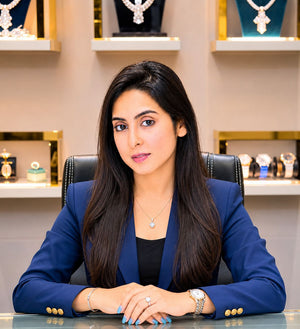
Aumsri Pradhan
Founder, Ivevar Luxury
Aumsri Pradhan is the founder of Ivevar Luxury, a Surat-based fine jewelry brand that designs and handcrafts lab grown diamond and moissanite jewelry in its own workshop. She leads the brand's design and customer experience, from engagement rings and bridal sets to custom pieces made to each client's story. Through the Ivevar blog, she shares practical guidance on lab grown diamonds, moissanite, diamond grading and ring design to help buyers choose with confidence.


