

 Engagement Rings
 Anniversary Rings
 Solitaire Rings
 Halo Rings
 Toi Moi Rings
 Three Stone Rings
 Nature Inspired Rings
 Rose Cut Rings
 Fancy Color Rings
 Antique Cut Rings
 Wedding Rings
 Wedding Band Rings
 Exclusive Lab Grown Diamond Rings
 All Lab Grown Diamond Ring
 Engagement Rings
 Three Stone Rings
 Fancy Color Rings
 Antique Cut Rings
 Daily Wear Rings
 Wedding Band Rings
 Exclusive Moissanite Rings
 Earrings
 Bracelet
 Pendant
 Necklace
 Men's Ring
 Bridal Sets
 Rings
 Earrings
 Tennis chain
 Cuban Chains
 Custom Pendant
 Custom Ring
 Custom Teeth Grillz
 Round
 Oval
 Cushion
 Marquise
 Pear
 Emerald
 Heart
 Princess
 Rose Cut
 Radiant
 Antique Cut
 Brooch
 Cufflink
 Keychain
 Unique Products
 +91-9265051773
 Virtual Appointment
 log in




Crafted Brilliance: Unveiling the Essence of Fine Jewelry
by Keyur Koshiya on Oct 16, 2024
Short answer: The essence of fine jewelry is three things working together: precious metal, real gemstones and skilled craftsmanship. A well-made piece starts as a precise design, is cast in solid gold or silver, has every stone set by hand under magnification, and is finished so it feels as good as it looks. Knowing that process helps you spot quality and choose jewelry that lasts.

https://ivevar.com/products/morganite-cushion-ring
Two rings can look similar in a photo and feel completely different on the hand. One sits flat, catches the light from every angle and never snags a sweater. The other has a stone that slowly loosens and a band that bends out of round. The difference is craftsmanship, and it is what this guide is about.
Below we cover what fine jewelry is, where its traditions come from, how a piece is actually made, how to judge quality with your own eyes, which materials suit which kind of wear, and what shapes the price.
1. Introduction to Fine Jewelry
Fine jewelry is jewelry made from solid precious metal and genuine gemstones, natural or lab grown. That definition separates it from fashion or costume jewelry, which uses base metals such as brass, a thin layer of plating, and glass or crystal in place of real stones.
The difference shows over time. Plating rubs off, base metals can discolor skin, and glass scratches and dulls. Solid gold keeps its color, sterling silver can be polished back to a shine, and a diamond or moissanite will look as bright in twenty years as on the first day if it is kept clean.
The allure of precious metals and gemstones
Part of the appeal is physical: gold has a weight and warmth that plated metal cannot copy, and real stones return light in a way glass does not. Part of it is meaning. Because fine jewelry lasts, it becomes the natural choice for engagements, weddings, anniversaries and gifts meant to be kept.
- Durability: Solid metal and hard stones survive daily wear and can be repaired.
- Beauty: Real gemstones have brilliance and fire that imitations cannot match.
- Meaning: Pieces that last can carry memories and be handed down.
2. History and Heritage of Fine Jewelry
People have made jewelry from precious metal for thousands of years. Ancient Egypt, Mesopotamia and Greece all produced gold work of remarkable skill, using techniques such as granulation (tiny gold beads fused to a surface) and filigree (fine twisted wire). Many of those techniques are still used by jewelers today.
Across European history, royalty and noble families shaped jewelry fashion. Crowns, tiaras and family jewels were symbols of power and lineage, and their workshops pushed stone cutting and setting forward. In India, the tradition of gold and gemstone jewelry is equally deep, with pieces made for weddings and festivals and passed down through families.
Art movements that still influence design
- Art Nouveau: Flowing, organic lines inspired by leaves, flowers and natural forms.
- Art Deco: Bold geometry, symmetry and step-cut stones such as emerald and baguette cuts.
- Victorian and antique styles: Romantic motifs and older cuts, such as rose cuts, with soft, candlelit sparkle.
You can see these influences in modern pieces such as antique cut lab diamond jewelry, where old cutting styles are paired with modern stones.
3. Craftsmanship: The Heart of Fine Jewelry
Craftsmanship covers every step that turns raw metal and loose stones into a finished jewel: shaping the metal, setting each stone securely and finishing every surface. It is the part of fine jewelry you pay for but often cannot see in a product photo.
Skilled artistry, from metalwork to stone setting
Metalwork includes casting, forming, soldering and polishing. Stone setting is a separate specialist skill: a setter works under magnification to cut seats for each stone, then pushes metal over the edges to hold it. A small error can leave a stone tilted, loose or at risk of chipping.
Handcrafting and CAD working together
Modern fine jewelry usually combines digital precision with handwork. CAD (computer-aided design) software lets a designer set exact proportions, stone sizes and prong positions. The model is then 3D printed and cast. After that, human hands take over for setting, finishing and quality checks.
Handcrafted versus machine-made
Fully handmade pieces have character and are prized for one-off work, but "handmade" alone is not a guarantee of quality. Cast pieces made from a good CAD design are very consistent. What matters most is the care taken in setting and finishing, which is always manual.
4. Symbolism and Sentiment in Jewelry
Jewelry has always been a way to show who we are. It can express personal style, mark status, follow tradition or simply remind us of someone we love.
- Self-expression: Minimal studs, bold cocktail rings and layered chains say very different things about the wearer.
- Tradition: Wedding jewelry, bridal sets and festival pieces carry cultural meaning in many communities.
- Symbolic stones: Birthstones mark a month of birth; a three-stone ring is often read as past, present and future.
- Symbolic designs: Eternity rings, with stones all the way around, represent unending love.
- Heirlooms: Pieces passed down carry the story of every person who wore them.
Custom and personalized pieces take this further. An engraved date, a stone from a family ring, or a design built around a shared memory turns jewelry into something no one else owns.
5. Materials in Fine Jewelry: An Overview
Precious metals and their alloys
Pure gold is too soft for most jewelry, so it is mixed with other metals to form alloys. The karat number tells you how much gold is in the mix. Platinum is a dense, naturally white metal, and silver is the most accessible precious metal.
| Metal | Purity and stamp | Good to know |
|---|---|---|
| 10K gold | 41.7% gold (417) | Hardest and most affordable gold; paler color |
| 14K gold | 58.5% gold (585) | Best all-round balance for daily wear |
| 18K gold | 75% gold (750) | Richer color, softer, scratches more easily |
| Sterling silver | 92.5% silver (925) | Bright and accessible; tarnishes and needs polishing |
| Platinum | Usually 95% (950) | Naturally white and heavy; develops a soft patina |
Gemstones
Diamonds lead the list, followed by sapphires, rubies and emeralds, the traditional "precious" stones. Many lesser-known stones, such as morganite, aquamarine and tourmaline, are also valued for their color and are widely used in fine jewelry.
Alternative and ethical materials
Lab grown diamonds and recycled metals give buyers a way to enjoy fine jewelry with a clear, documented origin. A lab grown diamond is a real diamond, not a simulant, and is graded the same way as a mined one.
6. Trends in Modern Fine Jewelry
- Ethical sourcing: More shoppers ask where stones and metals come from, which has helped lab grown diamonds grow quickly.
- Minimalism and boldness side by side: Fine, delicate pieces for daily wear sit alongside chunky chains and statement rings.
- Layering and stacking: Several thin rings, chains or bracelets worn together, mixing metals and stone shapes.
- Vintage revival: Antique cuts, milgrain edges and Art Deco geometry are popular again.
- Elongated shapes: Oval, pear, marquise and emerald cuts that flatter the hand and look larger for their weight.
7. The Future of Fine Jewelry
Technology is reshaping how jewelry is designed and sourced. Lab grown gems have made larger, higher-grade stones far more accessible, and 3D printing has made custom design faster and more precise. Digital tools also let shoppers preview pieces and work with designers remotely.
Some brands have experimented with digital jewelry and NFTs, though for most people the appeal of fine jewelry remains physical: something you can hold, wear and pass on. The likely future is a blend, with new tools supporting the same core values of good materials and careful handwork.
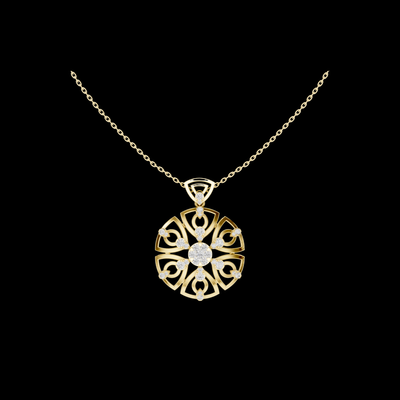
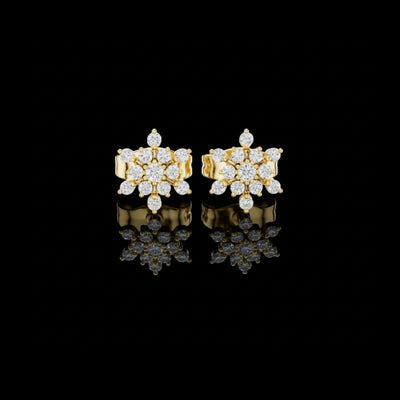
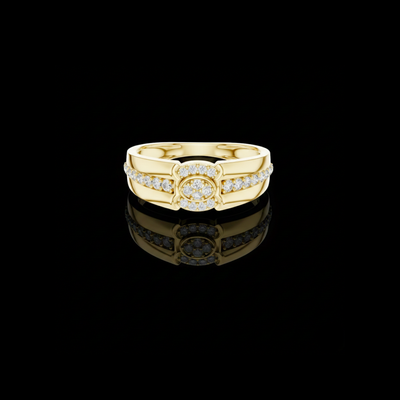
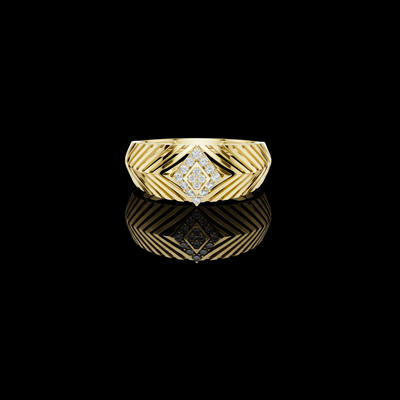
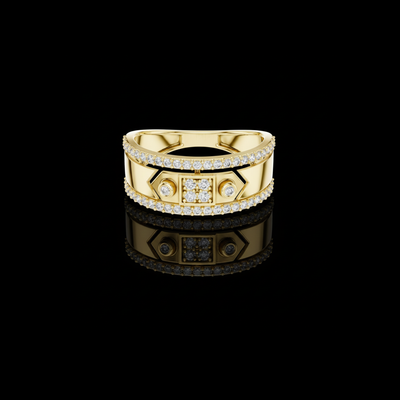
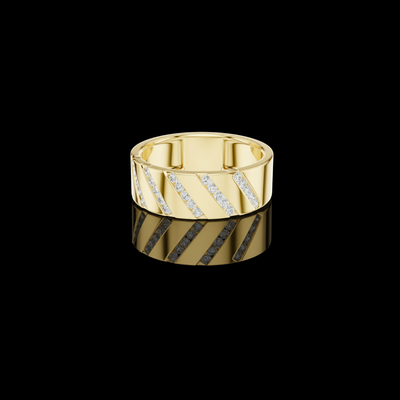
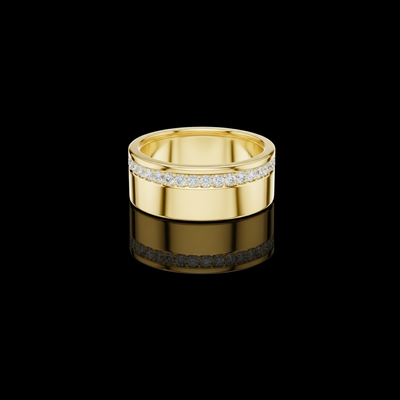
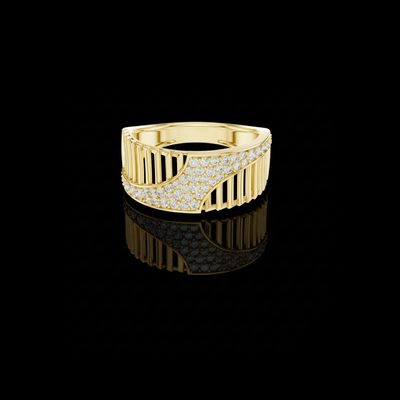
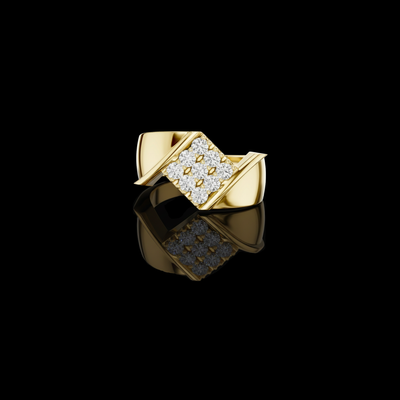
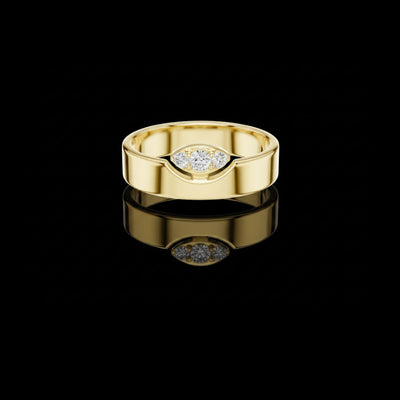
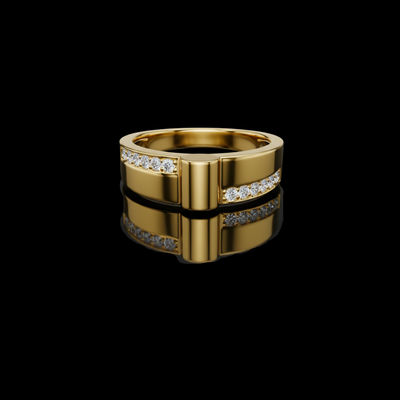
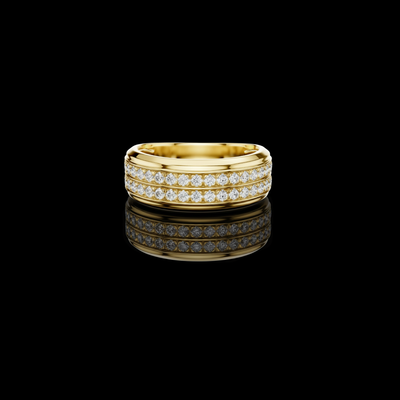
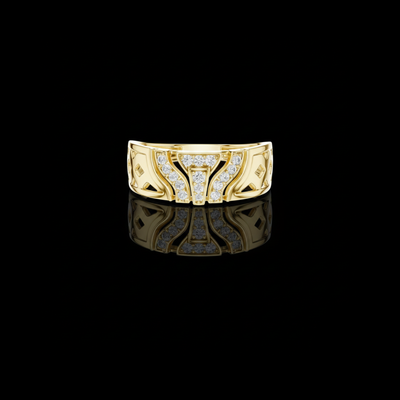
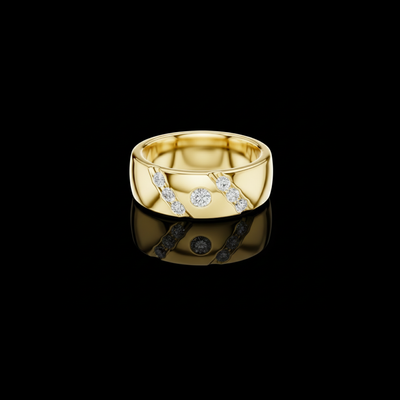
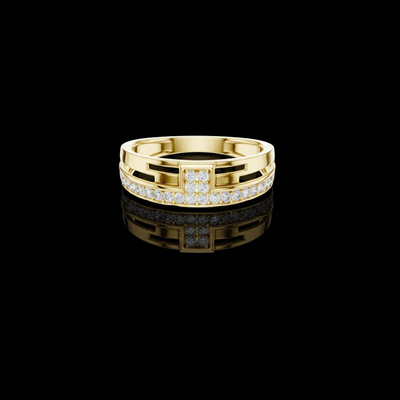
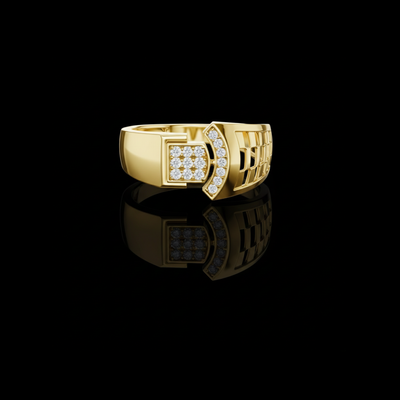
Shop the styles in this guide

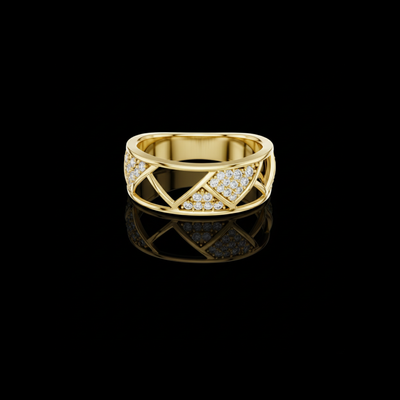
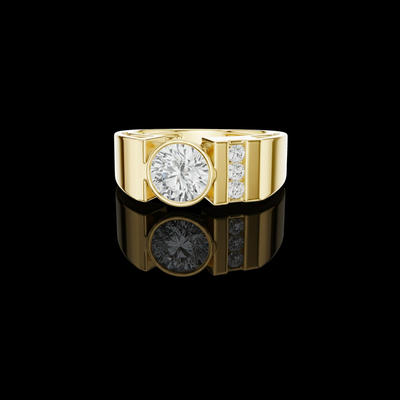
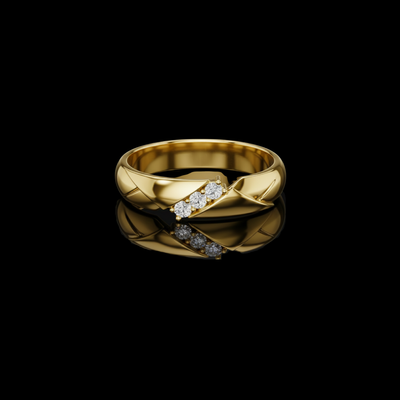
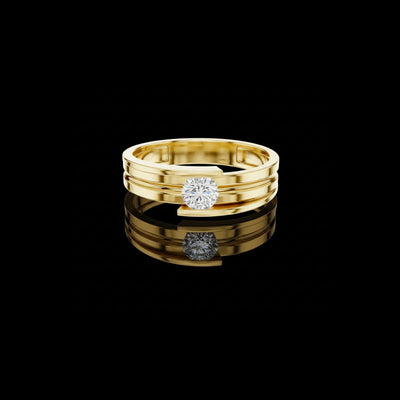
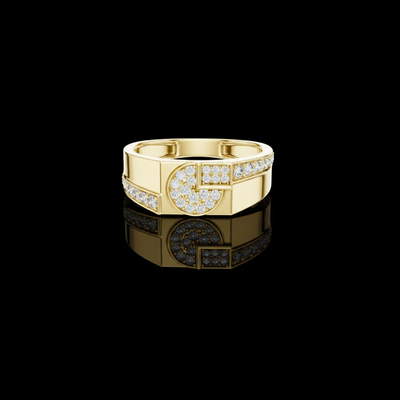
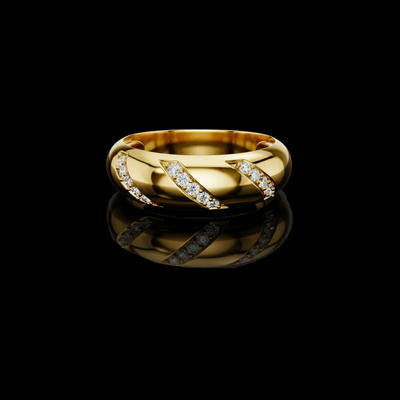
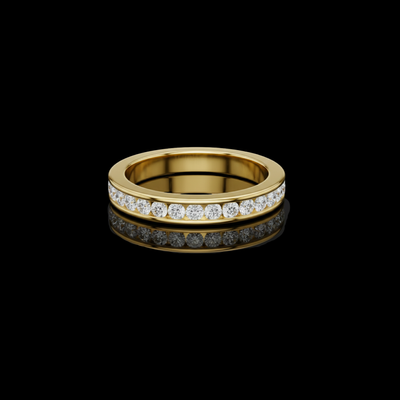
How a Fine Jewelry Piece Is Made
Understanding the process helps you see where quality comes from. Most made-to-order pieces follow the same path from idea to finished jewel:
- Design: The piece is sketched and then modeled in CAD software, where proportions, stone sizes and prong placement are set precisely.
- Wax or resin model: The digital design is 3D printed as a model that captures every detail.
- Casting: The model is used to create a mold, and molten gold or silver is poured in to form the raw piece.
- Cleaning and shaping: The casting is filed, sanded and checked for flaws.
- Stone setting: A setter secures each stone under magnification, bending prongs or forming bezels by hand.
- Polishing and finishing: The metal is polished to a mirror shine or given a matte, brushed or textured finish.
Common setting styles
| Setting | How it holds the stone | Best for |
|---|---|---|
| Prong | Metal claws grip the stone's edge | Maximum light and sparkle |
| Bezel | A metal rim wraps the whole edge | Active lifestyles, very secure |
| Pavé | Tiny beads of metal hold many small stones | A continuous sparkling surface |
| Channel | Stones sit between two metal walls | Bands with a smooth, snag-free profile |
How to Spot Quality Craftsmanship
- Metal stamps: Look for purity marks such as 10K, 14K (or 585), 18K (or 750) and 925 for sterling silver.
- Secure stones: Stones should not move or rattle, and prongs should sit evenly without sharp edges.
- Clean finish: Check the inside of rings and the back of pendants, where shortcuts usually show.
- Symmetry: Matching stones and even spacing are signs of careful setting.
- Comfort: A well-made piece sits comfortably, with no catching on hair or clothing.
Tip: Run the piece gently over a soft cloth or a pair of tights. If it snags, a prong or edge is not finished properly. Good jewelry glides over fabric.
Questions to Ask Before You Buy
Whether you shop in person or online, a few direct questions reveal a lot about how a piece was made. A good jeweler will answer them clearly.
- What is the exact metal? Ask for the karat or purity and whether the piece is solid, not plated or filled.
- What are the stones, and are they graded? For a main diamond, ask for carat, color, clarity and cut, and whether an IGI or GIA report comes with it.
- How are the stones set? Four prongs, six prongs, a bezel or pavé each have different strengths. Ask which suits how you will wear it.
- Is it made to order? Made-to-order pieces may take longer but can often be adjusted for size or metal color.
- What happens if something goes wrong? Know the return window and what the warranty or repair policy covers.
Reading a product listing
Online, the listing is your inspection. Look for the metal stamp, the total carat weight of all stones, the size of the center stone, and the stone type stated plainly. Zoom in on photos of the side and back of the piece; well-made jewelry looks just as clean from those angles as from the front. If a detail is missing, ask before you order rather than after.
Videos are especially helpful for stones. A ten-second clip under normal light shows sparkle, color and fire more honestly than a single edited photo.
Choosing Your Gemstone
Hardness matters for anything you wear daily. Diamonds rate 10 on the Mohs scale, moissanite 9.25, and sapphires and rubies 9. Emeralds are softer at around 7.5 to 8 and often contain inclusions, so they need gentler handling. Morganite, a pink beryl, also sits around 7.5 to 8.
Lab grown diamonds offer the same hardness, sparkle and chemistry as mined diamonds. They are grown using the CVD or HPHT method and are graded on the 4Cs, often by IGI or GIA. Moissanite is a separate gem made of silicon carbide; with a refractive index of about 2.65, compared with about 2.42 for diamond, it shows more colorful fire, usually at a lower cost. You can explore both in our lab diamond engagement rings and moissanite engagement rings.
Match the stone to the piece
- Rings and bracelets: Take the most knocks. Diamond, moissanite, sapphire and ruby are the safest choices.
- Earrings and pendants: Face less wear, so softer stones such as morganite and emerald work well here.
- Heirloom pieces: Choose the hardest stones you can, in secure settings, so they survive many years of wear.
What Shapes the Cost
The price of a fine piece reflects its materials and the labor behind it. Higher karat gold, heavier designs, larger or higher-grade stones and a greater number of small accent stones all add cost. Intricate settings such as pavé or micro-pavé take longer to set by hand, and fully custom designs add design time.
- Metal weight: A thick band uses far more gold than a slim one, even in the same karat.
- Stone grade: Within the 4Cs, cut has the biggest effect on sparkle, so it is the best place to spend.
- Labor: A piece with fifty small stones takes much longer to set than a solitaire.
Keeping Fine Jewelry Brilliant
Oils and lotions dull a stone's sparkle quickly. A gentle soak in warm, soapy water and a soft brush will restore the shine. Check prongs every few months and store pieces in separate pouches. Our jewelry care page covers each metal and stone in more detail.
- Remove before chores: Chlorine, cleaning products and heavy lifting can damage metal and loosen stones.
- Polish silver: Use a silver cloth and keep 925 pieces in closed pouches to slow tarnish.
- Soft stones need extra care: Avoid ultrasonic cleaners for emeralds and other included or treated stones.
Shop Fine Jewelry at Ivevar
Every Ivevar piece is made in 10K, 14K or 18K gold or 925 sterling silver and set with lab grown diamonds, many with IGI certificates, or moissanite. Browse lab grown diamond fine jewelry or moissanite fine jewelry, or book a virtual appointment to design a custom piece. We ship worldwide for free and offer 30-day easy returns.
FAQ
What is the difference between fine jewelry and fashion jewelry?
Fine jewelry uses solid precious metals and real gemstones, while fashion jewelry uses base metals, plating and glass or crystal.
What does 585 or 750 mean on gold jewelry?
These are purity stamps. 585 means 58.5% gold (14K) and 750 means 75% gold (18K).
Is handmade jewelry better than cast jewelry?
Not necessarily. Most fine jewelry combines both: precise casting for the structure and skilled handwork for setting and finishing.
Which gemstones are best for everyday rings?
Diamonds, moissanite, sapphires and rubies are hard enough to handle daily wear well.
Is a lab grown diamond a real diamond?
Yes. It is pure carbon with the same crystal structure, hardness and sparkle as a mined diamond. Only the origin is different.
Is morganite good for an engagement ring?
It can be, with care. Morganite is softer than diamond or moissanite, so a protective setting such as a halo or bezel helps, and the ring should be removed for rough tasks.
Which setting is the most secure?
A bezel setting is the most secure, because a rim of metal surrounds the entire edge of the stone. Six-prong settings are also more secure than four-prong.
Can I order a custom fine jewelry design?
Yes. At Ivevar you can share a sketch or inspiration photo, choose your stone and metal, and approve a CAD render before your piece is made.


