

 Engagement Rings
 Anniversary Rings
 Solitaire Rings
 Halo Rings
 Toi Moi Rings
 Three Stone Rings
 Nature Inspired Rings
 Rose Cut Rings
 Fancy Color Rings
 Antique Cut Rings
 Wedding Rings
 Wedding Band Rings
 Exclusive Lab Grown Diamond Rings
 All Lab Grown Diamond Ring
 Engagement Rings
 Three Stone Rings
 Fancy Color Rings
 Antique Cut Rings
 Daily Wear Rings
 Wedding Band Rings
 Exclusive Moissanite Rings
 Earrings
 Bracelet
 Pendant
 Necklace
 Men's Ring
 Bridal Sets
 Rings
 Earrings
 Tennis chain
 Cuban Chains
 Custom Pendant
 Custom Ring
 Custom Teeth Grillz
 Round
 Oval
 Cushion
 Marquise
 Pear
 Emerald
 Heart
 Princess
 Rose Cut
 Radiant
 Antique Cut
 Brooch
 Cufflink
 Keychain
 Unique Products
 +91-9265051773
 Virtual Appointment
 log in




Short answer: Fine jewelry is solid precious metal set with real gemstones, built to be worn for decades and handed down. Its legacy continues today through lab grown diamonds, moissanite, custom design and gender-neutral styles. To choose a piece worth keeping, pick a durable stone, a sensible metal such as 14K gold, a secure setting and a simple design you will still love in twenty years.

https://ivevar.com/products/bespoke-custom-lab-grown-diamond-ring-by-ivevar
Fine jewelry has always been about more than decoration. For centuries, rings, pendants and bracelets have marked engagements, anniversaries and family milestones, then passed from one generation to the next. That legacy is alive today, but the way people buy and wear fine jewelry is changing fast.
This guide starts with where that legacy comes from, walks through the six trends redefining elegance right now, and then gets practical: what makes a piece "fine", which stones and metals last, how to choose, what drives the cost and how to care for jewelry so it can become an heirloom.
Why Fine Jewelry Carries a Legacy
Most objects we buy wear out or go out of date. Fine jewelry is one of the few things that can outlive its first owner and still be worn every day. That is not luck; it comes from the materials. Gold does not rust or corrode. A diamond is the hardest natural material known. A well-made setting can be repaired, re-tipped and polished again and again.
Because the materials last, the meaning attached to them lasts too. A grandmother's ring carries the memory of her wedding. A father's watch chain or signet ring becomes the thing a son wears at his own wedding. In many families, and very much in Indian families, gold and diamond pieces are given at weddings and births and are expected to stay in the family.
Three ways jewelry becomes an heirloom
- Milestone pieces: Engagement rings, wedding bands and anniversary gifts tie a piece to a specific date and story.
- Everyday pieces: A pair of studs or a pendant worn daily for years becomes part of how people remember the wearer.
- Remade pieces: Stones from an old ring are often reset into a new design, so the legacy continues in a form the next generation wants to wear.
The trends below are simply the newest chapter in that long story.
1. Sustainability and Ethical Sourcing
As environmental and social issues become more prominent, shoppers increasingly want to know where their jewelry comes from. Lab grown diamonds, recycled metals and responsibly sourced gemstones have moved from niche to mainstream, and brands that are open about their materials earn more trust.
Lab grown diamonds are a big part of this shift. They are grown above ground from carbon, so there is no mine behind the stone, and their origin is easy to document. Many are graded by independent labs such as IGI and GIA, and the report number can be laser-inscribed on the girdle of the stone.
Tip: When a stone comes with a grading report, keep a copy with your purchase receipt. It records the exact carat weight and grades, which helps with insurance, repairs and passing the piece on later.
2. Technology Integration
3D printing, CAD modeling and virtual try-on tools have made it easier to design custom pieces and see them before they are made. A designer can model your ring on screen, adjust the band width or prong height in minutes, and print a wax or resin model that becomes the casting.
For shoppers, the practical benefit is precision. You can see exact proportions before committing, request small changes, and get a finished piece that matches the render. Some in the industry are also exploring digital records of a piece's provenance, though for most buyers a grading report and a clear invoice remain the most useful documents.
3. Personalization
Personalized jewelry, such as initial necklaces, birthstone rings and engraved bands, reflects a desire for meaningful, one-of-a-kind pieces. Customization keeps growing because people want jewelry that tells their own story rather than a catalog story.
Easy ways to personalize a piece
- Engraving: A date, initials or a short phrase inside a band or on the back of a pendant.
- Stone choice: A favorite shape, such as oval or pear, or a colored accent stone with personal meaning.
- Metal color: Yellow, white or rose gold to suit your skin tone and the jewelry you already wear.
- Fully custom design: Starting from a sketch or an inspiration photo and building the piece from scratch.
The bespoke lab grown diamond ring pictured above is an example of this approach: the stone, setting and metal are chosen around the wearer rather than the other way round.
4. Unisex and Gender-Neutral Designs
Many jewelers now offer designs that are not labeled for one gender. Unisex jewelry tends to favor clean lines, solid bands, simple chains and modest stones, which means it suits a wide range of people and outfits.
This is also a practical trend. Couples increasingly buy matching or coordinating pieces, and men are wearing more fine jewelry than in past decades, from diamond studs to pinky rings and tennis bracelets. A flat band, a single bezel-set stone or a slim chain can be worn by anyone.
5. Vintage and Heirloom Revival
As sustainability and nostalgia grow in importance, vintage-inspired designs and genuine antique pieces are popular again. Styles from the Victorian, Art Nouveau and Art Deco periods are being reinterpreted with modern touches, appealing to people who appreciate history and craftsmanship.
Hallmarks of each period
| Period | Look | Modern take |
|---|---|---|
| Victorian | Romantic motifs, rose cut stones, warm yellow gold | Rose cut or antique cut stones in yellow gold |
| Art Nouveau | Flowing lines, leaves, flowers, natural forms | Nature-inspired vines and leaf bands |
| Art Deco | Geometric shapes, symmetry, step cuts | Emerald and baguette cuts, crisp halos |
If you love this look, browse lab diamond antique cut jewelry, where older cutting styles meet modern stones and settings.
6. Bold Colors and Statement Pieces
After years of minimalism, there is renewed interest in bold colored gemstones and statement pieces. This trend celebrates individuality and gives the wearer a way to stand out.
The smartest way to enjoy it is balance. A statement cocktail ring or a colorful bracelet looks best against a foundation of quiet classics such as studs, a simple chain and a plain band. Statement pieces also tend to be worn less often, so they are a good place to try a trend without spending your whole budget on it.
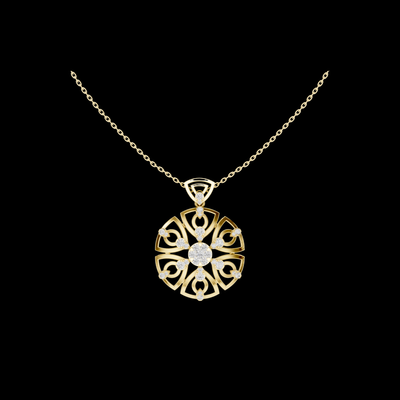
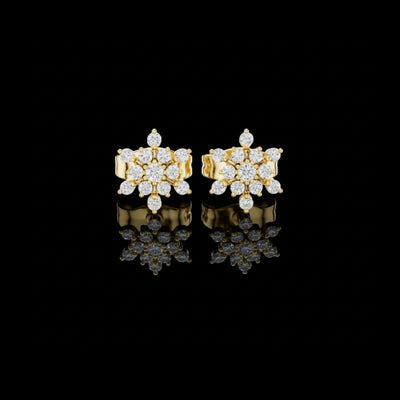
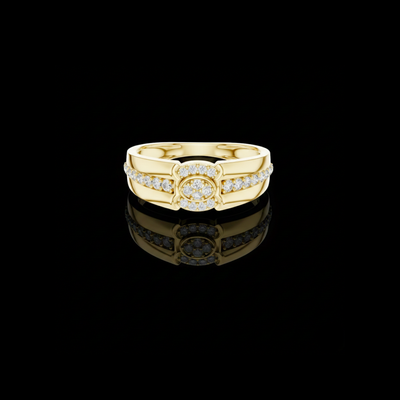
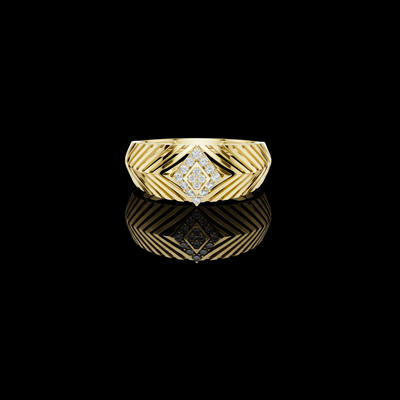
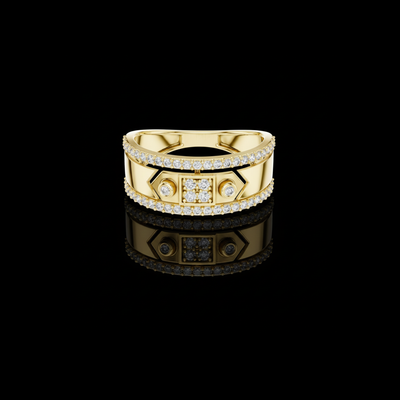
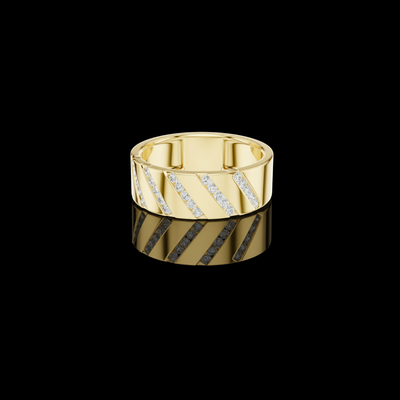
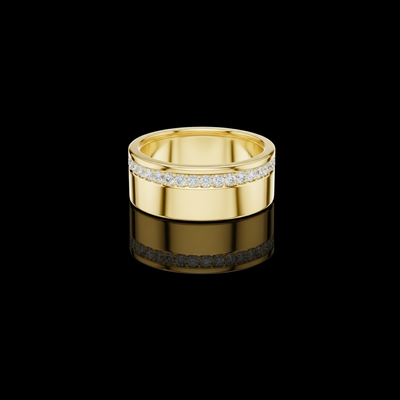
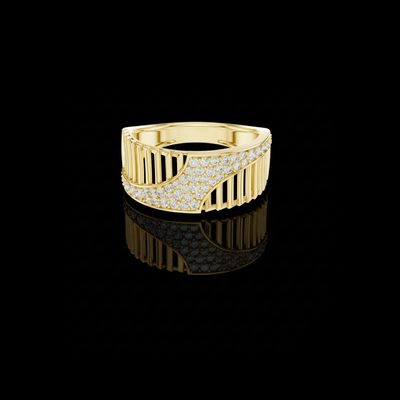
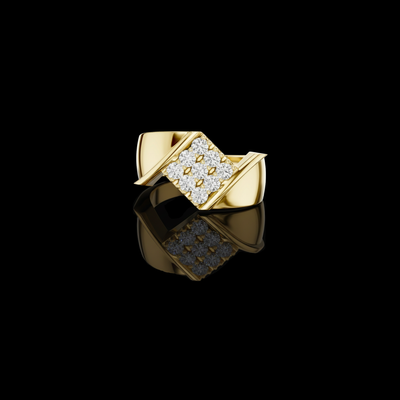
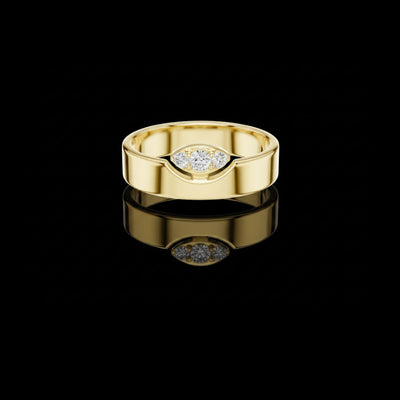
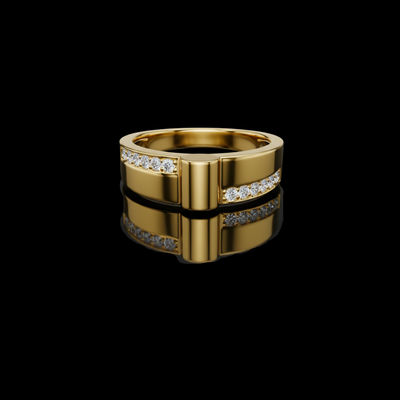
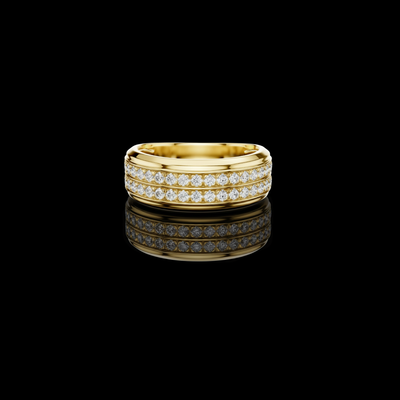
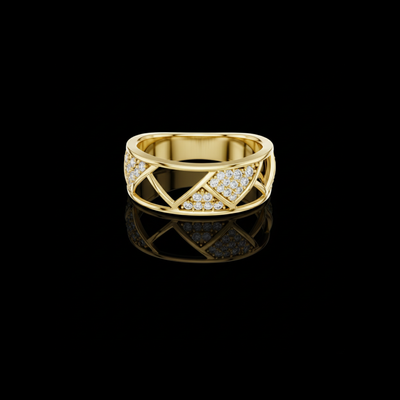
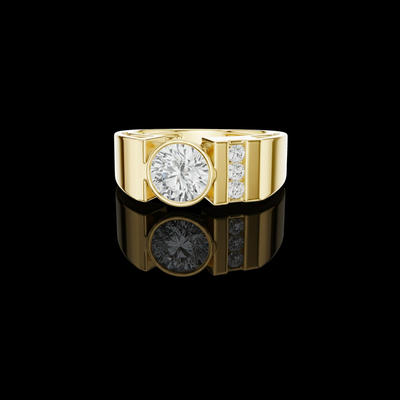
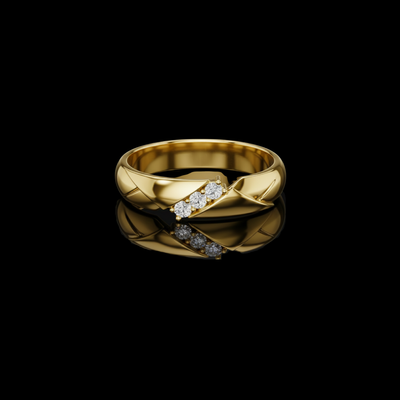
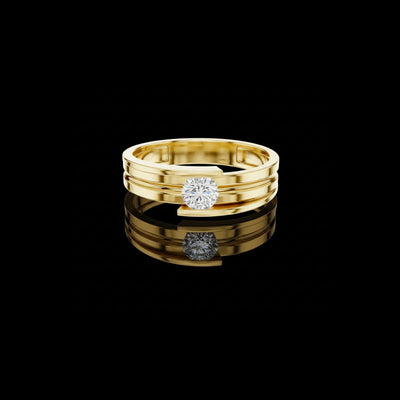
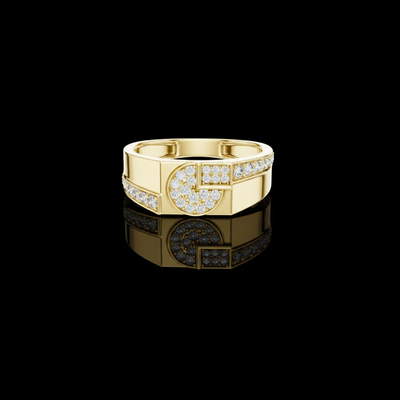
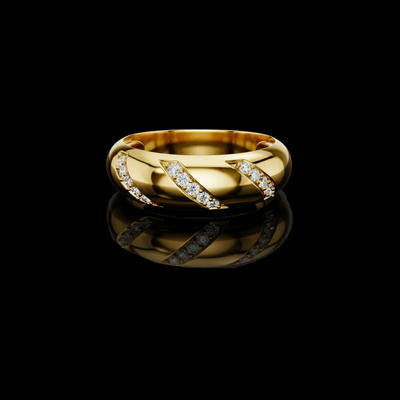
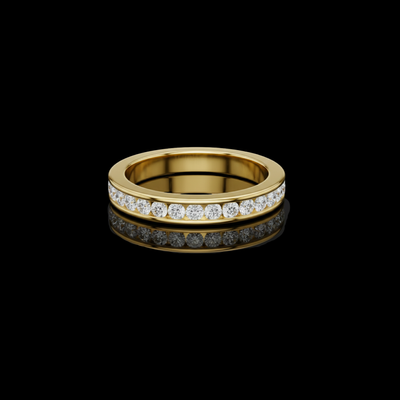
Shop the styles in this guide

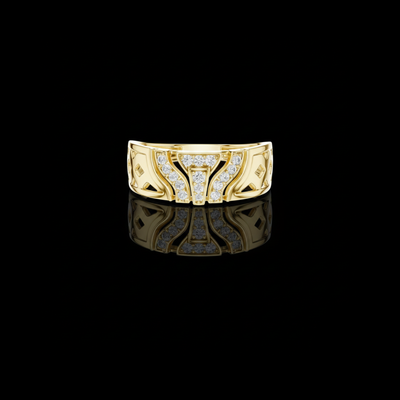
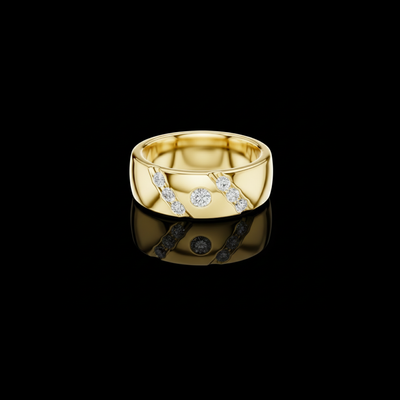
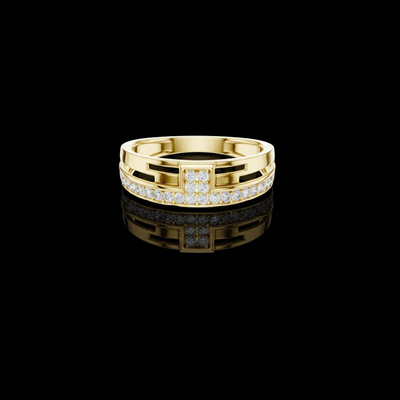
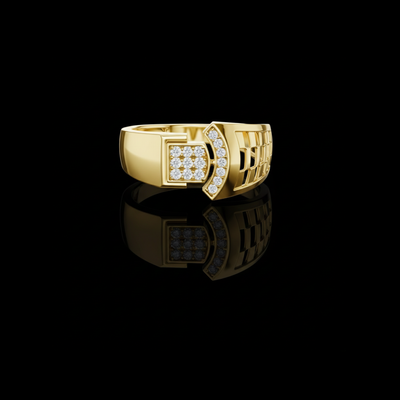
What Makes Jewelry "Fine"?
Fine jewelry is made from precious metals and genuine or lab created gemstones, as opposed to fashion jewelry built on base metals with glass or plated finishes. It is designed to be worn for years, not seasons. Three things define it:
- Precious metal: Solid gold (10K, 14K or 18K) or 925 sterling silver.
- Real gemstones: Natural or lab grown diamonds, moissanite and other durable stones.
- Craftsmanship: Secure settings, smooth finishing and a comfortable fit.
Fine jewelry vs demi-fine vs fashion jewelry
| Type | Materials | How long it lasts |
|---|---|---|
| Fine | Solid gold or sterling silver, diamonds, moissanite, precious stones | Decades, with repairs possible |
| Demi-fine | Silver or base metal with thick gold plating or vermeil | Years; plating wears over time |
| Fashion | Brass or alloy, thin plating, glass or crystal | A season or two |
Only the first category can realistically become an heirloom, because only solid metal and hard stones survive decades of wear.
Lab Grown Diamonds and Moissanite: Modern Heirlooms
The sustainability trend has made lab created stones a mainstream choice. A lab grown diamond is chemically, physically and optically the same as a mined diamond: pure carbon, 10 on the Mohs hardness scale, with the same refractive index of about 2.42. It is grown with one of two methods, CVD (chemical vapor deposition) or HPHT (high pressure, high temperature), and graded on the same 4Cs of cut, color, clarity and carat.
Moissanite is a different gem made of silicon carbide. At 9.25 on the Mohs scale it is hard enough for daily wear, and with a refractive index of about 2.65 it throws off more rainbow fire than a diamond. Some people love that extra color; others prefer the crisper white sparkle of a diamond. Both make beautiful heirloom pieces. Compare them in detail in our moissanite vs lab grown diamond vs diamond guide.
Which stone suits which piece?
| Feature | Lab grown diamond | Moissanite |
|---|---|---|
| Hardness (Mohs) | 10 | 9.25 |
| Sparkle | Balanced white brilliance and fire | Strong rainbow fire |
| Grading | 4Cs, often IGI or GIA certified | Graded by color and clarity |
| Best for | Engagement rings, heirloom studs, solitaires | Larger looks on a tighter budget, statement pieces |
You can browse both side by side in lab grown diamond fine jewelry and moissanite fine jewelry.
How to Choose a Piece That Lasts
Pick the right metal
14K gold is the everyday workhorse, harder than 18K yet still rich in color. 18K gold looks warmer and feels more luxurious but scratches a little more easily. 10K gold is the toughest and most affordable of the three, with a paler yellow tone. 925 silver is bright and accessible but needs more care to prevent tarnish.
Think about how you will wear it
Rings and bracelets take the most knocks, so choose secure settings such as bezels or sturdy prongs. Earrings and pendants see less wear and can carry more delicate designs. If you want a timeless starting point, a classic pair of studs or a simple solitaire pendant from our lab diamond pendant collection works with almost any outfit.
Balance trend and timelessness
Bold colored stones and statement pieces are fun, but heirloom pieces tend to be simple: round or oval stones, clean lines and classic metal colors. Many people mix both, wearing one statement piece over a foundation of classics.
A quick checklist before you buy
- Check the stamp: Look for 10K, 14K (585), 18K (750) or 925 on the piece or in the listing.
- Ask about the stone: Type, carat weight, color and clarity, and whether a grading report is included.
- Look at the setting: Prongs should be even and rounded; bezels should sit flush with no gaps.
- Confirm the size: Ring size, chain length or bracelet length, measured rather than guessed.
- Read the return policy: Know your window and any exceptions before you order.
What Affects the Cost of Fine Jewelry
- Metal: Higher karat gold costs more than lower karat, and heavier designs use more metal.
- Stone: Type, size, cut, color and clarity. Lab grown diamonds cost less than mined diamonds of the same grade, and moissanite usually costs less again.
- Design: More stones, especially small pavé stones set by hand, mean more labor.
- Custom work: Bespoke pieces need design and modeling time before production starts.
Tip: If budget is tight, put your money into the part people see most. For a solitaire, that is the cut of the center stone. For a band or bracelet, it is clean, even setting work.
Caring for Your Fine Jewelry
Clean pieces gently with warm water, mild soap and a soft brush. Store each item separately so harder stones don't scratch softer metals, and take rings off before heavy work, swimming or applying lotion. See our full jewelry care guide for more tips.
Care habits that protect an heirloom
- Last on, first off: Put jewelry on after perfume, hairspray and makeup, and take it off before bed or the gym.
- Check prongs: Every few months, look for bent or worn prongs and gently feel whether any stone moves.
- Polish silver: Use a silver cloth regularly and store 925 pieces in a closed pouch to slow tarnish.
- Keep paperwork: Store invoices and grading reports together so the next owner knows exactly what they have.
Building a Fine Jewelry Collection Over Time
Few people buy a whole collection at once. Most build it piece by piece, often around life events. A sensible order is to start with the pieces you will wear most and add statement items later.
A simple five-piece foundation
- Stud earrings: A pair of round or oval studs goes with work clothes, jeans and evening wear alike. Explore lab diamond fine jewelry earrings for classic options.
- A pendant on a fine chain: A single stone at the collarbone is quiet enough for every day and easy to layer.
- A plain or lightly set band: Comfortable for daily wear and easy to stack with other rings later.
- A bracelet: A slim tennis bracelet or a gold bangle adds polish to the wrist without competing with a watch.
- One statement piece: A cocktail ring, colorful bracelet or bold necklace for occasions.
Keep the collection coherent
Choosing one main metal color makes everything easier to mix. If you love both yellow and white gold, two-tone pieces can bridge the gap. Similar stone shapes across pieces, such as all round or all oval, also help a collection look intentional rather than random.
Finally, write down the story of each piece as you buy it: when, why and who it was for. That small note is what turns jewelry into a legacy for whoever wears it next.
Shop Fine Jewelry at Ivevar
At Ivevar, we make fine jewelry in 10K, 14K and 18K gold and 925 sterling silver, set with lab grown diamonds (many with IGI certificates) and moissanite. Start with lab grown diamond fine jewelry, explore moissanite fine jewelry, or ask about a custom piece through a virtual appointment. We deliver worldwide with free shipping and offer 30-day easy returns.
FAQ
Is lab grown diamond jewelry considered fine jewelry?
Yes. Lab grown diamonds are real diamonds, and when set in solid gold or sterling silver they are fine jewelry.
Which gold karat is best for everyday fine jewelry?
14K gold is a popular choice because it balances color, durability and value.
Can fine jewelry become a family heirloom?
Absolutely. Durable stones in well-made precious metal settings can last for generations with simple care.
Is moissanite a type of diamond?
No. Moissanite is a separate gemstone made of silicon carbide. It is very hard (9.25 on the Mohs scale) and has more rainbow fire than a diamond, but it is not a diamond.
Can someone tell a lab grown diamond from a mined one?
Not by eye. They are the same material, so telling them apart requires specialized lab equipment. A grading report states the origin clearly.
Is 925 sterling silver fine jewelry?
Yes. Sterling silver is a precious metal that is 92.5% silver. It is softer than gold and tarnishes over time, so it needs a little more care.
What jewelry styles make the best heirlooms?
Simple, wearable designs: solitaire rings, stud earrings, plain bands and pendants on classic chains. They suit many tastes, so the next generation is more likely to wear them.
Can I reset a family stone into a new design?
Often, yes. Many heirloom stones are reset into modern settings. A jeweler will first check the stone for chips and confirm its size before designing around it.
How often should fine jewelry be checked by a jeweler?
For pieces worn daily, especially rings and bracelets, a professional check of prongs and clasps once a year is a good habit. Earrings and pendants can usually go longer between checks.


