

 Engagement Rings
 Anniversary Rings
 Solitaire Rings
 Halo Rings
 Toi Moi Rings
 Three Stone Rings
 Nature Inspired Rings
 Rose Cut Rings
 Fancy Color Rings
 Antique Cut Rings
 Wedding Rings
 Wedding Band Rings
 Exclusive Lab Grown Diamond Rings
 All Lab Grown Diamond Ring
 Engagement Rings
 Three Stone Rings
 Fancy Color Rings
 Antique Cut Rings
 Daily Wear Rings
 Wedding Band Rings
 Exclusive Moissanite Rings
 Earrings
 Bracelet
 Pendant
 Necklace
 Men's Ring
 Bridal Sets
 Rings
 Earrings
 Tennis chain
 Cuban Chains
 Custom Pendant
 Custom Ring
 Custom Teeth Grillz
 Round
 Oval
 Cushion
 Marquise
 Pear
 Emerald
 Heart
 Princess
 Rose Cut
 Radiant
 Antique Cut
 Brooch
 Cufflink
 Keychain
 Unique Products
 +91-9265051773
 Virtual Appointment
 log in




How Much Does an Iced Out Chain Cost? Real Price Breakdown
by Ankit Koshiya on Sep 29, 2026
Short answer: The price of an iced out chain is set mostly by two things: the stones and the metal. Cubic zirconia on plated brass is the cheapest and wears out fastest. Moissanite on 925 sterling silver gives a big, bright look at a moderate cost. Lab grown diamonds on solid 10K, 14K or 18K gold cost more, but you get real diamonds and metal that lasts for decades. After that, width, length, total carat weight, setting quality and the clasp decide where a chain lands within its tier.
Iced out chains range from inexpensive fashion pieces to serious fine jewelry investments. The price gap comes down to a handful of factors you can check yourself. Here is what actually drives the cost, so you can tell a fair price from an inflated one and know exactly what you are paying for.
We won't quote fixed numbers here, because the cost of gold and of stones changes over time and every chain is built differently. What doesn't change is the logic behind the price. Once you understand it, you can read any listing and see whether the price matches the materials.
What Is an Iced Out Chain?
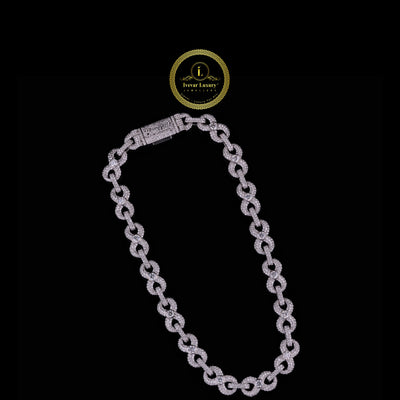
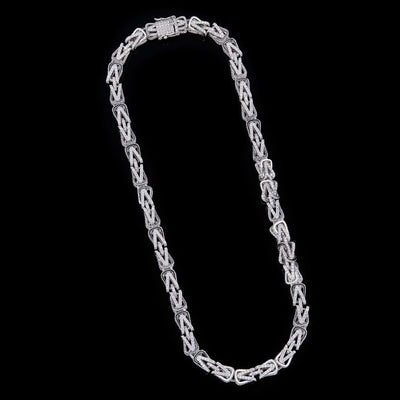
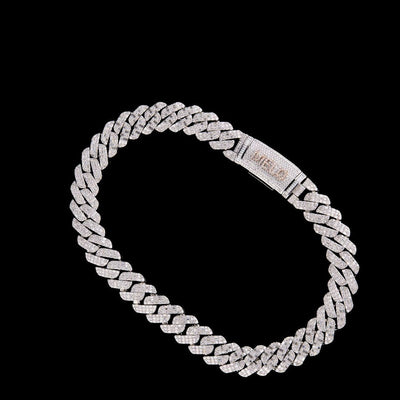
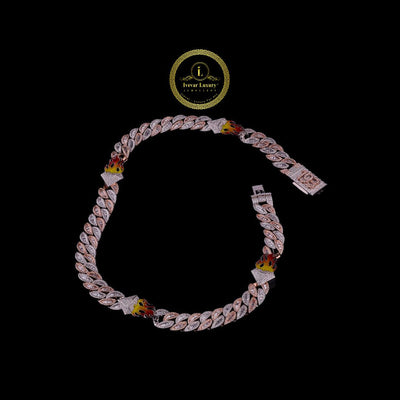
An iced out chain is a necklace covered in sparkling stones, usually set across every link. The most common styles are:
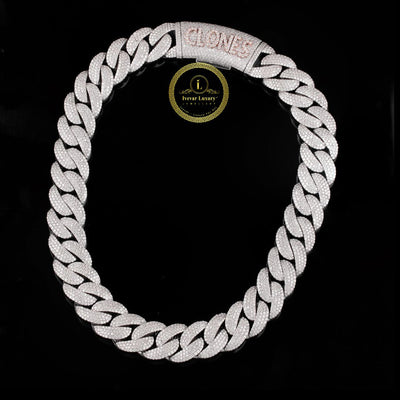
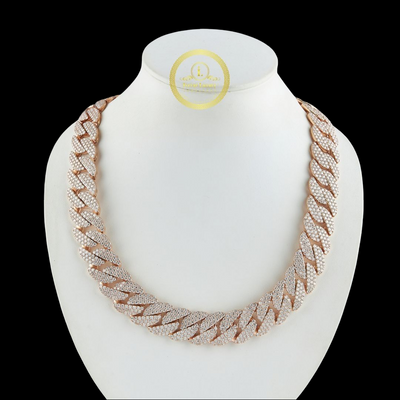
- Cuban link chains: Thick, interlocking oval links set with stones on the top surface. Heavy and bold. See our lab diamond Cuban chains.
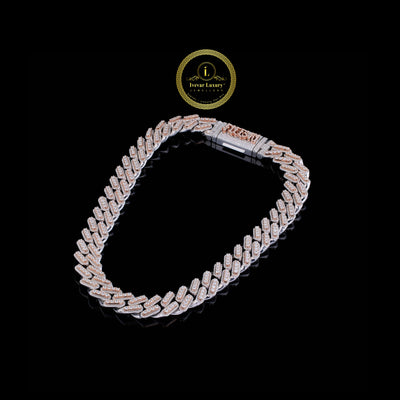
- Tennis chains: A single flexible row of matching stones, each in its own setting. Sleeker and easy to layer. Browse lab grown tennis chains or moissanite tennis chains.
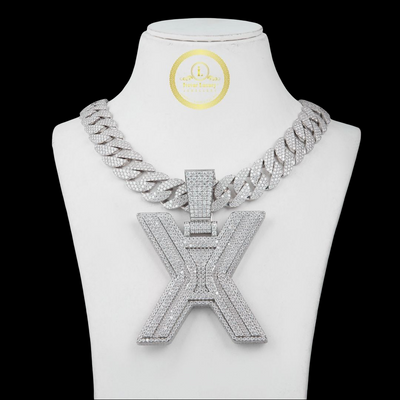
- Pendant chains: A chain paired with an iced out pendant, where the pendant often carries most of the stone weight.
Each style spends your money differently. A tennis chain puts nearly all of its cost into the stones, because the metal is just a row of small settings. A Cuban link chain carries a lot of metal as well as stones, so the metal choice matters far more. A pendant chain splits the budget: a plain chain can be modest while the pendant holds the sparkle. Knowing which style you want is the first step to understanding its price.
The 6 Factors That Set the Price
1. Stone type
This is the biggest single factor. Cubic zirconia is the cheapest but scratches and clouds over time. Moissanite (9.25 on the Mohs scale) gives strong sparkle and durability at a moderate cost. Lab grown diamonds are real diamonds, 10 on the Mohs scale, grown by CVD or HPHT, and they cost more than moissanite but far less than mined diamonds of the same size and quality.
Note that moissanite is its own gemstone, not a type of diamond. It has a higher refractive index (about 2.65 against diamond's 2.42), which is why it throws more colorful flashes. A lab grown diamond, on the other hand, is chemically, physically and optically the same as a mined diamond. The only difference is where it formed.
2. Metal and karat
925 sterling silver is the most affordable precious metal option. Gold costs more and rises with karat: 10K, then 14K, then 18K. Solid gold costs far more than gold plating over silver or brass, but it lasts for decades.
Because a Cuban link chain can contain a lot of metal, moving from silver to solid gold can change the price more than any other single upgrade. On a slim tennis chain, the jump is smaller because there is less metal to pay for.
3. Weight, width, and length
A wider, longer, heavier chain uses more metal and more stones. Going from a slim tennis chain to a wide Cuban, or adding a few inches of length, can multiply the cost.
Width has a double effect on Cuban chains. A wider link needs more metal and also gives more surface to set stones on, so both costs rise together. If you are on a budget, dropping a couple of millimetres of width often saves more than shortening the chain.
4. Total carat weight and stone quality
More carats cost more. For diamonds, color and clarity grades also matter. Small melee stones of good color look bright and white; lower grades can look gray or yellow.
Total carat weight (often written "ctw" or "tcw") is the combined weight of every stone on the chain. Two chains can look similar in photos while one carries far more stone weight. Always compare ctw side by side, along with the color and clarity range of the stones.
5. Setting method
Hand-set stones in prongs or pavé take hours of skilled labor. Cheap chains often use glued-in stones, which fall out. Secure settings cost more but protect your investment.
6. Clasp and craftsmanship
A heavy iced chain needs a strong box clasp with a safety latch. Smooth finishing, flexible links, and matched stones are signs of quality.
Stone Options Compared
The stone you choose decides both how the chain looks on day one and how it looks after years of wear. Here is how the four common options compare.
| Stone | Hardness (Mohs) | Look | Relative cost |
|---|---|---|---|
| Cubic zirconia | About 8–8.5 | Bright at first, can scratch and cloud | Lowest |
| Moissanite | 9.25 | Very bright, strong rainbow fire | Moderate |
| Lab grown diamond | 10 | Classic white diamond sparkle | Higher |
| Mined diamond | 10 | Same as lab grown diamond | Highest |
For most buyers the real choice is between moissanite and lab grown diamond. Both are hard enough for everyday wear and keep their sparkle with simple cleaning. Moissanite gets you a bigger, bolder chain for the same budget. Lab grown diamond gets you a real diamond, and on larger stones you can ask for an IGI certificate that records its grades.
You can browse both side by side in our hip hop lab grown diamond jewelry and moissanite hip hop jewelry collections.
Metal Options Compared
The metal holds every stone in place, so it decides how long the chain will last as well as what it costs. Pure gold is too soft for jewelry, so it is mixed with other metals. The karat number tells you how much of the metal is actually gold.
| Metal | Gold content | What to expect |
|---|---|---|
| 925 sterling silver | None (92.5% silver) | Bright white, affordable, needs polishing to prevent tarnish |
| Gold plated | Thin surface layer only | Looks like gold at first; plating wears through with daily use |
| 10K gold | 41.7% | Hard-wearing, lighter yellow color |
| 14K gold | 58.3% | Rich color with very good durability; the most popular choice |
| 18K gold | 75% | Deepest yellow, softer, the most premium of the three |
Silver and gold can also be combined. A sterling silver chain with gold plating gives you a gold color at a silver price, but the color will need re-plating over time. Solid gold keeps its color all the way through, which is why it costs more and why it holds its value.
Solid, Hollow, or Plated: Know What You Are Buying
Two chains can look identical in a photo and be completely different underneath. These three words explain most of the hidden price gaps.
- Solid: The link is precious metal all the way through. It is the heaviest, strongest and easiest to repair. Solid chains cost the most but last the longest.
- Hollow: The link is a tube of metal with air inside. It looks just as wide but uses much less metal, so it is lighter and cheaper. Hollow links dent easily and are hard to repair, and they are a poor base for setting stones.
- Plated: A thin layer of gold over brass, copper or silver. It looks like gold until the layer wears off, usually first where the chain rubs on your neck and collar.
For an iced out chain, solid links matter even more than usual. Stones need firm metal around them, and a hollow or soft base can flex and let stones loosen.
Tip: Ask the seller for the metal weight in grams. A solid chain of a given width and length weighs far more than a hollow one. If a seller can't or won't tell you the weight, treat the chain as hollow or plated until proven otherwise.
What Each Price Tier Usually Gets You
Rather than chasing a number, it helps to think in tiers. Each tier is a different combination of stone and metal, and each suits a different buyer.
| Tier | Typical build | Who it suits |
|---|---|---|
| Fashion | Cubic zirconia, plated brass or alloy | Costume pieces, one-off events |
| Entry fine jewelry | Moissanite on 925 sterling silver | First iced chain, maximum size on a budget |
| Mid fine jewelry | Moissanite or lab diamond on 10K or 14K gold | Daily wear with lasting metal |
| Premium | Lab grown diamonds on solid 14K or 18K gold | Long-term statement piece, real diamonds |
The biggest jump in quality is from the fashion tier to the entry fine jewelry tier. That is where glued stones and plated base metal give way to set stones and real precious metal. From there, each step up buys better stones, more gold, or both.
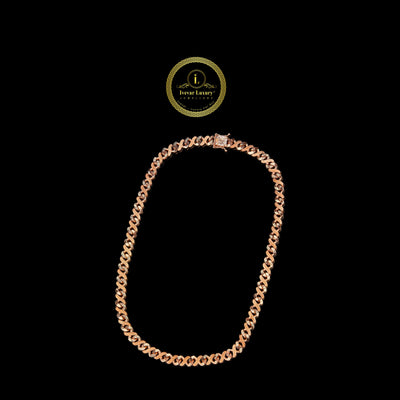
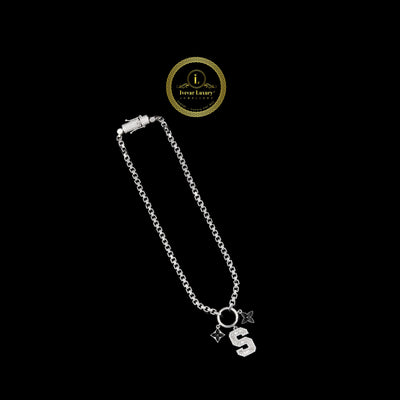
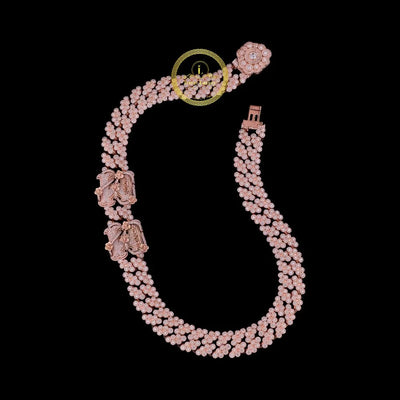
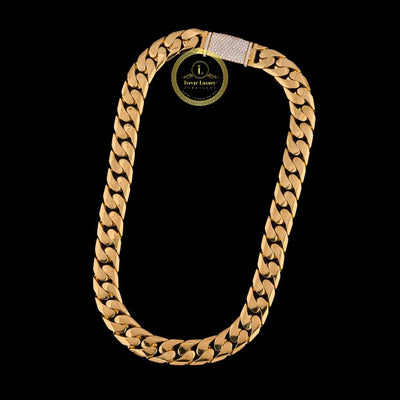
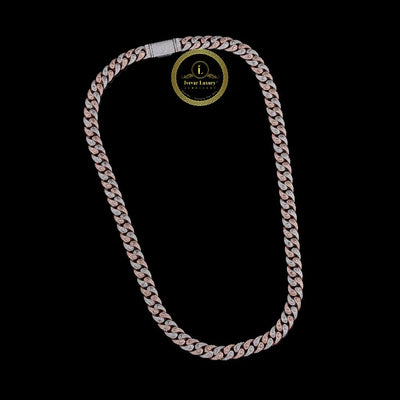
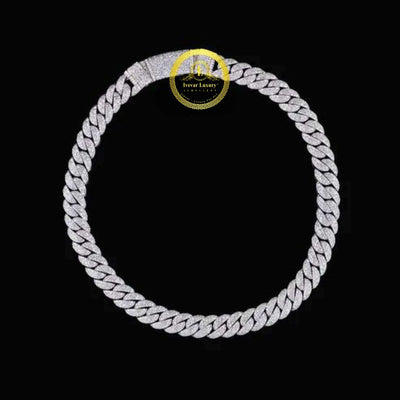
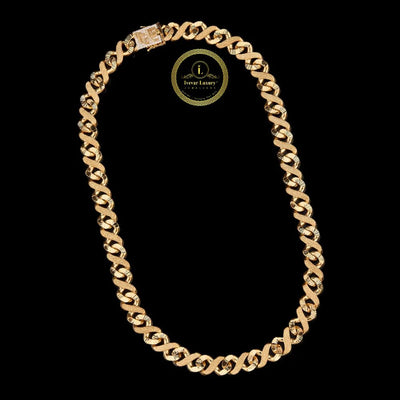
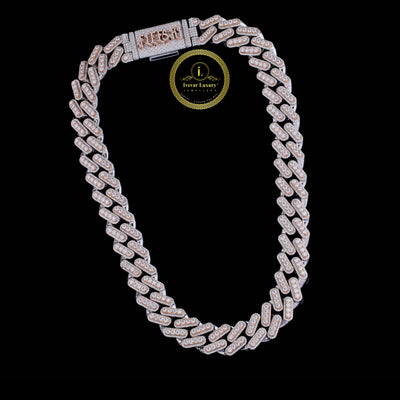
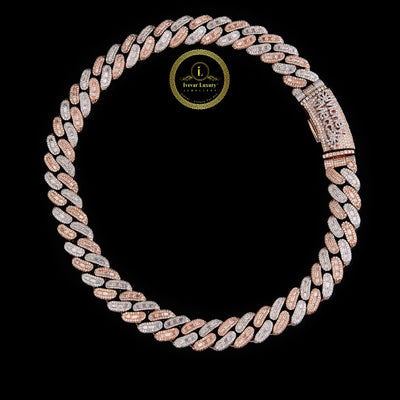
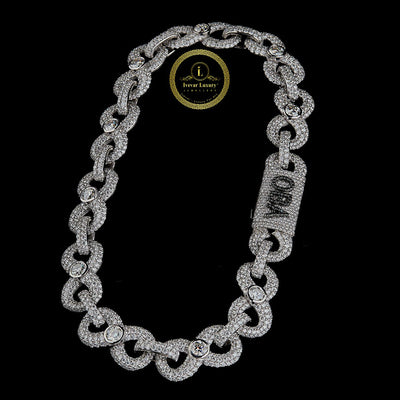
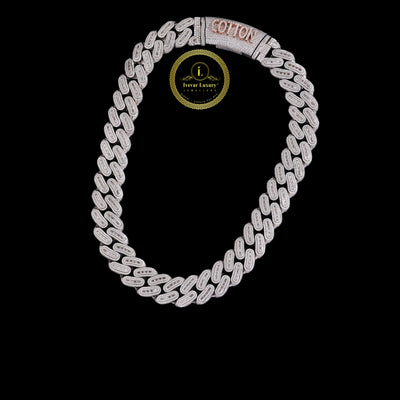
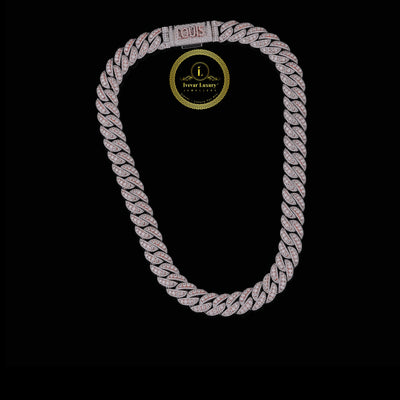
Shop the styles in this guide




Costs People Forget to Plan For
The sticker price is only part of the cost of owning an iced out chain. Think about these before you buy.
- Length changes: Adding links to a fully iced chain means making new links and setting matching stones in them. Removing length is simpler. Choose the right length from the start.
- Repairs: A clasp or a loose stone is a small fix on a solid chain from a skilled maker. It can be expensive or impossible on hollow or glued pieces.
- Cleaning and checks: Iced chains collect skin oils and lotion between the stones. Regular gentle cleaning at home is free, and an occasional check by a jeweler catches loose stones early.
- Shipping and returns: Some sellers charge for delivery or make returns hard. Ivevar offers free shipping, worldwide delivery and 30-day easy returns.
- Silver upkeep: Sterling silver darkens over time. A polishing cloth and dry storage keep it bright, but it is ongoing care.
How to Get Good Value
- Get specs in writing: Ask for the metal weight and the total carat weight in writing.
- Check the metal: Confirm whether the metal is solid, hollow, or plated.
- Match stone to goal: Choose moissanite for maximum size and sparkle on a budget, or lab diamond for real diamond.
- Be realistic about width: Pick a width you will actually wear every day.
- Put money where it shows: On a tennis chain, spend on better stones. On a Cuban, a solid gold base often matters more than the very top stone grades.
Keep your chain bright by cleaning it gently and storing it flat. See our jewelry care guide for details.
Red Flags When Shopping
A low price is not a bargain if the chain falls apart. Watch for these warning signs.
- "Diamond" with no detail: If a listing says "diamond" but does not say lab grown or mined, or gives no carat weight, ask. Moissanite and cubic zirconia should always be named as what they are.
- Gold with no karat: Real gold jewelry is described by karat (10K, 14K, 18K). "Gold tone," "gold finish" or "gold color" means plated or no gold at all.
- Very light weight for the width: A wide chain that feels light is almost always hollow or base metal.
- Uneven stones: Stones that sit at different heights or look different colors in photos suggest rushed or glued setting.
- Weak clasp: A spring ring or a small lobster clasp on a heavy chain is a sign corners were cut.
Custom Chains and Pendants
If you want something nobody else has, a custom piece lets you choose every factor that sets the price: stone, metal, karat, width, length and design. That makes it easier to hit a budget, because you can trade one factor for another. For example, you might keep a pendant fully iced in lab grown diamonds and pair it with a plain solid gold chain.
Ivevar makes custom jewelry and offers virtual appointments, so you can talk through options and see what fits your budget before anything is made. Our custom hip hop pendants are a good place to start for ideas.
Shop Iced Out Chains at Ivevar
Ready to compare real options? Browse our lab diamond Cuban chains and moissanite Cuban chains, or pick a sleeker lab grown tennis chain. Every piece is made with lab grown diamonds or moissanite, many lab diamonds come with IGI certificates, and orders ship free worldwide with 30-day easy returns.
FAQ
Is moissanite or lab diamond better for an iced out chain?
Both are hard enough for daily wear. Moissanite costs less and shows more colorful fire, while lab diamond gives you a real diamond with a classic white sparkle.
Why do two similar-looking chains cost so differently?
The difference hides in the metal or the stones: solid gold versus plated brass, or lab grown diamond versus cubic zirconia. Always compare the itemized specs — metal weight, stone type, setting method — not just the photos.
Does a heavier chain mean better quality?
Usually, yes. Heavier means more precious metal, which means stronger links, more secure stone settings, and a chain that can be repaired. Suspiciously light "gold" chains are often hollow or plated base metal.
How much does it cost to resize an iced out chain?
It depends on the metal and on how many matching stones must be set into new links, so get a quote from the maker. Shortening a chain is usually simpler than lengthening one. Ask about length changes before you buy, especially for fully iced pieces.
Is a sterling silver iced chain worth it?
Yes, if you want a big look for less. 925 sterling silver is real precious metal and holds stones securely. It needs regular polishing to stop tarnish, and it won't hold value the way solid gold does.
Will an iced out chain hold its value?
Solid gold keeps a metal value. Lab grown diamonds and moissanite are best bought to wear and enjoy rather than as an investment, so choose a chain you love rather than one you plan to resell.
What width should my first iced Cuban chain be?
A medium width is the easiest to wear every day and costs less than a very wide chain. Go wider only if you want a bold statement piece and are comfortable with the extra weight.
Do lab grown diamond chains come with certificates?
Small melee stones on chains are usually not graded one by one. Larger center stones and many lab diamonds at Ivevar come with IGI certificates. Ask for the details on the specific piece you are buying.
Sources
- GIA — Gemological Institute of America
- IGI — International Gemological Institute
- JCK — Jewelry Industry News
- National Jeweler

Aumsri Pradhan is the founder of Ivevar Luxury, a Surat-based fine jewelry brand that designs and handcrafts lab grown diamond and moissanite jewelry in its own workshop. She leads the brand's design and customer experience, from engagement rings and bridal sets to custom pieces made to each client's story. Through the Ivevar blog, she shares practical guidance on lab grown diamonds, moissanite, diamond grading and ring design to help buyers choose with confidence.


