

 Engagement Rings
 Anniversary Rings
 Solitaire Rings
 Halo Rings
 Toi Moi Rings
 Three Stone Rings
 Nature Inspired Rings
 Rose Cut Rings
 Fancy Color Rings
 Antique Cut Rings
 Wedding Rings
 Wedding Band Rings
 Exclusive Lab Grown Diamond Rings
 All Lab Grown Diamond Ring
 Engagement Rings
 Three Stone Rings
 Fancy Color Rings
 Antique Cut Rings
 Daily Wear Rings
 Wedding Band Rings
 Exclusive Moissanite Rings
 Earrings
 Bracelet
 Pendant
 Necklace
 Men's Ring
 Bridal Sets
 Rings
 Earrings
 Tennis chain
 Cuban Chains
 Custom Pendant
 Custom Ring
 Custom Teeth Grillz
 Round
 Oval
 Cushion
 Marquise
 Pear
 Emerald
 Heart
 Princess
 Rose Cut
 Radiant
 Antique Cut
 Brooch
 Cufflink
 Keychain
 Unique Products
 +91-9265051773
 Virtual Appointment
 log in




Short answer: Rose gold engagement rings get their soft pink color from gold alloyed with copper. They are romantic, flattering on most skin tones, and pair especially well with pink stones, blue sapphires and near-colorless diamonds. Rose gold is durable and needs no plating, and its color does not wear off because it runs all the way through the metal, though it can deepen slightly over time.
Rose gold sits between the warmth of yellow gold and the coolness of white gold. It looks soft and modern on a slim solitaire, rich and vintage on a filigree halo, and especially pretty with pink or peach toned stones. This guide explains where the color comes from, how the karat changes the shade, which stones and settings suit it best, how it compares with yellow and white gold, and how to care for it so it looks beautiful for decades.
What Makes Rose Gold Pink?
Pure gold is a deep yellow and too soft for a ring worn every day. Jewelers mix it with other metals to make it stronger and to change its color. Rose gold uses a higher share of copper in that mix, and copper's reddish tone turns the gold pink. A small amount of silver is often added as well to soften the shade.
Because the color comes from the alloy itself, there is no coating to wear away. Scratch a rose gold ring and the metal underneath is the same pink. This is the key difference from white gold, which is usually plated with rhodium to look bright white.
How karat changes the color
The karat tells you how much pure gold is in the metal. The lower the karat, the more room there is for copper, so the color becomes pinker and the metal harder.
| Karat | Pure gold content | Typical rose color | Wear |
|---|---|---|---|
| 10K | 41.7% | Deepest pink | Hardest, most scratch resistant |
| 14K | 58.5% | Balanced blush pink | Strong; a popular choice for daily wear |
| 18K | 75% | Softer, warmer pink with more gold tone | Richer, slightly softer metal |
We make rings in 10K, 14K and 18K gold. If you want a clearly pink ring that stands up to everyday knocks, 14K is a balanced choice. If you prefer a subtler, peachier glow, 18K is lovely.
Why Choose Rose Gold?
- Romantic warmth: a soft blush tone that feels feminine, gentle and modern.
- Flatters most skin tones: its mix of pink and gold suits fair, olive, warm and deeper complexions.
- Durable: the copper makes rose gold slightly harder than yellow gold of the same karat.
- Low maintenance: no rhodium plating to redo, unlike white gold.
- Forgiving with diamond color: a warm metal hides a faint tint in a near-colorless stone.
- Stands out: it is less common than white or yellow gold, so the ring feels a little more personal.
Rose Gold vs Yellow Gold vs White Gold
| Rose gold | Yellow gold | White gold | |
|---|---|---|---|
| Color | Pink blush | Warm yellow | Bright white |
| Main alloy | Copper | Silver and copper | Palladium or nickel, rhodium plated |
| Plating needed? | No | No | Yes, re-plated every few years |
| Allergy note | Rare copper sensitivity | Rarely an issue | Nickel alloys can irritate |
All three are real gold of the same karat; only the added metals differ. Choose rose gold for a romantic, distinctive look; yellow gold for a classic warm glow; and white gold if you want the center stone to look as icy as possible. If you are torn, a ring with a rose gold band and white gold prongs gives you both.
Two-tone rose gold rings
Two-tone designs use rose gold for the band and white gold for the head that holds the center stone, or the other way round. The white prongs make a colorless stone look whiter, while the band keeps its warm blush. Another option is a rose gold band with a thin white or yellow gold accent along the edge. Two-tone rings also make stacking easier later, because a wedding band in either color will match something in the engagement ring.
 Shown: Rose Gold Sapphire Diamond Ring
Best Stones for Rose Gold
- White diamonds in G to J color: rose gold hides faint warmth beautifully, so you do not need the very top color grades.
- Pink and red stones: create a harmonious, romantic look where the metal and stone feel like one piece.
- Blue sapphires: a striking contrast with the warm metal.
- Peach and champagne tones: blend softly with the metal for a dreamy, vintage feel.
- Colorless stones with white prongs: for an icier center on a pink band.
Lab grown diamond in rose gold
Lab grown diamonds are chemically, physically and optically the same as mined diamonds. They are grown by CVD or HPHT methods and graded on the same 4Cs, and many of our stones come with IGI certificates. Since rose gold reflects a warm tone into the stone, a near-colorless grade looks bright and white in this metal. At 10 on the Mohs scale, diamond is the hardest gemstone for daily wear. Most of our lab grown designs can be made in rose gold.
Moissanite in rose gold
Moissanite is a separate gemstone, not a diamond. It has a refractive index of about 2.65 compared with diamond's 2.42, so it shows strong rainbow fire, which looks lively against the soft pink metal. At 9.25 on the Mohs scale it is very durable for an engagement ring. See moissanite engagement rings.
Fancy colored stones
Pink is the natural partner for rose gold, but yellow, champagne and even green stones can look beautiful too. If you love color, explore lab grown fancy color rings.
Rose Gold and Skin Tone
Rose gold is often described as the most universally flattering gold, because it combines warm and cool notes.
- Fair skin: rose gold adds a gentle warmth and keeps the hand from looking washed out.
- Warm or golden skin: the pink tone blends naturally and looks soft and glowing.
- Olive skin: rose gold balances the green undertone with a touch of blush.
- Deeper skin tones: both deeper 10K and 14K pinks show beautiful contrast and richness.
Not sure of your undertone? Look at the veins on the inside of your wrist in daylight. Greenish veins usually mean a warm undertone, bluish or purple veins a cool one, and a mix suggests neutral. Rose gold works across all three, but warm undertones tend to look best with 14K or 18K, while cool undertones often prefer a lighter pink or a two-tone design with some white gold near the stone.
Tip: Hold the ring, or a similar rose gold piece, against the hand in natural daylight. Indoor yellow lighting makes all gold look warmer, so daylight shows the true shade on the skin.
Settings and Styles That Suit Rose Gold
Solitaire
A slim rose gold band with a single stone is clean and modern. The metal color does the talking, so a simple design looks far from plain.
Halo
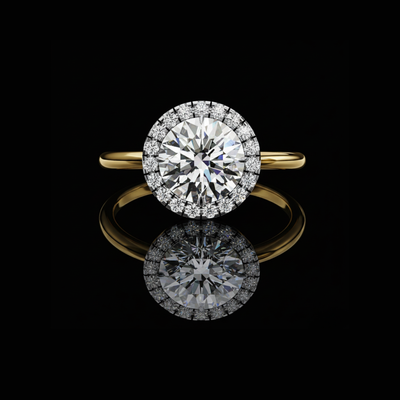
A halo set in rose gold gives a soft, vintage feel, especially with a round, oval or cushion center. White gold prongs or a white gold halo can keep the center extra bright.
Vintage and floral designs
Milgrain, filigree, leaves and flower clusters suit rose gold perfectly. The color has a long history in antique jewelry, so it makes these designs feel authentic.
Three-stone and pave
Pave bands in rose gold show the tiny metal beads as warm points between the stones, which looks soft rather than icy. Three-stone rings with pink or peach side stones are a romantic choice.
Center stone shapes in rose gold
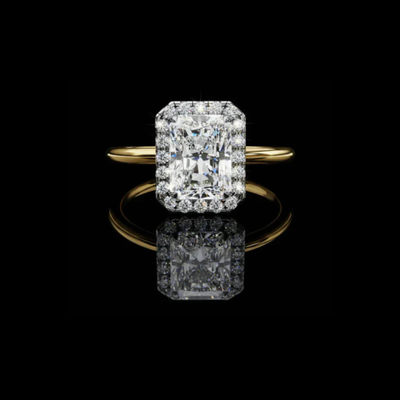
Soft, rounded shapes such as oval, round, cushion and pear look especially gentle in rose gold, and they match the romantic feel of the color. Elongated shapes like oval, pear and marquise also make the finger look longer and slimmer. Step cuts such as emerald and radiant give a crisp, modern contrast against the warm metal, which is a good choice if you want rose gold to look sleek rather than vintage.
How to Choose a Rose Gold Engagement Ring, Step by Step
- Look at the jewelry she already wears: if she wears mostly rose or mixed metals, rose gold will fit straight in. If she wears only white metals, consider a two-tone design.
- Pick the karat for the shade: 10K for the pinkest and hardest, 14K for a balanced blush, 18K for a softer, warmer glow.
- Choose the stone: lab grown diamond for classic sparkle and the highest hardness, moissanite for extra fire, or a colored stone for personality.
- Decide on the setting: solitaire for a clean look, halo for more presence, vintage details for romance.
- Plan the wedding band: matching rose gold, a contrasting metal, or a pave band for more sparkle.
- Confirm the size: measure late in the day at a comfortable temperature, when fingers are at their usual size.
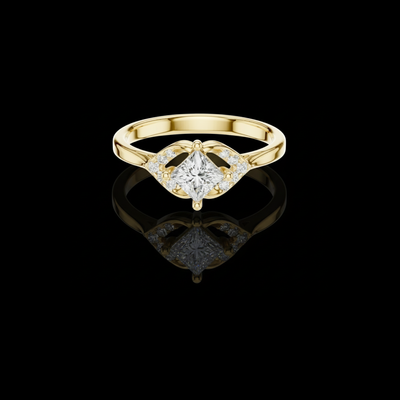
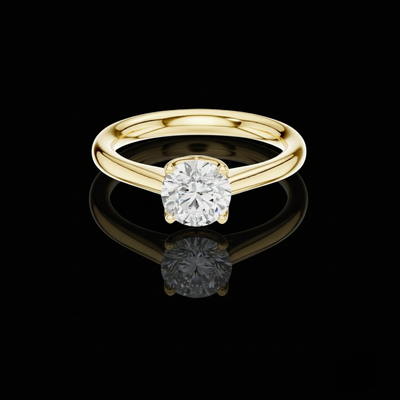
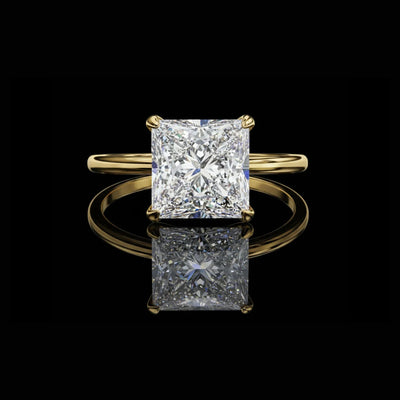
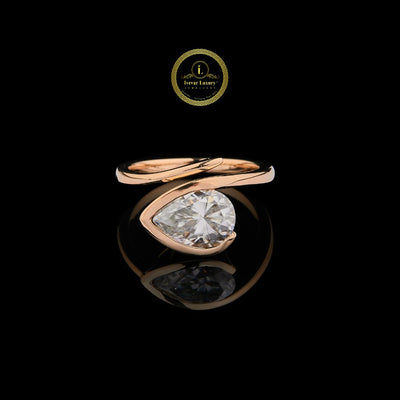
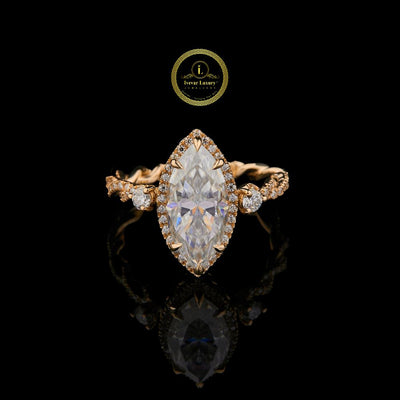
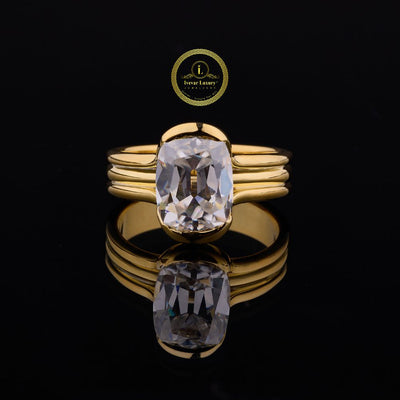
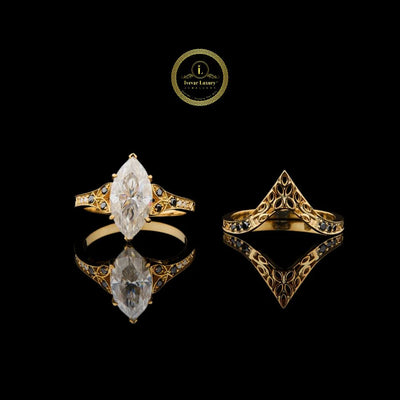
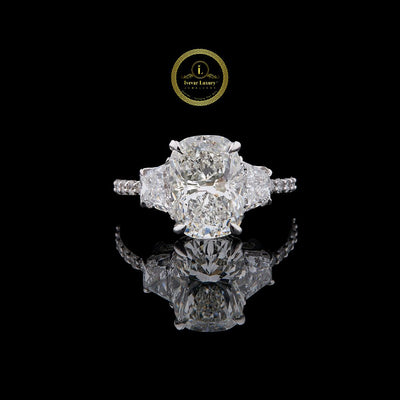
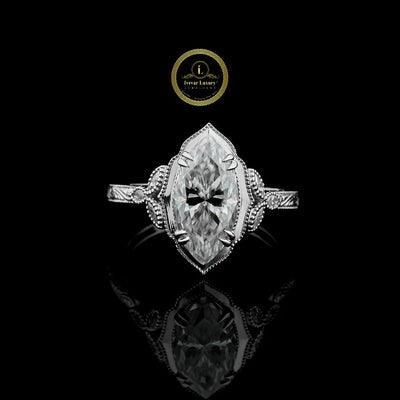
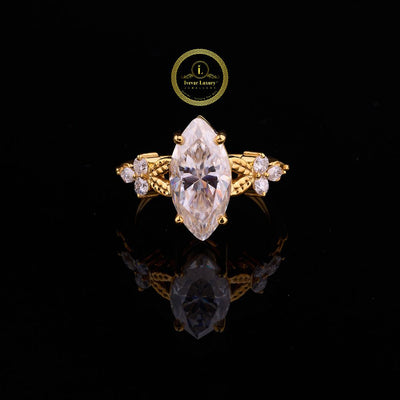
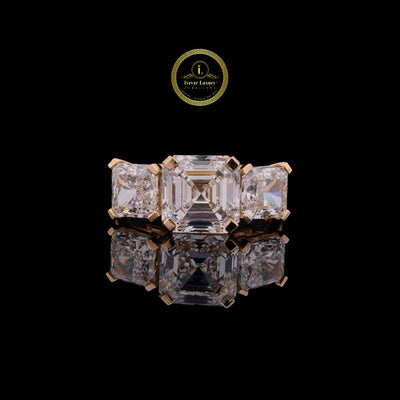
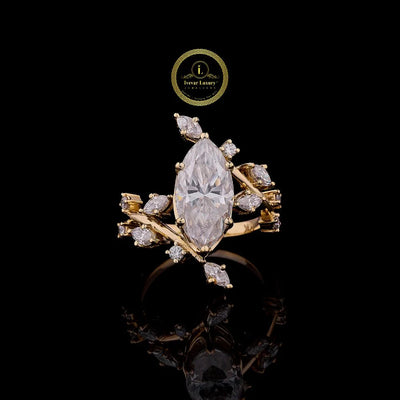
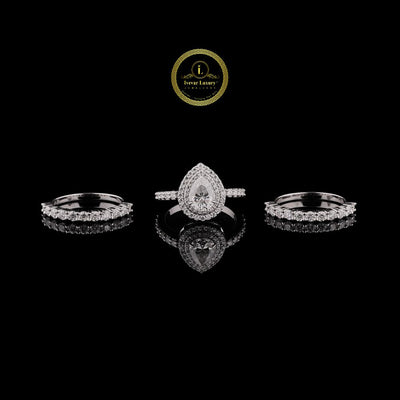
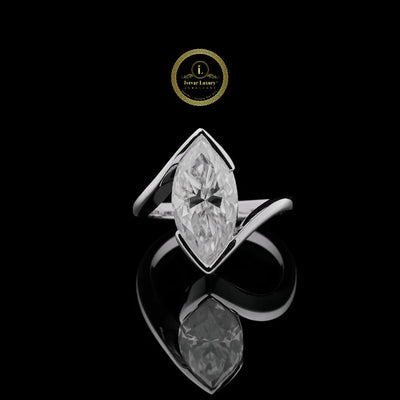
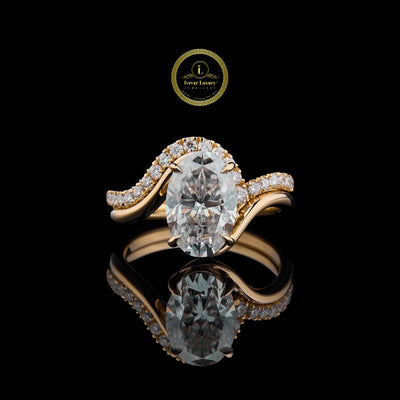
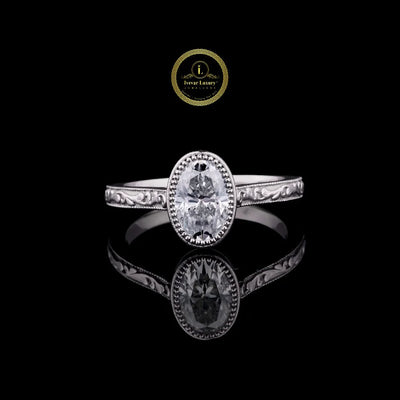
Shop the styles in this guide
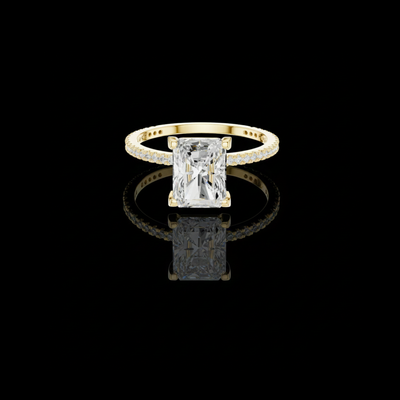
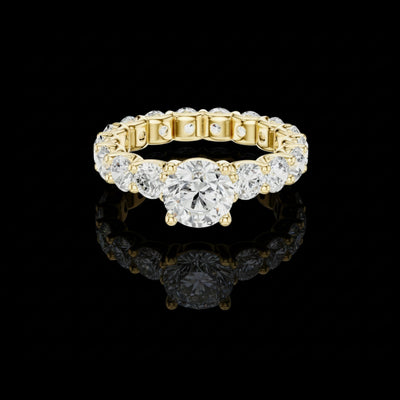
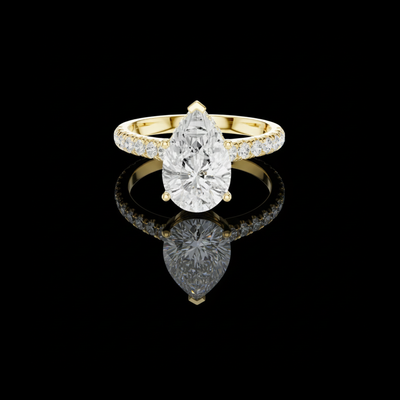
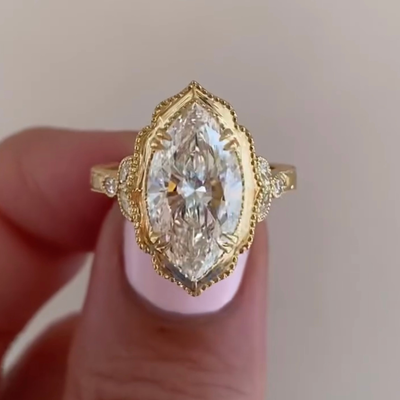
Durability, Allergies and Care
Rose gold is a practical metal. The copper in the alloy makes it a little harder than yellow gold of the same karat, so it resists dents and scratches well. Like all gold, it will pick up fine marks with daily wear, which a polish removes.
Over many years, rose gold can deepen slightly in color as the surface reacts with air and skin. Most people find this warmer patina attractive; a professional polish brings back the original shade if you prefer it.
Allergies to rose gold are rare, but a small number of people react to copper. If you have sensitive skin, let us know, and consider a higher karat, which contains less copper.
- Clean regularly: warm water, mild soap and a soft brush keep stones bright and the metal glowing.
- Avoid chlorine: remove the ring before swimming pools and hot tubs, and when using bleach or strong cleaners.
- Store separately: keep it in a soft pouch so diamonds on other jewelry do not scratch it.
- Check yearly: have a jeweler look at prongs and any small stones once a year.
Wedding Bands and Mixing Metals
A matching rose gold wedding band makes a soft, harmonious set. If you like contrast, rose gold also stacks beautifully with yellow and white gold bands. Mixed-metal stacks look intentional when the same mix appears elsewhere, such as a two-tone engagement ring or a watch with both colors. Browse lab grown diamond wedding bands, which can be made in rose gold.
Matching your partner's band
Partners do not need identical metals. A rose gold engagement ring pairs well with a partner's band in rose gold for a set that clearly belongs together, or in yellow or white gold if that suits them better. A small shared detail, such as the same finish, the same width or a matching engraving inside, connects the rings without forcing the same color on both people. Rose gold in a brushed or matte finish is a popular choice for those who want a warmer metal that still looks understated.
Is Rose Gold Just a Trend?
Rose gold has been used in fine jewelry for well over a century and was popular in the Victorian and Retro eras. Its popularity rises and falls, but a well-designed rose gold ring stays beautiful for decades. If you love the color today and it flatters the hand, it is a safe choice. A classic design, such as a solitaire or a simple halo, also helps the ring feel timeless whatever the fashion of the moment.
It also helps to think of rose gold as a color choice rather than a fashion statement. The pink comes from copper, a metal used in gold alloys for centuries, and the same shade looks as natural on an heirloom ring as on a new one. Many people who choose rose gold find that it becomes "their" metal for years, and they build a jewelry collection around it.
Rose Gold Rings at Ivevar
Many of our designs can be made in rose gold in 10K, 14K or 18K. We handcraft every ring in our Surat workshop, with lab grown diamonds, many IGI certified, or moissanite. Want a custom design or two-tone setting? Book a virtual appointment and we can show you options. Every ring ships worldwide with free shipping and 30-day easy returns. Browse lab grown engagement rings and moissanite fancy color rings.
Shop Rose Gold Style Rings
 Rose Gold Sapphire RingShop Now
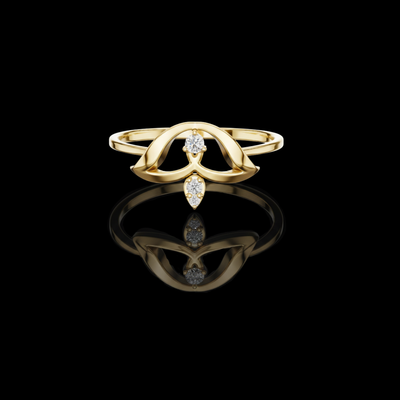
 Pink Round Wedding BandShop Now
 Halo Red Oval Engagement RingShop Now
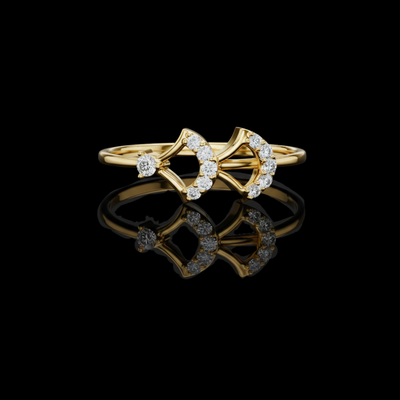
 Trilogy Twist Pave RingShop Now
 Oval Cluster Bridal RingShop Now
 Round Halo Infinity Twist RingShop Now
Swipe to see more → | View all engagement rings
FAQ
Does rose gold fade?
No. The color comes from the alloy itself, not a coating. It may deepen slightly with age, and a polish restores the original shade.
Is rose gold good for everyday wear?
Yes. 14K rose gold is a durable choice for daily wear, and 10K is even harder.
What skin tone suits rose gold?
It flatters most skin tones, especially fair and warm complexions, and also looks rich against olive and deeper skin.
Can I pair rose gold with other metals?
Yes. Mixed-metal stacks are popular and look intentional when repeated across pieces.
Is rose gold real gold?
Yes. Rose gold of a given karat contains the same amount of pure gold as yellow or white gold of that karat. Only the other metals in the alloy differ.
Which karat is best for a rose gold engagement ring?
14K is the most popular balance of color, strength and value. Choose 10K for the deepest pink and hardest metal, or 18K for a softer, warmer shade.
What diamond color grade looks best in rose gold?
Near-colorless grades such as G to J look bright in rose gold, because the warm metal hides a faint tint. Use white gold prongs if you want a very icy center.
Can rose gold be resized?
Rose gold can be resized like any gold, as long as the design allows it. Bands covered in stones all the way around are harder to resize, so measure carefully.
Does rose gold go with a white diamond?
Yes. Rose gold makes a white diamond look warm and soft. For a very bright, icy center, choose white gold prongs on a rose gold band.
Is rose gold more expensive than yellow or white gold?
Not by its color. Price depends on the karat, the weight of metal and the design, not on whether the gold is rose, yellow or white.
The Bottom Line
Rose gold is romantic, durable and low maintenance. Choose the karat for the shade you like, pair it with near-colorless diamonds, moissanite, pink stones or blue sapphires, and keep the design classic if you want the ring to feel timeless.
Related Guides
- Yellow gold vs white gold engagement rings
- Platinum vs gold engagement rings
- Best wedding band metals

Author Bio
Aumsri Pradhan
Founder, Ivevar Luxury
Aumsri Pradhan is the founder of Ivevar Luxury, a Surat-based fine jewelry brand that designs and handcrafts lab grown diamond and moissanite jewelry in its own workshop. She leads the brand's design and customer experience, from engagement rings and bridal sets to custom pieces made to each client's story. Through the Ivevar blog, she shares practical guidance on lab grown diamonds, moissanite, diamond grading and ring design to help buyers choose with confidence.


