

 Engagement Rings
 Anniversary Rings
 Solitaire Rings
 Halo Rings
 Toi Moi Rings
 Three Stone Rings
 Nature Inspired Rings
 Rose Cut Rings
 Fancy Color Rings
 Antique Cut Rings
 Wedding Rings
 Wedding Band Rings
 Exclusive Lab Grown Diamond Rings
 All Lab Grown Diamond Ring
 Engagement Rings
 Three Stone Rings
 Fancy Color Rings
 Antique Cut Rings
 Daily Wear Rings
 Wedding Band Rings
 Exclusive Moissanite Rings
 Earrings
 Bracelet
 Pendant
 Necklace
 Men's Ring
 Bridal Sets
 Rings
 Earrings
 Tennis chain
 Cuban Chains
 Custom Pendant
 Custom Ring
 Custom Teeth Grillz
 Round
 Oval
 Cushion
 Marquise
 Pear
 Emerald
 Heart
 Princess
 Rose Cut
 Radiant
 Antique Cut
 Brooch
 Cufflink
 Keychain
 Unique Products
 +91-9265051773
 Virtual Appointment
 log in




Where to Buy Lab Grown Diamonds: Online vs Local Jeweler
by Aumsri Pradhan on Sep 29, 2026
Short answer: Online jewelers usually offer more choice and lower prices, because they have lower overheads and larger inventories. Local jewelers let you see and try pieces in person and offer face-to-face service. Many buyers get the best of both: research and buy online from a transparent seller, and use a local jeweler for sizing, cleaning and inspections.
Shop the styles in this guide


Online vs Local at a Glance
| Factor | Online | Local jeweler |
|---|---|---|
| Selection | Very wide | Limited to stock |
| Price | Often lower | Often higher |
| See in person | Photos and video | Yes |
| Service | Chat, email, phone | Face to face |
A Closer Comparison
The quick table covers the headline differences. These are the practical ones that tend to decide where people actually buy:
| Factor | Online | Local jeweler |
|---|---|---|
| Filtering by exact grades | Easy to search by shape, carat, color and clarity | Limited to what is in the case or can be ordered in |
| Access to grading reports | Report numbers are often shown on the listing | Available on request; ask to see it before you decide |
| Trying on | Not possible before purchase | Try several shapes and settings in one visit |
| Ring sizing | You measure at home | Measured professionally in store |
| Customization | Many sellers make pieces to order in your size and metal | Depends on whether the store has a workshop or uses a supplier |
| Sales pressure | Low; you can take your time | Varies by store |
| Getting the piece | Shipped to you after any production time | Can sometimes take it home the same day if in stock |
| After-sale service | By message, phone or video; repairs usually shipped | Walk in for cleaning, checks and repairs |
How to Choose
If you know what you want and value choice and price, buy online from a seller who discloses stones clearly and publishes policies. If you need to try styles or want personal guidance, start local. Either way, insist on a grading report for larger stones: IGI grades lab grown diamonds on the full 4Cs, while GIA has given only Premium or Standard descriptors since October 1, 2025.
Four Questions That Point You in the Right Direction
- Do you already know the shape and setting you want? If yes, online is usually faster and offers more choice. If not, trying styles in person first is worth the trip.
- How important is the exact stone? If you want to compare many certified stones by grade and measurement, online inventories make that much easier.
- Do you know the ring size? If you can measure accurately, online is low risk. If sizing is uncertain, get sized locally first.
- How do you like to be served? Some people value a long relationship with a nearby jeweler. Others prefer to research alone and ask questions by message.
What to Check Before You Buy Online
A good online seller makes it easy to understand exactly what you are getting. Before you check out, look for:
- Clear stone disclosure: the listing should say "lab grown diamond" plainly. Vague phrases such as "lab created stone" or "diamond alternative" can describe simulants like cubic zirconia.
- Full specifications: shape, carat weight, color, clarity and, for larger stones, the grading lab.
- Metal details: the karat of gold (10K, 14K or 18K) or 925 sterling silver, plus the metal color.
- Real photos and video: close-ups and on-hand shots show how a piece actually looks, not just a rendered image.
- Written policies: shipping, payment and after-sale terms you can read before you pay.
Where Online Shopping Shines
- Like-for-like comparison: you can line up stones with the same grades and compare millimeter measurements and reports, which is hard to do across several stores.
- Made to order options: pieces can be built in your size, metal and stone choice rather than picked from what happens to be in stock.
- Time to think: you can revisit a listing over several days, ask questions in writing and keep a record of the answers.
- Reach: where you live does not limit the styles or stones available to you.
Online Drawbacks and How to Manage Them
- You cannot try it on. Measure ring size carefully and check on-hand photos or video for scale.
- Photos can flatter. Ask for a video of the actual piece in natural light.
- Delivery takes planning. Allow for production and shipping time, and arrange to sign for the parcel.
- Returns need packing and shipping. Read the return terms before you buy so you know exactly what is involved.
For a deeper checklist on the online side, see our guide to buying lab grown diamonds online in the USA.
What to Ask a Local Jeweler
If you shop in person, the same principles apply. Ask whether a stone is lab grown or mined, request the grading report, and ask to see the stone under magnification. Compare a few stones side by side in daylight, since showroom lighting can make any diamond look brighter than it will on your hand.
Where a Local Jeweler Shines
- Trying many styles quickly: in one visit you can see how a solitaire, halo and three stone setting look on your own hand.
- Professional sizing: a jeweler can size your finger with proper gauges, including for wide bands.
- Seeing the stone: you can view it under a loupe and compare it to other stones in person.
- Ongoing care: regular cleaning and prong checks are easy when the store is nearby.
Questions to Ask in Store
- Is this stone lab grown or mined, and is that written on the receipt?
- Can I see the grading report, and does the stone have a laser inscription?
- What metal and karat is the setting?
- Is this piece in stock, or will it be ordered or made for me?
- What are the return, exchange and resizing terms, in writing?
- Do you offer cleaning and prong checks, and is there a charge?
Treat the answers the same way you would treat an online listing: if the store cannot show you a report or put its terms in writing, keep looking.
Made-to-Order Jewelry Online
Many online jewelers, including Ivevar, make each piece to order. That gives you more control over the stone, metal and ring size than picking from a display case, and it lets you match an engagement ring with a lab grown diamond wedding band in the same metal. Ivevar ships free worldwide, so where you live does not limit your choices.
The trade-off is that you cannot try the piece on first, so measure carefully. Our ring size chart walks you through it and helps you avoid the most common online mistake.
Know Your Stone Before You Shop
It helps to know the difference between a lab grown diamond and its look-alikes. A lab grown diamond is real diamond, grown by the HPHT or CVD method, and rates 10 on the Mohs scale. Moissanite is a different gem (silicon carbide, 9.25 on the Mohs scale) with more colorful sparkle. Both are excellent choices as long as the seller labels them honestly. Our moissanite vs lab grown diamond vs diamond guide explains how they compare, and our lab grown diamond engagement rings show the range of shapes and settings you can choose from.
Which Option Suits You?
- Buy online if you already know your preferred shape and metal, want the widest choice, or are looking for the most size and quality for your budget.
- Start local if you are unsure which shape suits your hand, want to try on several styles, or simply enjoy a face-to-face experience.
- Combine both if you want to try styles in a store, then compare specifications online before you decide.
The Hybrid Approach: Try Locally, Compare Online
Many buyers use both channels to get the advantages of each. A simple way to do it:
- Visit a local jeweler to try shapes and settings and get your ring size measured.
- Write down what you liked: shape, approximate size on the hand, setting style and metal color.
- Search online for stones and settings that match, and compare grades, measurements and reports.
- Ask the online seller for photos or video of the actual piece before it is made or shipped.
- After delivery, have a local jeweler check the fit, the setting and the prongs.
If you go this route, be fair to the local store: if you are only trying on, say so, and consider using them for paid services such as sizing, cleaning and inspections.
Judging Size and Scale Without Trying It On
The main thing a store gives you that a website cannot is a sense of scale on your own hand. You can get close at home:
- Use millimeters, not carats: the listing or report gives length and width. Mark that size on paper, cut it out and hold it on your finger.
- Look for on-hand photos: they show proportion far better than a product shot on a white background, though finger size varies.
- Compare to something you own: measure the stone in a ring or earrings you already wear and use it as a reference.
- Ask for a side view: setting height changes how a ring sits and looks, and a side photo shows it clearly.
Engagement Rings vs Everyday Jewelry
Where you buy can depend on what you are buying. An engagement ring is usually the biggest single jewelry purchase, worn every day, and the center stone matters most. That makes certified stones, design approval and precise sizing important, and many buyers like the wider stone choice they find online, combined with a local fitting.
Everyday pieces such as studs, pendants and simple bands carry less sizing risk and fewer decisions. They are easy to buy online, and they are also a good way to try a new seller before committing to a bigger piece.
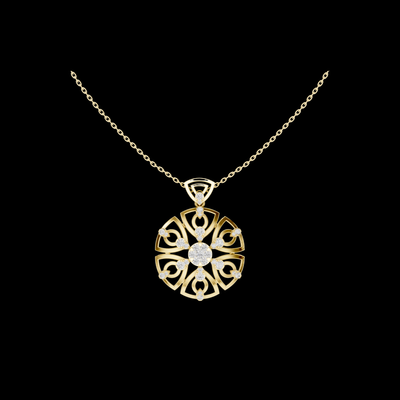
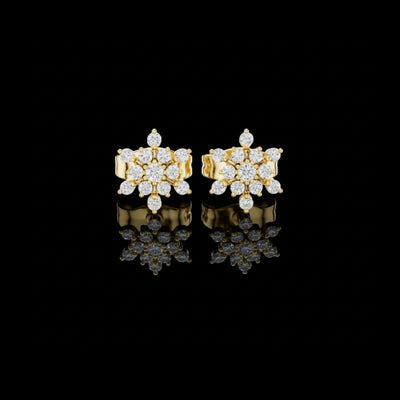
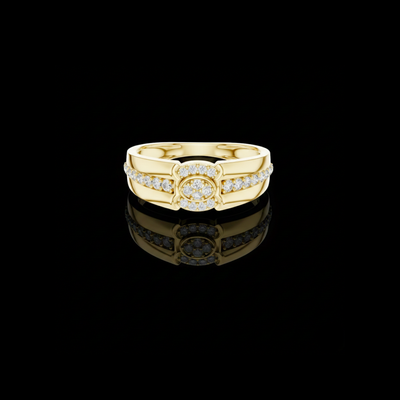
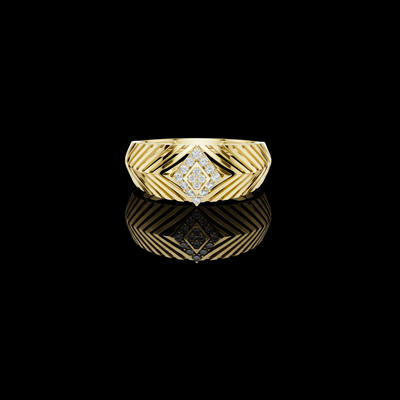
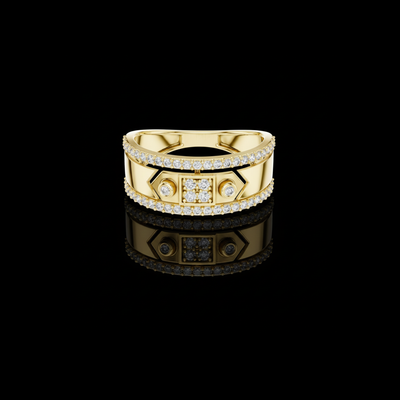
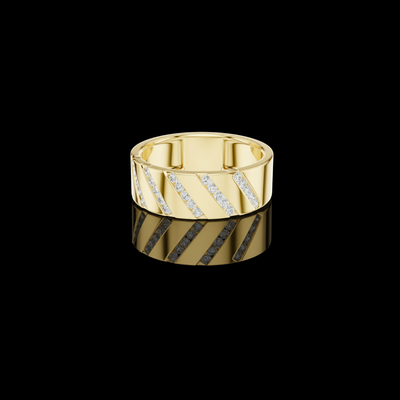
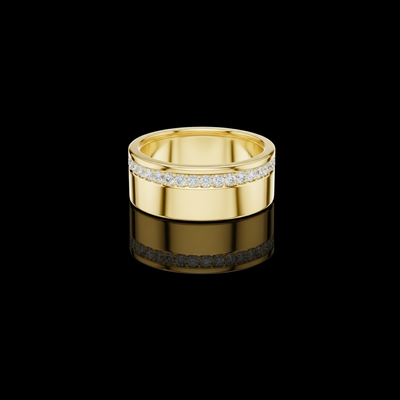
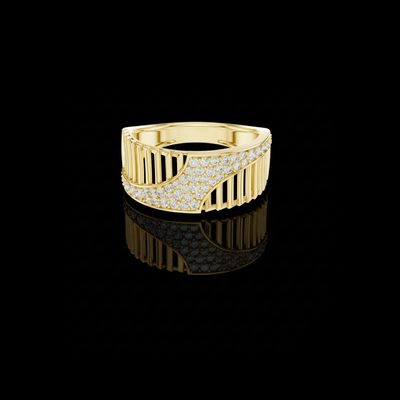
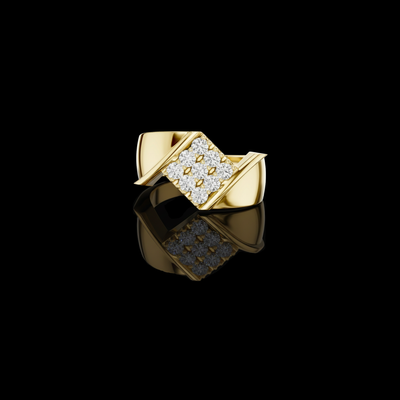
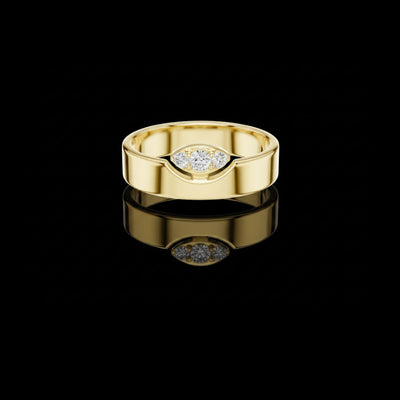
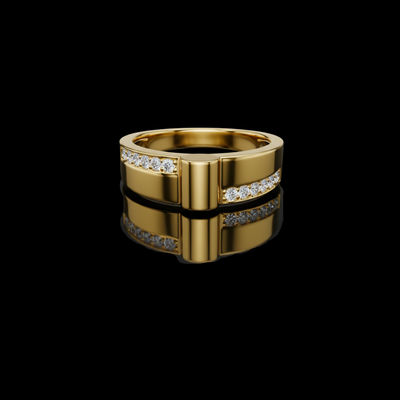
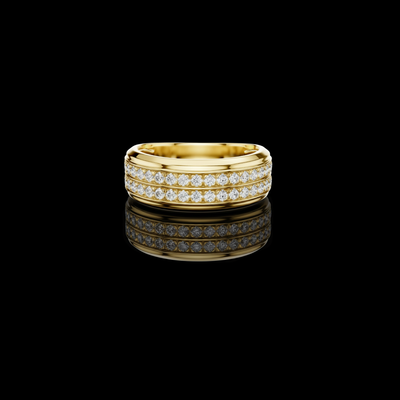
Shop the styles in this guide

Does Lab Diamond vs Moissanite Change Where You Buy?
Not much, but it changes what you check. Lab diamonds are graded on the 4Cs by labs such as IGI and GIA, so a report is the key document. Moissanite, which is silicon carbide with a hardness of 9.25 and a refractive index of about 2.65, is usually sold by size and color without diamond grading, so the seller's description and photos carry more weight. Whichever you buy, online or in store, the stone should be named clearly on the listing and the receipt.
Who Each Option Suits Best
| Shopper | Usually best served by |
|---|---|
| Knows the exact shape, size and metal | Online, for choice and easy comparison |
| Has never tried on rings | Local first, then decide where to buy |
| Wants a custom or made to order design | Either, as long as you approve the design before production |
| Needs a piece within days | Local, if the piece is in stock |
| Lives far from a jeweler with lab diamonds | Online, with a careful size measurement |
Comparing Prices Fairly
A lower price is only meaningful if you are comparing the same thing. Before deciding one option is cheaper, check that the two pieces match on:
- Stone grades and whether the stone has a grading report.
- Carat weight and millimeter measurements.
- Metal type and karat, and the weight or thickness of the band.
- Number and quality of side stones in halos and pave bands.
- Everything added at checkout: taxes, shipping, insurance and any fees.
- Services included, such as cleaning or resizing, and what they would cost separately.
Shipping and Returns: What to Check Anywhere You Buy
Online and local sellers set their own terms, so read them before you pay rather than assuming. For an online order, check whether the parcel is insured in transit and needs a signature, how long production and shipping take, and how returns work, including who pays return shipping and whether made to order or engraved pieces are treated differently. In a store, ask whether the sale is final, whether exchanges are allowed, and how long you have.
Once the piece is yours, arrange your own insurance. Our guide on whether to insure a lab grown diamond ring explains the options.
Pieces That Are Easiest to Buy Online
Some jewelry is simpler to buy online than others, because fit and scale are easier to judge from photos and measurements.
- Stud earrings: no sizing, and carat weight and millimeter size translate well. Browse stud earrings.
- Pendants: chain length is easy to choose with a tape measure. See lab diamond pendants.
- Solitaire rings: a simple setting makes the stone's measurements the main decision. Explore lab diamond solitaire rings.
- Eternity bands: straightforward online if you know your exact size, since full eternity bands are hard to resize. Look at lab diamond eternity rings.
Complex custom designs work well online too, as long as the seller shares a design for approval and you review it carefully. Our guide on how to buy a loose lab grown diamond and set it covers that process.
Mistakes to Avoid With Either Option
- Judging stones under showroom spotlights alone. Look in daylight or ask for natural light video.
- Buying without a report for a larger stone. A report protects you in both channels.
- Guessing the ring size. Get measured locally or follow a careful home method.
- Comparing prices that are not like for like. Match grades, metal and total cost.
- Skipping the written terms. Get return, exchange and service terms in writing.
- Forgetting aftercare. Plan who will clean and check the piece over time.
Your Decision Checklist
- Decide how sure you are about shape, setting and size.
- If unsure, try styles and get sized at a local jeweler.
- Set minimum grades and a total budget.
- Compare certified stones online and in store on the same terms.
- Verify the grading report for the stone you choose.
- Read shipping, return and service terms before paying.
- Inspect the piece on delivery or pickup.
- Arrange insurance and a care routine.
Caring for Your Piece Wherever You Buy
Lab grown diamonds do not get cloudy, change color or lose their sparkle; dullness comes from oil, lotion and dirt. Clean at home with warm water, a drop of mild soap and a soft brush, and have prongs checked once or twice a year. A local jeweler can do the checks for a piece bought online. Our jewelry care guide covers cleaning by metal.
Shop at Ivevar


FAQ
Are lab grown diamonds cheaper online?
Often yes, because online sellers have lower overheads.
Can a local jeweler service a ring bought online?
Most can resize, clean and inspect jewelry bought elsewhere, sometimes for a fee.
What matters most when buying anywhere?
Clear disclosure, a grading report and written policies.
Is it safe to buy lab grown diamonds online?
Yes, if the seller discloses the stone clearly, shares full specifications and publishes its policies before you pay.
Can a local jeweler tell if my diamond is lab grown?
Not by eye or with a standard thermal diamond tester, which reads lab diamonds as diamond. Identifying a stone as lab grown takes advanced lab equipment, or a matching report and laser inscription.
Should I get sized at a local jeweler before buying online?
It is a good idea if you are unsure of your size or are buying a wide band. Professional sizing is quick and reduces the chance of needing an exchange.
Is buying online better for larger stones?
Online inventories make it easier to compare larger certified stones by grade and measurement. Insist on a verifiable report and a video of the actual stone.
Can I see a lab diamond in person before buying online?
You can visit a local store to see lab diamonds of a similar shape and size, then compare specifications online. Some online sellers also offer video consultations.


