

 Engagement Rings
 Anniversary Rings
 Solitaire Rings
 Halo Rings
 Toi Moi Rings
 Three Stone Rings
 Nature Inspired Rings
 Rose Cut Rings
 Fancy Color Rings
 Antique Cut Rings
 Wedding Rings
 Wedding Band Rings
 Exclusive Lab Grown Diamond Rings
 All Lab Grown Diamond Ring
 Engagement Rings
 Three Stone Rings
 Fancy Color Rings
 Antique Cut Rings
 Daily Wear Rings
 Wedding Band Rings
 Exclusive Moissanite Rings
 Earrings
 Bracelet
 Pendant
 Necklace
 Men's Ring
 Bridal Sets
 Rings
 Earrings
 Tennis chain
 Cuban Chains
 Custom Pendant
 Custom Ring
 Custom Teeth Grillz
 Round
 Oval
 Cushion
 Marquise
 Pear
 Emerald
 Heart
 Princess
 Rose Cut
 Radiant
 Antique Cut
 Brooch
 Cufflink
 Keychain
 Unique Products
 +91-9265051773
 Virtual Appointment
 log in




How to Buy a Loose Lab Grown Diamond and Set It
by Aumsri Pradhan on Sep 28, 2026
Quick answer: Buying a loose lab grown diamond means you choose the exact stone first, check its IGI report, and then have it set in the ring, pendant or earrings you want. The process is simple: pick your shape and budget, compare certified stones, confirm the report, choose a setting that fits the stone's size, and approve the design before it is made.
This route gives you the most control over quality and value. Here is the step-by-step process.
Shop the styles in this guide


Why Buy a Loose Diamond?
- You pick the exact stone. You see its grades, measurements and photos before it is set.
- You control the budget. Decide how much goes into the diamond and how much into the setting.
- You can go custom. Any shape, any setting style, any metal.
When a Loose Stone Is Not the Best Route
Buying loose is not always the right call. If you need a piece quickly, want a design that only works with a matched set of small stones, or simply love a finished ring exactly as it is, a ready design is often easier. Pave bands, eternity rings and tennis styles are built from many small diamonds, so there is no single center stone to choose.
The loose route pays off most when the center diamond is the main event: engagement rings, solitaire pendants, statement studs and fancy color stones where every individual stone looks different.
Step 1: Choose Your Shape
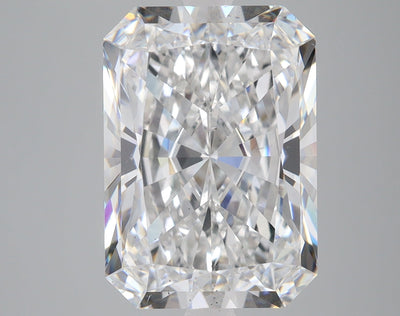
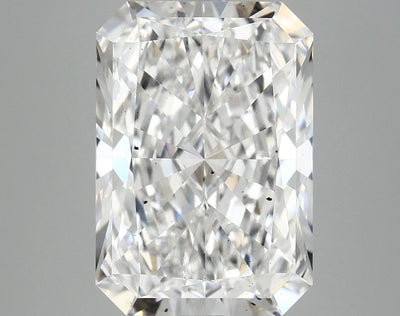
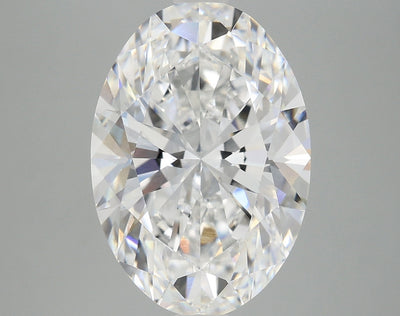
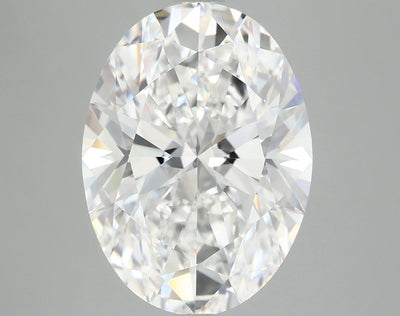
Shape sets the whole look. Round gives maximum sparkle; oval, pear and marquise look larger; emerald feels elegant; cushion and radiant give a soft or bright square. See our best shape for your budget guide.
Check the Outline, Not Only the Shape Name
Two stones with the same shape name can look very different. With a loose stone you can see the outline before it is set, so use that advantage:
- Length-to-width ratio: it tells you how long or chunky an oval, pear, marquise, emerald or radiant will look. The listing or report measurements let you work it out by dividing length by width.
- Bow tie: elongated brilliant shapes can show a dark band across the middle. Look at a video, not only a still photo. Our oval ratio and bow tie guide shows what to look for.
- Shoulders and symmetry: pears and ovals should look even on both sides, with smooth curves rather than flat or bulging sides.
- Corners: square and rectangular shapes with sharp corners need corner prongs; cut corners, as on radiant and emerald cuts, are less exposed.
Step 2: Set Your Priorities
| Priority | Our recommendation |
|---|---|
| Cut | Top cut grade for rounds; Excellent polish and symmetry for all shapes |
| Color | G or better in white metal; H works in yellow or rose gold |
| Clarity | VS2 for brilliant cuts; VS1 for emerald and Asscher |
| Carat | Whatever fits your budget once the above are met |
How to Compare Loose Stones Side by Side
Once you have a shortlist, line up the stones with the same information for each one. A simple comparison catches differences that grades alone hide.
- Face-up size: compare length and width in millimeters. A slightly lighter stone with a better spread can look the same size as a heavier one.
- Depth and table: very deep stones carry weight underneath where you cannot see it, while very shallow stones can look glassy and lack brilliance.
- Video in natural light: a turning video shows brightness, contrast and any dark areas better than a single studio photo.
- Location of inclusions: a mark near the edge, which a prong may cover, is better than one in the center of the table.
- Girdle thickness: an extremely thin girdle is more prone to chipping, which matters most for pointed shapes.
If you want to see what a given size looks like on the hand before you commit, our guide to lab grown diamond carat size on the hand is a useful reference.
Step 3: Check the Certificate
Every center stone should come with an independent report, usually from IGI. Confirm that the carat, measurements and grades on the report match the listing, verify the report number on the lab's website, and note any growth method or treatment listed.
Report Red Flags
- The listing shows a report number, but the report itself is not available to view.
- The carat weight or measurements on the report do not match the listing exactly.
- The report comes from a lab you cannot find or verify online.
- The listing describes grades more generously than the report does, for example calling a VS2 stone "near flawless."
- The stone is described as a diamond, but the report says it is a simulant or different material.
Lab diamonds are chemically, physically and optically diamond, so they pass standard thermal diamond testers. That is exactly why the report and its matching laser inscription matter: they are how you confirm that the stone in your hand is the one you paid for.
Step 4: Match the Setting to the Stone
A setting is built around the stone's exact measurements, not only its carat weight. A good jeweler will design the prongs or bezel to fit your diamond precisely.
- Pointed shapes like pear and marquise need V-prongs to protect their tips.
- Large stones above 2 carats benefit from six prongs or a bezel.
- Colored diamonds often look best framed by a white diamond halo.
Setting Styles That Show Off a Loose Stone
- Solitaire ring: the purest showcase for a center stone you chose carefully. Browse lab diamond solitaire rings for setting ideas.
- Halo or hidden halo: adds sparkle and visual size around the center, useful if the stone is a little smaller than you hoped.
- Three stone: lets you pair your center stone with matched side stones in a contrasting shape, such as an oval with pears.
- Toi et moi: two center stones side by side, often in two different shapes or colors. See toi et moi rings.
- Pendant: a loose stone can also become a solitaire necklace, which is a lower-wear way to enjoy a larger diamond. Explore lab diamond pendants.
- Stud earrings: for studs, ask for two stones matched in size, color and shape so they look like a pair.
Choose the Metal for the Stone
Ivevar pieces are made in 925 sterling silver or 10K to 18K gold. White metal suits colorless stones and makes them look crisp. Yellow and rose gold flatter warmer stones and fancy color diamonds, and they can make a G or H stone appear whiter by contrast. For a ring worn every day, 14K gold is a balanced choice; 10K is harder, and 18K has a richer color but is softer.
You can also mix metals: some buyers choose white prongs on a yellow gold band so a colorless center stone does not pick up a yellow reflection.
Ring Size and Finger Coverage
Because a custom piece is made to order in your size, get the size right before production. Measure late in the day, and size up slightly for wide bands. Our ring size chart explains how to measure at home. Also consider finger coverage: a long oval or marquise on a slim finger can extend past the sides, which some people love and others find impractical.
 Shown: 4.99 Ct IGI Round Brilliant Cut Lab Grown Diamond for Ring or Pendant
Step 5: Approve the Design
At Ivevar, we send you a CAD design of your piece before production begins, so you can check proportions, prong style and metal color. Once you approve, we cast, set and polish the piece by hand, then share photos or a video before it ships.
What to Check in a CAD Design
A CAD rendering is your last chance to change the design cheaply, so review it carefully:
- Prong count and shape, and whether every point or corner of the stone is protected.
- Height of the setting from the finger, and whether a wedding band can sit flush beside it.
- Band width and thickness at the bottom of the shank, where rings wear thin first.
- Size and placement of any side stones or halo relative to the center.
- Metal color for the band, head and prongs.
Step 6: Inspect Your Piece When It Arrives
When the finished piece arrives, check it before you wear it daily. Look at the center stone from several angles in natural light, and use a phone camera zoom or a loupe to find the laser inscription if the stone has one. Make sure the stone does not move when you gently press it, and that the prongs are even and smooth enough not to snag on fabric.
Keep the grading report, any photos you received and your order details together. You will want them for insurance, an appraisal or any future work on the piece.
Loose Diamond vs Ready-Made Ring
| Loose diamond + setting | Ready-made ring | |
|---|---|---|
| Control over the stone | Full | Limited |
| Customization | Any design | Set designs |
| Speed | Takes production time | Faster |
| Best for | Engagement rings, special pieces | Gifts, simpler styles |
What Drives the Total Cost
With a loose stone, the total is the sum of two parts, and it helps to think about them separately.
| Part | What raises the cost | Where you can save |
|---|---|---|
| Center diamond | Larger carat weight, top color and clarity, round shape, strong cut | G to H color, VS2 clarity, fancy shapes, weights just under round numbers |
| Setting | Halos, pave, hidden details, higher karat gold, heavier bands | Simple solitaire heads, a plain band, 10K or 14K gold |
| Custom work | Complex engraving, unusual shapes, multiple design revisions | Starting from an existing design and adjusting it |
A common approach is to decide on a total budget, then give the diamond the larger share and keep the setting simple. A clean solitaire can always be paired with a decorative band later.
Shop the styles in this guide


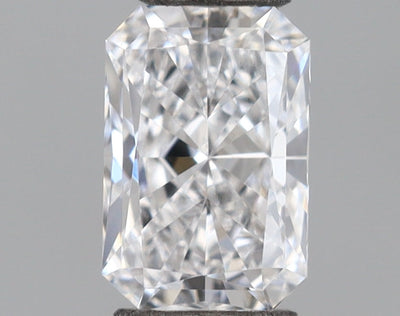

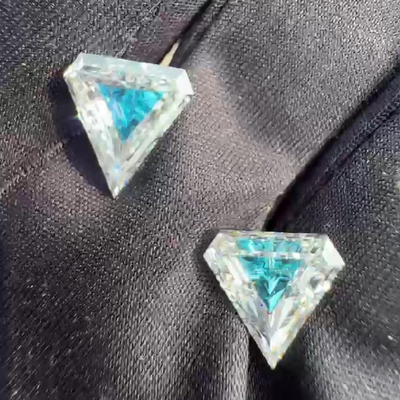
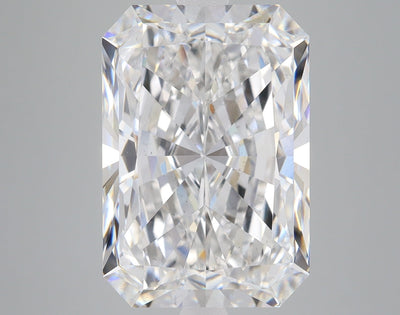


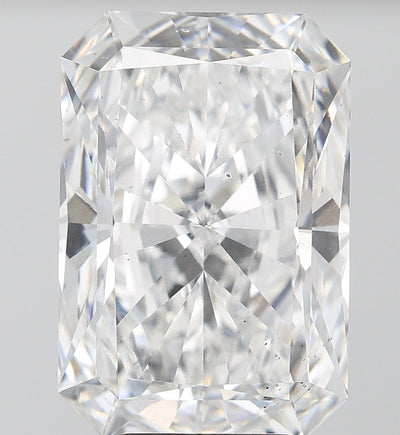



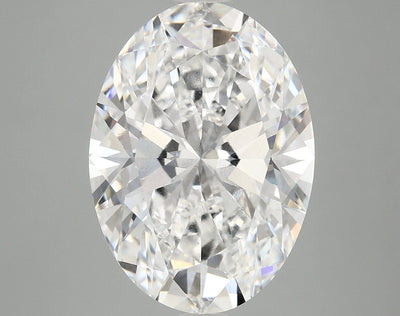
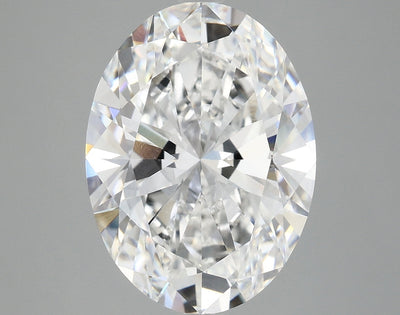
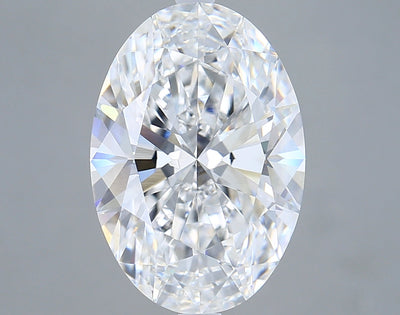
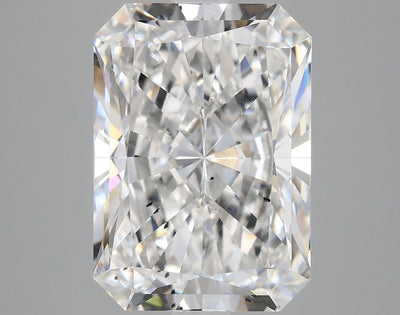
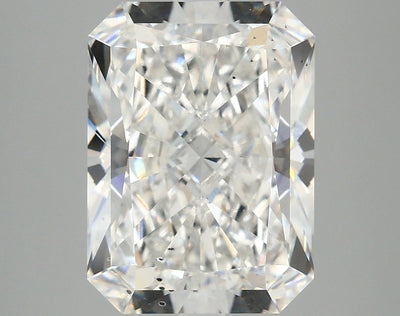
Buying a Fancy Color Loose Lab Diamond
Pink, blue, green and yellow lab diamonds are a natural fit for the loose route, because no two stones show exactly the same color. The grading report describes color with an intensity term such as Fancy, Fancy Intense or Fancy Vivid, and a hue such as pink or greenish blue.
- Judge color on video in daylight: studio lighting can make color look stronger or cooler than it will look on the hand.
- Read the full color description: a modifier such as grayish or brownish changes the look, so read the whole phrase, not just the main hue.
- Weigh clarity less heavily: strong color draws the eye, so small inclusions are often harder to see than in a colorless stone.
- Plan the metal around the hue: yellow gold warms pink and yellow stones, while white metal keeps blue and green stones looking cool and clean.
Fancy color lab diamonds have the same hardness as colorless ones, so they are just as suitable for daily wear.
Lab Diamond or Moissanite as a Loose Center Stone?
Some shoppers comparing loose stones also look at moissanite. They are different materials: a lab diamond is carbon with a hardness of 10 and a refractive index of about 2.42, while moissanite is silicon carbide with a hardness of 9.25 and a refractive index of about 2.65, which gives it more colorful fire. Lab diamonds are graded on the 4Cs by labs such as IGI and GIA; moissanite is usually sold by size and color. Our moissanite vs lab grown diamond vs diamond page compares them in detail.
Mistakes to Avoid When Buying Loose
- Buying the stone before thinking about the setting. A very deep stone may need a taller setting than you want.
- Trusting photos alone. Ask for a video and check the report measurements.
- Chasing the top grades. D color and internally flawless clarity cost more but look the same once set.
- Skipping the CAD review. Small changes are easy at the design stage and hard after casting.
- Forgetting the second stone. For earrings or a toi et moi ring, buy stones as a matched pair.
- Not checking the seller's terms. Before you pay, read how the seller ships, whether the parcel is insured in transit, and what their return terms say about custom work.
Loose Diamond Buying Checklist
- Choose a shape and decide on a total budget for stone and setting.
- Set minimum grades for cut, color and clarity.
- Shortlist stones and compare millimeter measurements, depth and table.
- Watch a video of each finalist in natural light.
- Verify the report number online and match every detail to the listing.
- Pick a setting style and metal that protect the stone's shape.
- Measure ring size properly.
- Review the CAD design line by line before approving.
- Read the seller's shipping, insurance and return terms.
- Inspect the finished piece and file the report safely.
If you are buying from a seller in another state or country, our guide to buying lab grown diamonds online in the USA covers what to check before you order.
Who Should Buy a Loose Lab Diamond?
This route suits buyers who care about the specific stone: people who want to compare reports, choose an exact ratio or color, or design a one of a kind ring. It also suits anyone buying a fancy color lab diamond, where each stone has its own tone and saturation.
If you would rather not compare measurements and reports, a ready design with a pre-selected center stone can still give you a beautiful result with fewer decisions.
Caring for a Newly Set Diamond
Lab diamonds do not get cloudy or lose their sparkle, but skin oil and lotion on the back of the stone will make it look dull. Soak the piece in warm water with a drop of mild dish soap, brush gently behind the stone with a soft toothbrush, rinse and pat dry. Have the prongs checked once or twice a year, especially on rings worn daily. Our jewelry care guide has more detail by metal type.
Shop Loose Lab Grown Diamonds at Ivevar
Our IGI-certified loose lab grown diamonds can be set into any design in our Surat workshop, and everything ships free worldwide, with 30-day easy returns. Browse all loose lab grown diamonds or explore custom rings.
Shop Loose Lab Grown Diamonds
 4.99 Ct Round Brilliant, IGIShop Now
 3.59 Ct Pear, Vivid PinkShop Now
 3.51 Ct Pear, Vivid GreenShop Now
 1.45 Ct Marquise, Vivid BlueShop Now
 2.00 Ct Emerald, Vivid GreenShop Now
 3.13 Ct Oval, Fancy ColorShop Now
Swipe to see more → | View all loose lab grown diamonds
Frequently Asked Questions
Is it cheaper to buy a loose diamond and set it?
It can be, because you control each cost. It also lets you put more budget into the stone.
Can I use my own setting design?
Yes. Send us photos or a sketch and we will create a CAD design around your chosen stone.
How long does a custom setting take?
It depends on the design. We confirm timing with your CAD approval.
Is a loose lab grown diamond certified?
Our center-stone loose diamonds come with IGI reports that you can verify online.
Should I choose the stone or the setting first?
Choose the stone first if the diamond matters most to you, then design the setting around its measurements. If you already love a specific setting, check which shapes and size ranges it is designed for before you shortlist stones.
Can a loose lab diamond be set in a ring I already own?
Often yes, if the existing head fits the stone's shape and millimeter size. A jeweler may need to replace the head or prongs so the new stone sits securely.
Will a jeweler know my loose diamond is lab grown?
Not by eye or with a standard diamond tester, which reads lab diamonds as diamond. They can identify it from the grading report, the laser inscription or advanced lab equipment.
Is CVD or HPHT better for a loose stone?
Neither is better by default. Both produce real diamonds, so judge each stone by its report grades, measurements and how it looks on video.
What clarity is safe for an emerald cut loose diamond?
Step cuts show inclusions more easily because of their open facets, so VS1 or better is a sensible starting point for emerald and Asscher cuts.
The Bottom Line
Buying a loose lab grown diamond gives you full control: choose the stone, verify its report, and build the setting around it. Approve the design first, and you will get exactly the piece you imagined.
Related Guides
- How to buy a lab grown diamond: a simple buying guide
- Engagement ring settings explained
- IGI vs GIA certificate for lab grown diamonds
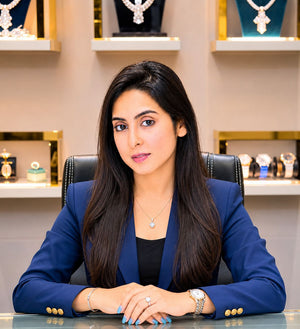
Author Bio
Aumsri Pradhan
Founder, Ivevar Luxury
Aumsri Pradhan is the founder of Ivevar Luxury, a Surat-based fine jewelry brand that designs and handcrafts lab grown diamond and moissanite jewelry in its own workshop. She leads the brand's design and customer experience, from engagement rings and bridal sets to custom pieces made to each client's story. Through the Ivevar blog, she shares practical guidance on lab grown diamonds, moissanite, diamond grading and ring design to help buyers choose with confidence.


