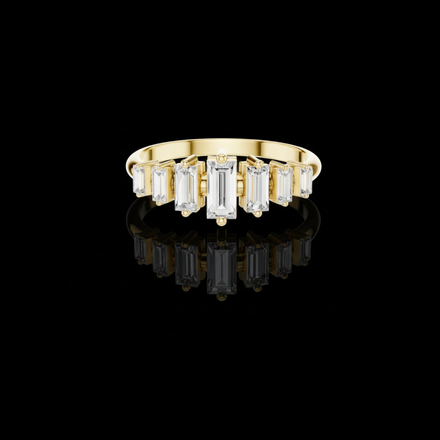
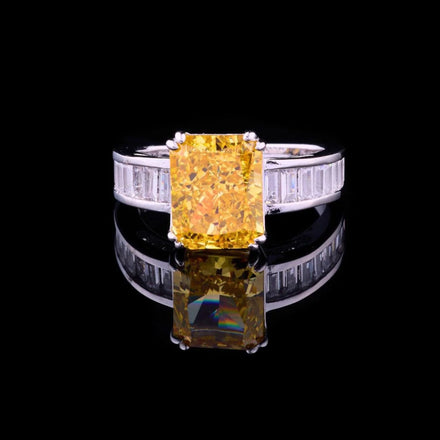
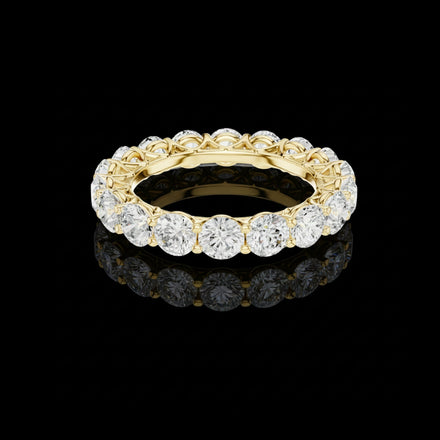
Engagement Rings
 Anniversary Rings
 Solitaire Rings
 Halo Rings
 Toi Moi Rings
 Three Stone Rings
 Nature Inspired Rings
 Rose Cut Rings
 Fancy Color Rings
 Antique Cut Rings
 Wedding Rings
 Wedding Band Rings
 Exclusive Lab Grown Diamond Rings
 All Lab Grown Diamond Ring
 Engagement Rings
 Three Stone Rings
 Fancy Color Rings
 Antique Cut Rings
 Daily Wear Rings
 Wedding Band Rings
 Exclusive Moissanite Rings
 Earrings
 Bracelet
 Pendant
 Necklace
 Men's Ring
 Bridal Sets
 Rings
Rings
 Earrings
 Tennis chain
 Cuban Chains
 Custom Pendant
 Custom Ring
 Custom Teeth Grillz
 Round
Round
 Oval
Oval
 Cushion
 Marquise
 Pear
Pear
 Emerald
 Heart
Heart
 Princess
 Rose Cut
 Radiant
 Antique Cut
 Brooch
 Cufflink
 Keychain
 Unique Products
 +91 9265051773
 Virtual Appointment
 log in




Short answer: Polished (high-shine mirror) finishes are the classic choice — reflective, eye-catching, and easy to restore. Brushed (satin/matte) finishes are the modern choice — understated, fingerprint-resistant, and better at hiding the fine scratches of daily wear. Neither is more durable; the difference is purely how the surface handles light and shows wear. Many couples mix them: polished edges with a brushed center, or his brushed and hers polished.
- ✓ Polished = mirror shine. Maximum reflectivity and classic bridal brilliance.
- ✓ Brushed = soft satin. Understated, modern, and forgiving of daily scratches.
- ✓ Brushed hides wear better. Fine scratches blend into the texture instead of marring a mirror.
- ✓ Polished is easier to restore. Any jeweler can repolish to new in minutes; rebrushing needs matching.
- ✓ Mixing finishes is trending. Brushed centers with polished edges give you both personalities.
What Each Finish Actually Is
A polished finish is metal buffed to a mirror — perfectly smooth at a microscopic level, so light reflects cleanly and the ring gleams. It is the default finish of nearly every classic wedding band and engagement ring: what you picture when you picture "gold ring." A brushed finish (also called satin or matte) is metal textured with thousands of microscopic parallel lines, usually applied with a fine abrasive brush or wheel. The lines scatter light instead of reflecting it, producing a soft, velvety glow rather than a shine.
Between them sit a family of related textures: satin (a finer, silkier brushing), sandblasted matte (an even, non-directional frost), Florentine (fine crosshatched lines, an old-world hand texture), and hammered (dimpled facets that catch light in a rustic, artisanal way). All of them are surface treatments on the same metal — they change nothing about the ring's structure, weight, or durability.
How They Wear: Scratches, Shine, and Fingerprints
This is where the finishes genuinely differ in daily life. A polished band shows everything: every fine scratch appears as a bright line across the mirror, fingerprints smudge visibly, and within months of daily wear the mirror dulls to a soft glow — still attractive, but no longer the showroom shine. The consolation: a jeweler restores a polished band to brand-new in minutes with a buffing wheel, cheaply and easily, as often as you like.
A brushed band is the low-maintenance introvert. Fine scratches disappear into the existing texture — the finish essentially camouflages daily wear — and fingerprints barely register. But brushed finishes have their own aging: the texture slowly polishes smooth in high-contact areas (the palm side first), developing shiny patches that look uneven. Restoring a brushed finish means re-applying the texture to match the original grain direction and coarseness — a skilled job, and harder to do perfectly than a simple repolish.

Style: Which Suits You
Choose polished if: you love classic bridal brilliance, you want maximum light return (especially beside diamonds — polished metal amplifies their fire), you prefer a ring that looks "dressed up" even alone, or you like the ritual of an annual repolish that makes the ring feel new again. Polished is also the safer choice for traditional ceremonies and conservative workplaces.
Choose brushed if: you prefer understated, modern jewelry, you work with your hands and want wear to stay invisible, fingerprints drive you mad, or you love the soft contrast of matte metal against sparkling stones. Brushed finishes are the favorite of grooms who find mirror-shine rings too flashy — a brushed 6mm band reads masculine and contemporary without trying.
Neither finish is gendered in any real sense — plenty of brides choose brushed and plenty of grooms choose polished — but the cultural associations are real enough to mention so you can follow or defy them deliberately.
The Best of Both: Mixed-Finish Designs
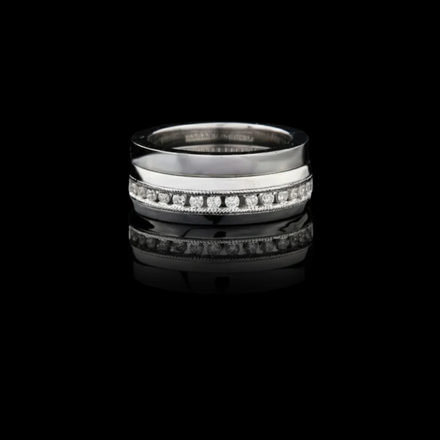
The most interesting bands of 2026 refuse to choose. Brushed centers with polished edges (or the reverse) create a two-personality ring: the matte middle stays calm while the bright rails catch light — and the polished edges visually slim the band. Brushed bands with polished grooves or inlays add jewelry-like detail to an understated base. Two-tone mixed finishes — brushed yellow gold beside polished white — layer color contrast on texture contrast.
Mixed finishes also solve the couple's disagreement elegantly: matching bands where his is brushed and hers is polished (or vice versa) share the same design DNA while honoring different tastes. Just note that mixed-finish bands cost slightly more to refinish, since each texture must be restored separately.

| Factor | Polished | Brushed / satin |
|---|---|---|
| Look | Mirror shine, maximum reflectivity | Soft satin glow, understated |
| Scratch visibility | Shows fine scratches clearly | Hides scratches in the texture |
| Fingerprints | Very visible | Barely visible |
| Restoration | Quick, cheap, perfect repolish | Needs grain-matched rebrushing |
| Beside diamonds | Amplifies stone fire | Soft contrast, modern look |
| Style signal | Classic, traditional, dressy | Modern, understated, masculine-leaning |
Maintenance Schedules Compared
Polished bands: expect the showroom mirror to soften within 3–6 months of daily wear. Most owners repolish yearly (often free with a jeweler's service plan) and are delighted each time. Between polishes, a soft cloth restores much of the gleam. Brushed bands: the finish stays convincingly intact for a year or more, then shiny wear patches appear on the palm side. Rebrushing every 1–2 years keeps it even — ask the jeweler to match the original grain, and accept that a rebrushed band is a refresh, not a factory reset.
One practical tip for either finish: remove your ring for heavy hand work, and it will look new for years. Keep it on for everything, and budget the small maintenance either finish needs. There is no finish that survives daily life untouched — only finishes that age gracefully or ungracefully.
Shop Our Best Sellers


Swipe to see more → | View all best sellers
Frequently Asked Questions
What is the difference between brushed and polished wedding bands?
Polished bands are buffed to a mirror shine; brushed (satin) bands are textured with fine lines that scatter light into a soft glow. Same metal, same durability — purely a difference in how the surface handles light and shows wear.
Which finish is more durable?
Neither — the finish is only surface-deep and doesn't change the metal's strength. Brushed finishes hide daily scratches better, while polished finishes are easier to restore to like-new.
Do brushed wedding bands wear off?
The texture slowly smooths in high-contact areas over a year or more, developing shiny patches. A jeweler can re-apply the brushed texture to match the original grain.
Are polished rings high maintenance?
Only cosmetically — the mirror dulls within months of daily wear, but a yearly repolish (often free with service plans) restores it completely in minutes. A soft cloth handles day-to-day smudges.
Can I get a band with both finishes?
Yes — brushed centers with polished edges (or vice versa) are a major trend. You get the calm of matte with the light-catching rails, though refinishing costs slightly more since each texture is restored separately.
Which finish is better for men's wedding bands?
Brushed is the most popular choice for grooms — understated, modern, and forgiving of an active lifestyle. But plenty of men choose polished; it comes down to whether you like shine or prefer it muted.
Does the finish affect the price?
Minimally. Brushed, satin, and polished finishes cost about the same on a new band. Mixed-finish designs cost slightly more for the extra labor, and refinishing mixed textures costs more than a simple repolish.
Sources

Aumsri Pradhan is the founder of Ivevar Luxury, a Surat-based fine jewelry brand that designs and handcrafts lab grown diamond and moissanite jewelry in its own workshop. She leads the brand's design and customer experience, from engagement rings and bridal sets to custom pieces made to each client's story. Through the Ivevar blog, she shares practical guidance on lab grown diamonds, moissanite, diamond grading and ring design to help buyers choose with confidence.