

 Engagement Rings
 Anniversary Rings
 Solitaire Rings
 Halo Rings
 Toi Moi Rings
 Three Stone Rings
 Nature Inspired Rings
 Rose Cut Rings
 Fancy Color Rings
 Antique Cut Rings
 Wedding Rings
 Wedding Band Rings
 Exclusive Lab Grown Diamond Rings
 All Lab Grown Diamond Ring
 Engagement Rings
 Three Stone Rings
 Fancy Color Rings
 Antique Cut Rings
 Daily Wear Rings
 Wedding Band Rings
 Exclusive Moissanite Rings
 Earrings
 Bracelet
 Pendant
 Necklace
 Men's Ring
 Bridal Sets
 Rings
 Earrings
 Tennis chain
 Cuban Chains
 Custom Pendant
 Custom Ring
 Custom Teeth Grillz
 Round
 Oval
 Cushion
 Marquise
 Pear
 Emerald
 Heart
 Princess
 Rose Cut
 Radiant
 Antique Cut
 Brooch
 Cufflink
 Keychain
 Unique Products
 +91-9265051773
 Virtual Appointment
 log in




Diamond Carat Size Chart: Real Millimeter Sizes on a Finger
by Aumsri Pradhan on Sep 29, 2026

Short answer: A well-cut 1 carat round diamond measures about 6.5 mm across. A 0.50 carat is about 5.2 mm, a 1.50 carat about 7.4 mm, a 2 carat about 8.1 mm and a 3 carat about 9.3 mm. Exact sizes vary with cut proportions, so always check the measurements on the grading report.
Carat weight is the number everyone talks about, but millimeters are what you actually see on a finger. This guide turns carats into real sizes, explains why a 2 carat stone does not look twice as big as a 1 carat, shows how fancy shapes measure up, and helps you choose a size that suits your hand, your lifestyle and your budget.
Round Diamond Size Chart
These are typical diameters for well-cut round brilliant diamonds. A stone cut deeper than usual will measure a little smaller, and one cut shallower a little larger.
| Carat | Approx. diameter | How it reads on the hand |
|---|---|---|
| 0.25 ct | 4.1 mm | Delicate, minimal |
| 0.50 ct | 5.2 mm | Dainty, everyday |
| 0.75 ct | 5.8 mm | Noticeable, refined |
| 1.00 ct | 6.5 mm | Classic engagement size |
| 1.25 ct | 6.9 mm | Slightly fuller presence |
| 1.50 ct | 7.4 mm | Clearly substantial |
| 2.00 ct | 8.1 mm | Bold statement |
| 2.50 ct | 8.8 mm | Covers much of a slim finger |
| 3.00 ct | 9.3 mm | Dramatic |
| 4.00 ct | 10.2 mm | Very large, cocktail-ring scale |
To picture these sizes, it helps to know that a standard pencil eraser is roughly 6 to 7 mm across, about the width of a 1 carat round. Printing a true-to-scale chart and holding it against your finger is even better.
How to Read the Chart
The diameter in the chart is the width of the stone measured across the top, from one edge of the girdle to the other. This is the number that tells you how big a round diamond looks face up. Carat weight, on the other hand, measures mass: one carat equals 0.2 grams.
Because a diamond's volume grows in three dimensions, adding weight increases the diameter more slowly than you might expect. That is why each step up in carats adds less visible width than the last. Going from 0.50 to 1.00 carat adds about 1.3 mm of diameter, while going from 2.00 to 3.00 carats adds only about 1.2 mm, even though it adds a whole carat of weight.
Why 2 Carats Is Not Twice the Size
A 2 carat round weighs twice as much as a 1 carat, but its diameter grows from about 6.5 mm to 8.1 mm. The top surface, which is what you see, grows by only about 55%. Much of the extra weight goes into depth, which you do not see from above. Keep this in mind when you compare prices, since cost rises much faster than visible size.
Depth and Spread
Every report lists a depth percentage, which compares the stone's depth with its width. For a round brilliant, a depth of roughly 59 to 63 percent is typical of a well-proportioned stone. A round with a much higher depth carries extra weight underneath and faces up smaller than the chart suggests; one with a much lower depth may look wide but can lose brightness. If two stones weigh the same, the one with the larger diameter and a sensible depth is the better buy for visible size.
Why Size Isn't Only Carat
- Cut proportions: a deep-cut diamond hides weight underneath and looks smaller from the top.
- Shape: oval, pear and marquise look larger than a round of the same weight.
- Finger size: the same diamond looks bigger on a slimmer finger.
- Setting: halos and thin bands make the center stone look larger.
- Brightness: a well-cut, clean diamond returns more light and simply reads as bigger than a dull one.
Fancy Shapes Are Measured Differently
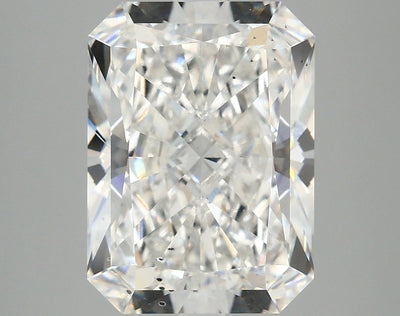
Oval, pear, marquise, emerald and radiant stones are described by length and width, such as a measurement written as length by width in millimeters. Two fancy shapes of the same carat weight can have quite different outlines depending on how long and slim they are cut. When comparing fancy shapes, look at both numbers and the length-to-width ratio rather than relying on the carat weight alone.
The table below gives typical measurements for well-cut stones. Real stones vary with their proportions, so treat these as a guide and confirm the exact size on the certificate.
| Shape | 1 carat (approx.) | 2 carat (approx.) |
|---|---|---|
| Oval | 7.7 × 5.7 mm | 9.7 × 7.2 mm |
| Pear | 8.5 × 5.5 mm | 10.7 × 6.9 mm |
| Marquise | 10 × 5 mm | 12.6 × 6.3 mm |
| Emerald | 7 × 5 mm | 8.8 × 6.3 mm |
| Cushion | About 5.8 mm | About 7.3 mm |
| Princess | About 5.5 mm | About 6.9 mm |
Notice how a 1 carat marquise is around 10 mm long, longer than a 3 carat round is wide, while a 1 carat princess is narrower than a 1 carat round. Shape changes the visible size as much as weight does. Browse our lab diamond rounds and compare them with elongated shapes to see the difference.
How Finger Size Changes the Look
The same stone covers more of a slim finger than a wide one, so it reads as larger. On a smaller ring size, even a modest carat weight can look generous. On a larger ring size, you may want a slightly bigger stone or an elongated shape to keep the proportions balanced. If you are not sure of your size, check our ring size chart before you choose.
A practical way to judge this is to compare the stone's width with the width of your finger. When a round stone covers about a third of the finger's width, it looks balanced and classic. When it covers half or more, it looks bold. Elongated shapes also cover more of the finger's length, which can make a shorter finger look longer and more graceful.
Tip: Cut circles of paper to the diameters in the chart, or draw them to scale on card, and place them on your finger in natural light. It is the quickest way to see what 6.5 mm or 8.1 mm really looks like on your own hand.
Tip: Just Below the Round Numbers
A 0.90–0.95 carat diamond looks almost the same as a 1.00 carat but often costs noticeably less, because prices jump at whole-carat weights. The same applies at other popular weights such as 1.50 and 2.00 carats.
The difference in diameter between a 0.95 and a 1.00 carat round is only around a tenth of a millimeter, which nobody can see on a hand. If the exact number on the certificate does not matter to you, buying just under a round weight is one of the easiest ways to stretch a budget. Put the saving into cut quality, which you will see every day.
Diamond Sizes for Earrings and Pendants
Stud earrings are usually sold by total carat weight, which means the combined weight of both stones. A pair described as 1 carat total holds two stones of about half a carat each.
| Total for the pair | Each stone | Approx. diameter (round) |
|---|---|---|
| 0.50 ct total | 0.25 ct | 4.1 mm |
| 1.00 ct total | 0.50 ct | 5.2 mm |
| 1.50 ct total | 0.75 ct | 5.8 mm |
| 2.00 ct total | 1.00 ct | 6.5 mm |
On the ear, 4 to 5 mm studs look subtle and are easy to wear every day, while 6.5 mm and above make a clear statement. Explore our lab diamond earrings to compare sizes.
Pendants
A solitaire pendant is seen at a similar distance to earrings, so modest sizes still look bright and clear. Around 0.50 to 1 carat is a classic range for an everyday pendant. Elongated shapes such as pears and ovals look especially graceful on a chain, because their length follows the line of the neck.
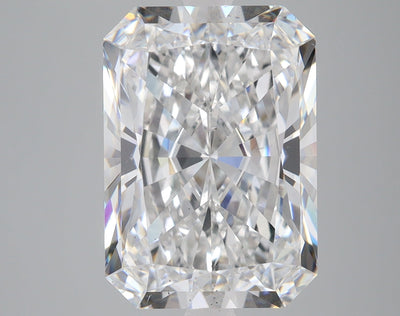
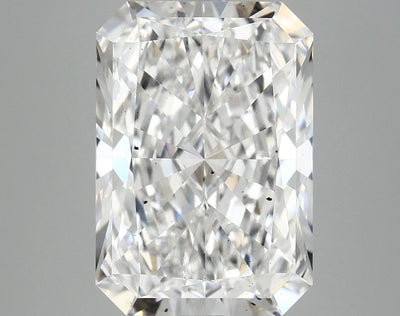
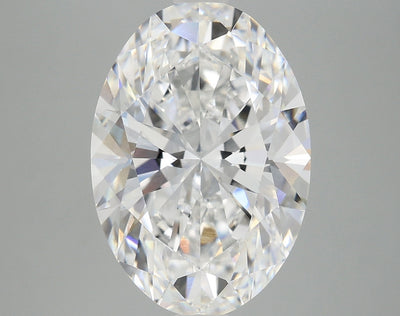
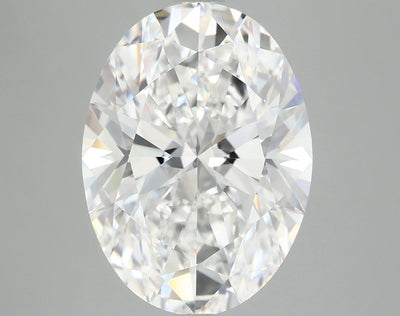
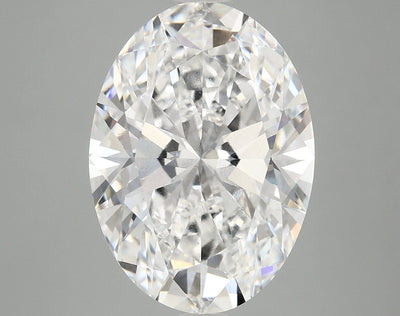
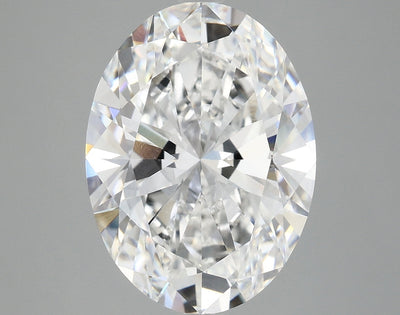
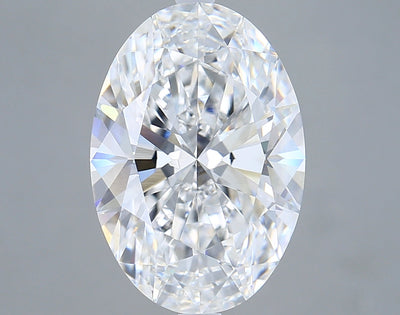
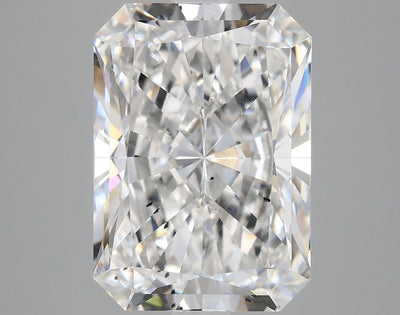
Shop the styles in this guide








Picking the Right Carat for You
- Everyday wear: a stone that sits lower and does not catch on clothing is easier to live with.
- Balanced look: try printed or on-screen size guides at true scale against your hand to see which size feels right.
- Maximum presence: a halo setting or an elongated shape adds visible size without adding carat weight.
- Budget focus: choose a carat just below a round number and put the savings into cut quality.
- Hands-on work: larger, higher-set stones are more likely to knock against things, so a lower profile or bezel setting is worth considering.
- Stacking with a band: a very large stone may need a curved or spaced wedding band to sit comfortably beside it.
If you are buying a surprise ring, look at the jewelry the wearer already owns. Someone who wears fine, delicate pieces may prefer a smaller, beautifully cut stone, while someone who loves statement jewelry may enjoy a larger look.
There is no correct size. The right carat is the one that looks right on your hand and fits your daily life, not a number chosen to match someone else's ring.
Common Sizing Mistakes
- Comparing carats across shapes: a 1 carat oval and a 1 carat princess look very different. Compare millimeters instead.
- Trusting screen images: product photos are enlarged, so a stone can look much bigger online than on your hand. Check the measurements.
- Ignoring depth: a heavy, deep stone can weigh more than another and still look smaller.
- Forgetting total weight: earrings and multi-stone rings often list total carat weight, not the size of each stone.
- Sizing for photos, not life: a very large stone can be impractical for work, sport or caring for children. Think about how you will wear it every day.
- Skipping ring size: the stone will look different on your real ring size, so know it before you choose a carat.
Settings That Change the Look of Size
The setting can add or subtract visible size without changing the stone at all. A halo of small diamonds around the center makes the whole head look larger, often by a millimeter or two in apparent width. Thin prongs show more of the stone's edge than heavy ones. A slim band makes the center look bigger by contrast, while a wide, heavy band can make it look smaller. See our lab diamond halo rings for examples.
High or Low Setting?
A higher setting lifts the stone above the band, so it catches more light and looks prominent from the side. A low-profile setting keeps the stone closer to the finger, which is more comfortable for everyday wear and less likely to snag. The face-up size is the same either way, but a raised stone tends to feel bigger because more of it is visible from different angles. Choose based on how active your hands are as much as on looks.
Accent Stones and Total Weight
Rings with halos, side stones or pavé bands often show a total carat weight that includes every stone. A ring listed at 1.50 carats total might have a 1 carat center and half a carat of small stones. Always check the center stone's own weight and measurements so you know what you are really comparing.
What Affects the Cost
Price rises faster than carat weight because larger rough crystals are less common and harder to grow or mine without flaws. Color, clarity and cut grade also play a big part, as do the shape and the setting metal, whether 925 silver or 10K, 14K or 18K gold. Lab grown diamonds, made by the CVD or HPHT method, are real diamonds that let you reach a larger size for the same budget than a mined stone. Compare sizes in our lab diamond solitaire rings.
Because visible size grows more slowly than weight, the best value often sits between the popular sizes. A well-cut 1.20 or 1.80 carat stone can look very close to the next round number while costing less.
Moissanite Sizes
Moissanite is lighter than diamond for its size, so a moissanite stone that matches a 1 carat diamond's diameter weighs a little less. That is why moissanite is often sold by its millimeter size or its diamond-equivalent weight. A 6.5 mm round moissanite, for example, looks the same size as a 1 carat round diamond.
When you compare a moissanite and a diamond, always compare millimeters, not carats. Moissanite is also very hard, at 9.25 on the Mohs scale, and shows more colorful fire than diamond. See our moissanite engagement rings to compare.
Our moissanite solitaire rings list stone sizes in millimeters, which makes it easy to match a moissanite to the diamond size you have in mind.
IGI Certified Lab Diamonds at Ivevar
At Ivevar we craft rings and earrings in 10K, 14K and 18K gold with lab grown diamonds, many with IGI certificates that list exact millimeter measurements, and with moissanite. We offer custom designs, virtual appointments, free shipping worldwide and 30-day easy returns.


Frequently Asked Questions
How big is a 1 carat diamond?
About 6.5 mm across for a well-cut round. Fancy shapes differ: a 1 carat oval is roughly 7.7 by 5.7 mm, and a 1 carat princess is about 5.5 mm square.
How big is a 2 carat diamond?
About 8.1 mm across for a round, which is about 1.6 mm wider than a 1 carat. On most fingers it looks bold and clearly substantial.
Does a 2 carat look twice as big as a 1 carat?
No. It weighs twice as much, but its top surface is only about 55% larger.
Is a 1 carat moissanite the same size as a 1 carat diamond?
Not quite. Moissanite is less dense, so a stone of equal weight is slightly larger. Compare by millimeters for an accurate match.
How big is a half carat diamond?
A well-cut 0.50 carat round measures about 5.2 mm across. It looks delicate on most hands and is a popular size for everyday rings and stud earrings.
How big is a 1.5 carat diamond?
A well-cut 1.50 carat round measures about 7.4 mm across. That is roughly 0.9 mm wider than a 1 carat, a difference you can see clearly on the hand.
Where do I find a diamond's exact measurements?
On its grading report. IGI and GIA reports list the length, width and depth in millimeters, which is more useful than carat weight for judging visible size.
Will a lab grown diamond be the same size as a mined one of the same weight?
Yes. Lab grown diamonds have the same density as mined diamonds, so a 1 carat lab grown round of the same proportions measures the same 6.5 mm or so.
Does a bigger finger need a bigger diamond?
Not necessarily, but a stone that covers about a third of the finger's width tends to look balanced. On a wider finger, a slightly larger stone or an elongated shape keeps that balance.
What carat size is most popular for engagement rings?
Sizes around 1 to 2 carats are common choices for center stones, but the right size depends on your hand, style and budget rather than any trend.
Aumsri Pradhan is the founder of Ivevar Luxury, a Surat-based fine jewelry brand that designs and handcrafts lab grown diamond and moissanite jewelry in its own workshop.


