

 Engagement Rings
 Anniversary Rings
 Solitaire Rings
 Halo Rings
 Toi Moi Rings
 Three Stone Rings
 Nature Inspired Rings
 Rose Cut Rings
 Fancy Color Rings
 Antique Cut Rings
 Wedding Rings
 Wedding Band Rings
 Exclusive Lab Grown Diamond Rings
 All Lab Grown Diamond Ring
 Engagement Rings
 Three Stone Rings
 Fancy Color Rings
 Antique Cut Rings
 Daily Wear Rings
 Wedding Band Rings
 Exclusive Moissanite Rings
 Earrings
 Bracelet
 Pendant
 Necklace
 Men's Ring
 Bridal Sets
 Rings
 Earrings
 Tennis chain
 Cuban Chains
 Custom Pendant
 Custom Ring
 Custom Teeth Grillz
 Round
 Oval
 Cushion
 Marquise
 Pear
 Emerald
 Heart
 Princess
 Rose Cut
 Radiant
 Antique Cut
 Brooch
 Cufflink
 Keychain
 Unique Products
 +91-9265051773
 Virtual Appointment
 log in




$3,000 Engagement Ring: Sweet-Spot Styles & Prices
by Aumsri Pradhan on Sep 29, 2026

Short answer: With lab grown diamonds, $3,000 is a generous engagement ring budget. It can cover a large lab grown diamond, often 2 carats or more, in solid 14K or 18K gold. That is far more stone than the same money buys in mined diamonds. Put cut quality first, choose eye-clean clarity and near-colorless color, and then decide between a bigger stone and a richer metal.
Three thousand dollars sits in a real sweet spot for engagement rings. It is enough to buy a ring that looks impressive, is made from solid gold and is built to last, without stretching into luxury pricing. The key is knowing where to spend and where to save. This guide shows you what $3,000 can buy, how to balance size against quality and metal, and which styles give you the most beauty for the money.
What $3,000 Can Buy
What you get for $3,000 depends mainly on the type of stone you choose. The differences are large.
| Stone type | What $3,000 typically buys | Good to know |
|---|---|---|
| Lab grown diamond | A large center stone, often 2 carats or more, in solid gold | A real diamond, chemically, physically and optically the same as mined |
| Mined diamond | A much smaller center stone of similar quality | Natural origin; costs several times more per carat |
| Moissanite | A large stone plus an elaborate setting, with budget to spare | A different gem with more rainbow fire; hardness 9.25 |
At Ivevar, this budget comfortably covers many lab grown diamond solitaires in solid gold, including larger center stones. Check each product page for current prices and stone details, as prices vary by stone size, metal and setting.
If you prefer the look of moissanite, the same budget stretches even further, leaving room for a pavé band, a hidden halo or a matching wedding band.
Planning the whole budget
Before you shop, decide whether $3,000 covers only the engagement ring or the wedding band as well. Many couples set aside part of the budget for a band so the two rings can be chosen together and sit neatly side by side. Also think about extras such as engraving or a custom detail. Knowing the full figure from the start makes it much easier to compare rings fairly and avoid stretching beyond what feels comfortable.
Lab Grown vs Mined at $3,000
Mined diamonds cost several times more per carat than lab grown diamonds, so $3,000 buys a much smaller mined stone. Both are real diamonds with the same hardness and sparkle. For lab grown stones, IGI grades the full 4Cs, while GIA has given only a Premium or Standard descriptor since October 1, 2025.
Lab grown diamonds are grown using one of two methods. CVD (chemical vapor deposition) builds the crystal layer by layer, and HPHT (high pressure, high temperature) recreates the conditions deep in the earth. Either way, the result is pure carbon in a diamond crystal, with a hardness of 10 on the Mohs scale. Without laboratory equipment, no one can tell a lab grown diamond from a mined one.
The main trade-offs are origin and resale. If a natural origin matters to you, a mined diamond is the right choice, even if it is smaller. If you want the largest, best-quality diamond your budget allows, lab grown is hard to beat. Remember that jewelry of any kind usually resells for less than you paid, so it is best to buy for love rather than as an investment.
Where moissanite fits
Moissanite is a third option, and it is not a diamond. It is silicon carbide, rated 9.25 on the Mohs scale, which makes it hard enough for everyday wear. Its higher refractive index gives it stronger, more colorful flashes than diamond, especially in sunlight. Some people love that lively rainbow fire; others prefer the whiter sparkle of diamond. If you are drawn to it, browse moissanite engagement rings and compare them side by side with lab grown diamonds.
Size or Metal: Where to Put the Money
At $3,000 the choice is mostly between a bigger stone in 14K gold and a slightly smaller stone in 18K gold. 14K is harder and handles daily knocks better; 18K has a richer yellow color and is gentler on sensitive skin. Either is an excellent long-term choice. Remember that color and clarity become easier to see as stones get bigger, so balance size with quality.
| Metal | Strengths | Best for |
|---|---|---|
| 10K gold | Most durable and most affordable | Very active hands; putting more budget into the stone |
| 14K gold | Hard, scratch-resistant, classic tone | Most everyday wearers |
| 18K gold | 75% pure gold, richest color | Sensitive skin; a luxurious yellow or rose tone |
White gold is usually rhodium plated for a bright white finish, and the plating needs renewing every so often. Yellow and rose gold do not need plating. If your partner mostly wears silver-colored jewelry, white gold will match; if they wear warm tones, yellow or rose gold will feel natural.
Tip: To see the true cost of a metal upgrade, keep the same design and stone and change only the metal option. If the difference would buy a noticeably larger stone, decide which matters more to you before you order.
Getting the Most from the 4Cs
The 4Cs are cut, color, clarity and carat weight. On a $3,000 budget, a smart balance across all four gets you a stone that looks far more expensive than it is.
- Cut: always choose Excellent or Ideal. Cut controls sparkle, and a well-cut stone looks brighter and often larger than a poorly cut one of the same weight.
- Color: near-colorless (G or H) looks white to most eyes, especially in yellow or rose gold. In white gold, F or G is worth considering for larger stones.
- Clarity: aim for eye-clean, which usually means VS2 or better for round and oval shapes. Emerald and Asscher cuts show inclusions more, so go a grade higher.
- Carat: once cut, color and clarity are in good shape, go as large as the budget comfortably allows.
You do not need D color or flawless clarity. Those grades cost more but look the same once set. The money is better spent on size or a nicer setting.
How Big Will It Look?
Carat is a measure of weight, not size. What you see is the stone's diameter or length in millimeters. These are typical sizes for well-cut round stones:
| Round carat weight | Typical diameter | Look on the hand |
|---|---|---|
| 1 ct | About 6.5 mm | The classic size |
| 1.5 ct | About 7.4 mm | Noticeably fuller |
| 2 ct | About 8.1 mm | Bold and confident |
| 2.5 ct | About 8.8 mm | A real statement |
| 3 ct | About 9.3 mm | Covers most of the finger width |
Elongated shapes such as oval, pear and marquise look larger than a round of the same weight because they cover more of the finger. Cushion and Asscher shapes sit more compactly. If you want the biggest look for the budget, an oval is hard to beat. Browse oval lab diamonds to see how they compare.
Solitaire, Halo or Three Stone?
A solitaire keeps the focus on one large stone. A halo makes the center look even bigger and adds sparkle. A three-stone ring adds side stones for a fuller look and symbolic meaning. With lab grown diamonds, all three styles fit comfortably in this budget.
- Solitaire: timeless, easy to pair with any wedding band, and the best way to put the whole budget into the center stone. See lab grown solitaire rings.
- Halo: a frame of small stones makes the center look larger and adds brightness. It suits buyers who want maximum sparkle. Browse lab grown halo rings.
- Hidden halo: small stones sit beneath the center and show from the side, adding a surprise detail without changing the clean top view.
- Three stone: often said to stand for past, present and future. Side stones add width and presence to the ring. See lab grown three stone rings.
- Pavé band: small stones along the band add sparkle all the way around.
Prongs and profile
For a 2 carat or larger center, choose six prongs or four sturdy claw prongs in solid gold. A high cathedral setting lifts the stone to catch more light and often leaves room for a straight wedding band underneath. A lower setting sits closer to the finger and is less likely to catch on clothing, which suits people who work with their hands. A bezel, where a rim of metal wraps the stone, gives the most protection of all.
Best Shapes for Value
Shape changes both the look and the value you get.
- Oval: looks large for its weight, flatters the finger and offers excellent value. Check photos or video for a dark bow-tie across the center.
- Round: the most sparkle and the most classic look. Rounds often cost more per carat because more of the rough crystal is lost when cutting them.
- Cushion: a soft, pillow-like outline with big flashes of light and a vintage feel.
- Radiant: a rectangular or square outline with brilliant sparkle that hides small inclusions well.
- Emerald: sleek, glassy step facets. Choose higher clarity, as inclusions are easier to see.
- Pear: elegant and elongated. Choose a V-prong to protect the point.
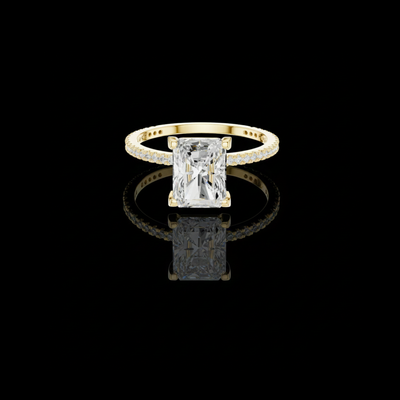
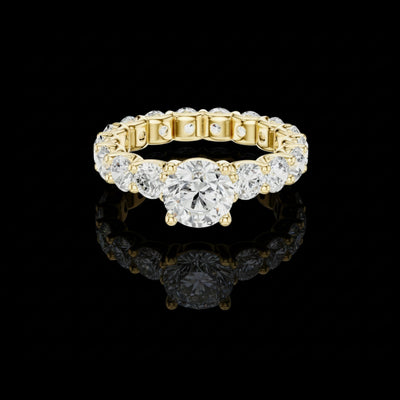
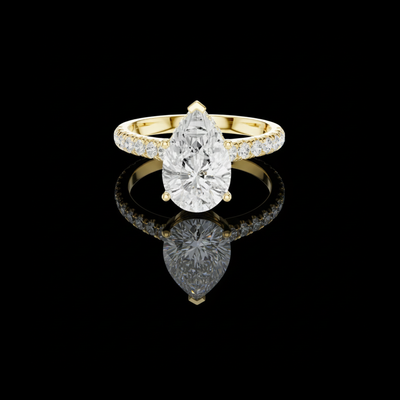
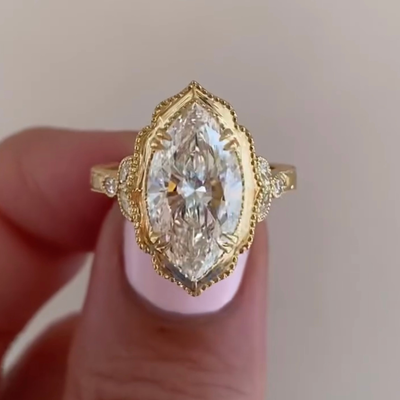
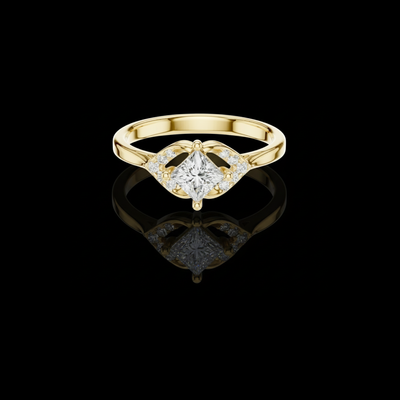
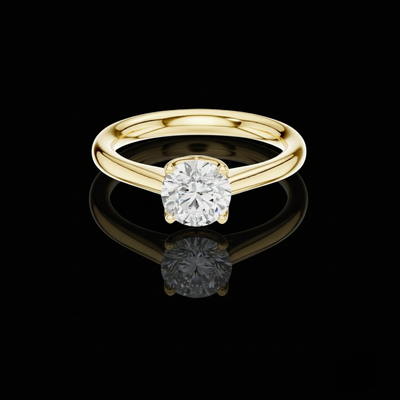
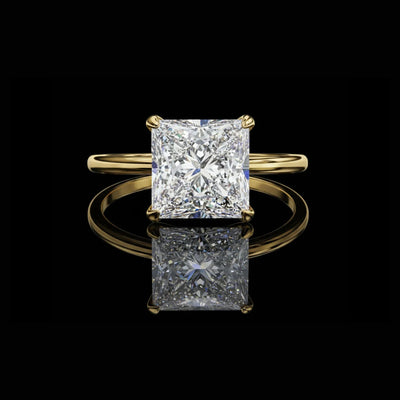
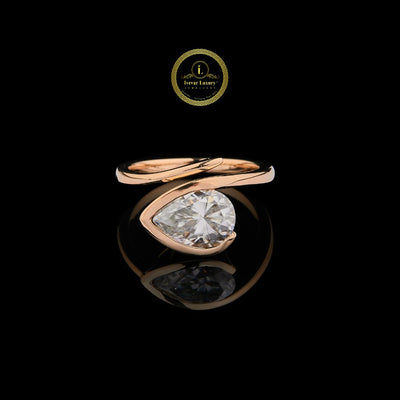
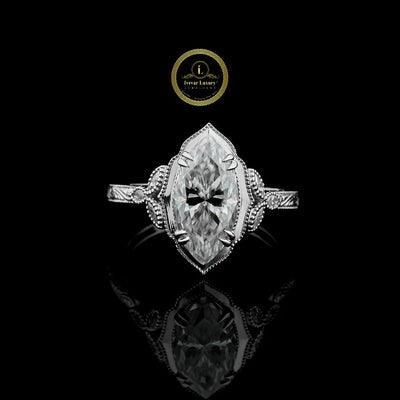
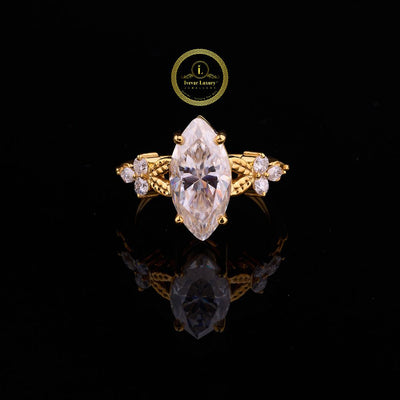
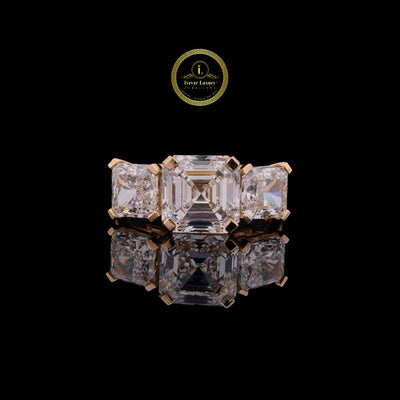
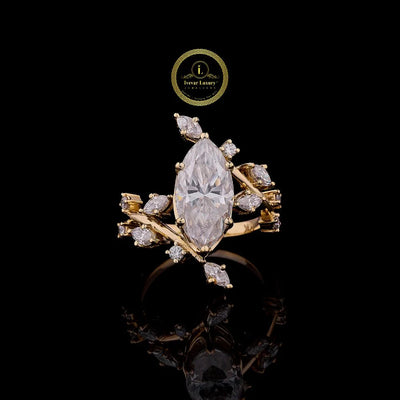
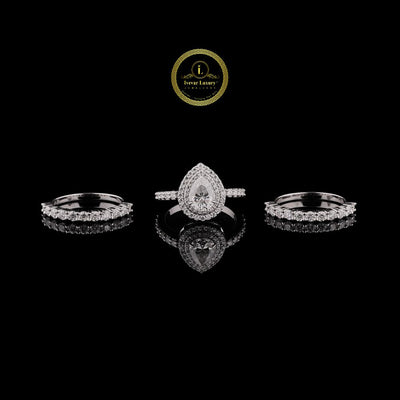
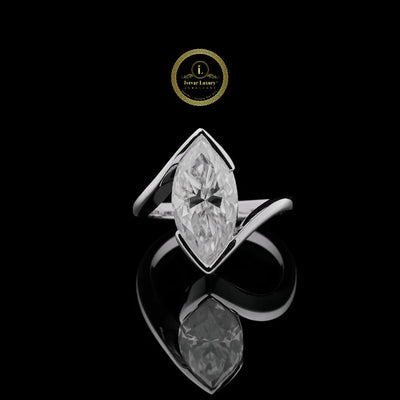
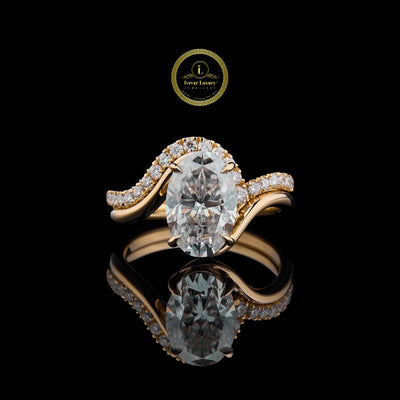
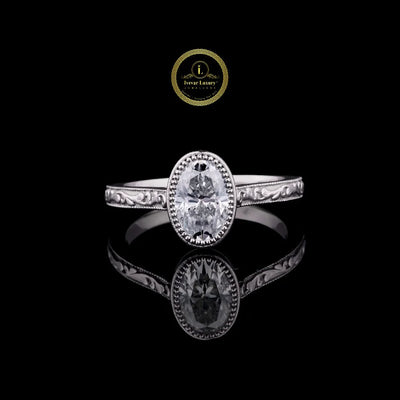
Shop the styles in this guide
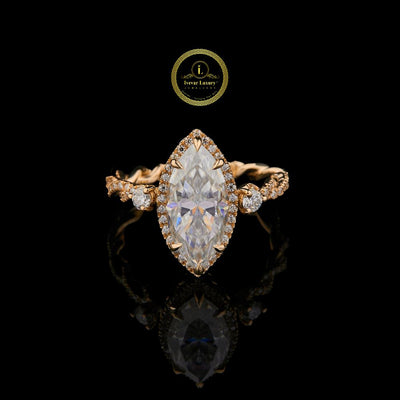
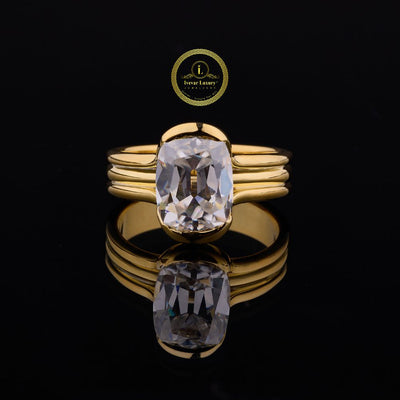
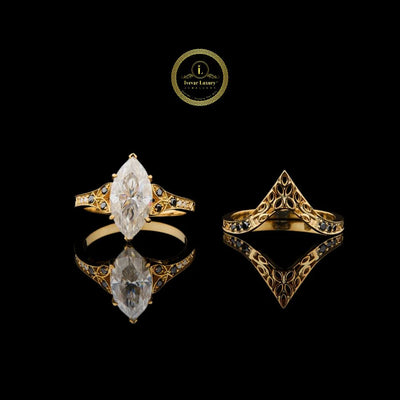
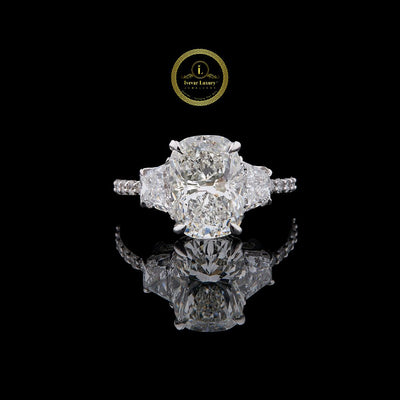
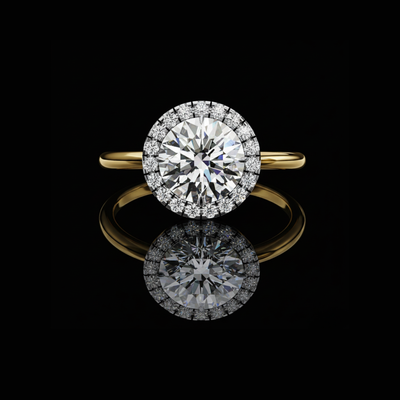
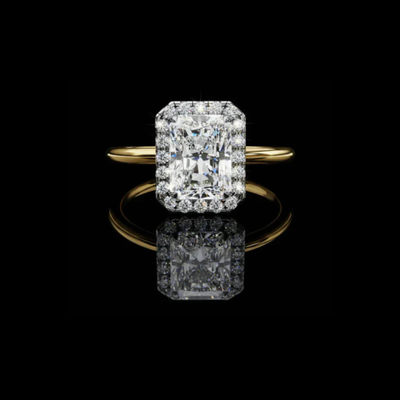
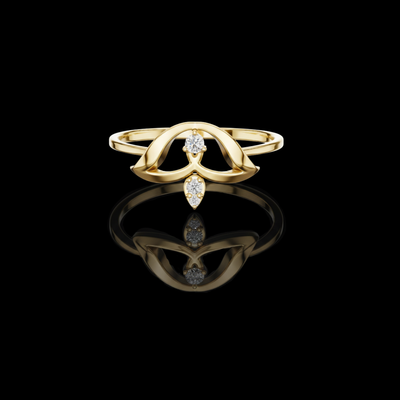
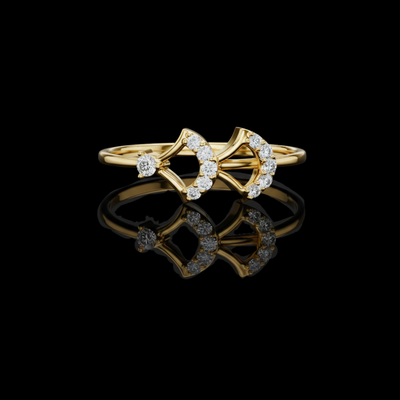
Smart Ways to Stretch $3,000
- Buy just under popular weights: a 1.90 carat stone can cost less than a 2.00 and looks almost identical.
- Choose near-colorless in warm gold: an H color stone in yellow or rose gold looks white and costs less than a D to F stone.
- Pick eye-clean, not flawless: VS2 or SI1 stones can look clean to the naked eye. Ask for photos or video to confirm.
- Keep the setting simple: a solitaire puts more of the budget into the center stone. You can add a pavé or eternity band later.
- Consider moissanite: if you love rainbow fire, moissanite gives a large, brilliant look for much less. It is a different gem, not a diamond, with a refractive index of about 2.65 against diamond's 2.42.
Tip: Plan for the wedding band now. If you set aside part of the budget for a matching band, you will avoid a mismatch later and the two rings will sit neatly together.
Mistakes to Avoid
- Buying on carat alone: a large stone with a poor cut looks dull and can look smaller than a lighter, well-cut one.
- Skipping the report: always ask for an independent grading report and check the number on the lab's website.
- Choosing thin prongs for a big stone: a 2 carat or larger stone needs sturdy prongs in solid gold.
- Guessing the ring size: borrow a ring your partner wears on the ring finger, or ask a close friend to help.
- Leaving it too late: allow time for making and worldwide delivery before your proposal date.
Buying Online with Confidence
Many couples now buy engagement rings online. It works well when you check a few things before and after you order.
- Read the grading report: confirm that the carat weight, measurements, color and clarity in the listing match the report, and verify the report number on the lab's website.
- Ask for real images: photos or video of the actual stone show how it handles light far better than a stock image.
- Confirm the metal: check the karat and the gold color, and look for the karat stamp inside the band when it arrives.
- Talk to a person: a virtual appointment lets you see stones on camera and ask questions before you decide.
- Know the return policy: Ivevar offers 30-day easy returns, so you have time to see the ring in person.
When the ring arrives, look at it in daylight, under indoor lighting and at arm's length. That is how other people will see it, and it is the best test of whether you chose the right balance of size and quality.
Getting the Ring Size Right
A ring that fits well is more comfortable and keeps a larger center stone sitting upright. Measure the ring finger at room temperature, because fingers swell in heat and shrink in the cold. A wide or pavé band fits more snugly than a thin one, so mention the band style when you choose the size.
If the proposal is a surprise, borrow a ring your partner already wears on the correct finger and have a jeweler measure it, or trace its inside edge carefully on paper. A close friend or family member can often help too. Getting the size right first time saves stress and lets your partner wear the ring straight away.
Caring for Your Ring
A well-made ring lasts a lifetime with simple care. Clean it every week or two in warm water with mild soap and a soft brush, paying attention to the underside of the stone where lotion and dirt collect. Take it off for the gym, gardening and heavy cleaning. Have a jeweler check the prongs about once a year. Store it separately from other jewelry, because diamond can scratch other gems and metals.
White gold rings may slowly lose their bright rhodium finish and show a faint warm tone underneath. That is normal, and a jeweler can re-plate the ring to restore the white color. Keep the grading report and your receipt in a safe place, as they help with insurance, servicing and any future questions about the stone. If a stone ever feels loose or you hear it click, stop wearing the ring and have it checked straight away.
Shop at Ivevar
Ivevar crafts lab grown diamond and moissanite engagement rings in 10K, 14K and 18K gold, with worldwide delivery, free shipping and 30-day easy returns. Explore our lab grown engagement rings, or book a virtual appointment to compare stones within your budget.


Frequently Asked Questions
What size lab grown diamond can I get for $3,000?
Often 2 carats or more in solid gold, depending on shape, grades, metal and setting. Check each product page for current prices.
Is 14K or 18K gold better at this budget?
14K is harder and lets you afford a bigger stone; 18K has a richer color. Both are durable choices for daily wear.
Should I choose a bigger stone or better quality?
Aim for a well-cut, eye-clean stone first, then go as large as the budget allows.
Is $3,000 enough for a good engagement ring?
Yes. With lab grown diamonds or moissanite, $3,000 buys a large, high-quality stone in solid gold.
Are lab grown diamonds real diamonds?
Yes. They are chemically, physically and optically the same as mined diamonds. Only the origin is different.
Which shape gives the most size for the money?
Oval is a strong choice. It looks larger than a round of the same weight and usually costs less per carat.
Do Ivevar lab grown diamonds come with a certificate?
Many of our lab grown stones come with IGI certificates. Check the product page for each stone's details.
Can I return the ring if it is not right?
Ivevar offers 30-day easy returns. Check the product page and our policy before you order.


