Engagement Rings
 Anniversary Rings
 Solitaire Rings
 Halo Rings
 Toi Moi Rings
 Three Stone Rings
 Nature Inspired Rings
 Rose Cut Rings
 Fancy Color Rings
 Antique Cut Rings
 Wedding Rings
 Wedding Band Rings
 Exclusive Lab Grown Diamond Rings
 All Lab Grown Diamond Ring
 Engagement Rings
 Three Stone Rings
 Fancy Color Rings
 Antique Cut Rings
 Daily Wear Rings
 Wedding Band Rings
 Exclusive Moissanite Rings
 Earrings
 Bracelet
 Pendant
 Necklace
 Men's Ring
 Bridal Sets
 Rings
Rings
 Earrings
 Tennis chain
 Cuban Chains
 Custom Pendant
 Custom Ring
 Custom Teeth Grillz
 Round
Round
 Oval
Oval
 Cushion
 Marquise
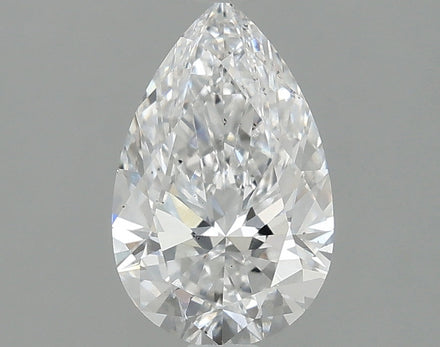
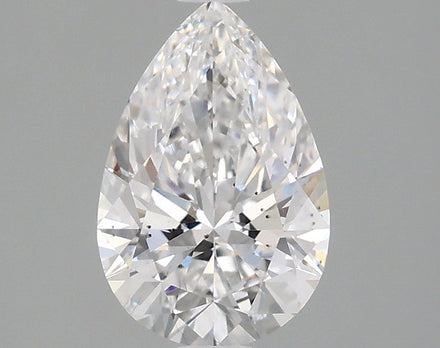
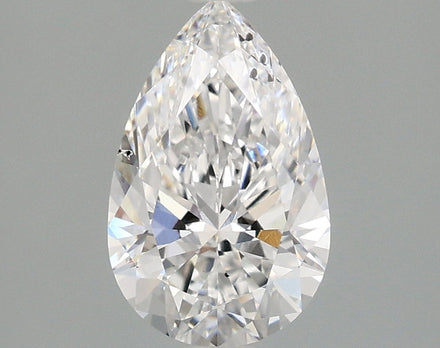
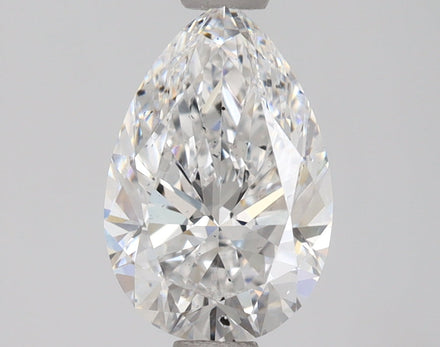
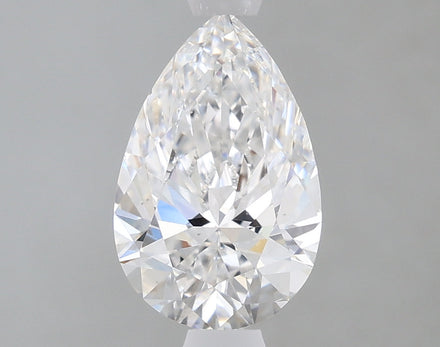
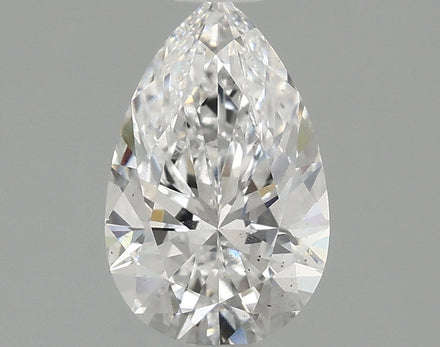
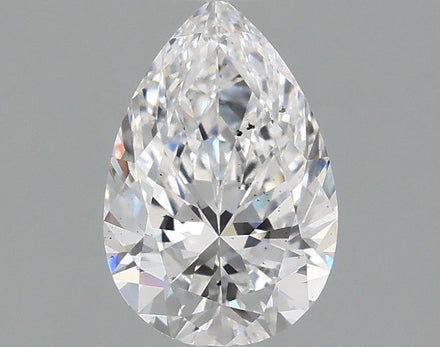
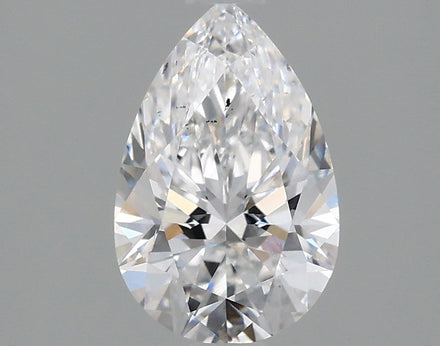
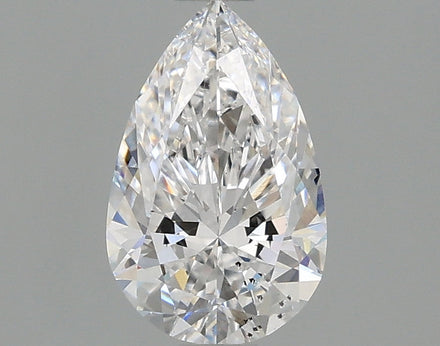
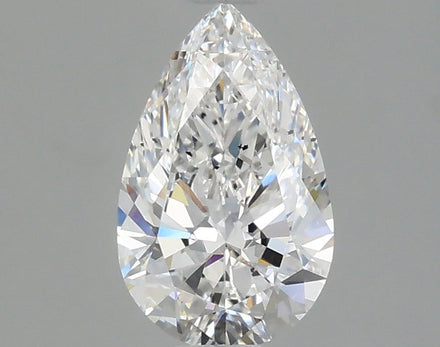
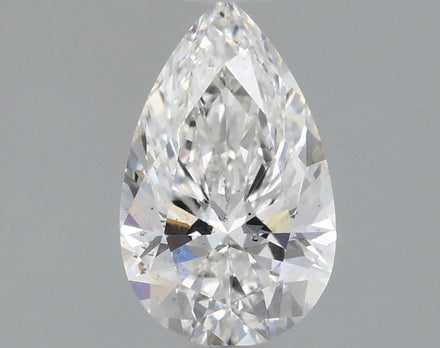
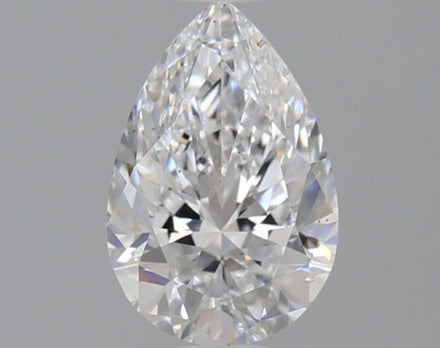
 Pear
Pear
 Emerald
 Heart
Heart
 Princess
 Rose Cut
 Radiant
 Antique Cut
 Brooch
 Cufflink
 Keychain
 Unique Products
 +91 9265051773
 Virtual Appointment
 log in



Quick answer: A pear shaped engagement ring combines the sparkle of a round with the elegance of a marquise in a graceful teardrop. To choose a great one, pick a length-to-width ratio between about 1.45 and 1.75, look for a faint rather than dark bow tie, check that the shape is symmetrical, and choose a setting with a V-prong to protect the delicate point.
Pear engagement rings are romantic, flattering and look larger than their carat weight. Here is how to choose one.
Why Choose a Pear Engagement Ring?
- Looks bigger: the elongated outline covers more of the finger than a round of the same weight.
- Slimming effect: worn point toward the fingertip, it makes fingers look longer.
- Unique but timeless: less common than a round, yet elegant enough to feel classic.
- Value: pears often cost less per carat than rounds.
Pear Shape Buying Checklist
| Check | What to look for |
|---|---|
| Ratio | About 1.45 to 1.75; 1.55 to 1.65 is a classic teardrop |
| Symmetry | Both shoulders even; point lined up with the rounded top |
| Bow tie | Faint and light, not a dark band |
| Point | Protected by a V-prong |
| Color | G or better in white metal; the point can show slight color |
| Clarity | VS2 is usually eye-clean |
 Shown: Pear Cut Solitaire Moissanite Engagement Ring with Cathedral Basket
Which Way Should the Point Face?
Traditionally, the point faces toward the fingertip, which elongates the hand. Some people wear it pointing toward the wrist for a softer look. There is no wrong way; it is personal style.
Best Settings for a Pear Diamond
- Solitaire with V-prong: clean and protective of the tip.
- Halo: follows the teardrop outline and adds size.
- Twisted or split shank band: adds movement and detail.
- East-west: the pear set sideways for a modern twist.
Lab Grown Diamond or Moissanite?
Both make beautiful pear engagement rings. Lab grown diamonds are real diamonds with classic diamond sparkle; moissanite is a different gemstone with more rainbow fire at a lower price. Read our comparison of lab grown diamond vs moissanite.
Pear Engagement Rings at Ivevar
We hand-set every pear stone in our Surat workshop, with a CAD design for approval first, and ship free worldwide, with 30-day easy returns. Browse lab grown diamond engagement rings and moissanite engagement rings.
Shop Pear Engagement Rings
 Pear Cathedral Basket SolitaireShop Now
 Pear Solitaire Unique BandShop Now
 Pear Cathedral Slim Band RingShop Now
 Pear Twisted Split Shank RingShop Now
 Yellow Pear Halo RingShop Now
 Blue Pear Halo Split ShankShop Now
Swipe to see more → | View all engagement rings
Frequently Asked Questions
Are pear engagement rings durable?
Yes, as long as the point is protected with a V-prong or bezel.
Do pear shaped diamonds look bigger?
Yes. They usually look larger than rounds of the same carat weight.
What wedding band goes with a pear ring?
A curved or contour band hugs the teardrop; a slim straight band works with lower settings.
What is the best ratio for a pear diamond?
Around 1.55 to 1.65 is a classic teardrop, but choose the outline you like best.
The Bottom Line
A pear engagement ring is romantic, flattering and great value. Choose a balanced ratio and symmetrical shape, avoid dark bow ties, and protect the point.
Related Guides
Author Bio
Aumsri Pradhan
Founder, Ivevar Luxury
Aumsri Pradhan is the founder of Ivevar Luxury, a Surat-based fine jewelry brand that designs and handcrafts lab grown diamond and moissanite jewelry in its own workshop. She leads the brand's design and customer experience, from engagement rings and bridal sets to custom pieces made to each client's story. Through the Ivevar blog, she shares practical guidance on lab grown diamonds, moissanite, diamond grading and ring design to help buyers choose with confidence.