

 Engagement Rings
 Anniversary Rings
 Solitaire Rings
 Halo Rings
 Toi Moi Rings
 Three Stone Rings
 Nature Inspired Rings
 Rose Cut Rings
 Fancy Color Rings
 Antique Cut Rings
 Wedding Rings
 Wedding Band Rings
 Exclusive Lab Grown Diamond Rings
 All Lab Grown Diamond Ring
 Engagement Rings
 Three Stone Rings
 Fancy Color Rings
 Antique Cut Rings
 Daily Wear Rings
 Wedding Band Rings
 Exclusive Moissanite Rings
 Earrings
 Bracelet
 Pendant
 Necklace
 Men's Ring
 Bridal Sets
 Rings
 Earrings
 Tennis chain
 Cuban Chains
 Custom Pendant
 Custom Ring
 Custom Teeth Grillz
 Round
 Oval
 Cushion
 Marquise
 Pear
 Emerald
 Heart
 Princess
 Rose Cut
 Radiant
 Antique Cut
 Brooch
 Cufflink
 Keychain
 Unique Products
 +91-9265051773
 Virtual Appointment
 log in




Short answer: Round sparkles the most and suits every style, oval, pear and marquise look the largest for their weight and make fingers look slimmer, emerald and asscher give an elegant, vintage glow, and cushion, radiant and princess offer lots of sparkle in a softer or more modern outline. Choose the shape you love first, then check its cut quality, length-to-width ratio and setting.
The shape of a diamond has the biggest effect on how your ring looks. It decides the outline on your finger, the style of sparkle, how big the stone appears and even which settings work best. This diamond shapes guide compares the most popular cuts so you can choose the one that fits your style and budget.
Below you will find a quick comparison, a closer look at each shape, the ideal proportions to look for, and practical advice on settings, cost, finger shape and care.
Brilliant Cuts vs Step Cuts
Almost every diamond shape falls into one of two cutting families, and knowing which one you like narrows your choice quickly.
Brilliant cuts (round, oval, pear, cushion, radiant, princess, marquise and heart) have many small, triangular and kite-shaped facets that break light into lots of bright flashes. They create the lively, glittering sparkle most people picture when they think of a diamond, and they are good at hiding small inclusions.
Step cuts (emerald and asscher) have long, straight facets arranged like a staircase. Instead of glitter, they create broad flashes of light and a calm, mirror-like glow sometimes called a "hall of mirrors" effect. Their open table shows clarity more clearly, so they usually need a cleaner stone.
There are also mixed and antique-style cuts, such as rose cuts and old-style cushion cuts, which combine features of both or have a softer, candle-lit look.
The Popular Shapes at a Glance
| Shape | Look | Looks larger? | Good to know |
|---|---|---|---|
| Round | Classic, maximum sparkle | Standard | Most versatile shape |
| Oval | Elegant, elongated | Yes | Check for a dark bow-tie shadow |
| Emerald | Sleek, vintage | Yes, slightly | Choose VS clarity or better |
| Pear | Teardrop, romantic | Yes | Protect the point with a V-prong |
| Cushion | Soft square, romantic | No | Very popular for halos |
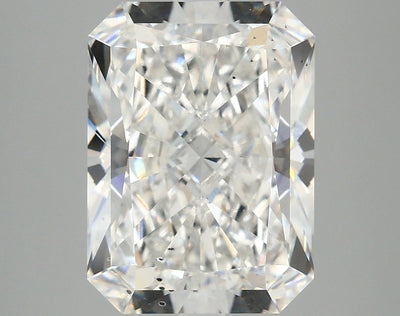
| Radiant | Rectangular, sparkly | Slightly | Hides small inclusions well |
| Princess | Modern square | No | Protect the corners |
| Marquise | Long, vintage | Most | Makes fingers look slimmer |
 Shown: Radiant Cut Lab Diamond Engagement Ring with Baguette Side Diamonds
A Closer Look at Each Shape
Round brilliant
The round brilliant is the most popular diamond shape and the benchmark for sparkle. Its facets are arranged to return as much light as possible, so a well-cut round is bright from every angle. It suits every setting and every style, from minimal solitaires to vintage halos. Rounds usually cost more per carat than other shapes, because more of the rough crystal is lost when cutting a perfect circle.
Oval
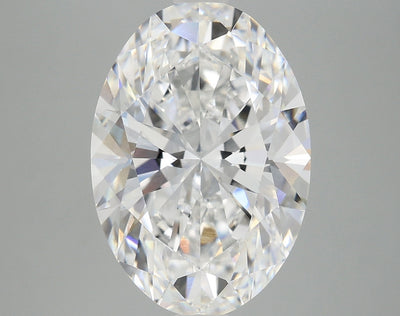
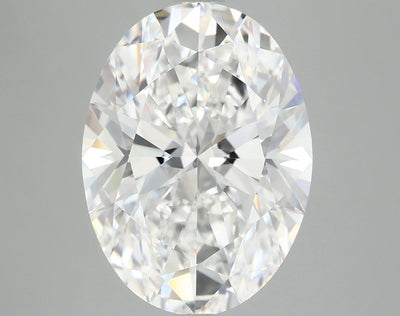
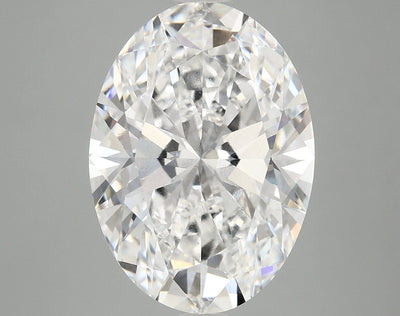
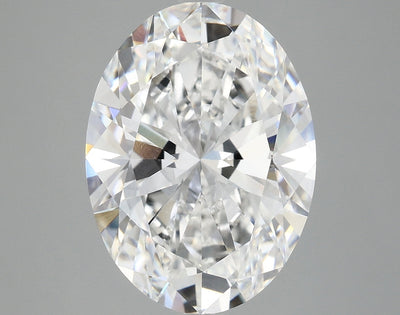
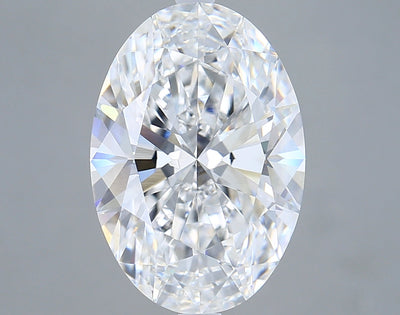
An oval is essentially a stretched round. It has nearly as much sparkle, looks larger for its weight and makes fingers look longer. Look closely for the bow-tie, a darker band across the middle that many elongated shapes show. A mild bow-tie is normal; a strong one dulls the center. Browse our lab diamond oval jewelry to see the range.
Emerald
The emerald cut is a rectangle with cut corners and long step facets. It looks sophisticated and understated, with flashes of light rather than glitter. Because the table is open and clear, inclusions and color show more easily, so VS clarity or better and a good color grade are wise choices.
Pear
A pear combines a rounded end with a single point, like a teardrop. It is romantic, elegant and looks large for its weight. Worn with the point toward the fingertip, it lengthens the finger. Check that the two sides are symmetrical and protect the point with a V-prong. See our lab diamond pear jewelry.
Cushion
A cushion has a square or slightly rectangular outline with rounded corners, like a pillow. It has a soft, romantic look and strong sparkle, and it is a classic choice for halo rings. Cushions vary a lot in style, from chunky, antique-looking facets to finer, more glittering patterns, so view a few before deciding.
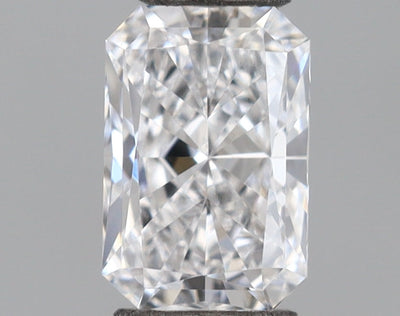
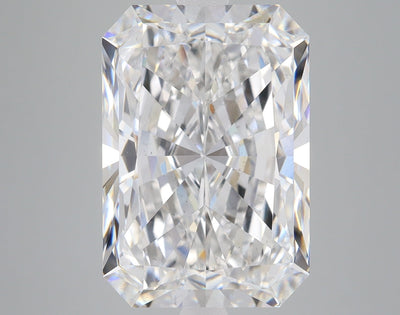
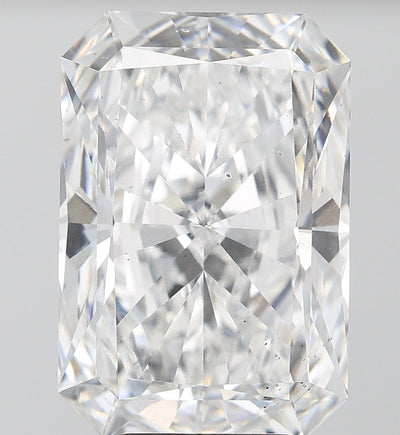
Radiant
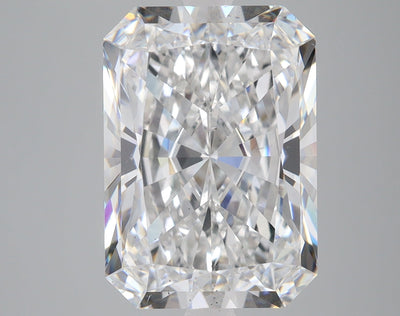
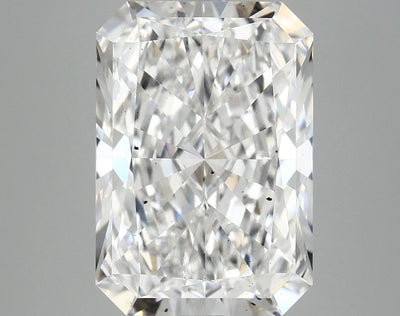
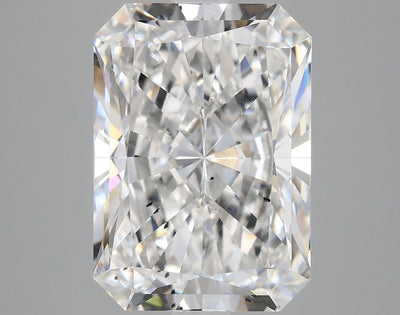
The radiant combines the trimmed corners of an emerald cut with brilliant-style faceting. The result is a square or rectangular stone with lots of sparkle. Its busy facet pattern hides small inclusions well, and the cut corners make it more durable than a sharp-cornered shape. Explore our lab diamond radiant jewelry.
Princess
A princess cut is a square brilliant with sharp, pointed corners. It looks crisp and modern, with plenty of sparkle. The corners are its weak point, so choose a setting with V-prongs or a bezel that covers them.
Marquise
The marquise is a long, boat-shaped brilliant with two pointed ends. It has the largest face-up area of any popular shape for its carat weight and makes fingers look long and slim. Protect both points and look for good symmetry.
Asscher and heart
The asscher is a square step cut with deep, cropped corners, giving a vintage, Art Deco look. The heart is a brilliant cut shaped as a heart, and it needs very good symmetry so the two lobes match and the cleft is clear. Hearts look best at larger sizes, where the outline is easy to see.
Ideal Length-to-Width Ratios
The length-to-width ratio is the length of a stone divided by its width. It controls how long or square a shape looks. There is no single right answer, but these ranges are popular starting points.
| Shape | Popular ratio range | Effect of a higher ratio |
|---|---|---|
| Round | 1.00 | Not applicable; should be perfectly round |
| Oval | 1.30 to 1.50 | Slimmer and longer |
| Pear | 1.45 to 1.75 | More slender teardrop |
| Marquise | 1.75 to 2.25 | Longer and more dramatic |
| Emerald | 1.30 to 1.50 | More elongated rectangle |
| Radiant | 1.00 to 1.05 square, or 1.20 to 1.50 rectangular | From square to rectangle |
| Cushion | 1.00 to 1.05 square, up to about 1.20 elongated | From pillow square to soft rectangle |
| Princess and asscher | 1.00 to 1.05 | Should look square |
Always look at the ratio on a hand before you decide. A small change in ratio can make a big difference to how a stone looks.
Which Shape Looks Biggest?
Elongated shapes spread their weight across a larger top surface, so a 1 carat oval, pear or marquise looks bigger than a 1 carat round. If size on the hand matters most, choose one of these. You can compare sizes on our diamond size chart.
Depth matters too. A stone cut too deep hides weight underneath where you cannot see it, so it looks smaller than its carat weight suggests. When comparing two stones, check the millimeter measurements, not just the carat weight. A halo setting can also add visible size to any shape.
How to Choose
- Love sparkle? Round, radiant or cushion.
- Want it to look bigger? Oval, pear or marquise.
- Prefer elegant and minimal? Emerald.
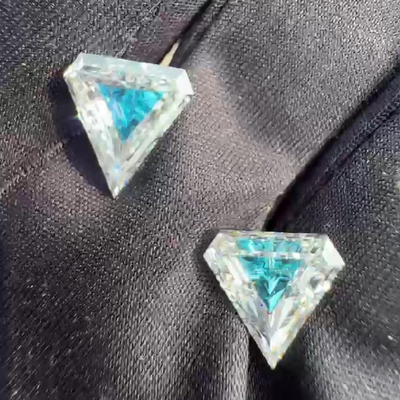
- Want something unique? Dutch marquise or other specialty cuts from our Dutch marquise collection.
- Have an active lifestyle? Round, oval or cushion, which have no sharp points, ideally in a bezel or low setting.
- Want a vintage feel? Asscher, emerald, cushion or marquise.
Shapes for different hands
Elongated shapes such as oval, pear, marquise and emerald draw the eye along the finger and make shorter or wider fingers look longer and slimmer. Round and cushion shapes suit almost every hand. If you have long, slim fingers, wider shapes such as cushion, radiant and asscher, or a larger halo, look balanced and full.
Tip: Try on two or three different shapes before you decide. Many people are surprised to find that the shape they love in photos is not the one they love on their own hand.
Shop the styles in this guide








Shape vs Cut: What Is the Difference?
People often use the words shape and cut as if they mean the same thing, but they don't. Shape is the outline you see from above, such as round, oval or pear. Cut describes how well the facets are angled and finished. Two ovals with the same weight can look very different if one is cut well and the other is cut too deep or too shallow. A well cut stone returns more light to your eye, so always look at cut quality as well as shape.
For round diamonds, grading reports from labs such as IGI and GIA usually include an overall cut grade. For fancy shapes, there is often no single cut grade, so look at the polish and symmetry grades, the measurements and, ideally, a video of the stone.
Matching the Shape to the Setting
Some shapes and settings simply work better together:
- Solitaire: round, oval and emerald look clean and timeless on a plain band. Browse our solitaire rings to see each outline on its own.
- Halo: cushion and round are classic choices, and a halo adds extra sparkle and visual size.
- Three stone: an oval or emerald center with smaller side stones creates a balanced, elegant look.
- Bezel or V-prong: pointed shapes such as pear, marquise and princess benefit from extra protection at the tips or corners.
- East-west: oval, marquise and emerald stones set sideways across the finger give a fresh, modern look.
- Toi et moi: pairing two different shapes, such as a pear and an oval, is a popular way to combine two styles in one ring.
Shapes for earrings and pendants
Shape matters beyond rings. Round studs are the classic choice because they look the same from every angle. Pear shapes hang beautifully as drops and pendants, with the point facing up or down. Heart pendants are a popular gift, and cushion or princess studs give a slightly bolder, more modern look. For a matching set, choose the same shape for your ring and earrings, or pair a fancy-shaped ring with simple round studs.
Common Mistakes When Choosing a Shape
- Choosing on carat alone: Two stones of the same weight can look very different sizes. Compare millimeter measurements and proportions.
- Ignoring the ratio: A ratio you have not seen on a hand can surprise you. An oval that is too round or a pear that is too thin may not be what you pictured.
- Overlooking the bow-tie: In ovals, pears and marquises, a strong bow-tie is the most common reason a stone looks disappointing in person.
- Leaving points unprotected: Pear, marquise and princess tips need V-prongs or a bezel to avoid chips.
- Choosing low clarity in a step cut: Emerald and asscher cuts show inclusions clearly, so saving on clarity often shows.
- Forgetting the wedding band: Some shapes and settings leave a gap beside a straight band. Plan the pair together if you will wear both.
What Affects the Cost of Each Shape?
Price depends on more than shape alone. Carat weight, color, clarity and cut quality all play a part. Round stones usually cost more per carat because more of the rough crystal is cut away to get a round outline. Fancy shapes such as oval, pear and cushion often give you more visible size for your budget. Step cuts like emerald show inclusions more easily, so they usually need a higher clarity grade, which can raise the cost. Your choice of metal, such as 925 silver or 10K to 18K gold, and the number of side stones also affect the final price.
Color behaves differently by shape too. Elongated shapes and step cuts can show a faint tint at the ends or across the open table, while brilliant shapes such as round and radiant hide color a little better. If you are choosing a warmer color grade to save money, a brilliant shape in yellow or rose gold is a forgiving combination.
Lab Grown Diamond or Moissanite?
All of the shapes in this guide are cut in both lab grown diamond and moissanite. Lab grown diamonds are chemically the same as mined diamonds and score 10 on the Mohs hardness scale. They are grown by the CVD or HPHT method and graded by labs such as IGI and GIA, and many Ivevar lab diamonds come with an IGI certificate. Moissanite scores 9.25, is very durable for daily wear, and shows more colorful, rainbow-like sparkle because of its higher refractive index (about 2.65, compared with about 2.42 for diamond). Explore lab diamond engagement rings or moissanite engagement rings to compare shapes in each stone.
Caring for Different Shapes
Shapes with points, such as pear, marquise and princess, need a little more care because the tips can chip if they take a hard knock. Step cuts like emerald show dirt quickly on their wide table, so clean them often to keep that mirror-like glow. Our jewelry care guide explains simple cleaning at home.
Whatever the shape, soak your jewelry in warm water with a little mild soap, brush gently with a soft toothbrush, and have the prongs checked about once a year.
Shop at Ivevar: Every Ivevar piece is handcrafted to order in 10K, 14K or 18K gold, with worldwide delivery, free shipping and 30-day easy returns. Compare shapes in our lab diamond engagement rings, or book a virtual appointment to see different shapes side by side and design a custom piece.
Frequently Asked Questions
What is the most popular diamond shape?
Round is the most popular shape overall, and oval has become one of the top choices for engagement rings.
Which shape is best for short fingers?
Elongated shapes such as oval, pear and marquise make fingers look longer and slimmer.
Does shape change how sparkly a diamond looks?
Yes. Brilliant shapes like round, radiant and cushion have many facets and the most sparkle, while step cuts like emerald and asscher show broad flashes of light instead.
Which shapes are best for everyday wear?
Round, oval, cushion and emerald have no sharp points, so they are easy to wear daily. Pointed shapes are fine too when the tips are protected by prongs or a bezel.
Which diamond shape is the cheapest?
Fancy shapes such as oval, pear, marquise, cushion and princess usually cost less per carat than a round of similar quality, because less of the rough crystal is lost during cutting.
What is the bow-tie effect?
It is a darker band across the center of some elongated shapes, such as oval, pear and marquise. A slight bow-tie is normal, but a strong one reduces sparkle, so compare stones in video.
Which shape hides inclusions best?
Brilliant shapes with many facets, especially radiant, cushion and round, hide small inclusions best. Step cuts such as emerald and asscher show them most clearly.
Are all shapes available in moissanite?
Yes. All the popular shapes are cut in moissanite as well as lab grown diamond. Moissanite is a separate gemstone, not a type of diamond, with more colorful sparkle.

Author Bio
Aumsri Pradhan
Founder, Ivevar Luxury
Aumsri Pradhan leads Ivevar Luxury, a Surat-based brand that handcrafts lab grown diamond and moissanite jewelry in its own workshop, and shares practical buying guidance on the Ivevar blog. View author profile ›


