Engagement Rings
 Anniversary Rings
 Solitaire Rings
 Halo Rings
 Toi Moi Rings
 Three Stone Rings
 Nature Inspired Rings
 Rose Cut Rings
 Fancy Color Rings
 Antique Cut Rings
 Wedding Rings
 Wedding Band Rings
 Exclusive Lab Grown Diamond Rings
 All Lab Grown Diamond Ring
 Engagement Rings
 Three Stone Rings
 Fancy Color Rings
 Antique Cut Rings
 Daily Wear Rings
 Wedding Band Rings
 Exclusive Moissanite Rings
 Earrings
 Bracelet
 Pendant
 Necklace
 Men's Ring
 Bridal Sets
 Rings
Rings
 Earrings
 Tennis chain
 Cuban Chains
 Custom Pendant
 Custom Ring
 Custom Teeth Grillz
 Round
Round
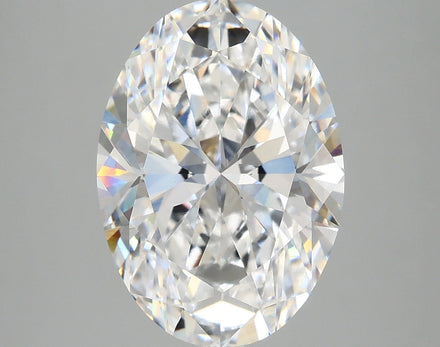
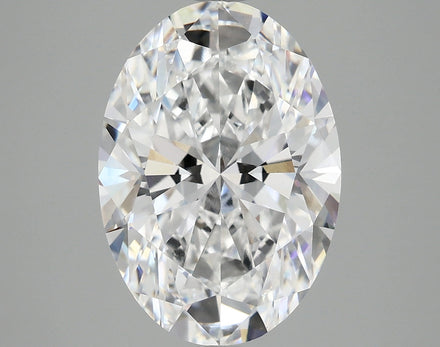
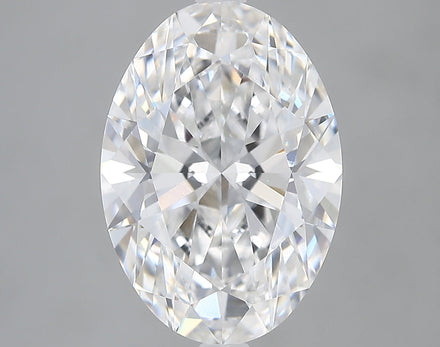
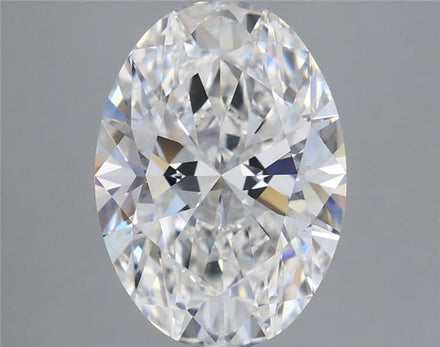
 Oval
Oval
 Cushion
 Marquise
 Pear
Pear
 Emerald
 Heart
Heart
 Princess
 Rose Cut
 Radiant
 Antique Cut
 Brooch
 Cufflink
 Keychain
 Unique Products
 +91 9265051773
 Virtual Appointment
 log in



East-West Engagement Rings: The Setting Trend Explained
by Ankit Koshiya on Sep 29, 2026

Short answer: An east-west setting turns an elongated diamond (oval, emerald, marquise, pear) sideways so it lies horizontally across the finger instead of pointing up it. The result looks wider, more modern and distinctly fashion-forward — a simple rotation that transforms a classic stone into a statement. It suits buyers who want something recognizably different without choosing an unusual diamond shape.
What "East-West" Actually Means
Every traditional engagement ring sets an elongated diamond north-south: the stone's long axis runs from knuckle to fingertip. East-west simply rotates that axis 90 degrees so the diamond lies horizontally across the finger. Nothing about the diamond changes — same cut, same carat — but the visual effect is dramatic: the ring reads wider, lower and unmistakably contemporary, like the difference between a portrait and a landscape photograph of the same scene.
The style has vintage roots — horizontal settings appeared in Art Deco jewelry a century ago — but its current wave is pure 2020s fashion. It caught fire as buyers hunted for ways to make classic stones feel personal, and jewelers obliged with bezel-set, prong-set and halo east-west designs. In 2026 it remains one of the clearest signals that a ring was chosen with design intent rather than defaulted from tradition.

Why It Works: The Visual Logic
Width reads as presence. Fingers are narrow, so a stone stretched across the finger covers proportionally more of it than the same stone pointing lengthwise — the ring looks bolder without a single extra point of carat weight. It sits lower. East-west settings naturally hug the finger, giving a sleek, modern profile that slides under gloves and catches on less. For active lifestyles, that practicality is a genuine advantage, not just aesthetics.
It flatters differently. Where north-south elongates the finger, east-west widens the ring's footprint — a striking look on longer fingers and a refreshing alternative for anyone bored of the standard silhouette. And it photographs beautifully: the horizontal line creates a distinctive, instantly recognizable image in the flat-lay proposal photos that dominate social media. In an era of visual ring culture, distinctiveness has real value.

- ✓ Sideways-set stone — elongated diamond rotated 90 degrees.
- ✓ Wider, modern look — covers more finger width.
- ✓ Best shapes — oval, emerald, marquise, pear, baguette.
- ✓ Lower profile — sits closer to the finger, snags less.
- ✓ Style signal — fashion-forward, design-conscious choice.
Which Shapes Suit It Best
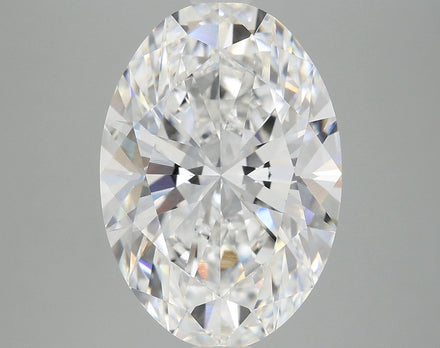
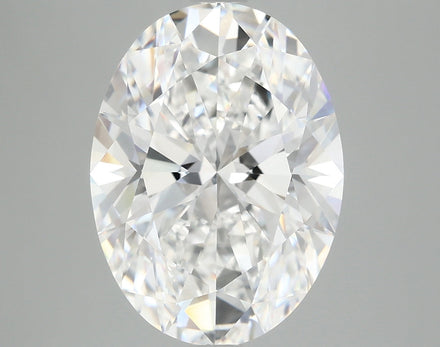
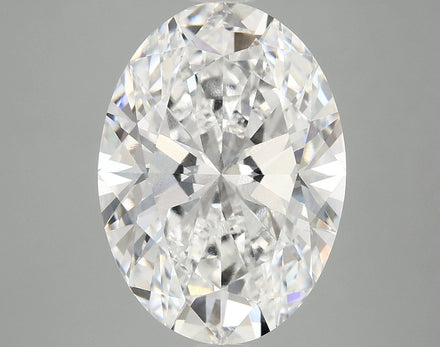
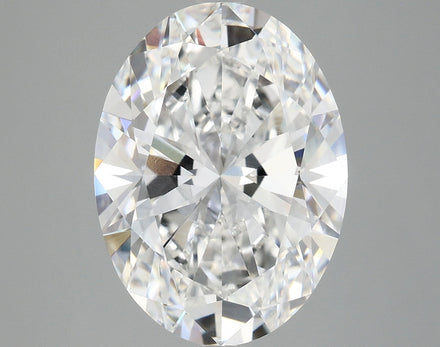
Not every diamond belongs sideways. The best candidates are elongated shapes with a length-to-width ratio of about 1.4 or more: oval, emerald, marquise, pear and baguette. Emerald cuts are the connoisseur's east-west choice — their step facets and clean geometry look architectural and intentional lying flat. Marquise goes dramatic, its pointed ends sweeping across the finger like a horizontal eye. Oval is the versatile crowd-pleaser; pear is the romantic wildcard (usually set with the point facing sideways).
Round, cushion and princess stones gain little from the rotation — without a long axis, sideways is meaningless. Setting style matters too: bezel east-west settings look sleek and modern; prong settings show more of the stone; and east-west halos create a striking elongated frame. As with any fashion-forward choice, try it on: the look divides opinion, and her reaction in the mirror is the only review that counts.
| Shape | East-west effect | Best setting |
|---|---|---|
| Emerald | Architectural, sleek | Bezel or prong solitaire |
| Oval | Bold, versatile | Halo or solitaire |
| Marquise | Dramatic, eye-like | Prong to show the points |
| Pear | Romantic, asymmetric | Bezel for a modern edge |
| Baguette | Minimalist, Deco | Bezel, often as accent |
Is It Right for Her?
Choose east-west if she loves fashion, notices design details, and would be delighted — not disconcerted — by a ring that prompts "I've never seen one like that." It is the setting for the woman with strong personal style who treats jewelry as self-expression. Skip it if she is a traditionalist who has always pictured the classic north-south solitaire, or if she prefers her jewelry to whisper rather than start conversations.
On longevity: east-west is trend-forward, but it is not a gimmick — it has genuine vintage precedent and sound visual logic. Like the oval's rise, it rests on real aesthetics rather than novelty. A well-made east-west ring in a classic shape will look intentional for decades. And because the "trend" is just an orientation, the diamond itself remains timeless — only its posture is fashion.
If you are commissioning one, discuss proportions with your jeweler: longer stones (marquise, emerald) make the most dramatic east-west statements, while softer shapes (oval, pear) read more wearable and versatile. A bezel setting will emphasize the modernity; delicate prongs keep it feeling like a classic ring with a twist. Either way, insist on seeing a CAD rendering or wax model before casting — orientation changes how a design balances, and you want to approve the real thing, not imagine it.
Shop Our Best Sellers


Swipe to see more → | View all best sellers
Frequently Asked Questions
What is an east-west engagement ring?
An engagement ring with an elongated diamond set horizontally across the finger instead of vertically along it. The stone is rotated 90 degrees from the traditional north-south orientation.
Which diamond shapes work east-west?
Elongated shapes with a length-to-width ratio around 1.4+: oval, emerald, marquise, pear and baguette. Round, cushion and princess stones gain nothing from the rotation.
Does east-west make the diamond look bigger?
It makes the ring look wider and bolder, since the stone spans more of the finger's width. The carat weight is unchanged — it's a visual effect of orientation, not size.
Is the east-west trend going to last?
It has genuine staying power: Art Deco precedent, sound visual logic, and a diamond that remains classic regardless of orientation. Fashion-forward, not a gimmick.
Are east-west rings comfortable?
Very — they typically sit lower on the finger than north-south solitaires, snag less, and slide under gloves easily. The wide footprint distributes presence without height.
Can any ring be set east-west?
Any jeweler can orient an elongated stone east-west in a custom or semi-custom setting. Some ready-made designs are built specifically for it, especially bezel styles.
Does east-west cost more?
No — the diamond costs the same regardless of orientation, and the setting work is comparable. You're paying for design distinctiveness, not extra materials.
Sources
- Brides — Ring Trend Reports
- The Knot — Setting Style Guides
- Gemological Institute of America (GIA)
- American Gem Society
- Jewelers of America

Aumsri Pradhan is the founder of Ivevar Luxury, a Surat-based fine jewelry brand that designs and handcrafts lab grown diamond and moissanite jewelry in its own workshop. She leads the brand's design and customer experience, from engagement rings and bridal sets to custom pieces made to each client's story. Through the Ivevar blog, she shares practical guidance on lab grown diamonds, moissanite, diamond grading and ring design to help buyers choose with confidence.