

 Engagement Rings
 Anniversary Rings
 Solitaire Rings
 Halo Rings
 Toi Moi Rings
 Three Stone Rings
 Nature Inspired Rings
 Rose Cut Rings
 Fancy Color Rings
 Antique Cut Rings
 Wedding Rings
 Wedding Band Rings
 Exclusive Lab Grown Diamond Rings
 All Lab Grown Diamond Ring
 Engagement Rings
 Three Stone Rings
 Fancy Color Rings
 Antique Cut Rings
 Daily Wear Rings
 Wedding Band Rings
 Exclusive Moissanite Rings
 Earrings
 Bracelet
 Pendant
 Necklace
 Men's Ring
 Bridal Sets
 Rings
 Earrings
 Tennis chain
 Cuban Chains
 Custom Pendant
 Custom Ring
 Custom Teeth Grillz
 Round
 Oval
 Cushion
 Marquise
 Pear
 Emerald
 Heart
 Princess
 Rose Cut
 Radiant
 Antique Cut
 Brooch
 Cufflink
 Keychain
 Unique Products
 +91-9265051773
 Virtual Appointment
 log in




Short answer: Store fine jewelry so pieces cannot scratch or tangle: keep each item in its own soft pouch or lined compartment, hang or lay necklaces flat, store earrings in pairs, and keep everything dry and away from sunlight. For travel, pack only what you will wear, use a compact padded jewelry case, keep valuables in your carry-on, and never leave jewelry loose in a hotel room. Diamonds can scratch other gems and metals, so separation is the golden rule.
Good storage protects your investment and keeps pieces ready to wear. Most damage to fine jewelry does not happen while it is being worn; it happens in a drawer, a bag or a suitcase, when pieces rub together, chains knot and earring backs disappear.
This guide covers how to store every type of jewelry at home, how to protect it from humidity, light and chemicals, and how to pack, carry and look after it when you travel.
Home Storage Rules
The best storage system is the one that keeps each piece separate, visible and easy to put back. Match the storage to the type of jewelry:
| Piece | Best storage |
|---|---|
| Diamond rings | Individual ring slots or pouches |
| Necklaces | Hanging hooks or laid flat, clasps fastened |
| Earrings | Paired in small compartments with backs attached |
| Bracelets | Laid flat or on a bangle bar |
| Softer gemstones | Separate from diamonds to avoid scratches |
Rings
Ring rolls and slotted trays hold each ring upright, so stones do not touch. If you use a ring dish by the bed or sink for everyday rings, choose one with a raised edge and keep only the rings you wear daily on it.
Necklaces and chains
Chains tangle when they can move freely. Hang them individually on hooks, or fasten the clasp and lay each necklace flat in its own section. For fine chains, threading one end through a drinking straw before fastening is a simple way to stop knots when space is tight.
Earrings
Store earrings in pairs with their backs attached, so you never lose a back or a matching stud. Small compartments, earring cards or a pierced fabric panel all work well.
Bracelets
Tennis bracelets and link bracelets should lie flat and fully extended, with clasps closed. Bangles can stack on a bar or in a long compartment, but avoid stacking bangles with stones touching each other.
Why Separation Matters
Diamond is the hardest natural material, so it can scratch gold, platinum and other gemstones. Keeping every piece apart prevents scratches, tangled chains and lost earring backs.
 Shown: Celestial Swirl Round Lab Diamond Cluster Stud Earrings
Hardness is measured on the Mohs scale. Any stone can scratch a softer one, so the order matters when you decide what can share a compartment.
| Material | Mohs hardness | Storage note |
|---|---|---|
| Diamond (lab grown or mined) | 10 | Can scratch everything else; always store separately |
| Moissanite | 9.25 | Can scratch softer gems and metals |
| Sapphire and ruby | 9 | Keep apart from diamonds and moissanite |
| Emerald | 7.5 to 8 | Store on its own; avoid knocks |
| Gold and silver | Much softer than any of the above | Scratch easily; give every piece its own space |
Even two diamonds can chip each other if they knock together edge to edge, so separation is good practice for every piece, not only mixed materials.
Choosing a Jewelry Box or Organizer
You do not need an expensive box, but a few features make a real difference:
- Soft lining: velvet, suede or felt cushions pieces and prevents surface scratches.
- Individual compartments: ring slots, small squares for earrings and long sections for bracelets.
- Necklace hooks or a tall section: so chains can hang without touching each other.
- A closing lid: keeps out dust and light, which helps silver and some colored gems.
- Room to grow: buy a box with a few empty compartments, so new pieces have a home.
Individual pouches are a good alternative or addition. Many fine jewelry pieces arrive in their own box or pouch; keeping them is an easy way to store each piece separately.
Wall organizers and trays
Open displays and trays keep everyday pieces in sight, which makes getting dressed easier. They work best for jewelry you wear often. Pieces you wear only occasionally are better kept closed away from dust, light and humidity.
Protecting Jewelry From Damage
- Humidity: store in a dry place; silica packets help.
- Sunlight: avoid windowsills; some gems can fade.
- Chemicals: keep away from perfume, hairspray and cleaning products.
- Bathrooms: steam and drains are risky; use a ring dish away from the sink.
- Heat: keep jewelry away from radiators, heaters and hot cars; some gems and treatments are sensitive to sudden temperature changes.
Caring for sterling silver in storage
925 sterling silver tarnishes when it reacts with sulfur in the air, and humidity speeds this up. Store silver in a closed box or a sealed bag, ideally with an anti-tarnish strip or a silica packet, and wear it often; regular wear and gentle polishing keep it bright.
Caring for gold and diamond pieces
Gold does not tarnish in the same way, but it scratches. Diamonds do not fade or tarnish, but they attract oil and dust, which dulls their sparkle. A quick clean before storing keeps both looking their best.
Storing jewelry in humid climates
In hot, humid weather, and during monsoon months, moisture is the main enemy. Keep your jewelry box in a ventilated room rather than a bathroom or a cupboard against an outside wall. Replace or dry out silica packets regularly, as they stop working once they are saturated. Sealed zip bags for silver, with the air pressed out, slow tarnish noticeably. If you live by the sea, rinse and dry pieces after a day outdoors, since salty air speeds up tarnish on silver.
Tip: Before putting jewelry away, wipe each piece with a soft, lint-free cloth. Removing skin oils, lotion and sweat keeps diamonds bright and stops residue building up in settings.
Cleaning Before You Store
Putting jewelry away dirty lets lotion, sweat and makeup harden in settings, where they are harder to remove later. A gentle clean before storing, especially before a piece goes away for weeks, keeps it ready to wear.
- Soak: place the piece in a small bowl of warm water with a drop of mild dish soap for a few minutes.
- Brush: use a soft toothbrush to clean behind the stones and around prongs, where most dirt collects.
- Rinse: rinse in clean warm water, with the sink plug in or over a bowl, never over an open drain.
- Dry completely: pat dry with a lint-free cloth and let it air dry fully before it goes into a pouch or box. Trapped moisture encourages tarnish on silver.
This method is safe for diamonds, moissanite, sapphires and rubies set in gold or silver. Emeralds are often treated with oil, so avoid soaking them and skip ultrasonic cleaners and steam; wipe them with a soft, damp cloth instead.
Everyday Habits That Prevent Loss
Many lost pieces are not lost at home, but on the way: taken off at the gym, left by a sink or dropped into a pocket. A few habits help:
- One home for every piece: always return jewelry to the same place, so you notice at once if something is missing.
- Last on, first off: put jewelry on after makeup, hairspray and perfume, and take it off before washing your face or applying lotion.
- Never by the sink: rings slip easily into drains. If you must take a ring off at a sink, put it on a dish or in a zipped pocket.
- Carry a pouch: a small zipped pouch in your bag gives you a safe place for rings and earrings if you need to remove them while out.
- Monthly check: look at prongs, clasps and earring backs once a month, so you catch problems before a stone falls out.
Traveling With Fine Jewelry
- Use a travel case: pack a small, padded travel case with individual slots.
- Edit ruthlessly: bring only pieces you plan to wear.
- Carry it on: keep valuables in your carry-on, never in checked bags.
- Secure it at your destination: use the hotel safe or wear your pieces.
- Document it: take photos of each piece for your records and insurance.
Choosing a travel jewelry case
A good travel case is compact, padded and zipped, with ring rolls, earring sections and a place to fasten necklaces so they cannot tangle. Hard-shell cases protect best against crushing in a bag. If you do not have a travel case, pack each piece in its own pouch and put the pouches inside a small zipped bag.
Planning what to bring
Choose a small capsule of pieces in one metal that works with every outfit you are packing: for example, everyday studs, one pendant, one bracelet and your rings. Wear your most valuable pieces on the journey rather than packing them.
At airport security
Security screening rules vary by airport. If you are asked to remove jewelry, place it inside a zipped pouch or your travel case before it goes in the tray, so small pieces are not left behind. Keep an eye on your tray as it comes through.
At your destination
Use the room safe when you are out and the jewelry is not on you. Never leave pieces loose on a bedside table, beside a hotel sink or in a beach bag. Take rings off before swimming in the sea or a pool: cold water can make fingers shrink so rings slip off, and chlorine can harm gold alloys over time.
Road trips, cruises and outdoor holidays
On road trips, never leave jewelry in a parked car, where it can be seen and where heat builds up quickly. On cruises, use the cabin safe and remember that sea air and salt water are harsh on metals, so rinse pieces in fresh water and dry them after a day on deck. For hiking, camping or adventure trips, leave your fine jewelry at home or wear only simple studs and a plain band.
Coming home
Unpack your jewelry first, not last. Check each piece against your list or photos, clean anything that has been near sunscreen, salt water or chlorine, and return everything to its usual place before the case gets put away with a piece still inside.
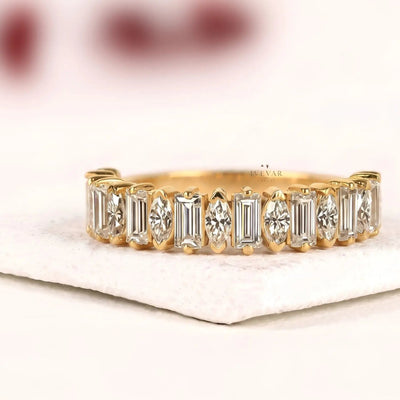
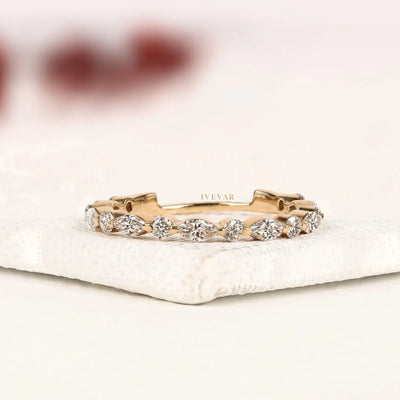
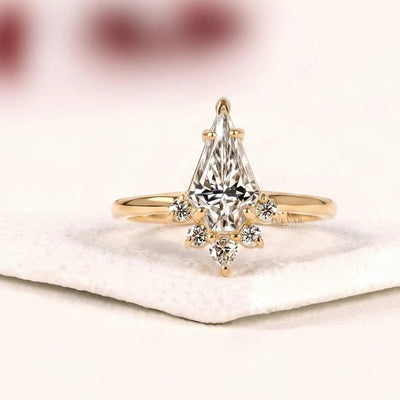
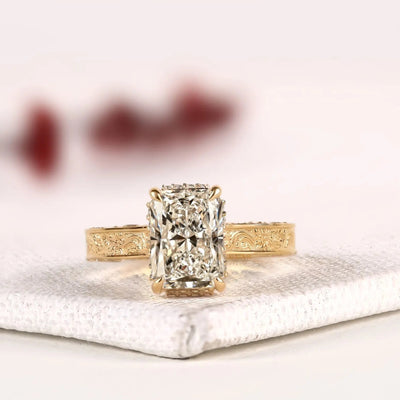
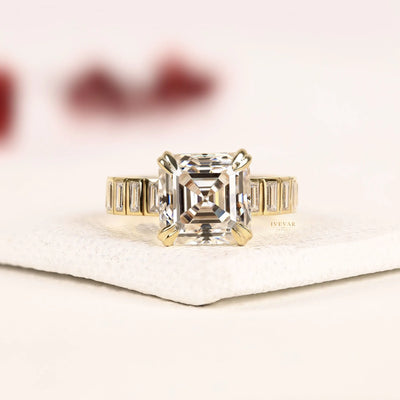
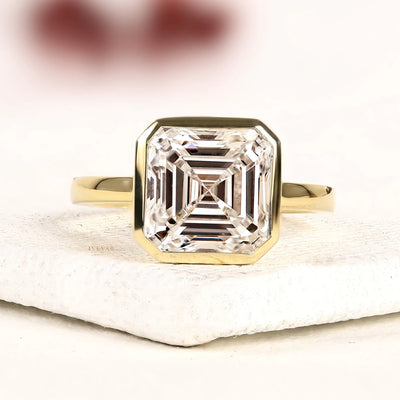
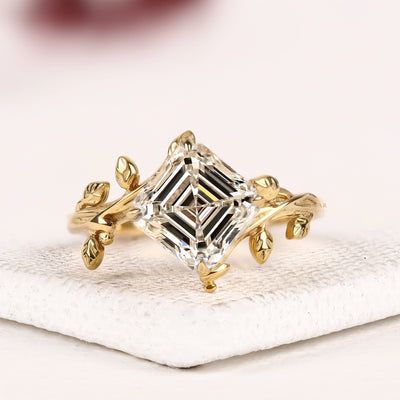
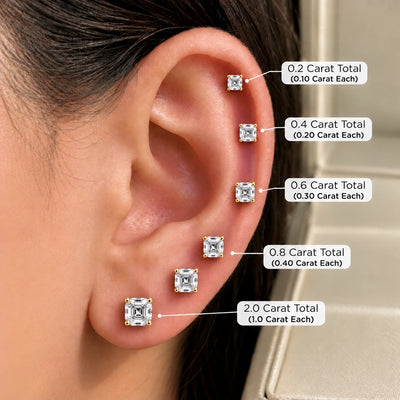
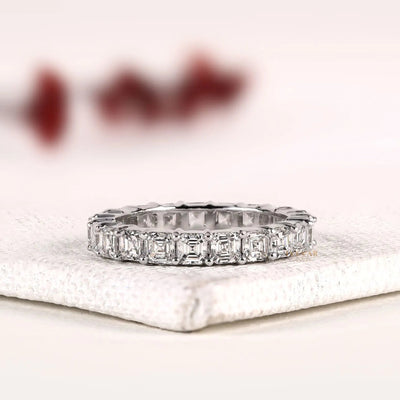
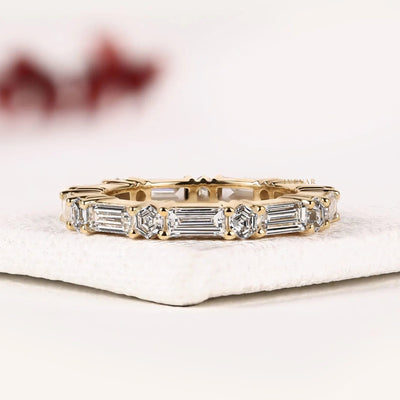
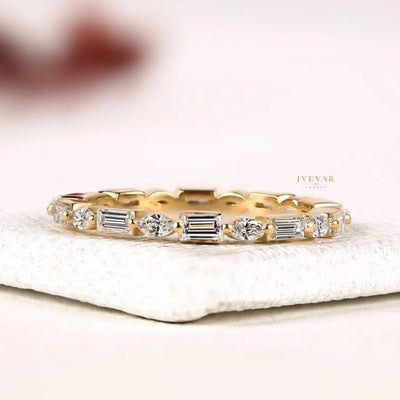
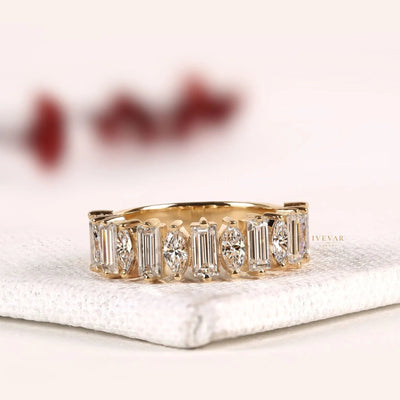
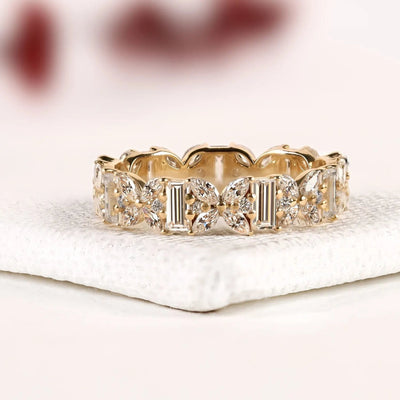
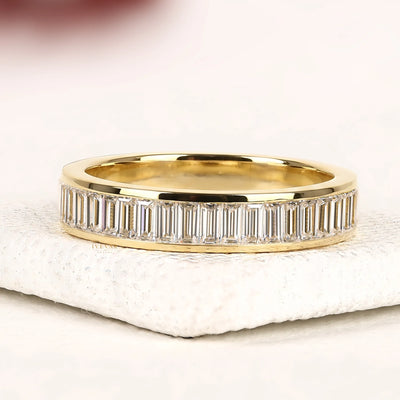
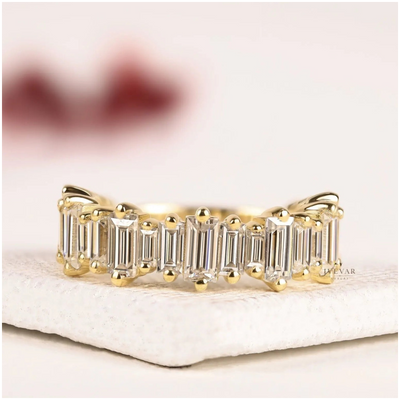
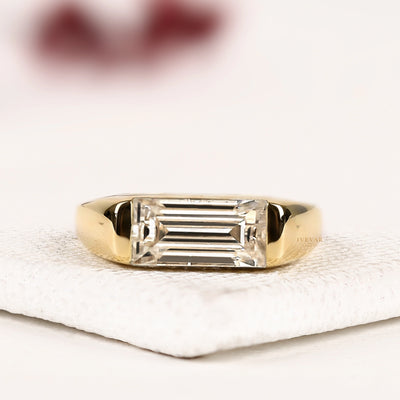
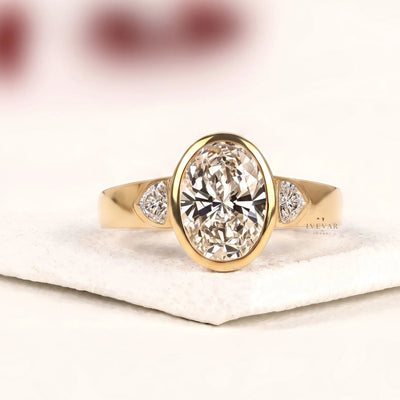
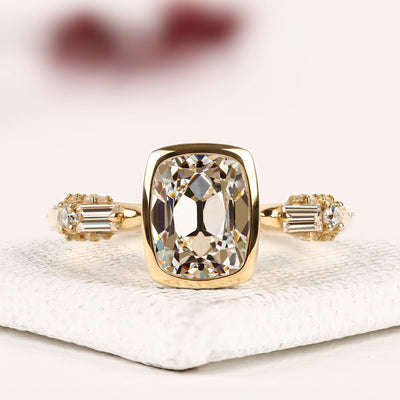
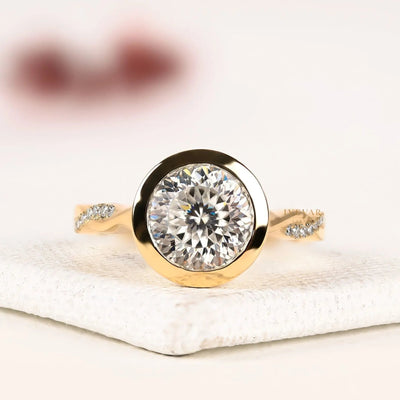
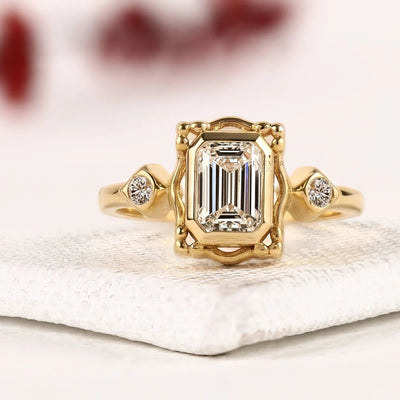
Shop the styles in this guide



Packing Checklist by Trip Type
| Trip | What to bring | Extra care |
|---|---|---|
| Business trip | Studs, a pendant, one bracelet, your rings | Wear the most valuable pieces while traveling |
| Beach holiday | Simple studs and everyday rings only | Remove rings before swimming; rinse after sea water |
| Wedding or event | Your event pieces plus everyday basics | Pack event pieces in a hard case in your carry-on |
| Long trip | A small capsule in one metal | Bring a polishing cloth and a spare pouch |
Storing Jewelry for the Long Term
Some pieces are worn only a few times a year: heirlooms, wedding jewelry, special-occasion sets. These need slightly different care.
- Clean first: clean and fully dry every piece before long-term storage.
- Wrap individually: use soft pouches or acid-free tissue, with each piece wrapped on its own.
- Control moisture: add a silica packet to the box and keep it in a cool, dry cupboard rather than a damp basement or a hot attic.
- Check twice a year: open the box, look for tarnish or loose stones, and wear the pieces if you can. Jewelry that is checked regularly rarely surprises you.
- Consider a safe: for high-value pieces you seldom wear, a home safe or a bank safe deposit box adds security.
Pearls and other organic gems should be stored flat and away from harder stones, and they need some air, so avoid sealing them in airtight plastic for long periods.
Keep Records and Insurance
Save receipts, certificates and photos in one place. For valuable pieces, consider adding them to your insurance. Read should you insure your lab grown diamond ring?
- Certificates: keep grading reports, such as IGI reports for lab grown diamonds, in a safe, dry folder, and keep a digital copy.
- Photos: photograph each piece clearly from a few angles, including any inscriptions or hallmarks.
- Descriptions: note the metal, karat, stone type and approximate size of each piece.
- Cloud backup: store copies of receipts and certificates online, so you can access them even if you are away from home.
Jewelry Built to Last at Ivevar
We handcraft durable fine jewelry in our Surat workshop, and every piece arrives in protective packaging. Every order ships free worldwide and comes with 30-day easy returns (pierced earrings can only be returned if faulty). Many of our lab grown diamonds come with IGI certificates, so you have documentation for your records. We work in 10K, 14K and 18K gold as well as 925 sterling silver, and our team can help with custom pieces through virtual appointments. Visit our jewelry care page and browse lab grown diamond earrings, everyday lab grown jewelry and lab grown diamond bracelets.
Shop Swirl and Cluster Earrings
 Celestial Swirl StudsShop Now
 Cluster Swirl Circle StudsShop Now
 Modern Swirl StudsShop Now
 Winged Swirl StudsShop Now
 Triple Diamond Swirl StudsShop Now
 Open Arc Curve StudsShop Now
Swipe to see more → | View all earrings
Frequently Asked Questions
Can diamonds scratch other jewelry?
Yes. Store diamonds separately from other pieces.
How do I stop necklaces tangling?
Hang them or fasten clasps and store flat in separate compartments.
Should I travel with fine jewelry?
Bring only what you will wear and keep it in your carry-on.
Is a bathroom a good place to store jewelry?
No. Humidity and drains are risky.
Do I need a jewelry box?
A lined box or individual pouches work well.
How do I stop silver from tarnishing?
Store it in a closed box or sealed bag with an anti-tarnish strip or silica packet, and wear it often.
Should I wear my rings on the plane?
Wearing your most valuable pieces is often safer than packing them. Fingers can swell slightly on flights, so choose rings that are comfortable.
Can I store moissanite with diamonds?
Store them separately. Moissanite and diamond are both very hard and can scratch or chip each other if they knock together.
How often should I check stored jewelry?
Every few months for pieces you rarely wear, and once a month for everyday rings and earrings, looking at prongs, clasps and backs.
Is it safe to leave jewelry in a hotel safe?
A room safe is far better than leaving pieces out. For very valuable items, wearing them or using the hotel's main safe adds another layer of security.
The Bottom Line
Separate every piece, keep jewelry dry and away from chemicals, travel light with a padded case, and keep records for peace of mind.
Related Guides
- How to clean diamond and moissanite jewelry
- How to care for your wedding band
- Everyday fine jewelry essentials

Author Bio
Aumsri Pradhan
Founder, Ivevar Luxury
Aumsri Pradhan is the founder of Ivevar Luxury, a Surat-based fine jewelry brand that designs and handcrafts lab grown diamond and moissanite jewelry in its own workshop. She leads the brand's design and customer experience, from engagement rings and bridal sets to custom pieces made to each client's story. Through the Ivevar blog, she shares practical guidance on lab grown diamonds, moissanite, diamond grading and ring design to help buyers choose with confidence.


