Engagement Rings
 Anniversary Rings
 Solitaire Rings
 Halo Rings
 Toi Moi Rings
 Three Stone Rings
 Nature Inspired Rings
 Rose Cut Rings
 Fancy Color Rings
 Antique Cut Rings
 Wedding Rings
 Wedding Band Rings
 Exclusive Lab Grown Diamond Rings
 All Lab Grown Diamond Ring
 Engagement Rings
 Three Stone Rings
 Fancy Color Rings
 Antique Cut Rings
 Daily Wear Rings
 Wedding Band Rings
 Exclusive Moissanite Rings
 Earrings
 Bracelet
 Pendant
 Necklace
 Men's Ring
 Bridal Sets
 Rings
Rings
 Earrings
 Tennis chain
 Cuban Chains
 Custom Pendant
 Custom Ring
 Custom Teeth Grillz
 Round
Round
 Oval
Oval
 Cushion
 Marquise
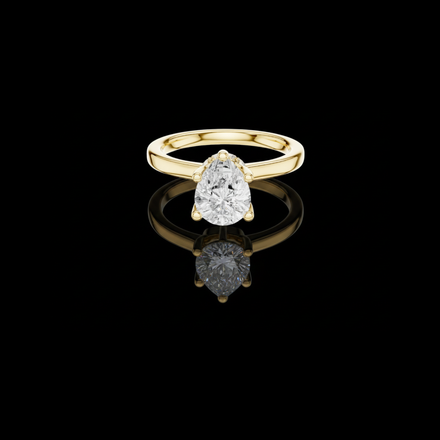
 Pear
Pear
 Emerald
 Heart
Heart
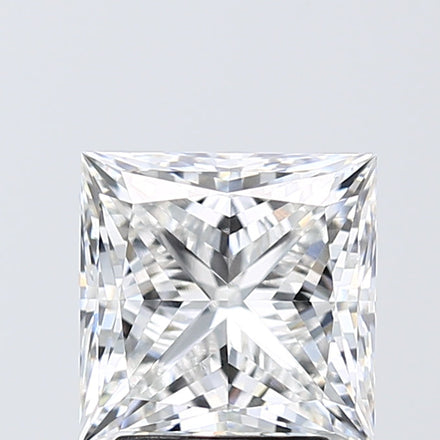
 Princess
 Rose Cut
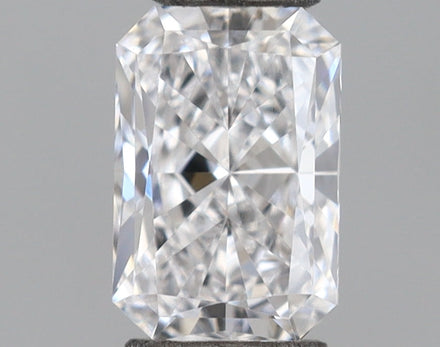
 Radiant
 Antique Cut
 Brooch
 Cufflink
 Keychain
 Unique Products
 +91 9265051773
 Virtual Appointment
 log in



CVD vs HPHT Lab Grown Diamonds: Which Is Better?
by Aumsri Pradhan on Sep 28, 2026
Quick answer: Neither CVD nor HPHT is better by default. Both methods grow real diamonds with the same hardness, sparkle and chemistry as mined diamonds. What decides how beautiful your stone is, and whether it is good value, is its individual grade: cut, color, clarity and carat, confirmed by an independent grading report.
If you are shopping for a lab grown diamond in the US, you will see "CVD" or "HPHT" on many listings and certificates. This guide explains what each term means, the small real differences between them, and how to use that information when you buy.
What Is a CVD Lab Grown Diamond?
CVD stands for Chemical Vapor Deposition. A thin diamond "seed" plate is placed in a vacuum chamber filled with carbon-rich gas, usually methane mixed with hydrogen. The gas is heated into a plasma, and carbon atoms settle onto the seed, building the diamond up layer by layer over several weeks.
Many CVD diamonds receive a post-growth heat treatment to improve their color. This is a normal industry practice, and a trustworthy grading report will note it.
What Is an HPHT Lab Grown Diamond?
HPHT stands for High Pressure, High Temperature. It recreates the conditions deep inside the earth: a small diamond seed sits in a press with carbon and a metal solvent, under extreme pressure and temperatures above 1,300°C (about 2,400°F). The carbon dissolves and crystallizes onto the seed.
HPHT is the older method. General Electric produced the first reproducible lab grown diamonds with high-pressure technology in the 1950s, and today's presses create large, high-color stones.
CVD vs HPHT: Side-by-Side Comparison
| CVD | HPHT | |
|---|---|---|
| How it grows | Layer by layer from carbon gas | From carbon under extreme pressure and heat |
| Real diamond? | Yes | Yes |
| Hardness | 10 on the Mohs scale | 10 on the Mohs scale |
| Post-growth treatment | Common, to improve color | Less common |
| Typical inclusions | Fine dark specks or graining | Small metallic flux inclusions |
| Visible to the eye in an eye-clean stone? | No | No |
| Where to confirm it | The IGI grading report | The IGI grading report |
Can You See the Difference Between CVD and HPHT?
No. In a well-cut, eye-clean diamond, you cannot tell the growth method with the naked eye or a basic diamond tester. Gemological labs identify the method with specialized equipment that reads growth patterns and trace elements. That is why the grading report is the right place to check it, not a visual inspection.
Which Method Should You Choose?
Choose the stone, not the method. Two diamonds with the same grades, one CVD and one HPHT, will look the same on the hand. Focus on these checks instead:
- Cut: Excellent or Ideal, with Excellent polish and symmetry, for the most sparkle.
- Color: D to F for icy white, or G to H for strong value, especially in yellow or rose gold.
- Clarity: VS1 or VS2 is usually eye-clean.
- Certificate: an IGI report whose number matches the listing and the girdle inscription.
If you prefer a stone that has not been treated after growth, look for the wording "as grown" on the report, or ask us to find one for you. For a full walkthrough, read our lab grown diamond buying guide.
 Shown: 2.04 Ct Cushion Cut Lab Grown Diamond, D Color, VS1, IGI Certified
Does the Method Affect Price?
Not in a way that should drive your decision. Price comes from carat, cut, color and clarity, plus market supply for a given size and shape. You will find CVD and HPHT stones at similar prices for similar grades, so compare certified grades side by side rather than paying extra for either method.
How We Handle CVD and HPHT Diamonds at Ivevar
We design and handcraft our jewelry in our own workshop in Surat, India, one of the world's main diamond-cutting centers, and offer free worldwide shipping. We select both CVD and HPHT stones based on how they perform: cut quality, color, clarity and eye-clean appearance. For certified loose diamonds, we share the grading report so you can confirm the growth method and match the report number yourself. You can browse certified loose lab grown diamonds or ready-to-wear lab grown diamond engagement rings.
Shop Certified Loose Lab Grown Diamonds
 2.04 Ct Cushion, D Color, VS1Shop Now
 2.42 Ct Cushion, E Color, VS1Shop Now
 2.67 Ct Cushion, D Color, VS1Shop Now
 3.02 Ct Cushion, E Color, VS1Shop Now
 4.03 Ct Cushion, E Color, VS1Shop Now
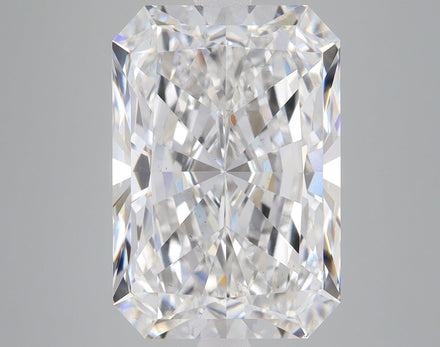
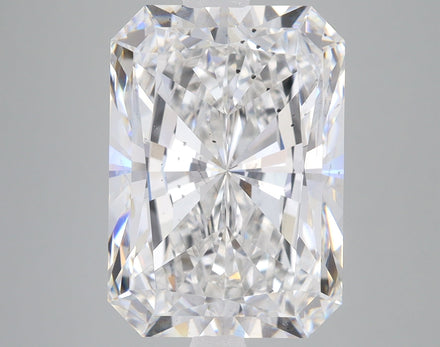
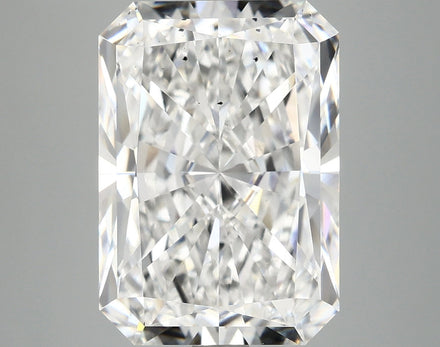
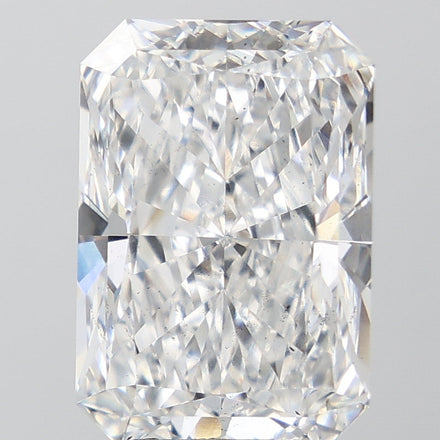
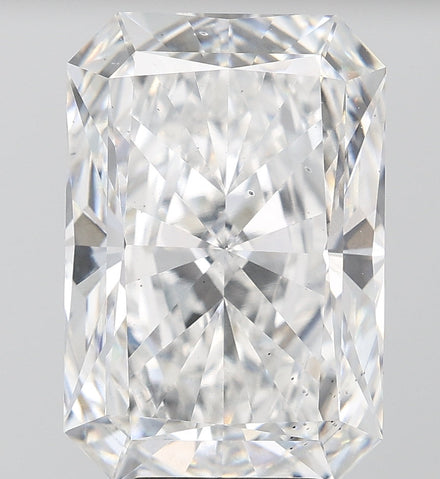
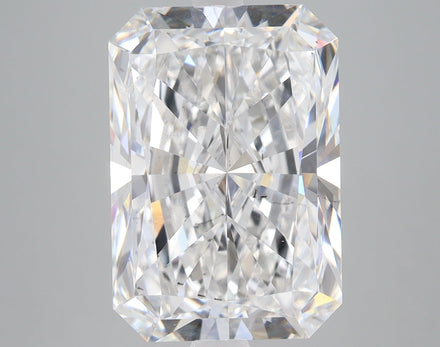
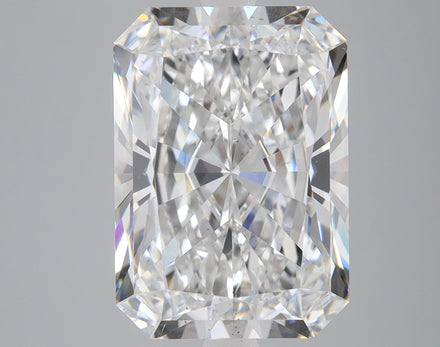
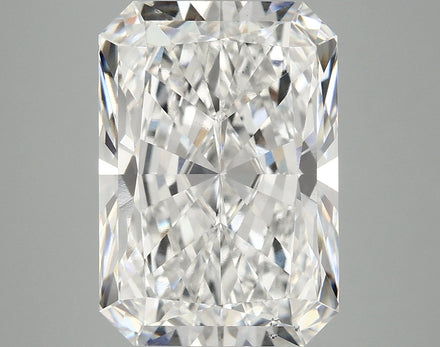
 5.02 Ct Radiant, G Color, VS1Shop Now
Swipe to see more → | View all loose lab grown diamonds
Frequently Asked Questions
Is CVD or HPHT more valuable?
Neither method carries a set premium. Value comes from the diamond's grades and size, so compare certified stones with the same cut, color, clarity and carat.
Are CVD diamonds real diamonds?
Yes. CVD and HPHT diamonds are both made of pure carbon in the same crystal structure as mined diamonds. The US Federal Trade Commission recognizes lab grown diamonds as real diamonds.
Is a treated CVD diamond a bad choice?
No. Post-growth heat treatment is a standard, stable process that improves color. It should always be disclosed on the grading report, and it does not wear off.
Will a jeweler know if my diamond is CVD or HPHT?
Not by looking at it. A gemological lab can identify the method with specialized instruments, and the result is recorded on the grading report.
The Bottom Line
CVD and HPHT are two routes to the same result: a real, durable diamond. Pick the stone with the best cut, a color and clarity you are happy with, and a matching IGI report. Want help comparing two stones? Our team can review the certificates with you before you buy.
Related Guides
- How to buy a lab grown diamond: a simple buying guide
- Are lab grown diamonds real? The facts explained
- CVD diamonds in fashion

Author Bio
Aumsri Pradhan
Founder, Ivevar Luxury
Aumsri Pradhan is the founder of Ivevar Luxury, a Surat-based fine jewelry brand that designs and handcrafts lab grown diamond and moissanite jewelry in its own workshop. She leads the brand's design and customer experience, from engagement rings and bridal sets to custom pieces made to each client's story. Through the Ivevar blog, she shares practical guidance on lab grown diamonds, moissanite, diamond grading and ring design to help buyers choose with confidence.