Engagement Rings
 Anniversary Rings
 Solitaire Rings
 Halo Rings
 Toi Moi Rings
 Three Stone Rings
 Nature Inspired Rings
 Rose Cut Rings
 Fancy Color Rings
 Antique Cut Rings
 Wedding Rings
 Wedding Band Rings
 Exclusive Lab Grown Diamond Rings
 All Lab Grown Diamond Ring
 Engagement Rings
 Three Stone Rings
 Fancy Color Rings
 Antique Cut Rings
 Daily Wear Rings
 Wedding Band Rings
 Exclusive Moissanite Rings
 Earrings
 Bracelet
 Pendant
 Necklace
 Men's Ring
 Bridal Sets
 Rings
Rings
 Earrings
 Tennis chain
 Cuban Chains
 Custom Pendant
 Custom Ring
 Custom Teeth Grillz
 Round
Round
 Oval
Oval
 Cushion
 Marquise
 Pear
Pear
 Emerald
 Heart
Heart
 Princess
 Rose Cut
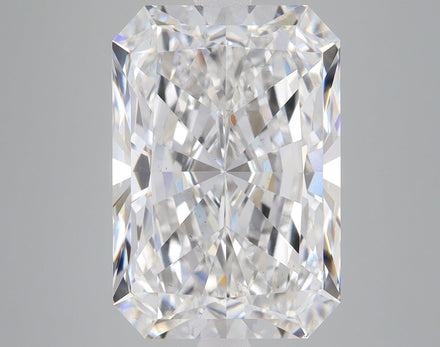
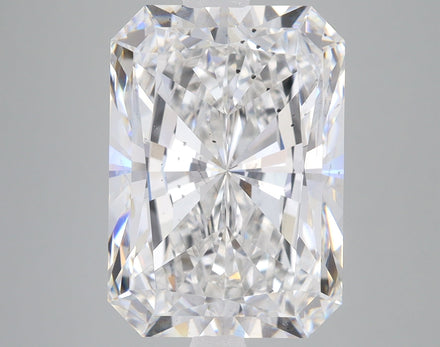
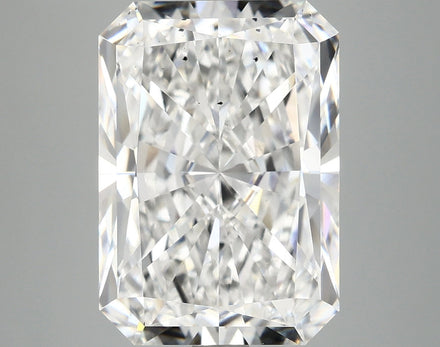
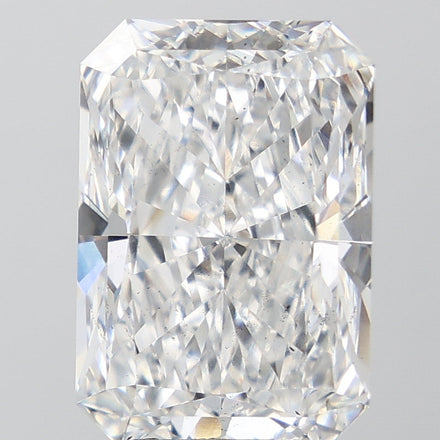
 Radiant
 Antique Cut
 Brooch
 Cufflink
 Keychain
 Unique Products
 +91 9265051773
 Virtual Appointment
 log in



IGI vs GIA Certificate for Lab Grown Diamonds: What's the Difference?
by Aumsri Pradhan on Sep 28, 2026
Quick answer: For most lab grown diamonds sold in the US today, an IGI report is the more useful certificate because it lists the full grades: cut, color, clarity, carat and measurements. Since October 1, 2025, GIA no longer gives lab grown diamonds letter grades for color and clarity. Instead, it labels them "Premium" or "Standard," which confirms quality but makes side-by-side comparison harder.
Both labs are respected and independent. The difference is in how much detail each report gives you, so it helps to know what to look for before you buy.
What Does an IGI Lab Grown Diamond Report Show?
The International Gemological Institute (IGI) grades the large majority of lab grown diamonds on the US market. A typical IGI report for a lab grown diamond includes:
- Carat weight and measurements in millimeters.
- Color grade on the D to Z scale.
- Clarity grade, from Flawless down through VVS, VS and SI.
- Cut, polish and symmetry grades.
- Growth method (CVD or HPHT) and whether the stone was treated after growth.
- A report number, usually laser-inscribed on the diamond's girdle.
What Changed With GIA Lab Grown Reports?
GIA used to grade lab grown diamonds much like natural ones. In 2025 it changed its approach. For lab grown diamonds submitted from October 1, 2025, GIA no longer issues individual D-to-Z color or clarity grades. Each stone is described as either Premium or Standard, based on an overall assessment of color, clarity and finish. A stone that does not meet GIA's minimum bar receives no designation.
GIA reports issued before that date are still valid and keep their original letter grades. GIA also grades only a small share of lab grown diamonds, so you will see IGI reports far more often when shopping.
IGI vs GIA: Side-by-Side Comparison
| IGI report | GIA report (from Oct 2025) | |
|---|---|---|
| Color grade | Letter grade, D to Z | Rolled into Premium or Standard |
| Clarity grade | Specific grade, e.g. VS1 | Rolled into Premium or Standard |
| Cut, polish, symmetry | Listed | Part of the overall assessment |
| Confirms lab grown | Yes | Yes |
| How common on US listings | Very common | Less common |
| Best for | Comparing exact grades between stones | A simple quality tier from GIA |
Which Certificate Should You Choose?
Choose the report that lets you compare what you are paying for. If you are weighing two 1.5 carat ovals, an IGI report shows you exactly how their color and clarity differ, so you can decide whether an upgrade is worth the price. A GIA Premium or Standard label tells you the stone passed GIA's quality bar, but two Standard stones can still look slightly different.
Whichever lab you see, run these three checks before you buy:
- Match the number. The report number on the listing should match the certificate and the girdle inscription.
- Match the details. Carat weight, shape and measurements on the report should match the product page.
- Verify online. Both IGI and GIA let you look up a report number on their websites.
 Shown: 2.10 Ct Emerald Cut Lab Grown Diamond, I Color, VVS2, IGI Certified
Do Small Diamonds Need a Certificate?
Usually not. Accent stones in a pave band or halo are too small to certify individually. Certification matters most for a center stone, typically 0.5 carat and up, where color and clarity have the biggest effect on looks and price.
How Certification Works at Ivevar
We handcraft our jewelry in our own workshop in Surat, India, and offer free worldwide shipping. For certified loose diamonds, we share the grading report before you buy so you can check the grades and verify the number yourself. Browse our certified loose lab grown diamonds or choose a finished lab grown diamond engagement ring.
Shop IGI Certified Lab Grown Diamonds
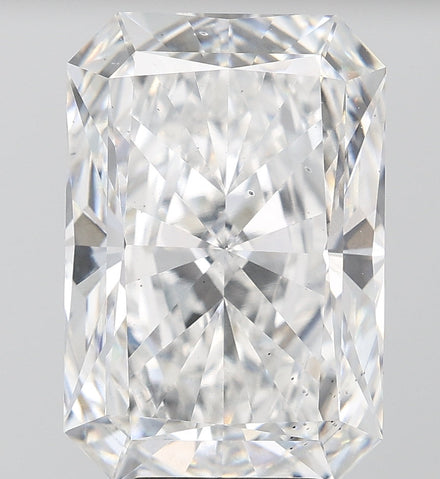
 2.10 Ct Emerald, I Color, VVS2Shop Now
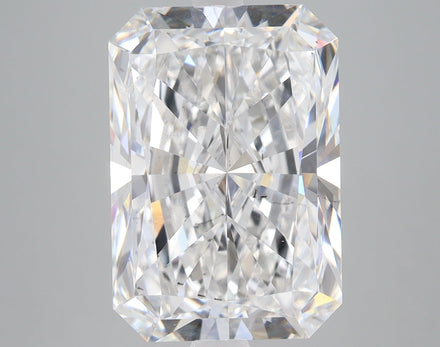
 2.06 Ct Marquise, F Color, VVS2Shop Now
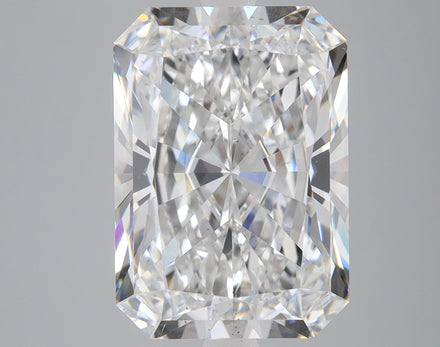
 3.17 Ct Heart, I Color, VS1Shop Now
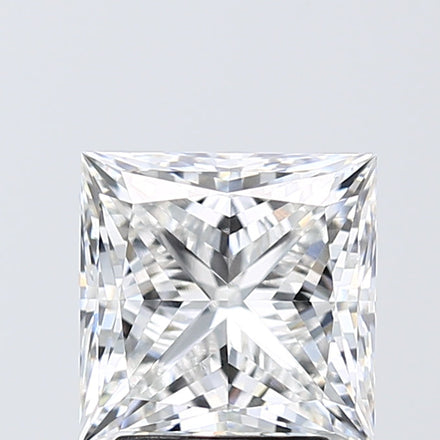
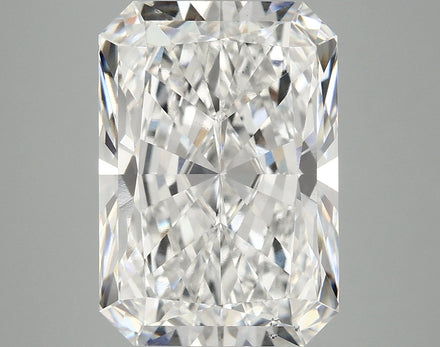
 2.96 Ct Princess, I Color, VS1Shop Now
 3.10 Ct Princess, I Color, VS1Shop Now
 0.25 Ct Princess, F Color, VVS2Shop Now
Swipe to see more → | View all loose lab grown diamonds
Frequently Asked Questions
Is IGI as good as GIA for lab grown diamonds?
For lab grown diamonds, IGI is the most widely used lab and gives the most detailed grades. GIA is highly respected but now uses broad Premium and Standard labels for lab grown stones.
Is my older GIA lab grown report still valid?
Yes. Reports issued before October 1, 2025 keep their original color and clarity grades.
What does GIA Premium mean?
Premium is GIA's top quality tier for lab grown diamonds, based on its overall read of color, clarity and finish. Standard is the tier below it.
Should I buy a lab grown diamond without a certificate?
For a center stone, we recommend a report from an independent lab. It protects you by confirming the grades and that the stone is lab grown.
The Bottom Line
An IGI report gives you the detail you need to compare lab grown diamonds grade by grade. A GIA report gives a simpler quality tier. Either way, match the report number and the details to the listing, and ask questions before you buy.
Related Guides
- How to buy a lab grown diamond: a simple buying guide
- Are lab grown diamonds real? The facts explained
- Lab grown diamonds: common myths busted
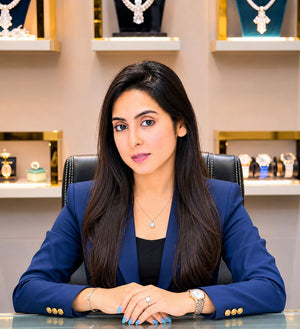
Author Bio
Aumsri Pradhan
Founder, Ivevar Luxury
Aumsri Pradhan is the founder of Ivevar Luxury, a Surat-based fine jewelry brand that designs and handcrafts lab grown diamond and moissanite jewelry in its own workshop. She leads the brand's design and customer experience, from engagement rings and bridal sets to custom pieces made to each client's story. Through the Ivevar blog, she shares practical guidance on lab grown diamonds, moissanite, diamond grading and ring design to help buyers choose with confidence.