

 Engagement Rings
 Anniversary Rings
 Solitaire Rings
 Halo Rings
 Toi Moi Rings
 Three Stone Rings
 Nature Inspired Rings
 Rose Cut Rings
 Fancy Color Rings
 Antique Cut Rings
 Wedding Rings
 Wedding Band Rings
 Exclusive Lab Grown Diamond Rings
 All Lab Grown Diamond Ring
 Engagement Rings
 Three Stone Rings
 Fancy Color Rings
 Antique Cut Rings
 Daily Wear Rings
 Wedding Band Rings
 Exclusive Moissanite Rings
 Earrings
 Bracelet
 Pendant
 Necklace
 Men's Ring
 Bridal Sets
 Rings
 Earrings
 Tennis chain
 Cuban Chains
 Custom Pendant
 Custom Ring
 Custom Teeth Grillz
 Round
 Oval
 Cushion
 Marquise
 Pear
 Emerald
 Heart
 Princess
 Rose Cut
 Radiant
 Antique Cut
 Brooch
 Cufflink
 Keychain
 Unique Products
 +91-9265051773
 Virtual Appointment
 log in




Short answer: White diamonds are transparent and sparkle with brilliance and fire, which is why they are the timeless choice for engagement rings. Black diamonds are opaque, with a glossy, almost metallic luster instead of sparkle; they look bold, edgy and dramatic. Most black diamonds sold today are treated or lab grown, and they usually cost less per carat. Choose white for classic sparkle, black for a unique, modern statement, or combine both for striking contrast.
Black and white diamonds are the same mineral, crystallised carbon, yet they look and behave so differently that choosing between them is really a choice between two styles of jewelry. One is about light and sparkle; the other is about colour, shine and contrast. This guide explains what makes each one look the way it does, how they are graded, how durable they are, which settings suit them and how to decide which one belongs in your ring.
Black vs White Diamonds at a Glance
| Feature | White diamond | Black diamond |
|---|---|---|
| Appearance | Transparent, sparkling | Opaque, glossy luster |
| How it handles light | Light enters, bounces and returns as sparkle | Light reflects off the surface |
| Grading | 4Cs (colour D to Z, clarity FL to I3) | Mostly cut, carat and polish |
| Style | Classic, romantic | Bold, edgy, gothic or modern |
| Price per carat | Higher | Lower |
| Hardness | 10 on Mohs, tough | 10 on Mohs, can be more brittle due to inclusions |
| Popular pairing | Any metal | Rose gold, yellow gold, white diamond halos |
Why They Look So Different
A white diamond is transparent. Light enters through the top, reflects off the angled facets underneath and comes back out through the top. On the way it splits into flashes of white light (brilliance) and rainbow colours (fire). Cut quality controls how well this works, which is why cut is the most important of the 4Cs for a white diamond.
A black diamond is opaque. Its colour comes from a very high concentration of dark inclusions or, in treated and lab grown stones, from a process that darkens the whole crystal. Light cannot travel through it, so there is no internal sparkle. Instead, the polished facets act like tiny mirrors and give a bright, glossy shine across the surface. Think of the difference between a crystal glass and polished black onyx, but with diamond's hardness and a much sharper polish.
That is why the two stones suit such different designs. A white diamond is usually shown off in an open setting that lets light in. A black diamond does not need light from behind, so it works well in bezels, closed settings and dense pavé.
Natural, Treated and Lab Grown Black Diamonds
There are three main kinds of black diamond, and it is worth knowing which one you are buying.
- Natural black diamonds: Mined stones whose colour comes from dense natural inclusions, often of graphite. They are relatively rare and often porous or heavily included.
- Treated black diamonds: Natural diamonds of lower quality that are irradiated or heat-treated to turn them an even black. Most black diamonds in jewelry are of this kind. The treatment is stable and permanent under normal wear.
- Lab grown black diamonds: Diamonds grown by CVD or HPHT and then treated or grown to a deep, even black. They are real diamond, with the same hardness as any other diamond.
All three are genuine diamond. The differences are in origin, consistency of colour and price. Lab grown and treated stones tend to have the most even, jet-black colour, which many people actually prefer.
Black diamonds vs other black gemstones
Several other black stones look similar at a glance, so it helps to know how they compare. Black onyx is a variety of chalcedony with a hardness of about 6.5 to 7 on the Mohs scale; it scratches far more easily and has a softer, waxier shine. Black spinel is harder, at about 8, and has good luster, but it still cannot match diamond's scratch resistance or its sharp, mirror-like polish. Black diamond, at 10, keeps its crisp facet edges and glossy surface for years of daily wear. If a "black stone" ring seems unusually cheap, check which material it actually is.
Tip: Ask whether a black diamond is natural colour, treated or lab grown. Any honest seller will tell you, and it helps you compare prices fairly.
How Each Is Graded
White diamonds
White diamonds are graded on the 4Cs. Colour runs from D (colourless) to Z (light yellow or brown). Clarity runs from Flawless to I3 depending on inclusions seen under 10x magnification. Cut grades how well the stone returns light, and carat measures weight. Lab grown white diamonds are graded by labs such as IGI and GIA, and many of our lab diamonds come with IGI certificates.
Black diamonds
Because black diamonds are opaque, colour and clarity grading do not work in the usual way. You cannot see inclusions inside a stone that does not let light through. Instead, judge a black diamond on:
- Evenness of colour: Good stones are uniformly black, with no grey, brown or patchy areas.
- Polish and luster: The surface should look glassy and bright, not dull or pitted.
- Surface condition: Check for pits, chips or cavities, especially on the table.
- Cut and symmetry: Even facets give a crisp, mirror-like flash.
- Carat and size: As with any stone, measure in millimetres as well as carats.
 Shown: Fancy Black Kite Lab Diamond Wedding Bridal Ring Set
Why Choose White or Black?
Both stones have real strengths. The right one depends on the look you want, how you wear your jewelry and what matters most to you.
Reasons to choose white
- Maximum sparkle: Nothing else returns light quite like a well cut white diamond.
- Timeless: It suits every style, era and outfit, so it will not feel dated.
- Versatile: It works with yellow, white and rose gold and with any setting.
- Toughest option: A clean white diamond has fewer internal weak points than a heavily included black one.
- Easy to match: Wedding bands, earrings and pendants in white diamond are easy to pair later.
Reasons to choose black
- Distinctive look: It stands apart from the classic solitaire and gets noticed for its colour, not its size.
- Beautiful contrast: A black centre stone framed by white diamond accents is one of the most striking combinations in jewelry.
- Value: Black diamonds usually cost less per carat than white diamonds of a similar size.
- Versatile style: Popular for men's rings, alternative bridal sets and fashion pieces.
- Hides everyday dirt: An opaque stone does not lose its look when it gets a little dull from lotion or soap, unlike a white diamond.
Buying online: what to check
Photos can make both stones look better or worse than they are, so ask for more than one view.
- For white diamonds: Look for a certificate (IGI or GIA for lab grown), a video in natural light and the exact colour, clarity and measurements.
- For black diamonds: Ask for a close-up video that shows the surface under light. You are checking for even colour, a bright polish and no pits or chips.
- For both: Confirm the millimetre size and the metal karat, and read the return policy before you pay.
Durability and Everyday Wear
Both black and white diamonds score 10 on the Mohs scale, so both resist scratching better than any other gemstone. Hardness is not the whole story, though. Toughness, meaning resistance to chipping and breaking, depends on what is inside the stone.
Natural black diamonds often contain many inclusions and fractures, which can make them more prone to chipping from a hard knock. Treated and lab grown black diamonds vary, but it is wise to treat any black diamond with a little more care than a clean white one.
| Wear situation | White diamond | Black diamond |
|---|---|---|
| Daily engagement ring | Excellent in any setting | Good in a protective setting |
| Men's ring, hands-on work | Excellent | Good with a bezel or flush setting |
| Earrings and pendants | Excellent | Excellent; little risk of knocks |
| Ultrasonic cleaning | Usually safe for clean stones | Avoid; use warm soapy water |
| Sharp blows | Can still chip on edges | More likely to chip |
Best Settings and Metals
Settings
- Bezel: The best choice for black diamonds. A metal rim protects the edges and suits the bold, graphic look.
- Halo: A black centre stone inside a white diamond halo creates strong contrast. A white centre in a black halo is a striking reverse.
- Prong solitaire: Ideal for white diamonds because it lets in the most light. For black diamonds, choose sturdy prongs.
- Pavé and channel bands: Small black diamonds in a band look sleek and modern, especially in men's rings.
Metals
White diamonds work in any metal. Black diamonds look especially rich in rose gold, which warms the black, and in yellow gold, which gives a vintage, almost gothic contrast. In white gold, a black diamond looks sharp and monochrome. We make jewelry in 10K, 14K and 18K gold, so you can choose the colour and karat that suit your style and daily wear.
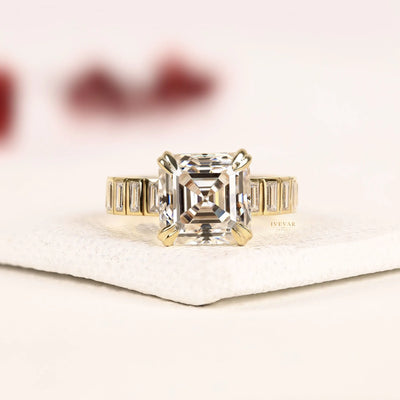
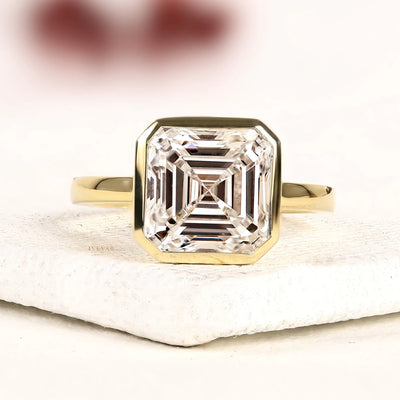
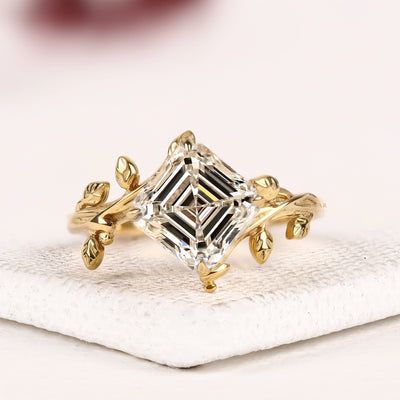
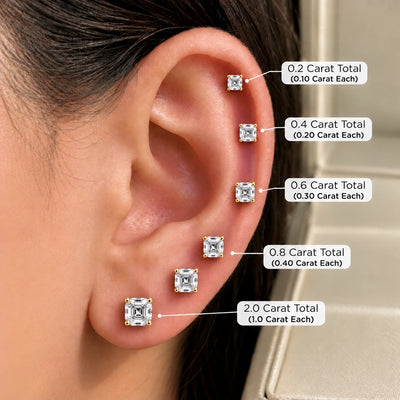
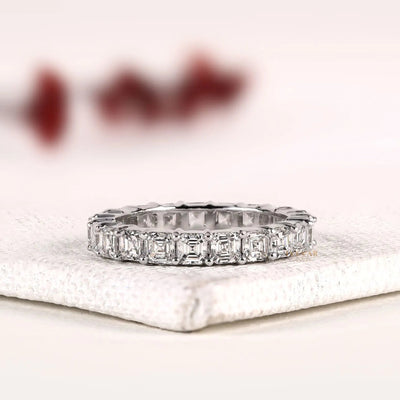
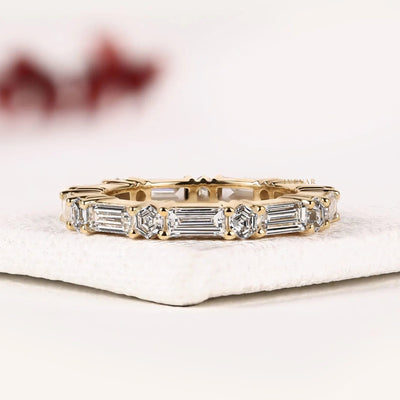
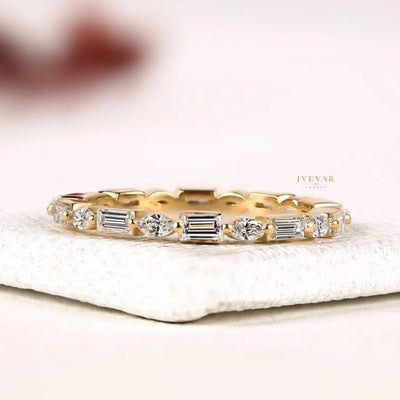
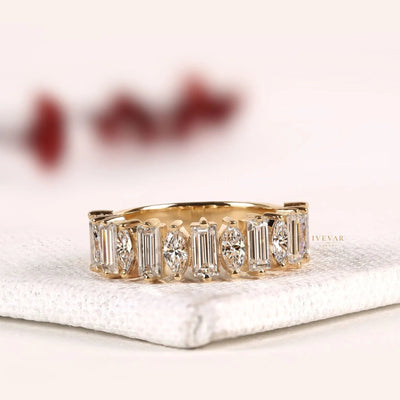
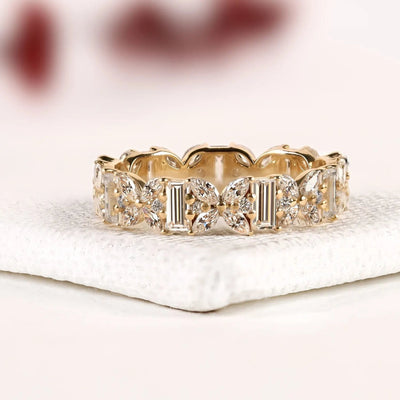
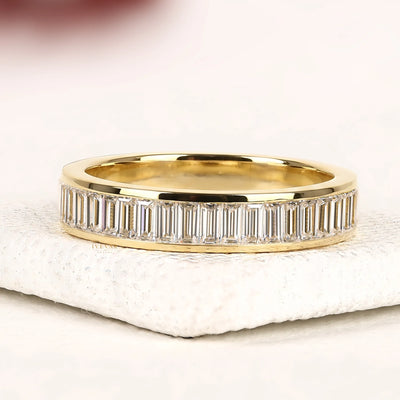
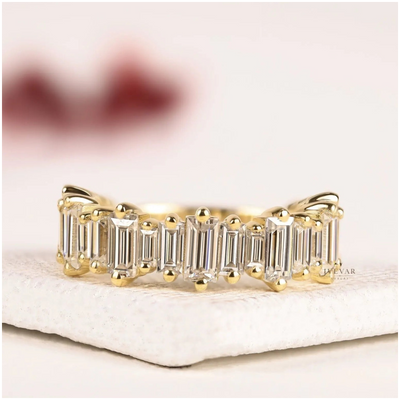
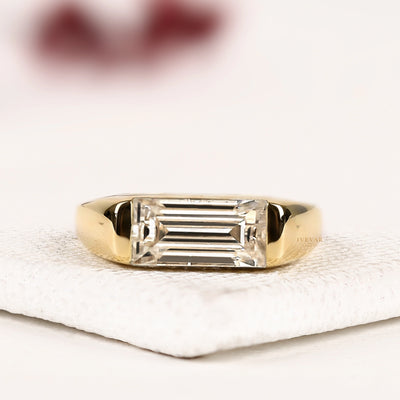
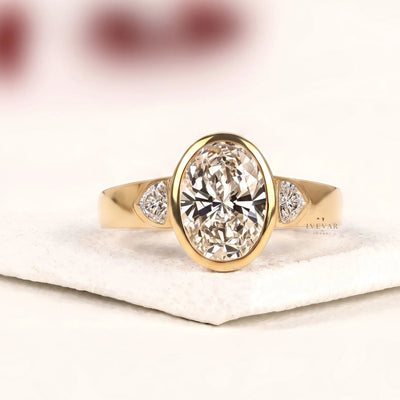
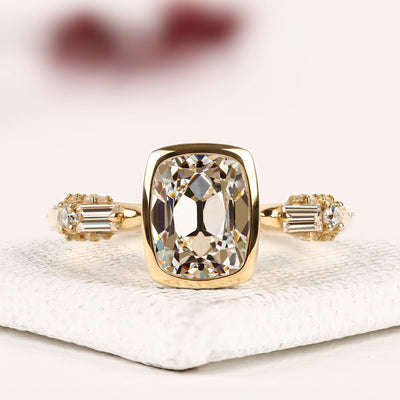
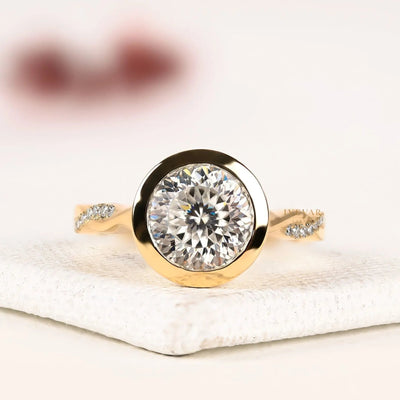
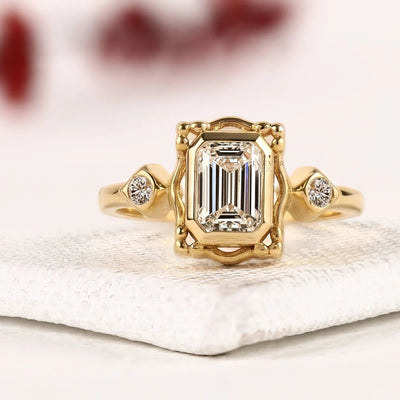
Shop the styles in this guide
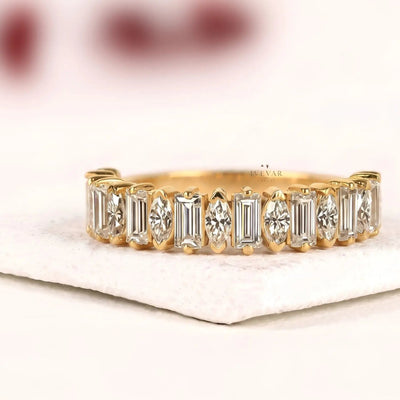
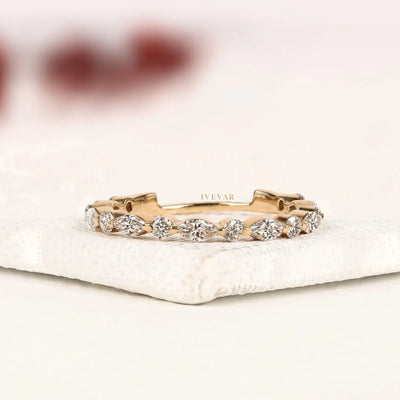
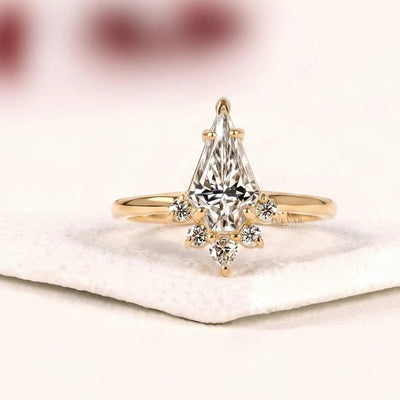
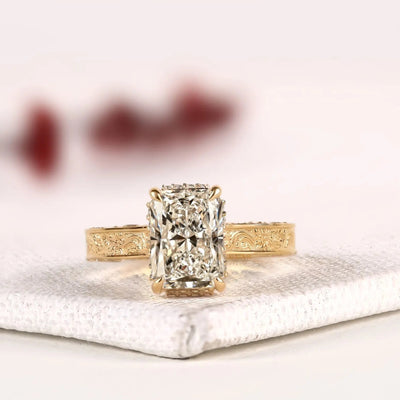



Combining Black and White Diamonds
You do not have to choose one. Mixing black and white diamonds is one of the easiest ways to make a ring that feels personal.
- Black centre, white halo: The classic contrast design. The white halo adds sparkle around the dark stone.
- White centre, black accents: Keeps the traditional sparkle at the centre with a modern edge on the band.
- Toi et moi: One black and one white stone side by side, a symbol of two people coming together.
- Bridal sets: A white engagement ring with a black diamond wedding band, or the other way round.
- Alternating bands: Black and white stones in turn around an eternity band.
Styling tips
Black diamonds read as a strong graphic accent, so they tend to look best when the rest of the design is simple. A single black stone in a clean bezel, a slim black pavé band or a pair of black studs can carry an outfit on their own. White diamonds are the opposite: they reflect whatever is around them, so they suit layered looks, stacked bands and statement pieces.
If you wear a lot of yellow gold, black diamonds give a warm, vintage contrast. If your wardrobe is mostly black, white and grey, black diamonds in white gold look sharp and modern. For evening wear, a black and white combination catches the eye from across a room without looking flashy.
Care Tips for Black Diamonds
Black diamonds often contain many inclusions, which can make them more prone to chipping from hard knocks. Choose protective settings like bezels, and clean gently with warm soapy water and a soft brush. Avoid ultrasonic and steam cleaners, which can stress included stones. Store black diamond jewelry separately so harder pieces do not scratch the metal, and take rings off for the gym and heavy work.
White diamonds need a different kind of care. They do not chip as easily, but they lose sparkle quickly when lotion, soap and skin oils coat the underside of the stone. A weekly soak in warm soapy water and a gentle brush behind the stone brings the sparkle back. For both stones, have the prongs or bezel checked by a jeweler once in a while, since a loose setting is the most common reason stones are lost.
Read colored and black diamonds and black diamond engagement rings.
Which Should You Choose?
- Want maximum sparkle? Choose white.
- Want something nobody else has? Choose black, or a black and white combination.
- Wear your ring for hands-on work? White is tougher; if you prefer black, use a bezel.
- Buying for a man? Black diamond bands and signet-style rings are a popular choice.
- On a tighter budget? Black usually gives you more size for the money.
- Not sure? Try a white centre stone with black accents. It keeps the classic look but adds personality.
Price and value
White diamond prices rise steeply with carat, colour and clarity, so a large, high-grade white stone is a significant purchase. Lab grown white diamonds cost much less than mined diamonds of the same grade, which is why many buyers now choose them for a bigger or better stone within the same budget.
Black diamonds are priced mainly on size, polish and evenness of colour, because colour and clarity grades do not apply in the usual way. That usually makes them cheaper per carat. The trade-off is that a black diamond's value is in its look rather than in a grading report, so buy one because you love it, not as an investment.
Black and White Diamonds at Ivevar
We craft black and white lab grown diamond jewelry in our Surat workshop, and we can design custom pieces that mix the two. Book a virtual appointment if you want to see stones on video before you choose. Every order ships free worldwide, with 30-day easy returns. Browse fancy color rings, white pear lab diamonds, lab diamond engagement rings and men's lab diamond rings.
Shop Black and White Diamonds
 Black Kite Bridal SetShop Now
 0.46 Ct E VS1 PearShop Now
 0.47 Ct E VS1 PearShop Now
 0.48 Ct E VS1 PearShop Now
 0.49 Ct E VS1 PearShop Now
 0.41 Ct Light Brown PearShop Now
Swipe to see more → | View pear lab diamonds
Frequently Asked Questions
Do black diamonds sparkle?
They shine with luster rather than sparkle. Light reflects off their polished surface instead of passing through the stone.
Are black diamonds real diamonds?
Yes. They can be natural, treated or lab grown, and all are genuine diamond.
Are black diamonds cheaper?
Usually, per carat, than white diamonds of a similar size.
Are black diamonds durable?
They are just as hard (10 on Mohs) but can be more brittle because of inclusions. Protect them with good settings.
Can I combine black and white diamonds?
Yes. It creates striking contrast, for example a black centre stone in a white diamond halo.
Are lab grown black diamonds real?
Yes. They are grown by CVD or HPHT and are real diamond, then treated or grown to a deep black.
Is a black diamond good for an engagement ring?
It can be, especially in a bezel or halo setting. Choose a well polished stone with even colour and wear it with care.
Do black diamonds fade or change colour?
No. The colour of natural, treated and lab grown black diamonds is stable under normal wear and does not fade in sunlight.
Which is better for a man's ring?
Both work. Black diamonds are a popular choice for men's bands because they look bold and understated at the same time. Choose a bezel or channel setting for daily wear.
How do I clean a black diamond?
Use warm soapy water and a soft brush. Avoid ultrasonic and steam cleaners.
The Bottom Line
White diamonds offer timeless sparkle and the toughest everyday wear. Black diamonds offer bold individuality, glossy shine and good value. Together, they make a powerful statement.
Related Guides

Author Bio
Aumsri Pradhan
Founder, Ivevar Luxury
Aumsri Pradhan is the founder of Ivevar Luxury, a Surat-based fine jewelry brand that designs and handcrafts lab grown diamond and moissanite jewelry in its own workshop. She leads the brand's design and customer experience, from engagement rings and bridal sets to custom pieces made to each client's story. Through the Ivevar blog, she shares practical guidance on lab grown diamonds, moissanite, diamond grading and ring design to help buyers choose with confidence.

SI1 vs VS1 Diamond Clarity

Custom vs Ready-Made Rings

