

 Engagement Rings
 Anniversary Rings
 Solitaire Rings
 Halo Rings
 Toi Moi Rings
 Three Stone Rings
 Nature Inspired Rings
 Rose Cut Rings
 Fancy Color Rings
 Antique Cut Rings
 Wedding Rings
 Wedding Band Rings
 Exclusive Lab Grown Diamond Rings
 All Lab Grown Diamond Ring
 Engagement Rings
 Three Stone Rings
 Fancy Color Rings
 Antique Cut Rings
 Daily Wear Rings
 Wedding Band Rings
 Exclusive Moissanite Rings
 Earrings
 Bracelet
 Pendant
 Necklace
 Men's Ring
 Bridal Sets
 Rings
 Earrings
 Tennis chain
 Cuban Chains
 Custom Pendant
 Custom Ring
 Custom Teeth Grillz
 Round
 Oval
 Cushion
 Marquise
 Pear
 Emerald
 Heart
 Princess
 Rose Cut
 Radiant
 Antique Cut
 Brooch
 Cufflink
 Keychain
 Unique Products
 +91-9265051773
 Virtual Appointment
 log in




Short answer: Colored diamonds (called "fancy color" diamonds) come in yellow, pink, blue, green, brown and black, among others. They are graded by hue and intensity, from Fancy Light to Fancy Vivid. Black diamonds are opaque and prized for a bold, dramatic look. Natural fancy colors can be extremely expensive, while lab grown and treated colored diamonds, plus colored moissanite and sapphires, make these looks far more affordable. All of these stones are durable enough for daily wear.
Color adds personality to jewelry. A canary yellow solitaire, a soft pink halo or a sleek black diamond band says something a white diamond doesn't. But colored diamonds follow different rules from white ones: color matters more than anything else, origin and treatment change the value completely, and black diamonds behave differently from every other color. This guide explains how colored and black diamonds work so you can buy with confidence.
Fancy Color Intensity Grades
White diamonds are graded on how little color they show. Fancy color diamonds are graded the opposite way: on how much color they show and how attractive it is. The intensity scale runs from barely tinted to deeply saturated.
| Grade | Look |
|---|---|
| Faint to Very Light | Barely noticeable tint |
| Light | Noticeable but pale color |
| Fancy Light | Soft pastel |
| Fancy | Clear, even color |
| Fancy Intense | Strong, rich color |
| Fancy Vivid | Most saturated and vibrant |
| Fancy Deep or Dark | Deep, dark tones |
The lightest grades overlap with the bottom of the white diamond color scale. A stone only enters "fancy" territory once its color is strong enough to look deliberate rather than like a warm tint.
How Colored Diamonds Are Graded
A fancy color grade describes three things working together:
- Hue: the basic color, such as yellow, pink or blue.
- Tone: how light or dark the color is.
- Saturation: how strong or pure the color is.
Many stones have a main hue plus a secondary one, called a modifier. A grading report might read "Fancy Intense Orangy Yellow" or "Fancy Light Purplish Pink." The last word is the main color; the words before it describe the modifier and intensity. A pure hue with no modifier is usually the most sought after.
Why cut and shape matter for color
Fancy colors are graded face-up, the way you see them when the stone is set. Cutters often choose shapes with many facets and deep pavilions, such as radiant and cushion cuts, because they bounce light around inside the stone and make the color look stronger and more even. Round brilliants are cut for white sparkle and tend to show color less intensely.
Clarity matters less in colored diamonds than in white ones. The body color masks small inclusions, so color and overall beauty come first. Choose a stone that looks clean to the eye and focus your budget on the color you love.
Popular Colors
Each color has its own personality, and its own cause.
- Yellow (canary): sunny, warm and one of the most common fancy colors. Nitrogen in the crystal creates it.
- Pink: romantic and highly sought after. In natural diamonds, it comes from distortion in the crystal structure.
- Blue: rare in nature, caused by traces of boron. It is striking in lab grown form.
- Green: created by natural radiation exposure over very long periods. Natural greens are rare.
- Black: opaque with a glossy, metallic luster.
- Champagne and brown: warm, earthy tones. Brown is common in nature and looks elegant in rose and yellow gold.
| Color | Main cause | Style it suits |
|---|---|---|
| Yellow | Nitrogen | Bold solitaires, halos with white accents |
| Pink | Crystal distortion (natural) or treatment | Romantic, vintage and feminine designs |
| Blue | Boron | Statement rings and modern pendants |
| Green | Natural radiation | Unique, nature-inspired pieces |
| Black | Dense dark inclusions or treatment | Edgy, modern and men's jewelry |
| Champagne and brown | Crystal distortion | Warm, earthy designs in gold |
Pastel or vivid?
Higher intensity is rarer, but it isn't automatically better for you. Pastel Fancy Light stones look soft and wearable, and they sit comfortably next to white diamonds in everyday jewelry. Fancy Intense and Fancy Vivid stones make a statement and draw the eye from across a room. Think about how often you will wear the piece and what else you wear with it. A ring worn daily with other jewelry often looks best in a gentler shade, while a cocktail ring or pendant can carry a vivid color.
 Shown: Black Bezel Pear Cut Lab Diamond Solitaire Engagement Ring
Black Diamonds Explained
Black diamonds get their color from dense dark inclusions, such as graphite, spread through the stone. These inclusions block light, so the stone is opaque. That is why black diamonds don't sparkle like white diamonds; instead, they have a mirror-like, almost metallic luster on their polished surface.
Natural, treated and lab grown black diamonds
Naturally black diamonds exist, but most black diamonds sold in jewelry have been color-treated. Heavily included, low-value diamonds are treated with heat or irradiation to turn them an even black. Lab grown black diamonds are also widely available. The result in all three cases is a real diamond, but the origin should always be disclosed.
Wearing black diamonds
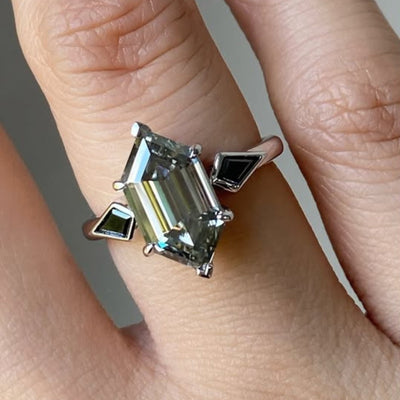
- Contrast works best: black diamonds look striking in bezel settings and paired with white diamond accents.
- Metal changes the mood: white gold gives a sharp, modern contrast; yellow and rose gold feel warmer and more vintage.
- Shapes matter: because there is no sparkle to rely on, clean outlines like pear, emerald and round cuts make the best impression.
- Handle with care: the heavy inclusions that make a stone black can also make it a little more prone to chipping from a hard knock. Protective settings help.
Read black diamond engagement rings for design ideas.
How Colored Diamonds Are Made
- Natural: trace elements (nitrogen for yellow, boron for blue) or structural changes in the crystal, formed deep in the earth.
- Lab grown: the same elements added during growth, or post-growth treatment. Lab diamonds are grown by CVD or HPHT methods and are chemically, physically and optically the same as mined diamonds.
- Treated: natural or lab diamonds color-enhanced by heat, pressure or irradiation.
| Type | Price level | Things to know |
|---|---|---|
| Natural fancy color | Highest, especially for rare colors | Value depends heavily on rarity and intensity |
| Lab grown colored | Much lower | Strong, even color; same hardness as any diamond |
| Treated colored | Lower than natural color | Must be disclosed; ask whether the treatment is permanent |
Always ask whether a colored stone is natural, lab grown or treated. A good grading report from a lab such as IGI or GIA states the origin and whether the color has been treated. Most color treatments using heat and irradiation are stable in normal wear, but surface coatings are not permanent and can wear away. See fancy color lab grown diamonds.
Tip: If a colored diamond seems priced far below what you'd expect for a natural stone, it is almost certainly lab grown or treated. That's not a problem in itself, as long as you know what you're buying and the price matches.
Buying a Colored Diamond
Colored diamonds reward a different approach from white ones. Use this order of priorities:
- Color first: choose the hue and intensity you love. View the stone in daylight and indoor light, because color can shift between them.
- Origin second: decide whether you want natural, lab grown or treated color, and make sure the paperwork matches.
- Shape third: radiant, cushion and oval cuts tend to show color well. Pear and marquise shapes can show darker color at the tips.
- Clarity last: aim for eye-clean. Small inclusions are usually hidden by the color.
Choosing the metal
Metal color reflects into the stone. Yellow gold deepens yellow diamonds and warms champagne tones. Rose gold flatters pink stones. White gold keeps blue and green stones looking cool and crisp, and gives black diamonds a bold contrast. We work in 10K, 14K and 18K gold, so you can choose the shade and purity that suit your stone.
Pairing color with white stones
A halo or side stones of colorless diamonds make a colored center look more saturated by contrast. For a softer look, surround a pastel stone with a thin halo; for drama, pair a black center with white accents.
Common Mistakes to Avoid
Most disappointments with colored diamonds come from a handful of avoidable errors.
- Judging by one photo: color photographs differently under different lights and screens. Ask for a video in daylight and indoor light before you decide.
- Paying natural prices for treated color: treated and lab grown stones are real diamonds, but they should be priced as such. Check the report.
- Ignoring the modifier: "Fancy Brownish Yellow" and "Fancy Yellow" look quite different. Read the full color description, not just the main hue.
- Choosing a white-diamond shape by habit: a round brilliant is perfect for a white stone but can make a colored stone look paler. Consider a radiant or cushion instead.
- Forgetting the metal: a pale pink stone can look almost colorless in white gold and much warmer in rose gold. Picture the stone in its final setting.
- Over-spending on clarity: top clarity grades add cost without changing how a colored stone looks. Eye-clean is enough.
Shop the styles in this guide
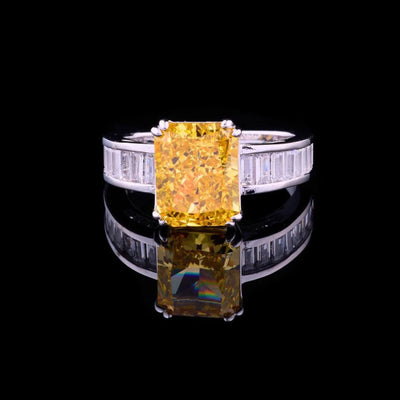
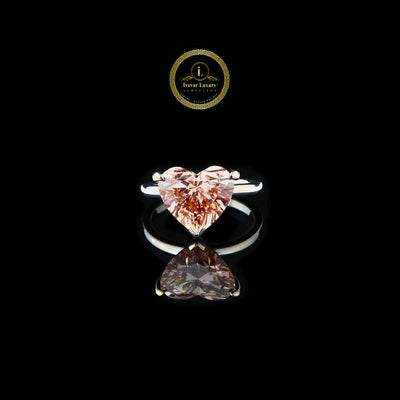
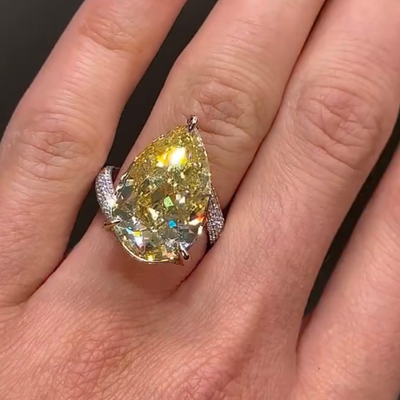
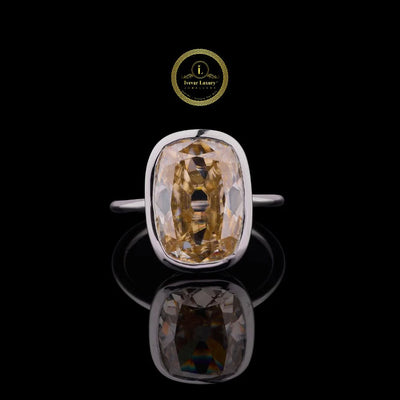
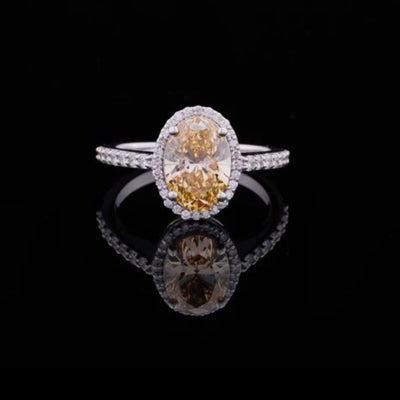
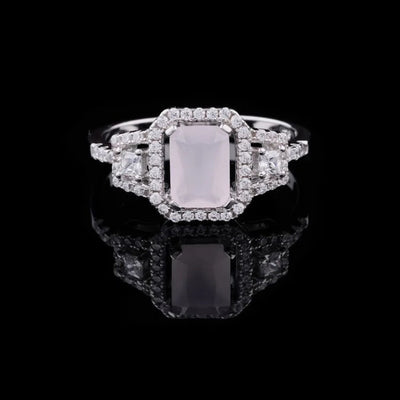
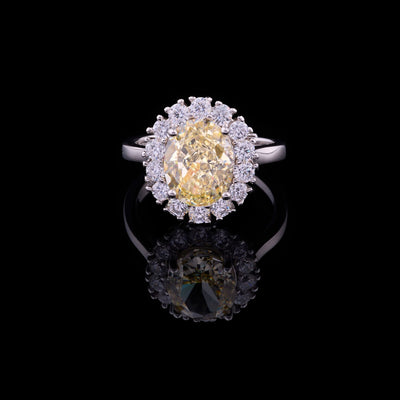
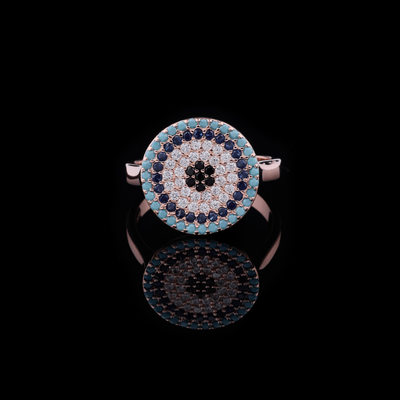
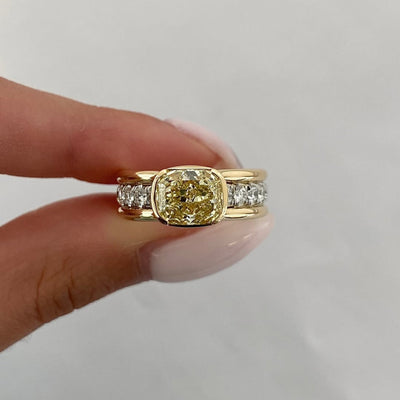
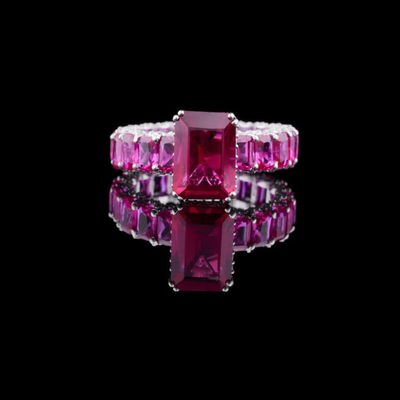
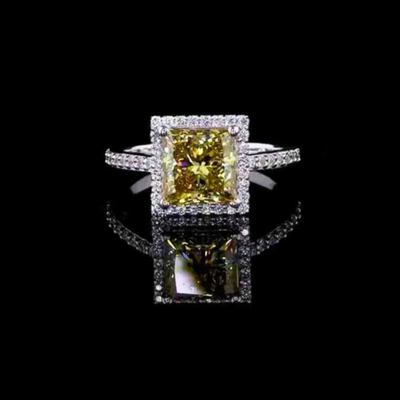
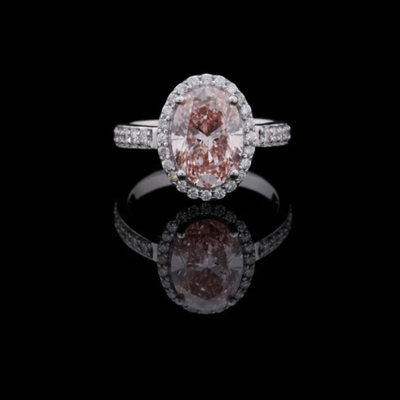
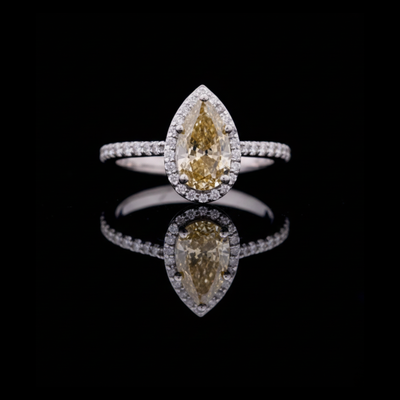
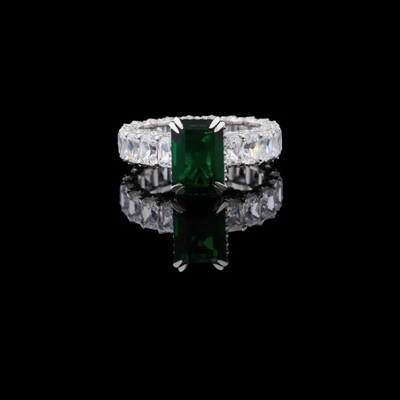
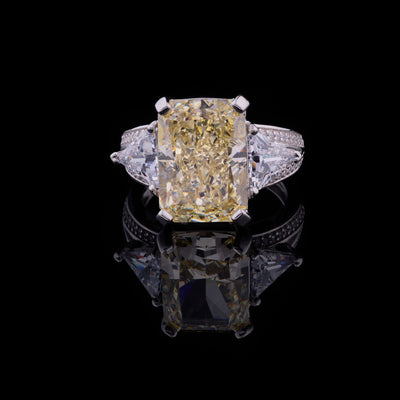
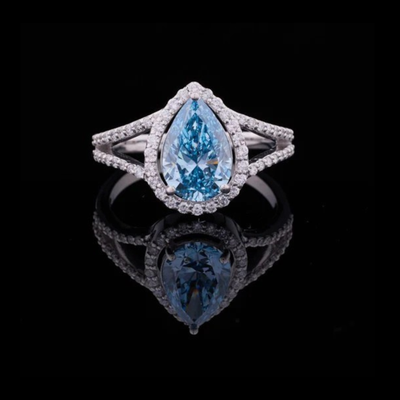
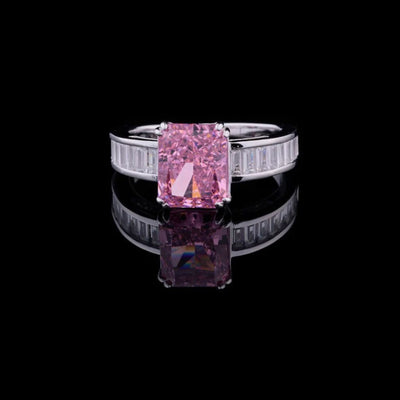
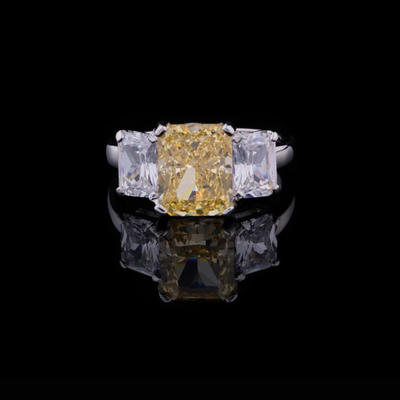
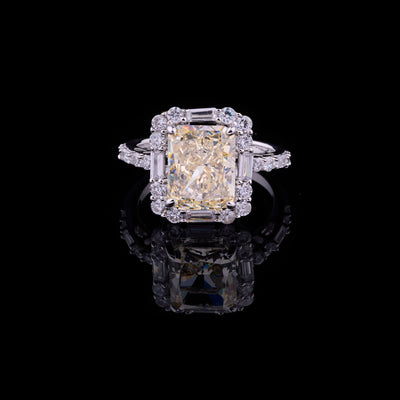
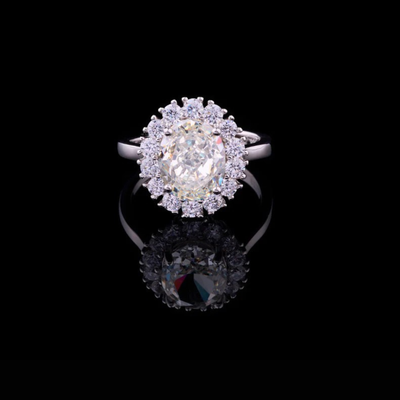
Jewelry Ideas for Colored and Black Diamonds
Colored stones work well beyond the classic solitaire. Here are some of the ways our clients wear them.
Engagement and anniversary rings
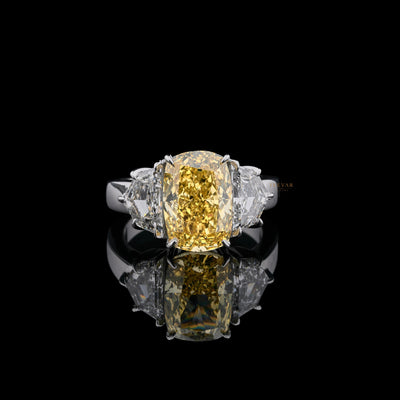
A yellow or champagne center with a white diamond halo is a popular choice for buyers who want a ring that stands out without feeling loud. Black diamond solitaires in a bezel suit people who prefer a minimal, modern look. For anniversaries, a band that mixes colored and white stones can mark a milestone with something different from the engagement ring.
Earrings and pendants
Colored studs are an easy way to try a hue before committing to it in a ring. Pink and yellow suit soft, everyday looks; black studs pair well with dark clothing and evening outfits. A single colored stone on a fine chain makes a personal gift, especially when the color has meaning for the wearer.
Men's jewelry
Black diamonds are a natural fit for men's rings, bands and pendants. Their dark, polished surface looks bold but understated, and pairs well with white gold or a mix of metals.
Stacking and mixing
Thin bands set with small colored stones stack easily next to a white diamond ring. Mixing two or three colors in a stack is a simple way to build a personal, rainbow-style look over time.
Colorful Alternatives
If you want color but don't need a diamond, there are durable options at friendlier prices.
- Sapphires: best known in blue, but also pink, yellow and many other colors. At 9 on the Mohs scale, they are tough enough for everyday rings.
- Colored moissanite: moissanite is a different gemstone from diamond, rated 9.25 on the Mohs scale, with a refractive index of about 2.65 compared with diamond's 2.42. Colored moissanite pairs rich color with strong fire.
- Rainbow designs: mixing several colored stones in one piece gives a playful look without committing to one shade.
Read moissanite color grades, or browse moissanite fancy color rings and our rainbow collection.
Caring for Colored and Black Diamonds
All diamonds, whatever their color, rate 10 on the Mohs scale, so everyday scratches are not a worry. A little routine care keeps them looking their best.
- Clean gently: soak in warm water with a drop of mild soap, brush behind the stone with a soft toothbrush, rinse and dry.
- Keep black diamonds glossy: fingerprints and lotion show clearly on their mirror-like surface, so wipe them often with a soft cloth.
- Ask before heat: if a stone is treated, tell your jeweler before any repair that involves heat, such as re-tipping prongs.
- Avoid knocks: heavily included stones, including many black diamonds, can chip if struck hard at the edges.
- Store separately: keep each piece in its own pouch so stones don't scratch other jewelry.
Colored Jewelry at Ivevar
We handcraft colored and black diamond jewelry, plus sapphire and colored moissanite pieces, in our Surat workshop. Every piece ships worldwide with free shipping and 30-day easy returns. Our custom jewelry team can match a specific color or pair a colored center with white accents, and virtual appointments let you see stones on video before you choose. Browse fancy color lab diamond rings.
Shop Colored and Black Stone Jewelry
 Black Bezel Pear SolitaireShop Now
 Black Pear Diamond RingShop Now
 Fancy Yellow Cushion RingShop Now
 Sapphire Diamond EternityShop Now
 Colored Chevron RingShop Now
Swipe to see more → | View fancy color rings
Frequently Asked Questions
Are colored diamonds real diamonds?
Yes. Natural, lab grown and treated colored diamonds are all real diamonds. What differs is how they got their color and how they are priced.
Why are black diamonds black?
Dense dark inclusions such as graphite make them opaque. Most black diamonds on the market are treated to create an even color.
What is the most popular fancy color?
Yellow is one of the most popular and widely available fancy colors. Pink and blue are highly sought after but much rarer in nature.
Are colored lab diamonds cheaper?
Yes, far cheaper than natural fancy colors, while being chemically and physically the same material.
Do black diamonds sparkle?
They shine with luster rather than sparkle. Light reflects off their polished surface instead of passing through the stone.
Does clarity matter in a colored diamond?
Less than in a white diamond. Color hides small inclusions, so aim for eye-clean and spend your budget on the color you want.
Which shape shows color best?
Radiant and cushion cuts usually show the most intense color. Ovals also work well. Round brilliants show color a little less strongly.
Will the color of my diamond fade?
Natural and lab grown color is part of the crystal and does not fade. Stable heat and irradiation treatments also last in normal wear. Only surface coatings can wear away, which is why it is worth asking how a stone got its color.
Is a black diamond the same as a salt and pepper diamond?
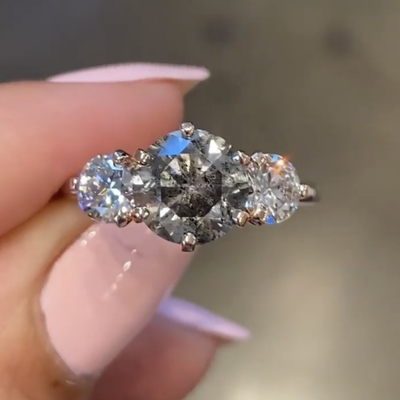
No. A black diamond is fully opaque. A salt and pepper diamond is a translucent grey or white stone with visible black and white inclusions scattered through it, giving a speckled, natural look.
Can colored diamonds be used in engagement rings?
Yes. All diamonds rate 10 on the Mohs scale, so colored diamonds are as suitable for daily wear as white ones. Black diamonds benefit from a protective setting.
The Bottom Line
Colored and black diamonds bring personality to jewelry. Know the intensity grades, put color first, ask about origin and treatment, and choose the hue you love. If you want the look at a friendlier price, lab grown colored diamonds, sapphires and colored moissanite are all beautiful, durable options.
Related Guides
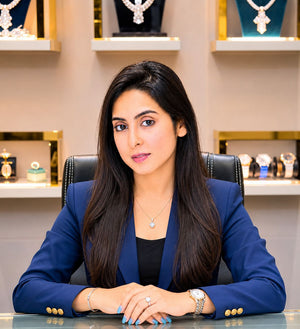
Author Bio
Aumsri Pradhan
Founder, Ivevar Luxury
Aumsri Pradhan is the founder of Ivevar Luxury, a Surat-based fine jewelry brand that designs and handcrafts lab grown diamond and moissanite jewelry in its own workshop. She leads the brand's design and customer experience, from engagement rings and bridal sets to custom pieces made to each client's story. Through the Ivevar blog, she shares practical guidance on lab grown diamonds, moissanite, diamond grading and ring design to help buyers choose with confidence.


