

 Engagement Rings
 Anniversary Rings
 Solitaire Rings
 Halo Rings
 Toi Moi Rings
 Three Stone Rings
 Nature Inspired Rings
 Rose Cut Rings
 Fancy Color Rings
 Antique Cut Rings
 Wedding Rings
 Wedding Band Rings
 Exclusive Lab Grown Diamond Rings
 All Lab Grown Diamond Ring
 Engagement Rings
 Three Stone Rings
 Fancy Color Rings
 Antique Cut Rings
 Daily Wear Rings
 Wedding Band Rings
 Exclusive Moissanite Rings
 Earrings
 Bracelet
 Pendant
 Necklace
 Men's Ring
 Bridal Sets
 Rings
 Earrings
 Tennis chain
 Cuban Chains
 Custom Pendant
 Custom Ring
 Custom Teeth Grillz
 Round
 Oval
 Cushion
 Marquise
 Pear
 Emerald
 Heart
 Princess
 Rose Cut
 Radiant
 Antique Cut
 Brooch
 Cufflink
 Keychain
 Unique Products
 +91-9265051773
 Virtual Appointment
 log in




Short answer: White (colorless) diamonds are graded on a D to Z scale, with D to F the iciest; they offer classic brilliance and match everything. Fancy color diamonds (pink, yellow, blue, green and more) are graded by hue and intensity, from Fancy Light to Fancy Vivid, and add personality and meaning. In natural form, strong fancy colors can be extremely expensive; in lab grown form, they are far more accessible. Choose white for timeless versatility, color for a one-of-a-kind statement.
Most people picture a diamond as clear and white, flashing with light. But diamonds also come in a whole spectrum of colors, from soft champagne and sunny yellow to pink, blue and green. Both kinds are real diamonds with the same hardness and brilliance. What changes is how they are graded, what you should prioritise when buying, and the kind of statement the finished piece makes.
This guide explains how white and fancy color diamonds are graded, what causes diamond color, how lab grown colored diamonds compare with natural ones, and how to choose between them for an engagement ring, a gift or an everyday piece.
White vs Fancy Color at a Glance
| Feature | White diamond | Fancy color diamond |
|---|---|---|
| Grading | D to Z color scale | Hue and intensity (Fancy Light to Fancy Vivid) |
| Look | Bright, classic sparkle | Rich color with sparkle |
| What matters most | Cut, then color and clarity | Color intensity and evenness |
| Goal for color | As little color as possible | As much attractive color as possible |
| Versatility | Matches everything | Personal, statement-making |
| Natural price | High | Can be extremely high |
| Lab grown price | Affordable | Affordable |
The key idea: with a white diamond you are paying for the absence of color; with a fancy color diamond you are paying for the presence of strong, attractive color.
How White Diamonds Are Graded
White diamonds are graded on a scale from D to Z. D is completely colorless; as you move down the alphabet, a faint yellow or brown tint becomes more noticeable. The grades are grouped like this:
- D to F (colorless): icy white, the top of the scale.
- G to J (near colorless): look white to most people once set, especially face-up.
- K to M (faint): a slight warmth is visible, which can look lovely in yellow or rose gold.
- N to Z (very light to light): a clear tint that is visible to the eye.
For a white diamond, cut quality matters most because it controls brightness and sparkle. A well-cut G often looks brighter than a poorly cut D. Clarity comes next, and eye-clean is the practical goal. Lab grown white diamonds are graded on exactly the same scale, usually by IGI or GIA.
Some white diamonds also show fluorescence, a glow (usually blue) under ultraviolet light such as sunlight or a black light. It is listed on grading reports. In most stones it has no visible effect in normal lighting, and in faintly tinted diamonds a little blue fluorescence can even make the stone look whiter.
Tip: Choose the color grade with your metal in mind. In white gold, colorless and near-colorless grades look crisp. In yellow or rose gold, the warm metal reflects into the stone, so a slightly lower grade can look just as good.
How Color Diamonds Are Judged
For fancy colors, the depth and evenness of color matter more than tiny inclusions. A Fancy Vivid pink will usually be valued more than a Fancy Light pink. Cut is chosen to intensify color, which is why radiant and cushion shapes are popular for colored stones.
Graders describe a fancy color with three elements:
- Hue: the main color, such as pink, yellow or blue, plus any secondary color. A "purplish pink" has pink as its main hue with a purple modifier.
- Tone: how light or dark the color is.
- Saturation: how strong or pure the color is.
Tone and saturation together give the intensity grade. The common grades, from weakest to strongest, are:
| Intensity grade | What it looks like |
|---|---|
| Faint to Light | A hint of color |
| Fancy Light | Soft, pastel color |
| Fancy | Clear, noticeable color |
| Fancy Intense | Rich, strong color |
| Fancy Vivid | Very strong, saturated color |
| Fancy Deep or Fancy Dark | Deep, darker tones |
Evenness also matters. Color should be spread across the stone rather than concentrated in patches. Clarity still counts, but small inclusions are usually less noticeable in a colored stone, so eye-clean is a sensible target rather than a high clarity grade.
 Shown: 0.30 Ct Radiant Shape Fancy Vivid Pink Lab Grown Diamond
What Gives a Diamond Its Color?
A diamond is pure carbon arranged in a tight crystal structure. When that structure includes trace elements or certain irregularities, the stone absorbs some wavelengths of light and shows color. The most common causes are:
- Nitrogen: creates yellow and orange tones. It is also why many white diamonds have a faint tint.
- Boron: creates blue.
- Distortion in the crystal lattice: associated with pink and red in natural diamonds.
- Natural radiation: associated with green.
Lab grown colored diamonds get their color through the same physical mechanisms. Growers control the conditions during CVD or HPHT growth, and some stones receive a post-growth treatment to develop or stabilise the color. A grading report will state that the diamond is lab grown and note any treatment, so you always know exactly what you are buying.
Natural vs Lab Grown Colored Diamonds
Natural fancy color diamonds are rare. Strong, even color in a natural stone is unusual, which is why natural pinks and blues in particular can command extraordinary prices. Lab grown diamonds change that: they are chemically, physically and optically the same as mined diamonds, but colors that are rare in nature can be produced far more consistently.
| Factor | Natural colored | Lab grown colored |
|---|---|---|
| Is it a real diamond? | Yes | Yes |
| Hardness | 10 on the Mohs scale | 10 on the Mohs scale |
| Availability of strong colors | Very limited | Much wider |
| Price | High to extremely high | Accessible |
| Grading | GIA and other labs | IGI, GIA and other labs |
For most buyers, lab grown is what makes a vivid pink, a bright yellow or a deep blue realistic for an engagement ring or a gift, rather than a museum piece.
You cannot tell a lab grown colored diamond from a natural one by eye, or even with a standard jeweler's loupe. Gem labs use specialised instruments to identify the origin. That is why the grading report matters: it records the origin, the color grade and any treatment, and lab grown diamonds graded by major labs typically carry a tiny laser inscription on the girdle that links the stone to its report.
Popular Colors and How to Wear Them
- Yellow: sunny and warm. It looks especially rich in yellow gold, while white gold makes the yellow appear brighter by contrast.
- Pink: romantic and feminine. Lovely in rose gold for a soft, blended look, or white gold for contrast.
- Blue: cool and striking. White gold keeps the blue looking crisp and clean.
- Green: unusual and earthy. Works well in yellow gold and vintage-style settings.
- Champagne and brown: warm, subtle and easy to wear every day, especially in rose or yellow gold.
How lighting changes color
Colored diamonds can look slightly different from one setting to the next. Daylight tends to show the truest color. Warm indoor lighting can deepen yellows and pinks, while cool white light can make blues look crisper. White diamonds change too, flashing more strongly under spotlights and looking softer in diffused light. When comparing stones, try to view them in the same lighting, and ideally in daylight.
Shape plays a part too. Radiant, cushion and oval cuts tend to concentrate and intensify color, which is why they are favourites for colored stones. Round brilliants put the focus on sparkle and can make color look a little lighter.
White or Color for an Engagement Ring?
A white diamond is the classic engagement ring choice for good reason. It goes with every outfit and every other piece of jewelry, pairs easily with any wedding band and will never feel dated. If you want a ring that works for decades without a second thought, white is the safe, beautiful choice.
A fancy color centre stone is for people who want their ring to feel personal. A color can echo a birthstone, a favourite shade or a shared memory. Colored diamonds are just as hard as white ones, at 10 on the Mohs scale, so they are equally suitable for daily wear.
- Middle ground: a white centre stone with colored side stones, or a colored centre with white side stones or a white halo.
- Subtle color: a Fancy Light pink or champagne gives a hint of individuality without dominating.
- Full statement: a Fancy Intense or Fancy Vivid centre stone makes the color the hero.
Think about the wedding band as well. A white diamond band suits both choices, while a colored centre stone can be echoed with a few matching colored stones in the band for a coordinated set. If you plan to stack several rings over the years, a white centre stone keeps every future pairing easy.
Tip: Not sure about a colored engagement ring? Start with a white diamond ring and add color through a matching band, earrings or a pendant. It is an easy way to enjoy both.
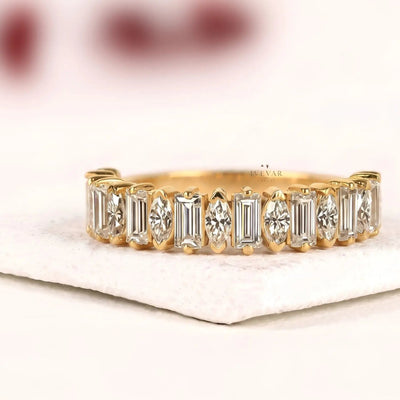
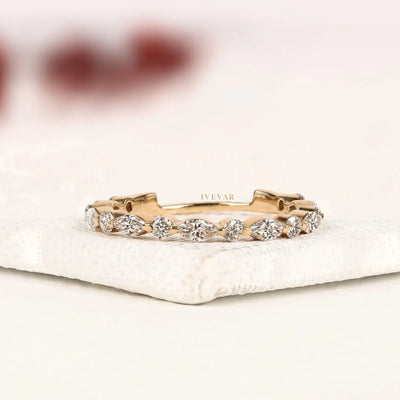
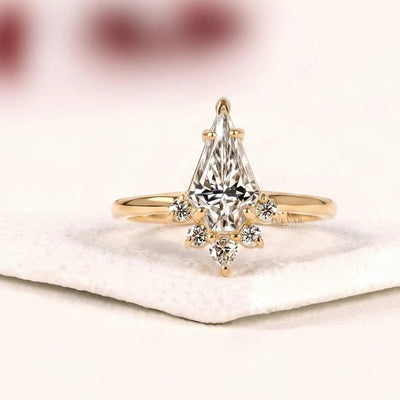
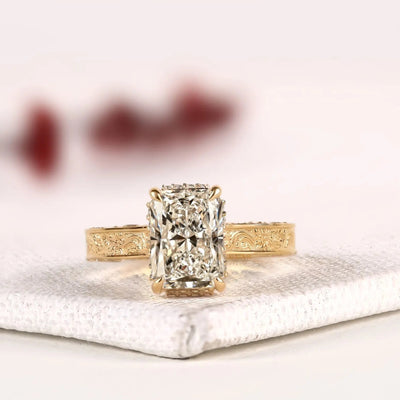
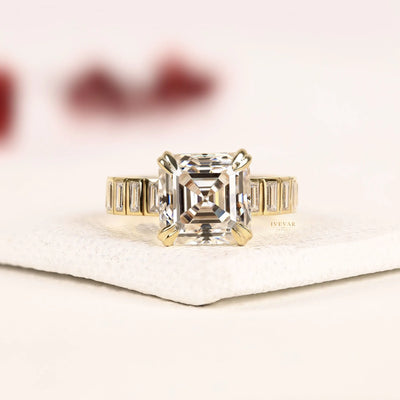
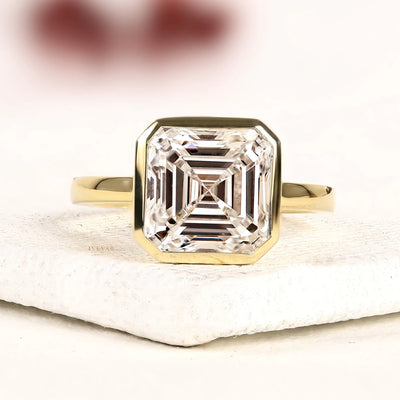
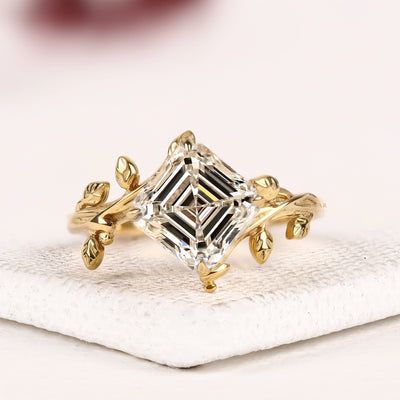
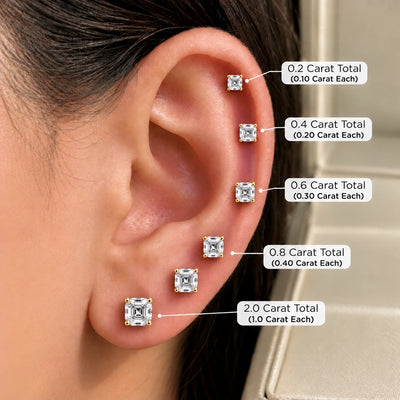
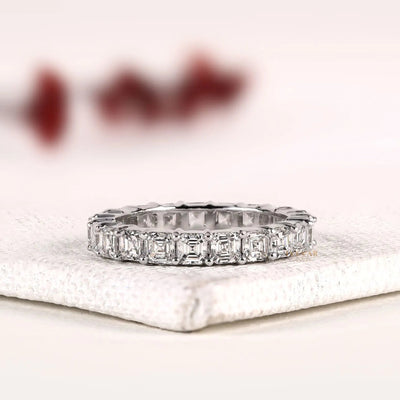
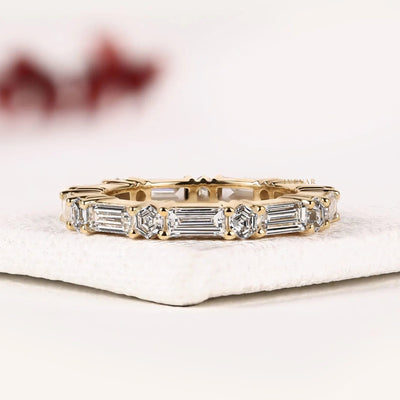
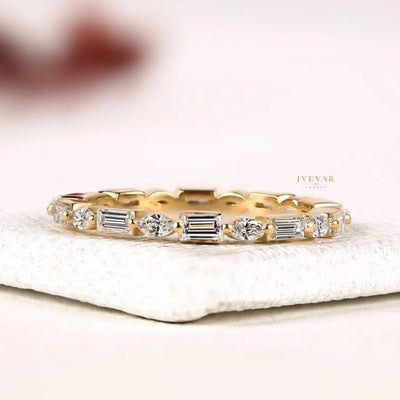
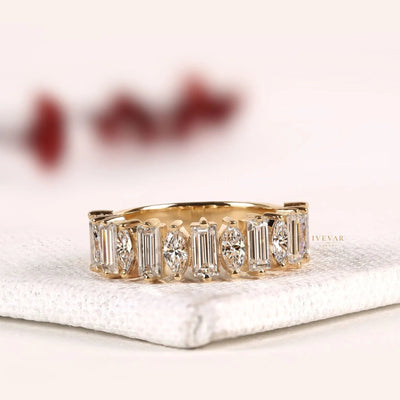
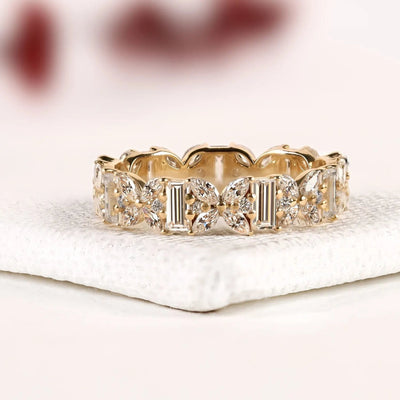
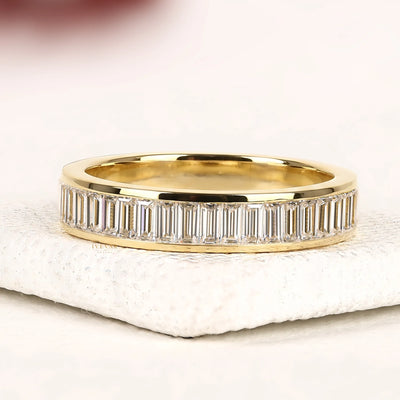
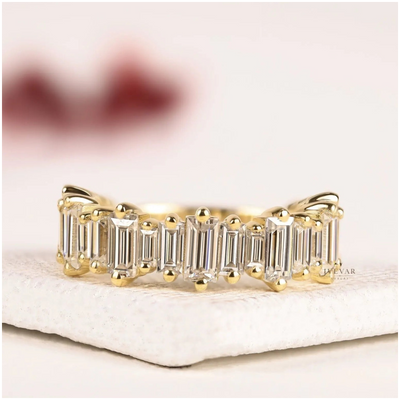
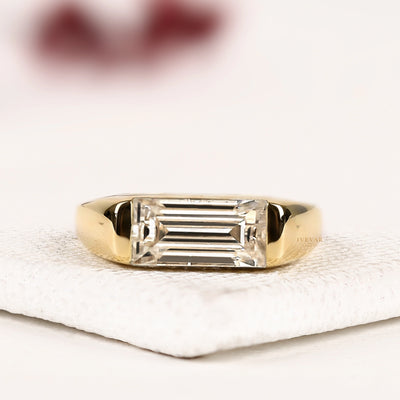
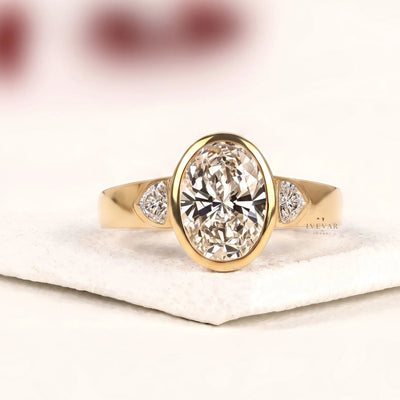
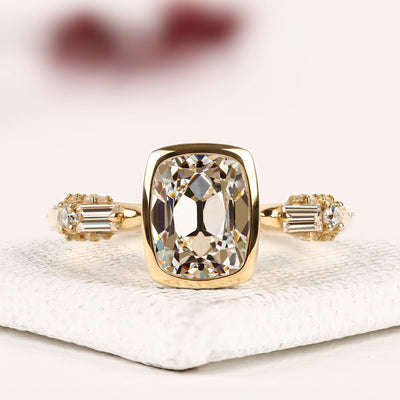
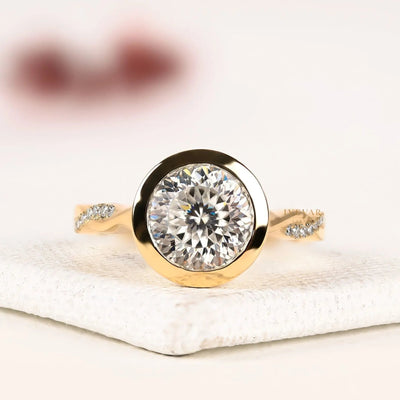
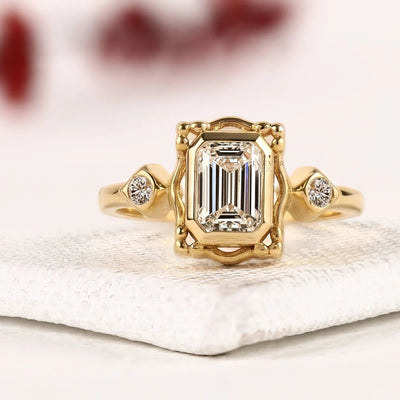
Shop the styles in this guide



Getting the Best Value
The way to spend wisely is different for each type, because the thing you are paying for is different.
For a white diamond
- Spend on cut first: it has the biggest effect on sparkle and brightness.
- Stay near colorless, not necessarily colorless: a G or H usually looks white once set, especially in a white gold setting with a well-cut stone.
- Stop at eye-clean: higher clarity grades only show under magnification.
- Buy just under round numbers: a 0.90 carat stone looks almost identical to a 1.00 carat stone on the hand.
For a fancy color diamond
- Spend on color: intensity and evenness drive both beauty and value.
- Pick the shape for the color: a radiant or cushion can make a stone look richer than a round of the same grade.
- Be relaxed on clarity: small inclusions are rarely visible in a colored stone.
- Consider the setting: the right metal can make the color look deeper or brighter.
Caring for White and Colored Diamonds
Both types need the same simple care. Diamonds attract oil, and a film on the underside dulls sparkle and can make color look flat. Every week or two, soak your jewelry in warm water with a drop of mild dish soap, brush gently behind the stone with a soft toothbrush, then rinse and dry with a lint-free cloth.
- Store separately: diamond scratches almost every other material, including other gems and gold, so keep pieces in separate soft pouches.
- Check the setting: have prongs checked once or twice a year, especially on rings you wear every day.
- Take it off for hard work: diamonds are very hard but can still chip from a sharp knock, so remove rings for the gym, gardening and heavy cleaning.
Which Should You Choose?
- White: engagement rings meant to be timeless, and pieces you will wear with everything.
- Color: personal statements, birthstone-inspired pieces, side stones and fashion rings.
- Mix: a colored center with white side stones gives the best of both.
- Gifts: a colored diamond pendant or pair of earrings feels personal and thoughtful.
- Budget focus: lab grown makes both options accessible, so you can choose on style rather than price.
Buying checklist
- For white: prioritise cut, then choose color to suit your metal and clarity to be eye-clean.
- For color: prioritise intensity and evenness of color, then cut, then clarity.
- Ask for the report: check the grading lab, the color description and whether the stone is lab grown or treated.
- View on video: color can look different in photos, so check it in natural light if you can.
Read colored and black diamonds and fancy color lab diamonds.
Colored Diamonds at Ivevar
We offer white and fancy color lab diamonds, many with IGI certificates, and set them in custom designs in our Surat workshop in 10K, 14K or 18K gold. If you want a specific shade or a mix of white and colored stones, our custom jewelry team can design it with you, and you can book a virtual appointment to see stones on video. We also offer colored moissanite for a different look. Every order ships free worldwide and comes with 30-day easy returns. Browse fancy color rings, moissanite fancy color rings or our lab grown engagement rings.
Shop Fancy Color Lab Diamonds
 0.30 Ct Vivid Pink RadiantShop Now
 0.31 Ct Vivid Pink RadiantShop Now
 0.30 Ct Intense Yellow RadiantShop Now
 0.18 Ct Deep Green CushionShop Now
 0.33 Ct Vivid Blue PrincessShop Now
 0.26 Ct Intense Pink CushionShop Now
Swipe to see more → | View fancy color rings
Frequently Asked Questions
Are colored diamonds real diamonds?
Yes. Both natural and lab grown colored diamonds are real diamonds, with the same hardness and structure as white diamonds.
Which is more expensive?
Natural fancy colors can be far pricier than white diamonds; lab grown colors are far more affordable.
Does clarity matter for colored diamonds?
Less than color intensity, but eye-clean is still ideal.
What is the most common fancy color?
In nature, yellow is the most commonly found fancy color. Pink and blue are much rarer and among the most sought after.
Can I combine white and colored diamonds?
Yes, it is a beautiful and popular approach, for example a colored centre stone with a white halo or white side stones.
Are colored diamonds durable enough for daily wear?
Yes. They are just as hard as white diamonds, 10 on the Mohs scale.
Will the color of a lab grown diamond fade?
Color in a properly made and graded lab grown diamond is stable under normal wear. Avoid exposing any diamond jewelry to extreme heat, such as a jeweler's torch, without telling the jeweler what the stone is.
Which shape is best for a colored diamond?
Radiant, cushion and oval shapes tend to intensify color, so they are popular choices for fancy color stones.
Can I get a custom colored diamond ring?
Yes. We can design a ring around the shade, shape and setting you want, including mixed white and colored stones.
Are there colored moissanite options?
Yes. Moissanite is a different gemstone from diamond, with a Mohs hardness of 9.25 and more rainbow fire, and it is also available in colors for a different look.
The Bottom Line
White diamonds are timeless; fancy colors express personality. With white, focus on cut and pick a color grade that suits your metal. With color, focus on intensity and evenness. Lab grown options put both within reach, so the choice can come down to what you love.
Related Guides

Author Bio
Aumsri Pradhan
Founder, Ivevar Luxury
Aumsri Pradhan is the founder of Ivevar Luxury, a Surat-based fine jewelry brand that designs and handcrafts lab grown diamond and moissanite jewelry in its own workshop. She leads the brand's design and customer experience, from engagement rings and bridal sets to custom pieces made to each client's story. Through the Ivevar blog, she shares practical guidance on lab grown diamonds, moissanite, diamond grading and ring design to help buyers choose with confidence.

SI1 vs VS1 Diamond Clarity

Custom vs Ready-Made Rings

Black Diamonds vs White Diamonds

