Engagement Rings
 Anniversary Rings
 Solitaire Rings
 Halo Rings
 Toi Moi Rings
 Three Stone Rings
 Nature Inspired Rings
 Rose Cut Rings
 Fancy Color Rings
 Antique Cut Rings
 Wedding Rings
 Wedding Band Rings
 Exclusive Lab Grown Diamond Rings
 All Lab Grown Diamond Ring
 Engagement Rings
 Three Stone Rings
 Fancy Color Rings
 Antique Cut Rings
 Daily Wear Rings
 Wedding Band Rings
 Exclusive Moissanite Rings
 Earrings
 Bracelet
 Pendant
 Necklace
 Men's Ring
 Bridal Sets
 Rings
Rings
 Earrings
 Tennis chain
 Cuban Chains
 Custom Pendant
 Custom Ring
 Custom Teeth Grillz
 Round
Round
 Oval
Oval
 Cushion
 Marquise
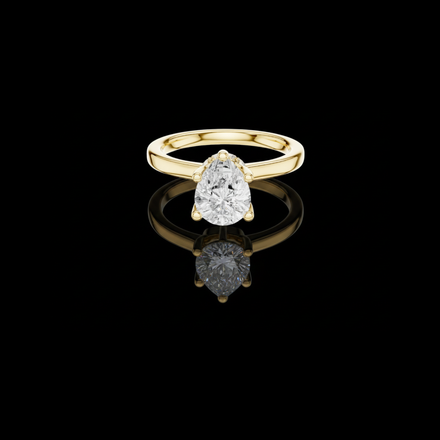
 Pear
Pear
 Emerald
 Heart
Heart
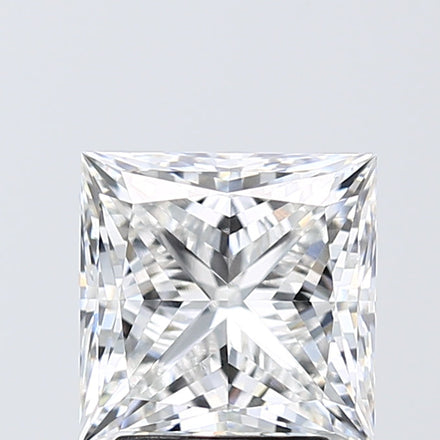
 Princess
 Rose Cut
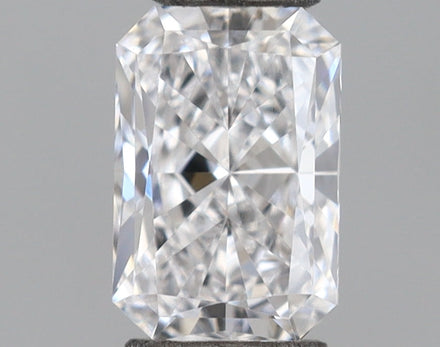
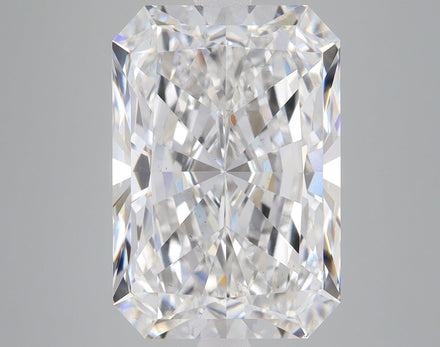
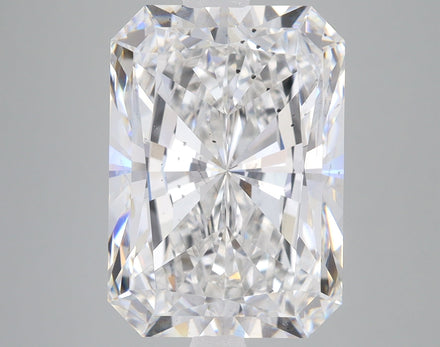
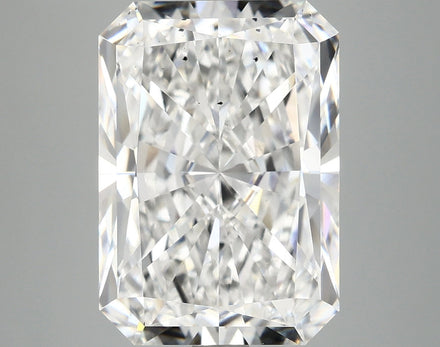
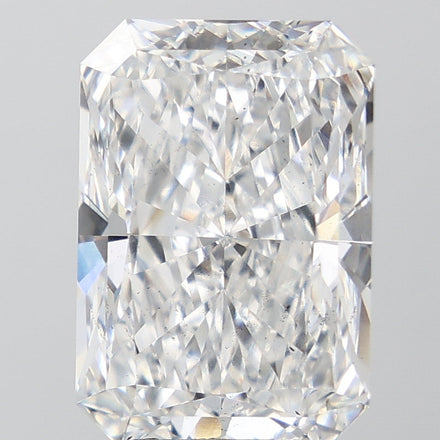
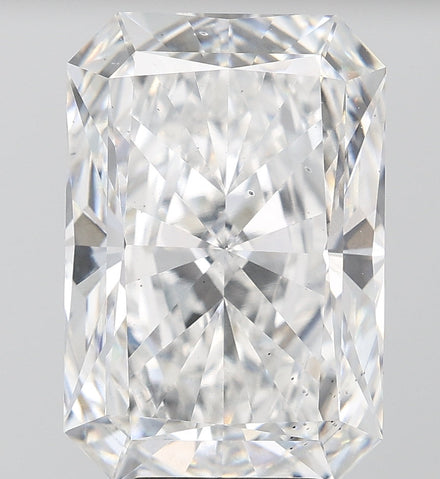
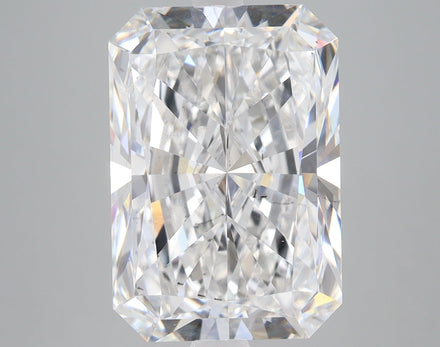
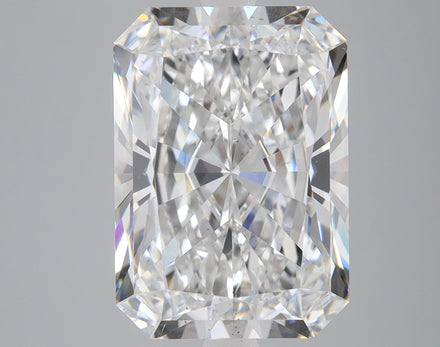
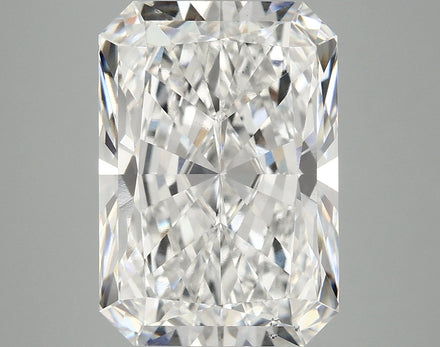
 Radiant
 Antique Cut
 Brooch
 Cufflink
 Keychain
 Unique Products
 +91 9265051773
 Virtual Appointment
 log in



Natural Diamond vs Lab Grown Diamond: What's the Difference?
by Ankit Koshiya on Sep 28, 2026

The short answer: natural and lab grown diamonds are both diamonds. They have the same essential chemical composition, crystal structure and everyday durability. The main differences are origin, rarity, price and resale expectations. A lab grown diamond usually gives you more size or a higher grade for the same budget. A natural diamond offers a geological origin and rarity that some buyers value more.
This guide compares the two side by side, explains what grading reports show, and gives you a simple way to decide which diamond is right for you.
Quick natural vs lab grown diamond checklist
- Choose lab grown if your priority is a larger stone, a higher grade or more design freedom within your budget.
- Choose natural if you value geological rarity, tradition and generally stronger resale expectations.
- Judge the individual stone, not only its origin. Cut, color, clarity, carat weight and proportions still determine how it looks.
- Ask for an independent report. Confirm the origin, measurements and quality details before you buy.
- Treat any resale claim carefully. Neither type should be purchased with a guaranteed-return expectation.
Natural and lab grown diamonds are both real diamonds
A natural diamond forms below the Earth’s surface through geological processes and is recovered through mining. A lab grown diamond is created in a controlled environment using either High Pressure, High Temperature (HPHT) or Chemical Vapor Deposition (CVD). Both routes produce crystalline carbon—the material we call diamond.
A lab grown diamond is not cubic zirconia or moissanite. Those are different gemstones. The U.S. Federal Trade Commission requires sellers to disclose clearly when a diamond is laboratory grown so shoppers understand its origin.
The key differences are origin, price and rarity
| Feature | Lab grown diamond | Natural diamond |
|---|---|---|
| Material | Crystalline carbon | Crystalline carbon |
| Origin | HPHT or CVD growth | Formed in the Earth |
| Appearance | Same at matching grades | Same at matching grades |
| Hardness | 10 on Mohs scale | 10 on Mohs scale |
| Price | Usually lower | Usually higher |
| Rarity story | Manufactured supply | Geological scarcity |
| Resale outlook | Generally lower | Generally stronger |
| Identification | Specialized testing | Specialized testing |
Matching grades can look identical to the eye
If a natural diamond and a lab grown diamond have the same shape, cut, color, clarity and carat weight, they can look the same without specialized equipment. Both can show brilliance, fire and scintillation. Both also rank 10 on the Mohs hardness scale, so either can be worn in an engagement ring or everyday fine jewelry.
An ordinary visual check is not a reliable way to confirm origin. Professional laboratories use advanced instruments to study growth patterns and other features that separate laboratory-grown material from natural material.

Shown: Dutch Marquise Hidden Halo with Pave Band Lab Diamond Ring
Lab grown usually gives you more diamond for the budget
The most noticeable shopping difference is price. Lab grown diamonds are usually priced lower than natural diamonds with comparable visible grades. That can let you choose a larger center stone, a more elaborate setting, or stronger cut and color without increasing your total budget.
Natural diamonds usually cost more because their supply is limited by geology, mining and the chain required to bring them to market. Their price also reflects rarity factors that go beyond the 4Cs, including the scarcity of a particular combination of size, color and clarity.
Practical takeaway: set your total ring budget first. Then compare complete options—stone, setting, certificate and service—rather than comparing carat weight alone.
Natural diamonds generally have stronger resale expectations
Natural diamonds have a longer-established secondary market and generally retain more resale value than lab grown diamonds. Lab grown prices can change quickly as production technology and supply evolve, so resale offers may be modest.
That does not make every natural diamond an investment. A resale price can be below the original retail price for either type, and it depends on the stone, brand, condition, documentation and market demand. Buy the diamond you want to wear, not because someone promises a future return.
The same 4Cs still decide beauty and quality
Natural and lab grown diamonds are evaluated using the familiar 4Cs. Origin does not rescue a poor cut, and a high carat weight does not guarantee a beautiful stone.
1. Cut: prioritize Excellent or Ideal cut where the grading system applies. Cut has the strongest effect on brightness and sparkle.
2. Color: D to F gives a colorless look; G to H can offer excellent value and still appear near-colorless to many buyers.
3. Clarity: VS1 or VS2 is often eye-clean. Inspect the actual inclusion plot or video instead of paying only for a higher label.
4. Carat: carat is weight, not face-up size. Measurements and proportions show how large the diamond will appear.

Shown: Round Cut Lab Diamond Cushion Halo Engagement Ring
A grading report makes the comparison fair
Ask for an independent grading report for the center diamond. Check that the report describes the stone as natural or laboratory grown, and compare its carat weight, measurements, color, clarity, cut or finish grades, and any treatments. Where a laser inscription is present, its number should match the report and the product listing.
IGI reports use the 4Cs to describe diamond quality. Since October 2025, GIA has used “Premium” and “Standard” overall quality assessments for eligible D-to-Z laboratory-grown diamonds rather than the natural-diamond color and clarity nomenclature. That means you should compare like with like and read the full report—not just the laboratory name.
Environmental and sourcing claims need specific evidence
The environmental comparison is not as simple as “lab good, mined bad.” Lab grown production avoids diamond mining, but HPHT and CVD systems use significant energy. Their footprint depends heavily on the electricity source and the efficiency of the producer. Natural-diamond mining disturbs land and uses water and fuel, while practices and traceability vary across mines and suppliers.
Broad words such as “eco-friendly,” “sustainable” or “conflict-free” should be supported by clear evidence. If this matters to you, ask where the stone was produced or mined, what traceability is available, what energy was used, and whether the claim has independent verification.
Which diamond should you choose?
- Choose a lab grown diamond when you want maximum visible size, higher grades or a more detailed setting for your budget. It is also a strong choice when resale is not a priority and you are comfortable with a manufactured origin.
- Choose a natural diamond when the stone’s ancient geological origin, rarity and tradition are important to you, or when you prefer the more established secondary market.
- Choose either with confidence when the seller describes the origin clearly, the report matches the stone, the cut performs beautifully and the complete piece fits your budget.
There is no universal winner. The better diamond is the one whose beauty, origin story and price make sense for you.
How we help you compare at Ivevar
We design, cast, set and polish our jewelry in our own workshop in Surat, India, one of the world's leading diamond-cutting centers. Before production begins, we send you a computer-aided design (CAD) rendering for approval. Before shipping, we share photos or a video of the finished piece so you can review what you are receiving.
For a certified center diamond, we share the grading details so you can verify the origin and report information. If you are deciding between natural and lab grown, our team can compare options at the same budget and explain where the visible differences—and the extra cost—actually come from.
Shop Our Best Sellers
Explore four lab grown diamond ring designs selected from Ivevar's best sellers.


Swipe to see more → | View all best sellers
Frequently asked questions
Are lab grown diamonds real diamonds?
Yes. They are diamonds made of crystalline carbon. "Lab grown" describes their origin; it does not mean cubic zirconia or moissanite.
Can you tell a lab grown diamond from a natural diamond by looking?
Not reliably. Matching stones can look the same to the unaided eye. Specialized laboratory equipment is used to determine origin.
Do lab grown diamonds get cloudy over time?
A properly made diamond does not become cloudy simply because it was grown in a laboratory. Dirt, lotion and oils can dull any diamond until it is cleaned.
Which diamond sparkles more?
Neither origin automatically sparkles more. Cut quality, proportions and cleanliness have a much greater effect on visible sparkle.
Which diamond is better for an engagement ring?
Both are durable enough for daily wear. Lab grown usually gives more size for the budget; natural offers geological rarity and tradition.
Which certificate should I ask for?
Ask for an independent report that clearly states origin and quality. Read the full grading system used by that laboratory and match the report details to the stone.
Is a natural diamond a guaranteed investment?
No. Natural diamonds generally have stronger resale expectations, but resale value is not guaranteed and may be below the original retail price.
Sources
- Federal Trade Commission — Diamond advertising disclosures
- Federal Register — 2018 Jewelry Guides
- GIA — Updated laboratory-grown diamond services
- GIA — Natural and lab-grown diamonds: what's the difference?
- IGI — Diamond 4Cs guide

Aumsri Pradhan is the founder of Ivevar Luxury, a Surat-based fine jewelry brand that designs and handcrafts lab grown diamond and moissanite jewelry in its own workshop. She leads the brand's design and customer experience, from engagement rings and bridal sets to custom pieces made to each client's story. Through the Ivevar blog, she shares practical guidance on lab grown diamonds, moissanite, diamond grading and ring design to help buyers choose with confidence.

SI1 vs VS1 Diamond Clarity

Custom vs Ready-Made Rings

Black Diamonds vs White Diamonds