

 Engagement Rings
 Anniversary Rings
 Solitaire Rings
 Halo Rings
 Toi Moi Rings
 Three Stone Rings
 Nature Inspired Rings
 Rose Cut Rings
 Fancy Color Rings
 Antique Cut Rings
 Wedding Rings
 Wedding Band Rings
 Exclusive Lab Grown Diamond Rings
 All Lab Grown Diamond Ring
 Engagement Rings
 Three Stone Rings
 Fancy Color Rings
 Antique Cut Rings
 Daily Wear Rings
 Wedding Band Rings
 Exclusive Moissanite Rings
 Earrings
 Bracelet
 Pendant
 Necklace
 Men's Ring
 Bridal Sets
 Rings
 Earrings
 Tennis chain
 Cuban Chains
 Custom Pendant
 Custom Ring
 Custom Teeth Grillz
 Round
 Oval
 Cushion
 Marquise
 Pear
 Emerald
 Heart
 Princess
 Rose Cut
 Radiant
 Antique Cut
 Brooch
 Cufflink
 Keychain
 Unique Products
 +91-9265051773
 Virtual Appointment
 log in




Short answer: The 4Cs are the four factors used to grade a diamond: Cut (how well the diamond returns light), Color (how colorless it is, graded D to Z), Clarity (how free it is from inclusions, graded FL to I3) and Carat (weight, where 1 carat equals 0.2 grams). Cut has the biggest effect on sparkle, so prioritize an Excellent or Ideal cut, then balance color, clarity and carat to fit your budget. The same system applies to lab grown and natural diamonds.
The 4Cs were created to give buyers and jewelers a common language for diamond quality. Instead of vague words like "nice" or "sparkly," a grading report tells you exactly how a diamond is cut, how white it is, how clean it is and how much it weighs.
This guide explains each C in plain English, shows which grades are worth paying for and which are not, and gives you a simple order for balancing them so your budget goes where you will actually see it.
The 4Cs at a Glance
| C | What it measures | Scale | Smart buy |
|---|---|---|---|
| Cut | Proportions, symmetry and polish | Excellent/Ideal to Poor | Excellent or Ideal |
| Color | Absence of yellow or brown tint | D (colorless) to Z | D to H for white metals |
| Clarity | Inclusions and blemishes | FL, IF, VVS1, VVS2, VS1, VS2, SI1, SI2, I1 to I3 | VS1 to VS2, or eye-clean SI1 |
| Carat | Weight | 1 ct = 0.2 g = 100 points | Whatever fits your style and budget |
Cut: The Most Important C
Cut grade describes how well a diamond's angles, proportions, symmetry and polish handle light. A well-cut diamond reflects light back up through the top of the stone, so it looks bright and lively. A poorly cut one leaks light out of the sides or bottom and can look dull or glassy, even if its color and clarity grades are high.
A well-cut diamond also looks larger than a poorly cut one of the same weight, because less of its weight is hidden in a deep base. For round diamonds, choose an Excellent (IGI/GIA) or Ideal cut. Read more in cut grades explained.
The three things cut controls
- Brilliance: The white light a diamond reflects back to your eye. This is what makes a diamond look bright.
- Fire: The flashes of rainbow color created when light splits into spectral colors inside the stone.
- Scintillation: The pattern of sparkle and contrast you see when the diamond, the light or your eye moves.
Cut grades for fancy shapes
Formal cut grades are most established for round brilliant diamonds. For fancy shapes such as oval, pear, emerald, cushion and marquise, reports may not give a single overall cut grade. Instead, look at polish and symmetry grades (Excellent or Very Good is ideal), the length-to-width ratio and, best of all, a video of the actual stone. Watch for a "bow tie" in ovals, pears and marquises: a dark band across the middle. A faint one is normal; a strong one dulls the stone.
Tip: If you have to give up a grade somewhere, never let it be cut. A diamond with excellent cut and slightly lower color or clarity almost always looks better than one with top color and clarity but a mediocre cut.
Color: From D to Z
Color grading measures how free a white diamond is from a yellow or brown tint. The scale starts at D, which is completely colorless, and runs to Z, which shows a clear light yellow or brown. The differences between neighboring grades are very small and usually only visible when stones are compared side by side under controlled lighting.
- D to F: Colorless, icy white. The top of the scale, and priced accordingly.
- G to J: Near colorless; faint warmth that is hard to see once the diamond is set.
- K and below: Visible warmth, which some buyers enjoy in vintage or yellow gold designs.
How your metal and shape change the color you see
The setting affects how white a diamond looks. White gold and platinum-toned metals reflect white light, so they make any warmth easier to notice; staying in the D to H range is a safe choice. Yellow and rose gold reflect warm light into the stone, which hides slight tint, so G to J often looks perfectly white in a warm metal.
Shape matters too. Brilliant cuts like round, oval and cushion hide color well because their sparkle distracts the eye. Step cuts like emerald and Asscher, and elongated tips of pears and marquises, can show color more, so consider going one grade higher with those shapes.
 Shown: Asscher Lab Diamond With Four Prong Solitaire Engagement Ring
Clarity: Inclusions and Blemishes
Almost all diamonds have tiny internal features called inclusions, and small surface marks called blemishes. In natural diamonds these form as the crystal grows in the earth; lab grown diamonds have their own growth features. What matters for beauty is whether you can see them without magnification.
| Clarity grade | What it means | Visible to the eye? |
|---|---|---|
| FL / IF | Flawless or internally flawless at 10x magnification | No |
| VVS1 / VVS2 | Very, very slightly included; extremely hard to find at 10x | No |
| VS1 / VS2 | Very slightly included; minor features at 10x | Almost always no |
| SI1 / SI2 | Slightly included; noticeable at 10x | Sometimes, depending on the stone |
| I1 to I3 | Included; obvious features | Often yes |
VS1 and VS2 diamonds look clean to the eye and offer great value. Step cuts like emerald and Asscher have large open facets that show more, so aim a little higher for those. Read VS1 vs VS2.
Location matters as much as grade
Two diamonds with the same clarity grade can look very different. An inclusion under the table (the large top facet) is easier to spot than one near the edge, where a prong or the stone's sparkle can hide it. Dark inclusions are more noticeable than white or clear ones. When you can, look at the clarity plot on the report or a magnified video, not only the letter grade.
Carat: Weight, Not Size
Carat measures weight. One carat equals 0.2 grams, and each carat is divided into 100 points, so a 0.75 carat diamond can also be described as 75 points. Two diamonds of the same carat can look different in size depending on shape and cut. Elongated shapes like oval, pear and marquise look larger per carat than a round. See our diamond size chart.
The best way to judge size is by face-up measurements in millimetres, which every good grading report lists. A diamond cut too deep carries extra weight in its base, so it can weigh more yet look smaller than a better-cut stone.
Tip: Prices tend to step up at popular round weights such as 0.50, 0.75, 1.00 and 1.50 carats. A diamond that is just under one of those marks, such as 0.90 or 1.40 carats, looks almost the same size on the hand and can be better value.
How to Balance the 4Cs
Most buyers have a budget, so the goal is to spend money where the eye can see it and save where it cannot. This simple order works for almost everyone:
- Choose the best cut you can: Excellent or Ideal for rounds; strong polish, symmetry and a good video for fancy shapes.
- Pick a color that looks white in your metal: D to H in white metals, G to J in yellow or rose gold.
- Choose clarity that is eye-clean: Usually VS1 to VS2, or a carefully checked SI1.
- Use the remaining budget for carat size: Compare by millimetres and consider weights just under the popular marks.
Lab grown diamonds are graded with the same 4Cs and cost much less, so you can often choose higher grades and a larger size. Browse lab grown engagement rings to see how different combinations look in real settings.
Example balances for different priorities
| Your priority | Suggested balance |
|---|---|
| Maximum sparkle | Excellent cut, G to H color, VS2 clarity |
| Icy white look in white gold | Excellent cut, D to F color, VS1 to VS2 clarity |
| Largest size for the budget | Excellent cut, H to I color, eye-clean SI1, weight just under a popular mark |
| Emerald or Asscher cut | Strong polish and symmetry, F to G color, VS1 or better |
| Yellow or rose gold setting | Excellent cut, H to J color, VS2 clarity |
Beyond the 4Cs: What the Grading Report Also Tells You
The 4Cs are the core of a grading report, but a few other details help you judge a diamond properly.
- Origin: Reports state whether a diamond is natural or laboratory grown. Lab grown reports also often note the growth method, CVD or HPHT.
- Measurements: The length, width and depth in millimetres, which tell you the real face-up size.
- Polish and symmetry: How smooth the facets are and how precisely they line up. Excellent or Very Good is ideal.
- Fluorescence: Whether the diamond glows under ultraviolet light. Most of the time it has no visible effect; very strong fluorescence can occasionally make a stone look slightly hazy.
- Laser inscription: Many diamonds carry a tiny report number on the girdle, which lets you match the stone to its report.
IGI and GIA both grade lab grown diamonds. Whichever lab issues the report, read it in full and make sure the details match the diamond you are buying.
Shop the styles in this guide


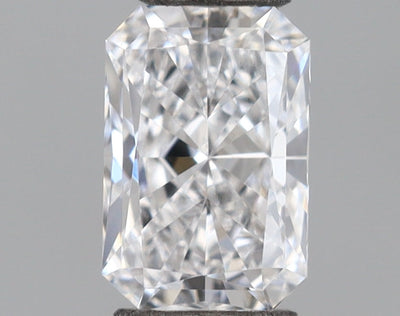

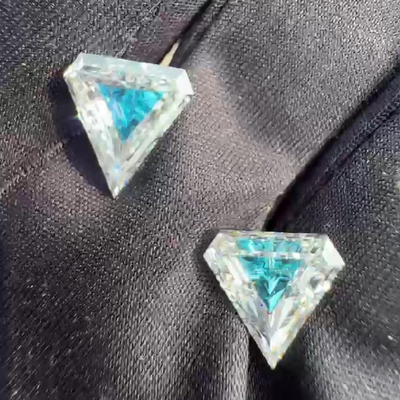
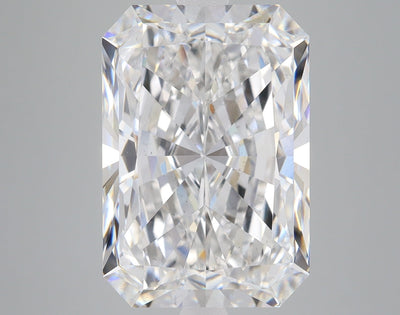


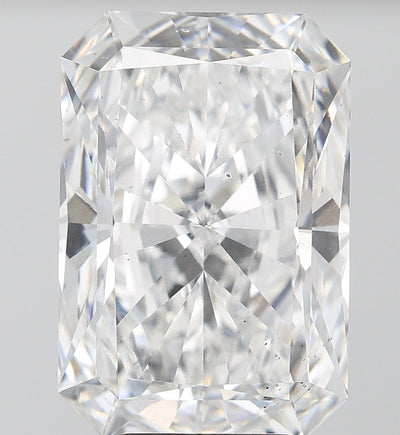

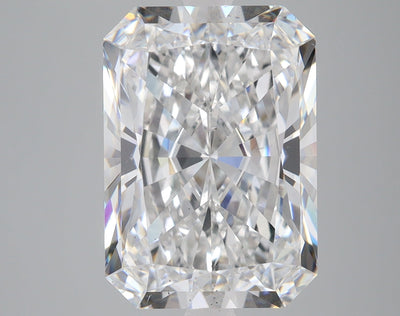


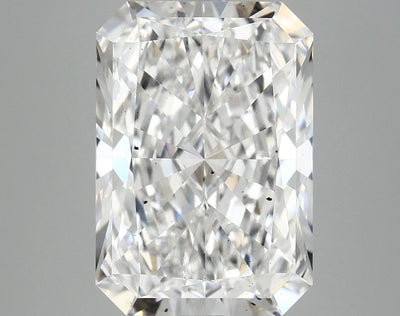
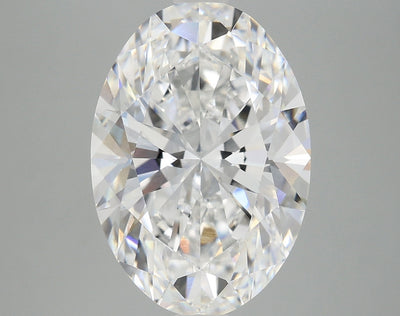
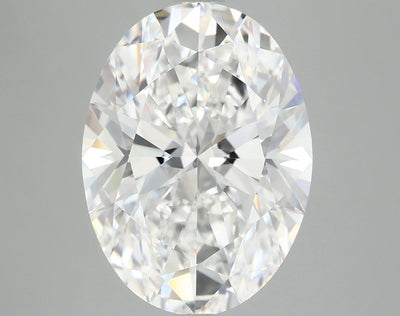
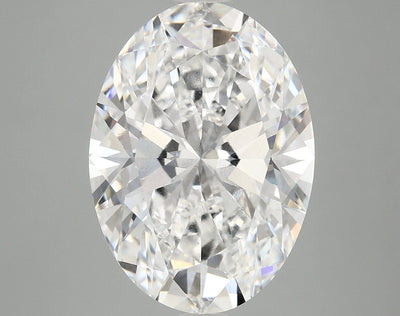
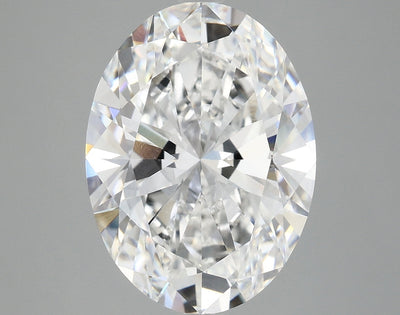
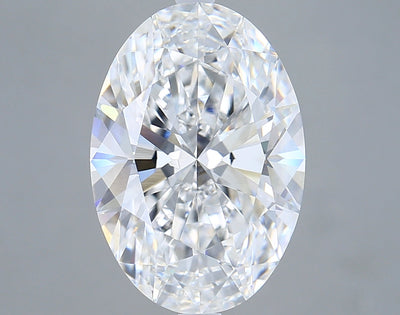
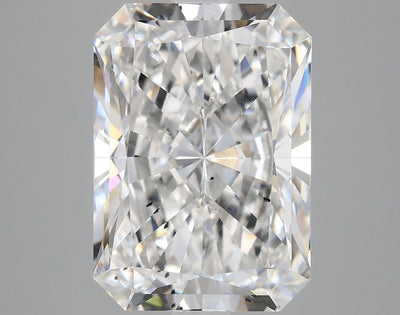
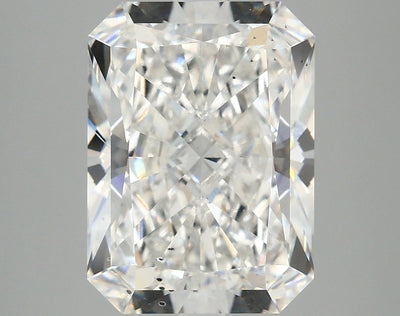
Do the 4Cs Work the Same for Lab Grown and Natural Diamonds?
Yes. Lab grown diamonds are chemically, physically and optically the same as mined diamonds, so the 4Cs describe them in exactly the same way. A lab grown diamond with an Excellent cut, G color and VS1 clarity will look the same as a natural diamond with those grades and the same proportions.
A few practical differences are worth knowing:
- Price per grade: Because lab grown diamonds cost less, the price jump between grades is usually smaller. That makes it easier to choose a better cut, a whiter color or a larger size.
- Growth features: CVD and HPHT diamonds can show their own types of inclusions and growth patterns, which graders account for. Eye-clean is still eye-clean, whatever the origin.
- Treatments: Some lab grown diamonds receive post-growth treatment to improve color. A full report notes this, so read the comments section as well as the grades.
For natural diamonds, rarity adds to the price at every step up the scale. That is why balancing the 4Cs carefully matters even more when you buy natural.
How to Check the 4Cs When Buying Online
You do not need to see a diamond in person to judge it well. You just need the right information.
- Ask for the report: Check the report number, then confirm that the carat weight, measurements and grades match the listing.
- Ask for a video: A short video of the actual stone, turning in natural and indoor light, shows sparkle, color and any visible inclusions far better than a still photo.
- Check the measurements: Use millimetres to compare sizes between shapes and to judge how the stone will look on the hand.
- Ask about the setting: Prong placement, metal color and halo design all change how color and clarity read once the stone is set.
If anything on the listing and the report does not match, ask before you buy. A trustworthy jeweler will explain the difference or show you a stone that fits your brief better. Keep a copy of the report with your purchase records, since it is also useful for insurance and for future cleaning or repair work, when a jeweler may want to confirm the stone is the one you bought.
Common 4Cs Mistakes to Avoid
- Paying for invisible grades: D color and FL clarity cost more, but in a set ring they look the same as well-chosen near-colorless, eye-clean stones.
- Shopping by carat alone: A heavier stone with a poor cut can look smaller and duller than a lighter, well-cut one.
- Ignoring shape: Step cuts need better clarity; elongated shapes need a good length-to-width ratio and little bow tie.
- Skipping the report: Without an independent report, you cannot compare stones fairly or confirm what you are buying.
4Cs at Ivevar
Every Ivevar lab grown diamond is chosen for cut quality and eye-clean beauty, and hand-set in our Surat workshop. Many of our center stones come with IGI certificates, so you can check every grade for yourself. Settings are made in 10K, 14K or 18K gold, and we can create a custom design around the diamond you choose. Every ring ships worldwide with free shipping and 30-day easy returns, and you can book a virtual appointment if you would like help balancing the 4Cs.
Browse lab diamond solitaire rings, explore all lab grown diamond jewelry, or look at lab diamond oval designs if you want a stone that looks larger per carat.
Shop Lab Diamond Solitaires
 Asscher Four Prong SolitaireShop Now
 Classic Oval SolitaireShop Now
 Baguette Cut SolitaireShop Now
 Bezel Emerald SolitaireShop Now
 Asscher Bezel SolitaireShop Now
 Cushion Brilliant SolitaireShop Now
Swipe to see more → | View all solitaire rings
Frequently Asked Questions
Which of the 4Cs matters most?
Cut, because it controls sparkle and brightness. A well-cut diamond looks better than a poorly cut one even when the poorly cut stone has higher color or clarity grades.
Is carat the same as size?
No. Carat is weight; visible size depends on shape, cut and proportions. Compare face-up measurements in millimetres to judge size.
Do lab grown diamonds use the 4Cs?
Yes. They are graded the same way by labs like IGI and GIA, and the report also states that the diamond is laboratory grown.
What is a good color grade?
D to H looks white in most settings. In yellow or rose gold, G to J often looks just as white.
What clarity should I buy?
VS1 to VS2 is the sweet spot for most buyers. A carefully checked SI1 can also be eye-clean, especially in brilliant shapes.
Is a higher clarity grade always better?
On paper, yes; to the eye, not always. Above VS2, most improvements are only visible under magnification, so the extra cost buys rarity rather than visible beauty.
Do the 4Cs apply to moissanite?
Not in the same way. Moissanite is a different gemstone and is usually described by color band, clarity and size in millimetres rather than graded on the diamond 4Cs.
Why do two diamonds with the same 4Cs look different?
Grades are ranges, and details like exact proportions, inclusion location, fluorescence and polish affect the look. That is why a video or in-person view of the actual stone is so useful.
The Bottom Line
Put cut first, choose a color that looks white in your setting and clarity that is eye-clean, then pick the carat size that fits your budget and style. Read the full grading report and judge the actual stone, not just its letters.
Related Guides
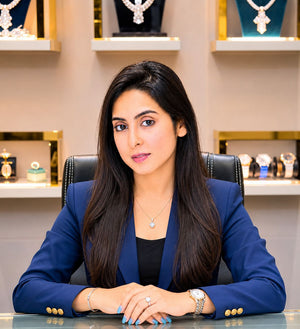
Author Bio
Aumsri Pradhan
Founder, Ivevar Luxury
Aumsri Pradhan is the founder of Ivevar Luxury, a Surat-based fine jewelry brand that designs and handcrafts lab grown diamond and moissanite jewelry in its own workshop. She leads the brand's design and customer experience, from engagement rings and bridal sets to custom pieces made to each client's story. Through the Ivevar blog, she shares practical guidance on lab grown diamonds, moissanite, diamond grading and ring design to help buyers choose with confidence.


