

 Engagement Rings
 Anniversary Rings
 Solitaire Rings
 Halo Rings
 Toi Moi Rings
 Three Stone Rings
 Nature Inspired Rings
 Rose Cut Rings
 Fancy Color Rings
 Antique Cut Rings
 Wedding Rings
 Wedding Band Rings
 Exclusive Lab Grown Diamond Rings
 All Lab Grown Diamond Ring
 Engagement Rings
 Three Stone Rings
 Fancy Color Rings
 Antique Cut Rings
 Daily Wear Rings
 Wedding Band Rings
 Exclusive Moissanite Rings
 Earrings
 Bracelet
 Pendant
 Necklace
 Men's Ring
 Bridal Sets
 Rings
 Earrings
 Tennis chain
 Cuban Chains
 Custom Pendant
 Custom Ring
 Custom Teeth Grillz
 Round
 Oval
 Cushion
 Marquise
 Pear
 Emerald
 Heart
 Princess
 Rose Cut
 Radiant
 Antique Cut
 Brooch
 Cufflink
 Keychain
 Unique Products
 +91-9265051773
 Virtual Appointment
 log in




2 Carat Lab Grown Diamond: Price, Size and What to Look For
by Aumsri Pradhan on Sep 28, 2026
Quick answer: A 2 carat lab grown diamond is one of the best values in fine jewelry today. In the US, a certified loose 2 carat stone typically costs from around $1,000 to $3,500, depending on its cut, color, clarity, shape and the retailer. A well-cut 2 carat round measures about 8.1 mm across, which looks bold and generous on most hands.
Because lab grown prices rise gently with size, many buyers who once planned on 1 carat now choose 2 carats for a similar budget. Here is what to know before you buy one.
Shop the styles in this guide


How Big Is a 2 Carat Diamond?
Carat is weight, not size, so the visible size depends on shape and cut. These are typical face-up measurements for well-cut 2 carat diamonds:
| Shape | Approximate size | How it looks |
|---|---|---|
| Round | about 8.1 mm | Classic, maximum sparkle |
| Oval | about 10 x 7 mm | Looks larger, lengthens the finger |
| Cushion | about 7.5 x 7.5 mm | Soft square, romantic look |
| Emerald | about 9 x 6.5 mm | Elegant step cut, shows clarity more |
| Pear | about 11 x 7 mm | Long, graceful and eye-catching |
Measurements vary with each stone's proportions. Always check the millimeter size on the IGI report. You can also compare sizes on our diamond size chart.
How 2 carats compares with the weights around it
For round brilliants, diameter grows more slowly than weight. Doubling the carat weight does not double the width you see from above, which is why the jump from 1.5 to 2 carats looks smaller than buyers expect.
| Round carat weight | Typical diameter | Visible change |
|---|---|---|
| 1.50 ct | about 7.4 mm | Clearly bigger than 1 carat, still understated |
| 1.75 ct | about 7.8 mm | Hard to tell from 2 carats once set |
| 2.00 ct | about 8.1 mm | Bold, statement size on most fingers |
| 2.50 ct | about 8.7 mm | Very noticeable from across a room |
| 3.00 ct | about 9.3 mm | Large, cocktail-ring presence |
How 2 carats looks on your hand
An 8.1 mm round covers much more of a size 4 or 5 finger than a size 8 or 9. On slim fingers a 2 carat round can reach close to the edges of the finger, while on larger hands it reads as generous but balanced. If you are buying as a surprise, get the ring size right first with our ring size chart, because the size of the finger shapes how big the stone feels. For a deeper look at this effect, read our guide to lab grown diamond carat size on the hand.
Choosing a Shape at 2 Carats
At this weight, shape changes the look of the ring more than any grade does. A few practical points for each:
- Round: the most sparkle and the most forgiving of slight color, but the highest cost per carat and the smallest outline of the popular shapes.
- Oval: spreads the weight over a longer outline. Look at a video to check that any bow tie (a darker band across the middle) is faint.
- Pear: a long, graceful outline that flatters the finger. Check that the point is protected by a V-prong.
- Cushion: softer and more vintage in feel. Cushions can hold color in the corners, so lean toward the whiter end of your color range.
- Emerald: a calm, hall-of-mirrors look. The open table shows inclusions, so clarity matters more here than with brilliant cuts.
What Grades to Look For at 2 Carats
A larger diamond shows more of its color and clarity, so choose grades a little more carefully than you would at 1 carat.
Cut
Choose Excellent or Ideal cut with Excellent polish and symmetry. At this size, a great cut is what makes the stone look bright instead of glassy.
Color
F to G is a strong sweet spot for a 2 carat stone in white gold. If you prefer yellow or rose gold, G to H still looks bright and saves money.
Clarity
VS1 is a safe choice for eye-clean appearance at 2 carats. In step cuts like emerald and Asscher, which show inclusions more easily, consider VS1 or better.
Proportions and spread
Two stones can both weigh 2 carats and still look different in size. A stone with too much depth carries weight below the girdle where you cannot see it, so it faces up smaller. Check the measurements line on the report: for a round, a diameter close to 8.1 mm is a sign the weight is where it counts. For fancy shapes, compare the length and width, not just the carat weight.
The report and inscription
Both IGI and GIA grade lab grown diamonds. The report should state that the stone is laboratory grown, list the growth method where the lab records it, and match the number laser inscribed on the girdle. At 2 carats, it is worth confirming that inscription with a loupe or in the seller's photos.
Lab grown, mined or moissanite at 2 carats
A 2 carat lab grown diamond is real diamond: carbon, 10 on the Mohs scale, with a refractive index of about 2.42. It looks and tests the same as a mined diamond, and only laboratory equipment can tell the two apart. Mined stones of this size cost far more because of rarity. Moissanite is silicon carbide, rated 9.25 on the Mohs scale with a refractive index of about 2.65, so it shows more rainbow fire. It usually costs less again, but it is a different gem. If you are weighing all three, our page on moissanite vs lab grown diamond vs diamond lays out the differences.
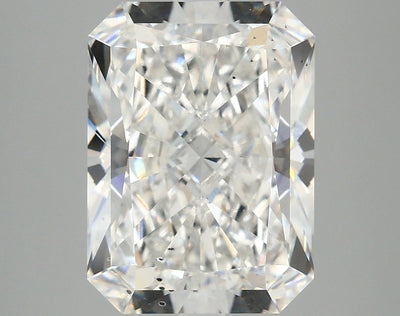
 Shown: 2.16 Ct European Cut Lab Grown Diamond, D Color, VVS2, IGI Certified
2 Carat Lab Grown Diamond Price: What Moves It
- Shape: rounds usually cost the most; ovals, pears and cushions often cost less.
- Color and clarity: D color and VVS clarity sit at the top of the range.
- Cut: the best-cut stones cost a bit more and are worth it.
- Retailer: prices for similar grades can vary a lot from store to store, so compare certificates, not just totals.
Why price jumps at exactly 2 carats
Weights such as 1.90 to 1.99 carats are often priced well below a full 2.00 carat stone, even though the difference in diameter is a fraction of a millimeter. If the round number is not important to you, a stone just under 2 carats is one of the easiest ways to stretch a budget without any visible trade-off.
Growth method and treatment
Lab diamonds are grown by CVD or HPHT. The method does not change how the stone is graded, and it should not change what you pay for the same grades. Some CVD stones receive a post-growth treatment to improve color, which is common and should appear on the report.
Where the money goes in a finished 2 carat ring
With a stone this size, the diamond usually makes up most of the cost of the ring, and the setting adds less in proportion than it does with smaller stones. The setting cost rises with the amount of gold, the karat, the number of accent diamonds and the labor involved. A plain solitaire keeps the focus on the center; a pave band, hidden halo or full halo adds accent stones and bench time.
Is a 2 Carat Diamond Too Big for Everyday Wear?
For most people, no. A 2 carat stone in a low-profile setting, such as a bezel or a low basket, sits closer to the finger and catches less on sweaters and gloves. Six prongs hold a round stone securely, and a hidden halo adds sparkle without extra height. If you work with your hands, a bezel setting gives the most protection.
Best Settings for a 2 Carat Lab Grown Diamond
A 2 carat stone has enough presence that the setting can stay simple. What matters most is security and how the ring sits with daily life.
Solitaire
A four-prong solitaire shows the most diamond, while six prongs add security and soften the outline of a round. Browse our lab diamond solitaire rings for classic profiles.
Three-stone
Side stones frame the center and make the ring wider on the finger. Keep the side stones in proportion so the 2 carat center still leads. See our three-stone lab diamond rings.
Halo and hidden halo
A full halo makes a 2 carat stone look much larger, which can be more than some people want. A hidden halo sits under the center stone and adds a flash of sparkle from the side without changing the face-up size.
Bezel
A full or half bezel wraps the edge of the stone in metal. It is the most protective setting for active wearers and gives a clean, modern look.
Choosing the metal
Ivevar settings come in 925 sterling silver or 10K, 14K or 18K gold. For a 2 carat center, 14K gold is a popular balance of strength and color. 18K has a richer tone and costs more because it contains more pure gold. Many buyers choose white gold prongs on a yellow or rose gold band so a colorless stone does not pick up warmth from the metal around it.
2 Carat vs 1.5 Carat: Which Should You Choose?
A 2 carat round is about 8.1 mm, while a 1.5 carat round is about 7.4 mm. The difference is visible side by side, but a 1.5 carat stone in a halo setting can look close to 2 carats. If you want the most presence for your budget, a 2 carat oval or pear gives a big look without top-tier color grades.
2 Carats in Earrings and Pendants
"2 carats" in studs usually means total weight, so each earring holds about 1 carat, roughly 6.5 mm across for a round. That is a bold, easy-to-wear stud size. In a pendant, a single 2 carat stone sits well on a fine chain and reads clearly at a distance. When comparing earrings, check whether the listed weight is per stone or total, because the two are easy to confuse. You can browse stud earrings to see the sizes side by side.
Shop the styles in this guide





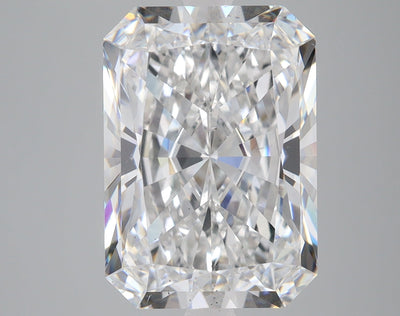


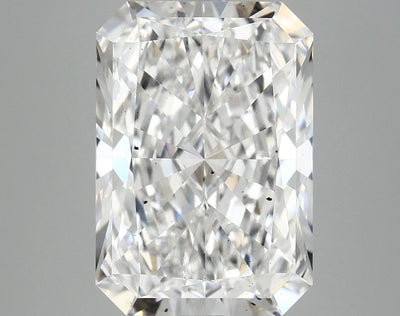
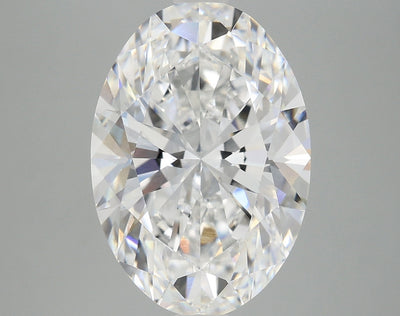
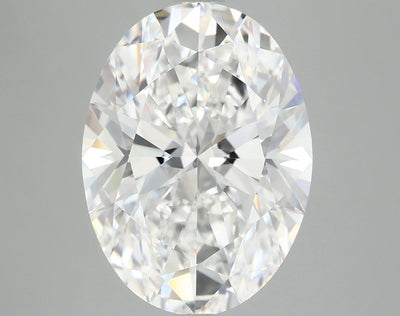
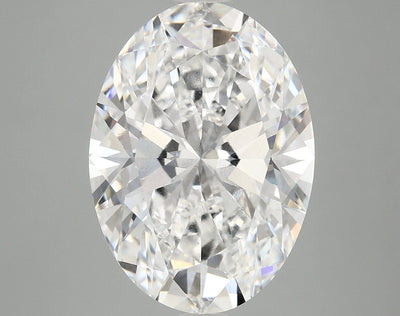
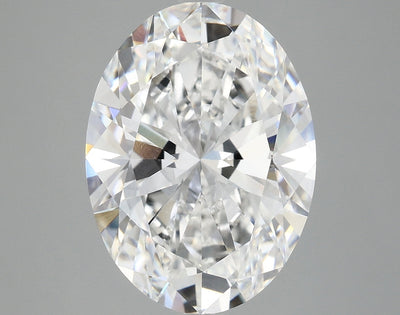
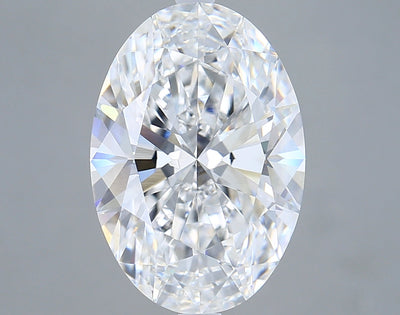
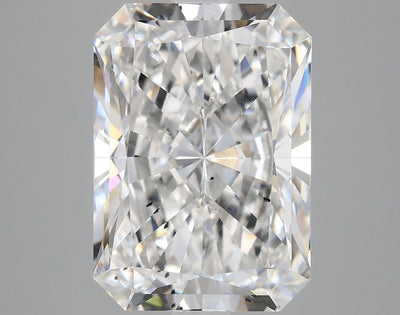

2 Carat vs 3 Carat
A 3 carat round measures about 9.3 mm, roughly 1.2 mm wider than a 2 carat. That step is clearly visible, and color and clarity become more noticeable again as the table of the stone gets larger. A 3 carat ring also needs a sturdier setting and sits taller unless it is bezel set. If you are weighing the larger size, our guide to 3 carat lab grown diamond ring cost and settings covers what changes.
Common Mistakes With a 2 Carat Lab Diamond
- Dropping cut to afford size. A poorly cut 2 carat stone looks glassy or dark in the center. Cut comes first at every size.
- Going too low on color for white metal. Warmth shows more in a large stone set in white gold. Stay around F to G there.
- Choosing a high, open setting for an active life. Tall prongs on a large stone catch on clothing and get knocked more often.
- Ignoring measurements. Compare millimeters, not only carats, so a deep stone does not cost you visible size.
- Skipping the wedding band plan. A larger stone often needs a basket that sits high enough for a straight band, or a curved band designed to fit.
Step-by-Step Checklist for Buying a 2 Carat Lab Diamond
- Confirm the ring size first.
- Pick the shape and decide whether you want maximum sparkle (round) or maximum spread (oval or pear).
- Filter for Excellent or Ideal cut with Excellent polish and symmetry.
- Set color at F to G for white gold, or G to H for yellow or rose gold.
- Set clarity at VS1 or better, and higher for emerald or Asscher cuts.
- Check the measurements against the typical size for the shape.
- Read the IGI or GIA report and match the inscription.
- Choose a setting height and style that fit daily life.
- Choose the metal and karat, and plan the wedding band.
Who a 2 Carat Lab Diamond Is Right For
A 2 carat stone suits buyers who want a ring that is noticed without being extreme, people with medium to larger ring sizes who find 1 carat looks small on their hand, and anyone upgrading from a smaller stone for an anniversary. It also makes sense if you want a true statement size but still plan to wear the ring every day. If you prefer something lower key, a 1 carat stone may suit you better; our 1 carat lab grown diamond price guide covers that size.
Caring for a 2 Carat Diamond Ring
Lab grown diamonds do not turn cloudy, change color or lose sparkle with age. A larger stone does show lotion and skin oil more quickly, because the bigger pavilion collects more film. Soak the ring in warm water with mild dish soap, brush under the stone with a soft toothbrush, rinse and dry. Have the prongs checked regularly, since a 2 carat stone puts more leverage on them. Our jewelry care guide has more detail.
Build Your 2 Carat Ring With Ivevar
We handcraft every setting in our own workshop in Surat, India, and ship worldwide with free shipping and 30-day easy returns. Choose a certified stone from our loose lab grown diamonds, then pick a setting from our solitaire rings or halo rings. We send a CAD design for approval before we start.
Shop 2 Carat Lab Grown Diamonds
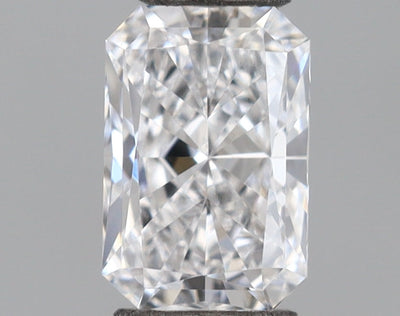
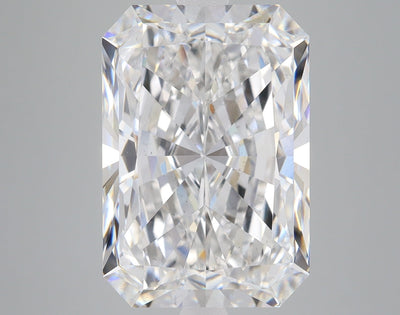
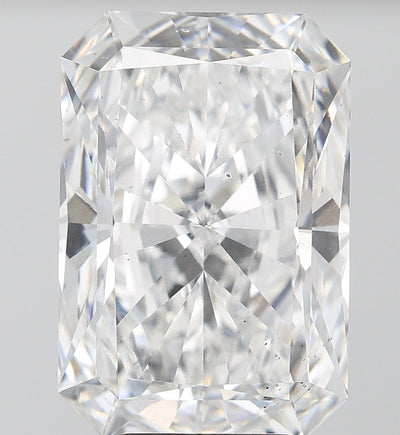
 2.16 Ct European Cut, D, VVS2Shop Now
 2.00 Ct European Cut, D, VS1Shop Now
 2.01 Ct European Cut, G, VS1Shop Now
 2.38 Ct European Cut, D, VS1Shop Now
 2.08 Ct Rose Cut, F, VVS2Shop Now
 2.18 Ct Rose Cut, F, VVS2Shop Now
Swipe to see more → | View all loose lab grown diamonds
Frequently Asked Questions
How many millimeters is a 2 carat round diamond?
About 8.1 mm across for a well-cut round. Deep or shallow cuts can look slightly smaller or larger.
Does a 2 carat lab diamond look fake?
No. A well-cut lab grown diamond looks exactly like a mined diamond because it is a real diamond. Good cut and proportions are what keep any large stone looking natural and bright.
Which shape looks biggest at 2 carats?
Elongated shapes such as oval, pear and marquise usually look largest face-up for their weight.
Should a 2 carat lab diamond have a certificate?
Yes. At this size, an IGI report is essential to confirm the grades and measurements you are paying for.
Is a 2 carat lab diamond a real diamond?
Yes. It is chemically, physically and optically diamond. Standard thermal diamond testers read it as diamond, and telling it apart from a mined stone takes laboratory equipment.
Is a 1.90 carat stone a good alternative to 2 carats?
Often, yes. The diameter difference is very small, and stones just under the round number are usually priced lower. It is a smart choice unless the exact 2.00 weight matters to you.
What setting is safest for a 2 carat diamond?
A bezel offers the most protection. If you prefer prongs, six prongs in a low or medium-height setting give a good balance of security and light.
Will a 2 carat lab diamond get cloudy over time?
No. If it looks dull, it needs cleaning. Oil and dirt on the underside are the usual cause, and a simple wash restores the sparkle.
The Bottom Line
A 2 carat lab grown diamond gives you real presence at a price that was out of reach a few years ago. Prioritize cut, choose F to H color and VS clarity, confirm everything on the IGI report, and pick a secure setting for daily wear.
Related Guides
- How to buy a lab grown diamond: a simple buying guide
- Oval engagement rings: the complete buying guide
- Engagement ring settings explained

Author Bio
Aumsri Pradhan
Founder, Ivevar Luxury
Aumsri Pradhan is the founder of Ivevar Luxury, a Surat-based fine jewelry brand that designs and handcrafts lab grown diamond and moissanite jewelry in its own workshop. She leads the brand's design and customer experience, from engagement rings and bridal sets to custom pieces made to each client's story. Through the Ivevar blog, she shares practical guidance on lab grown diamonds, moissanite, diamond grading and ring design to help buyers choose with confidence.


