Engagement Rings
 Anniversary Rings
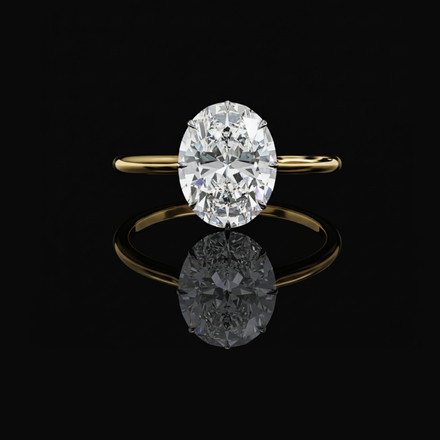
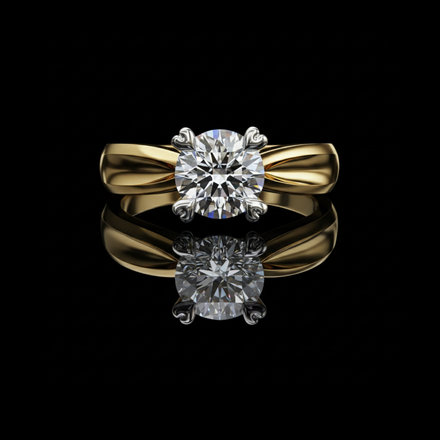
 Solitaire Rings
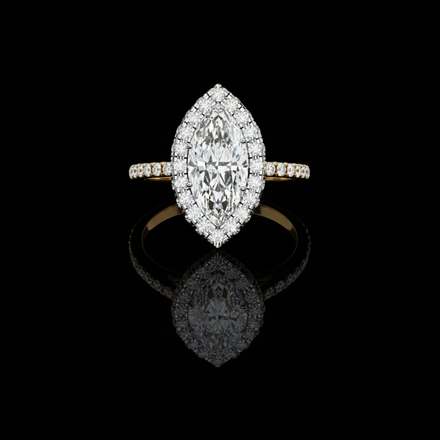
 Halo Rings
 Toi Moi Rings
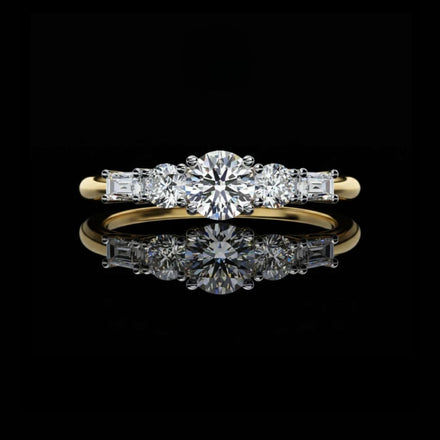
 Three Stone Rings
 Nature Inspired Rings
 Rose Cut Rings
 Fancy Color Rings
 Antique Cut Rings
 Wedding Rings
 Wedding Band Rings
 Exclusive Lab Grown Diamond Rings
 All Lab Grown Diamond Ring
 Engagement Rings
 Three Stone Rings
 Fancy Color Rings
 Antique Cut Rings
 Daily Wear Rings
 Wedding Band Rings
 Exclusive Moissanite Rings
 Earrings
 Bracelet
 Pendant
 Necklace
 Men's Ring
 Bridal Sets
 Rings
Rings
 Earrings
 Tennis chain
 Cuban Chains
 Custom Pendant
 Custom Ring
 Custom Teeth Grillz
 Round
Round
 Oval
Oval
 Cushion
 Marquise
 Pear
Pear
 Emerald
 Heart
Heart
 Princess
 Rose Cut
 Radiant
 Antique Cut
 Brooch
 Cufflink
 Keychain
 Unique Products
 +91 9265051773
 Virtual Appointment
 log in




Short answer: Yes. Lab grown diamonds are genuine diamonds — hardness 10 on the Mohs scale, exactly like mined diamonds — so they handle daily wear beautifully. The stone is rarely the weak point; the setting and the metal are. Choose protective settings, solid 14k or 18k gold, and give pieces a quick weekly clean, and your lab grown diamonds will look new for decades.
- ✓ Lab grown diamonds are real diamonds. Same hardness (10 Mohs) and same toughness as mined — they don't scratch or wear down with daily use.
- ✓ The setting matters more than the stone. Bezel and low-profile settings shield diamonds; tall prongs catch and bend.
- ✓ Studs, tennis bracelets, and solitaire pendants are the everyday classics. Compact, snag-free designs that move with you from morning to night.
- ✓ Pick solid gold. Solid 14k/18k gold survives years of daily wear; thin plating does not.
- ✓ Clean weekly, inspect yearly. Two minutes in warm soapy water keeps pieces sparkling; a yearly jeweler check catches loose stones.
Why Hardness Makes Lab Grown Diamonds Everyday-Ready
A lab grown diamond is pure crystallized carbon — identical in structure to a mined diamond. That means the same 10 on the Mohs hardness scale, the highest of any natural material. That hardness is what protects a gemstone from the micro-scratches of keys, countertops, and door handles — only diamond scratches diamond. So from the stone's point of view, a lab grown diamond is as ready for daily wear as any diamond ever mined.
What hardness doesn't cover is toughness — resistance to chipping from a sharp blow. Diamond is extremely hard but can chip along cleavage planes if struck hard at the wrong angle, and that is equally true of mined and lab grown stones. So the everyday-wear question is really about design: a well-chosen setting protects the stone's vulnerable edges. Get that right, and the stone will outlast everything else in the piece.
The Setting Is the Real Durability Decision
For daily wear, bezel settings are the gold standard. A rim of metal wraps the diamond's edge — the part most likely to chip — while sitting low and snag-free against the skin. Six-prong settings hold round stones more securely than four-prong (if one prong wears, five remain), and low-profile settings keep the stone closer to the finger. Channel-set and pavé bands work for daily wear too, but deserve a yearly check — tiny pavé stones can loosen over years of bumps.
High, exposed settings — dramatic raised solitaires, delicate wire prongs — look stunning but take the hit first in daily life. If you love the look, compensate with 14k gold prongs (harder than 18k), and take the ring off for the gym, gardening, and heavy housework. Everyday wear means designed to survive the 95% of life that is ordinary — not never taking it off.
The Three Pieces That Work Hardest Every Day
Diamond studs are the undisputed everyday champions. They sit flush against the ear, never snag, and go with everything from gym clothes to evening wear. Secure push-backs with notched grooves (or screw backs) keep them put. Emerald, round, and cushion cuts all wear beautifully — just balance cut with clarity when choosing.

Tennis bracelets are the second everyday hero — a flexible line of diamonds that moves with the wrist. Look for a secure box clasp with a figure-eight safety catch, and a fit that slides about a finger's width up and down the wrist (too tight stresses the links; too loose catches on things). Understated pavé or bezel-set bangles are even more carefree if you lead an active life. The third workhorse is the solitaire: a single diamond on a simple band or chain. Fewer stones mean fewer things to loosen, and a low-profile solitaire ring or pendant transitions from office to dinner without a second thought.
Metals That Survive Daily Wear
14k gold is the everyday workhorse — harder and more scratch-resistant than 18k because of its higher alloy content, and far more affordable than platinum. 18k gold is richer in color and still perfectly durable for most wearers. Platinum is the premium choice: dense, naturally white, and it wears by displacing rather than losing metal, so prongs stay strong for decades. White gold needs rhodium re-plating every 12–18 months with heavy wear; factor that maintenance into your decision.
Avoid vermeil and gold-plated settings for everyday pieces — the thin gold layer wears through to the base metal within months of daily contact. Also be cautious with very thin bands (under 1.8mm) on rings you never take off — they can thin further and eventually crack. Solid metal, sensible thickness, secure setting: that's the everyday formula.
The Two-Minute Care Routine
Daily-worn diamonds get filmy — skin oils, soap, sunscreen, and lotion coat the stone and mute its fire. The fix takes two minutes: soak the piece in warm water with a drop of mild dish soap for 10–20 minutes, gently scrub with a soft baby toothbrush (especially under the stone where grime hides), rinse, and pat dry with a lint-free cloth. Do this weekly and your diamonds will look freshly cleaned almost all the time.
Ultrasonic cleaners suit sturdy settings but can shake loose small pavé stones — skip them for delicate pavé or any stone that clicks when tapped. Once a year, have a jeweler inspect prongs, clasps, and earring backs; tightening a prong costs little, replacing a lost diamond costs a lot. Store pieces separately — diamond scratches everything, including other diamonds — in a soft pouch or lined box.
When to Take Them Off Anyway
Even the toughest everyday jewelry has enemies. Chlorine (pools, hot tubs) can pit and discolor gold alloys over time — take rings off before swimming. Harsh chemicals like bleach and household cleaners are similarly unkind to metals and to accent gemstones. The gym is a classic ring-killer: weights and machines can bend shanks and loosen stones in a single session. Gardening, moving furniture, contact sports — if you'd wear gloves, the jewelry comes off first.

This applies to every fine jewelry piece ever made, mined diamond included. Think of it as insurance for something you want to wear for decades: ninety-five percent of life on, five percent off for the rough stuff. That balance is exactly what these stones were made for — beautiful, durable, and affordable enough that you don't have to baby them.
| Piece | Best setting for daily wear | Metal pick | Care note |
|---|---|---|---|
| Diamond studs | Bezel or 4-prong martini | 14k gold | Secure notched push-backs; clean weekly |
| Tennis bracelet | Box clasp + safety catch | 14k/18k gold | Fit should slide ~1 finger width; check clasp yearly |
| Solitaire ring | 6-prong or bezel, low profile | 14k gold | Off for gym, gardening, and chlorine |
| Solitaire pendant | Bezel or 4-prong; 1.2mm+ chain | 14k gold | Wipe chain monthly; check bail yearly |
| Eternity band | Channel or shared-prong | 14k gold | Rarely resizable — size carefully |
Shop Our Best Sellers


Swipe to see more → | View all best sellers
Frequently Asked Questions
Are lab grown diamonds durable enough for everyday wear?
Yes. They're genuine diamonds with Mohs hardness 10 — identical to mined diamonds — so normal daily contact won't scratch or wear them. Durability mostly comes down to the setting and metal, so choose protective designs in solid gold.
Will my lab grown diamond scratch?
Only another diamond can scratch it — keys and countertops won't mark the stone. The surrounding metal will develop fine scratches; a jeweler can polish those out.
Can I wear lab grown diamond jewelry in the shower?
Occasionally is fine, but daily showering builds soap film that dulls sparkle. Better to take pieces off.
What's the most durable setting for daily wear?
A bezel setting — metal wraps the diamond's edge, sits low, and never snags. For round solitaires, a low-profile six-prong setting is the next best choice.
Do tennis bracelet clasps hold up to daily wear?
Yes — look for a box clasp with a figure-eight safety catch, and have it checked yearly.
How often should I clean everyday diamond jewelry?
A two-minute warm soapy soak weekly keeps stones bright. Add a professional clean and prong inspection once a year.
Will the gold wear down if I never take my ring off?
Very slowly — gold abrades over decades, especially thin bands. 14k gold at 2mm+ thickness lasts a lifetime of daily wear.
Sources

Aumsri Pradhan is the founder of Ivevar Luxury, a Surat-based fine jewelry brand that designs and handcrafts lab grown diamond and moissanite jewelry in its own workshop. She leads the brand's design and customer experience, from engagement rings and bridal sets to custom pieces made to each client's story. Through the Ivevar blog, she shares practical guidance on lab grown diamonds, moissanite, diamond grading and ring design to help buyers choose with confidence.