

 Engagement Rings
 Anniversary Rings
 Solitaire Rings
 Halo Rings
 Toi Moi Rings
 Three Stone Rings
 Nature Inspired Rings
 Rose Cut Rings
 Fancy Color Rings
 Antique Cut Rings
 Wedding Rings
 Wedding Band Rings
 Exclusive Lab Grown Diamond Rings
 All Lab Grown Diamond Ring
 Engagement Rings
 Three Stone Rings
 Fancy Color Rings
 Antique Cut Rings
 Daily Wear Rings
 Wedding Band Rings
 Exclusive Moissanite Rings
 Earrings
 Bracelet
 Pendant
 Necklace
 Men's Ring
 Bridal Sets
 Rings
 Earrings
 Tennis chain
 Cuban Chains
 Custom Pendant
 Custom Ring
 Custom Teeth Grillz
 Round
 Oval
 Cushion
 Marquise
 Pear
 Emerald
 Heart
 Princess
 Rose Cut
 Radiant
 Antique Cut
 Brooch
 Cufflink
 Keychain
 Unique Products
 +91-9265051773
 Virtual Appointment
 log in




Do Lab Grown Diamonds Last Forever? Durability Guide
by Aumsri Pradhan on Sep 28, 2026
Quick answer: Yes, lab grown diamonds last forever in the way that matters: they will not cloud, fade, change color or wear down with normal use. They score 10 on the Mohs hardness scale, exactly like mined diamonds. But "hard" is not "unbreakable." A sharp knock at the wrong angle can chip any diamond, so a secure setting and simple care keep yours beautiful for a lifetime.
Here is what makes lab grown diamonds so durable, where they are vulnerable, and how to protect them every day.
Shop the styles in this guide


Why Lab Grown Diamonds Are So Durable
Maximum hardness
Hardness is resistance to scratching. Diamond is the hardest natural material, and lab grown diamonds share the exact same crystal structure. Everyday materials like steel, glass and sand cannot scratch them.
Stable color and clarity
A lab grown diamond's color and clarity are permanent. It will not turn yellow, go cloudy or lose its sparkle over time. When a diamond looks dull, the cause is almost always a film of lotion, soap or skin oil, which cleaning removes.
Heat and chemical resistance
Diamonds handle normal household heat and most chemicals without damage. The metal setting is usually more sensitive than the stone.
What "Forever" Really Means for a Diamond Ring
When people ask whether a lab grown diamond lasts forever, they usually mean the whole ring. The stone and the setting age very differently. The diamond itself will look the same in fifty years as it does today, while the metal around it slowly wears and needs occasional attention.
| Part of the piece | What happens over decades | What keeps it going |
|---|---|---|
| Diamond | No change in color, clarity or sparkle; chips only from hard impacts | Cleaning and a protective setting |
| Prongs | Tips wear thin and can bend or snag | Periodic checks and re-tipping when worn |
| Ring shank (band) | The bottom thins slowly from daily contact with surfaces | Rebuilding or replacing the shank if it gets too thin |
| White gold plating | Rhodium plating wears, letting a warmer tone show through | Re-plating when needed |
| Small side stones | Pavé and channel stones can loosen with knocks | Checks along with the prongs |
In other words, the diamond is the permanent part, and the setting is the part you maintain. A well-made setting that is looked after can carry the same diamond for generations, and if a setting ever wears out, the diamond can be moved into a new one.
Why Lab Grown Diamonds Do Not Age
A lab grown diamond is pure crystalline carbon, just like a mined diamond. There is nothing in it that dries out, oxidizes in normal conditions or breaks down with light. That is why its grading report stays accurate for its whole life: the color, clarity and cut it was graded with do not drift.
Some lab grown diamonds are given a post-growth heat treatment to improve their color. This is a normal part of production and the result is permanent, not a coating. A grading report will note treatment where it applies. If you want to know more about how stones are grown, see our guide to CVD vs HPHT lab grown diamonds.
Hardness vs Toughness: Where Diamonds Can Chip
Toughness is resistance to breaking. Diamond's toughness is rated good rather than exceptional, because it has natural cleavage planes, directions along which a hard, sharp blow can split it. That is why a diamond that knocks hard against a granite counter or a metal railing can chip, especially on a thin edge or a pointed tip.
| Risk | Most exposed | Protection |
|---|---|---|
| Chipped tips | Pear, marquise, princess, heart | V-prongs or bezel on points and corners |
| Chipped girdle | Stones with a very thin girdle | Choose thin to medium girdle; low setting |
| Loose stone | Any prong setting | Yearly prong check |
| Scratched metal | All settings | Occasional polish |
 Shown: 2.01 Ct Radiant Cut Fancy Vivid Blue Lab Grown Diamond, VS1
How Diamond Shape Affects Long-Term Durability
Every diamond shape is equally hard, but some shapes have edges that are easier to damage over many years of wear. Choosing a protective setting for the vulnerable shapes removes most of the risk.
| Shape | Weak point | Long-term advice |
|---|---|---|
| Round, oval | Girdle edge only | Among the most durable shapes in any setting |
| Cushion, radiant, emerald, asscher | Corners, though they are clipped | Very durable; four prongs on the corners work well |
| Princess | Four sharp corners | Use V-prongs or a bezel to cover each corner |
| Pear, heart | One pointed tip | Protect the tip with a V-prong |
| Marquise | Two pointed tips | Protect both tips; avoid very low-profile pavé that leaves tips exposed |
For a ring meant to last a lifetime with minimal fuss, a round or oval lab diamond solitaire ring is one of the most durable combinations you can choose.
Choosing a Setting for Everyday Durability
- Bezel: a metal rim around the whole stone; the most protective choice for active lifestyles.
- Six prongs: extra security for round stones, with a small amount of metal showing.
- Radiant or cushion shapes: cut corners are less likely to chip than sharp princess corners.
- Lower profile: a stone that sits closer to the finger catches less often.
How Each Metal Ages Over Time
Since the setting is the part that wears, your metal choice has a real effect on how much upkeep the piece needs over the years.
| Metal | How it wears | Long-term care |
|---|---|---|
| 10K gold | The hardest of the gold options, resists scratches and bending well | Low maintenance; a good choice for heavy daily wear |
| 14K gold | A strong balance of durability and rich color | Occasional polish and prong checks |
| 18K gold | Softer, so it scratches and wears a little faster | More frequent checks on prongs and thin shanks |
| White gold (any karat) | Rhodium plating wears over time | Re-plate when the color starts to warm |
| 925 sterling silver | Softest option; tarnishes with air and skin contact | Regular polishing; best for pieces worn less roughly |
If you want a piece to last for decades with the least maintenance, 14K gold is a popular middle ground. Bands with stones all the way around, such as a lab diamond eternity ring, are beautiful but harder to resize later, so confirm your size with our ring size chart before ordering.
What Can Actually Damage a Lab Grown Diamond
Normal life will not harm the stone. These are the rare situations that can.
- A hard, sharp impact. A direct blow on a thin edge or point, such as hitting stone, metal or tile, is the most common cause of a chip.
- Extreme heat. Very high heat, such as a house fire or a jeweler's torch held on the stone during repair, can burn the diamond's surface. Jewelers protect the stone during repairs, but always tell them it is a diamond.
- Contact with another diamond. Diamonds can scratch each other, which is why pieces should be stored apart.
- A failing setting. The stone itself survives, but a bent or broken prong can let it fall out and be lost. This is the most common way people lose a diamond.
Lab Diamond vs Mined Diamond vs Moissanite Over Decades
| Lab grown diamond | Mined diamond | Moissanite | |
|---|---|---|---|
| Hardness | 10 Mohs | 10 Mohs | 9.25 Mohs |
| Color over time | Stable | Stable | Stable |
| Sparkle over time | Unchanged when clean | Unchanged when clean | Unchanged when clean, with more rainbow fire |
| Scratch risk | Only from another diamond | Only from another diamond | Very low, but diamond can scratch it |
| Chip risk | Low, mainly on points and thin edges | Same as lab grown | Low; good toughness |
All three are durable enough for a lifetime of wear. For a deeper comparison of look and price, visit our moissanite vs lab grown diamond vs diamond page.
Simple Care to Make It Last
- Take rings off for the gym, gardening, cleaning and moving furniture.
- Clean weekly in warm water with mild dish soap and a soft toothbrush.
- Store pieces separately so diamonds do not scratch other jewelry.
- Remove jewelry before swimming in chlorinated pools, which can weaken gold over time.
- Have prongs checked by a jeweler once a year.
For step-by-step cleaning, read our guide on how to clean diamond and moissanite jewelry at home, or see our jewelry care page.
Durability Beyond Rings
Rings take the most knocks, but other lab grown diamond jewelry has its own weak points. In every case the diamond outlasts the metal parts, so the parts that move or hold the piece on are what to watch.
Stud earrings
The stones in studs rarely face impacts, so the main risk is losing an earring. Screw backs or secure friction backs help, and posts can bend if pulled. Browse stud earrings for different back styles.
Pendants and necklaces
The bail and the chain wear where they rub together. Check the jump ring and clasp from time to time, and replace a chain that shows thin or stretched links.
Tennis bracelets and chains
Flexible pieces have many small links and settings that move with every wear. Clasps and safety catches deserve a regular look, and it is worth having a jeweler check for loose stones every year or so.
Hip hop chains and pendants
Heavy chains put strain on box clasps and connecting links. Large pendants with many small stones should be cleaned gently and inspected for loose stones, especially after rough wear.
A Lifetime Care Schedule
| How often | What to do |
|---|---|
| Every week | Quick soak in warm soapy water and a soft brush behind the stone |
| Every month | Look closely at the prongs and gently check whether the stone moves |
| Every year | Professional inspection of prongs, side stones and shank |
| Every few years | Professional polish, and re-plating for white gold if the color has warmed |
| As needed | Re-tip worn prongs, rebuild a thin shank, or reset the stone |
Passing It Down: Planning for an Heirloom
A lab grown diamond can easily outlast its first owner. A few simple steps make it easier for the next generation to enjoy it.
- Keep the grading report. It describes the stone exactly, and the laser inscription on the girdle stays with the diamond for life.
- Record its history. Note when and where it was bought, and any repairs or resizing over the years.
- Expect a new setting one day. Styles change and metal wears, so heirloom diamonds are often moved into a new ring or pendant. Read can lab grown diamonds be resized or reset for what that involves.
- Match the band. If you plan to wear a band alongside it for decades, choose one in the same metal so both wear evenly. See our lab grown diamond wedding bands.
Mistakes That Shorten a Ring's Life
- Skipping prong checks. Worn prongs are the number one way stones are lost. A quick yearly look prevents most losses.
- Wearing it for heavy work. Lifting weights, gardening and moving furniture put the most stress on prongs and shanks.
- Tossing it in a drawer with other jewelry. The diamond can scratch other pieces, and other diamonds can scratch it.
- Using harsh chemicals. Bleach and pool chlorine do not hurt the diamond but can weaken gold alloys over time.
- Choosing a delicate setting for a hands-on life. Very thin bands and tall, exposed prongs need more care than a sturdy, lower setting.
Checklist: Buying a Lab Grown Diamond Ring Built to Last
- Pick a shape that suits your lifestyle, or protect pointed shapes with V-prongs or a bezel.
- Check the girdle thickness on the grading report and avoid extremely thin girdles.
- Choose 10K or 14K gold if you are hard on your hands; 18K for richer color with a bit more care.
- Ask for a sturdy shank rather than an ultra-thin band.
- Consider a lower-profile setting if you work with your hands.
- Confirm your exact ring size so the ring does not need early resizing, since everything is made to order.
- Keep the grading report and plan a yearly inspection.
Who Benefits Most From a Lab Grown Diamond's Durability
Lab grown diamonds suit anyone who wants a stone they can wear daily without worrying about it fading or wearing down: engagement ring wearers, people who want a ring to pass on, and anyone who prefers to put their budget into a stone that will look the same decades from now. If you are especially active, pair the diamond with a protective setting and the stone will easily keep up.
Built to Last at Ivevar
We handcraft every setting in our own Surat workshop, paying close attention to prong strength and stone security. We share photos or a video of your finished piece before it ships, with free worldwide shipping and 30-day easy returns. Explore radiant lab grown diamonds and daily wear lab diamond rings.
Shop Radiant Cut Lab Grown Diamonds
 2.01 Ct Radiant, Vivid BlueShop Now
 1.44 Ct Radiant, Vivid BlueShop Now
 1.06 Ct Radiant, Vivid GreenShop Now
 0.82 Ct Radiant, Intense PinkShop Now
 1.65 Ct Radiant, Brownish PinkShop Now
 3.07 Ct Radiant, Vivid PinkShop Now
Swipe to see more → | View all loose lab grown diamonds
Frequently Asked Questions
Do lab grown diamonds get cloudy?
No. Cloudiness is almost always dirt or oil on the surface, which cleaning removes.
Can a lab grown diamond scratch?
Only another diamond can scratch a diamond. Store diamond pieces separately.
Can I wear my lab grown diamond ring every day?
Yes. Just take it off for heavy work and sports, and have the prongs checked yearly.
Are lab grown diamonds as durable as mined diamonds?
Yes. They have identical hardness and toughness because they are the same material.
Will a lab grown diamond lose its sparkle after many years?
No. Sparkle comes from the cut, which does not change. If a stone looks dull, cleaning off oil and residue brings it back.
Can a lab grown diamond change color?
No. Its color is part of the crystal and stays the same for life, including stones that were heat treated after growth.
How long does the ring setting last?
It depends on the metal, the design and how the ring is worn. With periodic checks and repairs such as re-tipping prongs, a setting can last many decades.
Can a chipped diamond be fixed?
Often, yes. A small chip can sometimes be polished out by recutting, which slightly reduces carat weight. A jeweler can advise whether it is worth doing.
Is moissanite as long-lasting as a lab grown diamond?
Moissanite is also extremely durable and does not cloud or fade. It is slightly softer at 9.25 on the Mohs scale, so only very hard materials such as diamond can scratch it.
Does an ultrasonic cleaner hurt lab grown diamonds?
Not the diamond itself. But the vibration can loosen stones in a worn setting, so have the prongs checked first or stick to soap and water.
The Bottom Line
A lab grown diamond keeps its sparkle, color and clarity for a lifetime. Pair it with a secure setting, protect pointed tips, and give it simple care, and it will be ready to pass down.
Related Guides
- How to clean diamond and moissanite jewelry at home
- Engagement ring settings explained
- Lab grown diamonds: common myths busted
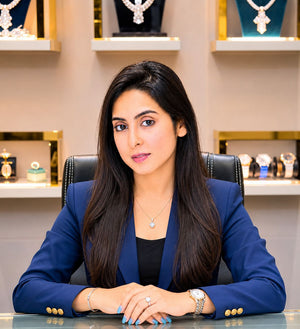
Author Bio
Aumsri Pradhan
Founder, Ivevar Luxury
Aumsri Pradhan is the founder of Ivevar Luxury, a Surat-based fine jewelry brand that designs and handcrafts lab grown diamond and moissanite jewelry in its own workshop. She leads the brand's design and customer experience, from engagement rings and bridal sets to custom pieces made to each client's story. Through the Ivevar blog, she shares practical guidance on lab grown diamonds, moissanite, diamond grading and ring design to help buyers choose with confidence.


