

 Engagement Rings
 Anniversary Rings
 Solitaire Rings
 Halo Rings
 Toi Moi Rings
 Three Stone Rings
 Nature Inspired Rings
 Rose Cut Rings
 Fancy Color Rings
 Antique Cut Rings
 Wedding Rings
 Wedding Band Rings
 Exclusive Lab Grown Diamond Rings
 All Lab Grown Diamond Ring
 Engagement Rings
 Three Stone Rings
 Fancy Color Rings
 Antique Cut Rings
 Daily Wear Rings
 Wedding Band Rings
 Exclusive Moissanite Rings
 Earrings
 Bracelet
 Pendant
 Necklace
 Men's Ring
 Bridal Sets
 Rings
 Earrings
 Tennis chain
 Cuban Chains
 Custom Pendant
 Custom Ring
 Custom Teeth Grillz
 Round
 Oval
 Cushion
 Marquise
 Pear
 Emerald
 Heart
 Princess
 Rose Cut
 Radiant
 Antique Cut
 Brooch
 Cufflink
 Keychain
 Unique Products
 +91-9265051773
 Virtual Appointment
 log in




Emerald Cut Lab Grown Diamonds: What to Know Before You Buy
by Aumsri Pradhan on Sep 28, 2026
Quick answer: An emerald cut lab grown diamond is a rectangular step cut with long, clean facets that create a calm "hall of mirrors" effect rather than intense sparkle. Because its open facets show more of the inside of the stone, choose VS1 clarity or better and G color or better in white metal. A length-to-width ratio of about 1.30 to 1.50 gives the classic look.
Emerald cuts are loved for their vintage elegance and bold outline. Here is what to know before you buy one.
Shop the styles in this guide


What Makes an Emerald Cut Different?
Most popular diamond shapes are brilliant cuts, with many small triangular facets that create sparkle. The emerald cut is a step cut: long parallel facets arranged like stairs, with cut corners. The result is broad flashes of light and a glassy, sophisticated clarity.
Anatomy of an emerald cut
Understanding the parts of the stone makes it much easier to judge one from photos.
- Table: The large flat window on top. On an emerald cut it is wide and open, which is why you can see deep into the stone.
- Crown steps: Rows of long, narrow facets around the table, usually three rows, that frame it like a picture.
- Pavilion steps: Parallel rows on the underside that create the mirrored, stepped pattern you see through the table.
- Cut corners: The four small angled corners that turn a rectangle into an octagon and protect the stone from chipping.
- Keel line: The ridge where the pavilion facets meet at the bottom, instead of a single point as in a round.
When these steps are even and well proportioned, the stone shows bold, alternating bands of light and dark that move as you turn your hand. That pattern is the hall of mirrors effect buyers love.
Emerald Cut vs Brilliant Cuts
| Emerald cut | Round / oval brilliant | |
|---|---|---|
| Sparkle | Broad flashes, calm and elegant | Intense, lively sparkle |
| Shows inclusions | More easily | Hides them well |
| Shows color | More easily | Hides it better |
| Face-up size | Looks large for its weight | Round standard; oval larger |
| Style | Vintage, Art Deco, minimalist | Classic, romantic |
Emerald Cut vs Other Step and Rectangular Cuts
Emerald cuts are often compared with Asscher, radiant and baguette cuts. The differences are mostly in outline and faceting.
| Cut | Outline | Facet style | Look |
|---|---|---|---|
| Emerald | Rectangle with cut corners | Step cut | Long, calm flashes, vintage elegance |
| Asscher | Square with larger cut corners | Step cut | Concentric squares, windmill pattern, Art Deco |
| Radiant | Rectangle or square with cut corners | Brilliant faceting | Emerald outline with crushed-ice sparkle |
| Baguette | Long, narrow rectangle, usually small | Step cut | Mostly used as side stones and in bands |
If you love the emerald outline but want more sparkle, a radiant cut is the usual alternative. If you want the most face-up size for the weight and a softer outline, compare it with our oval lab grown diamond guide.
Best Grades for an Emerald Cut Lab Diamond
Clarity
Choose VS1 or better. With step cuts, an inclusion under the large central table can be visible. Always look at a clear photo or video.
Color
G or better in white gold. In yellow or rose gold, H can look lovely and warm.
Ratio
About 1.30 to 1.50 for the classic rectangle. Lower ratios look squarer; higher ratios look long and slim.
Polish and symmetry
Excellent or Very Good. Clean, even steps are what make an emerald cut beautiful.
Depth and table
Emerald cuts have no official cut grade, so proportions matter. As a broad guide, depth and table percentages each in the range of roughly 60% to 70% tend to look balanced. Very shallow stones can look washed out in the center, while very deep stones carry weight underneath and face up smaller than you expect. Use the numbers to narrow your shortlist, then let photos or video decide.
Common emerald cut problems
- Windowing: A flat, see-through zone in the center where light passes straight through. Some transparency is normal for a step cut; a large dull patch is not.
- Uneven steps: Rows of different widths or crooked lines break the hall of mirrors pattern. Look for parallel, evenly spaced steps.
- Corner size: Corners that are too small leave the stone vulnerable; corners that are very large make it look octagonal rather than rectangular.
- Bulging or uneven sides: The long sides should be straight and parallel.
To learn more about how the clarity grades compare, see our guide to VS1 vs VS2 lab grown diamonds, and for color, read about the G color grade.
 Shown: 1.32 Ct Emerald Cut Fancy Vivid Lab Grown Diamond, VS1, IGI Certified
Emerald Cuts and Color
Step cuts also show color beautifully, which makes emerald cut fancy color lab grown diamonds, in blue, green and pink, a striking choice. The long facets act like windows into the color.
Colorless emerald cuts and body color
Because step cuts do not break up light into as many small reflections as a brilliant, any body color in a colorless stone is easier to see, especially at the corners and ends. That is why G or better is a safe choice in white metal. Fancy color emerald cuts show their hue in broad, even panels; brilliant cuts such as ovals and radiants can make face-up color look more saturated, so compare photos of both if color intensity is your priority. The grading report will state whether the color comes from growth or post-growth treatment.
Best Settings for Emerald Cut Diamonds
- Four-prong solitaire: clean and classic; shows the outline.
- Three stone: with tapered baguettes or trapezoids for an Art Deco look.
- Hidden halo: adds side sparkle without changing the top view.
- East-west: a sideways emerald for a modern twist.
Cut corners make emerald cuts more durable than sharp princess corners.
Setting Details That Suit Step Cuts
The setting can make or break an emerald cut, because the clean outline and open table are the stars of the design.
Prongs at the corners
Emerald cuts are usually held by four prongs, one at each cut corner. Claw prongs are slim and show the most of the stone. Double prongs, two small prongs at each corner, add security and give a subtle eight-point frame. Avoid prongs placed on the long sides, which interrupt the clean lines of the steps.
Bezel settings
A full or partial bezel wraps the outline in metal. It is the most protective option for an active lifestyle and suits minimalist designs, though it hides a little of the stone's edge and reduces light from the sides slightly.
Choosing side stones
Side stones should echo the step-cut style. Tapered baguettes create a sleek, linear look; trapezoids add width and presence; pear side stones soften the design and add contrast. Brilliant-cut side stones, such as small rounds, add sparkle but create a more mixed look. Match the side stone color closely to the center so the ring reads as one piece.
Hidden halos and pave bands
A hidden halo sits under the center stone and is visible from the side, so it adds sparkle without changing the crisp top view. A pave band adds brightness along the finger. Keep the pave delicate so it supports the emerald cut instead of overpowering its calm flashes.
Choosing an Emerald Cut Ratio for Your Hand
- Short or wider fingers: A longer ratio around 1.45 to 1.60 adds length and makes the finger look slimmer.
- Long, slender fingers: A classic 1.30 to 1.45 keeps the stone balanced and avoids an overly narrow look.
- East-west settings: A lower ratio around 1.30 to 1.40 looks proportioned when the stone sits sideways.
- Three-stone designs: A slightly longer center balances wide side stones and keeps the ring from looking too broad.
How Big Does an Emerald Cut Look?
An emerald cut's long, open table gives it a generous face-up area for its weight. Approximate measurements at a ratio of about 1.40:
| Carat | Approximate size |
|---|---|
| 1 ct | about 7.0 x 5.0 mm |
| 1.5 ct | about 8.0 x 5.7 mm |
| 2 ct | about 8.5 x 6.1 mm |
| 3 ct | about 9.8 x 7.0 mm |
Actual sizes vary with depth and ratio. A longer ratio makes the stone cover more of the finger lengthwise, which many people find flattering on shorter fingers.
Lab Grown, Mined or Moissanite Emerald Cut?
An emerald cut lab grown diamond is real diamond: carbon, 10 on the Mohs scale, with a refractive index of about 2.42. It looks identical to a mined emerald cut, and only laboratory testing can confirm its origin. Both IGI and GIA grade lab grown diamonds, and lab reports note a laser inscription on the girdle. Moissanite, by contrast, is silicon carbide, 9.25 on the Mohs scale, with a refractive index of about 2.65. In a step cut, moissanite's stronger rainbow fire shows across the broad facets and gives a noticeably different, more colorful look than diamond. Our moissanite vs lab grown diamond vs diamond comparison explains the trade-offs.
Shop the styles in this guide


Choosing the Metal for an Emerald Cut Ring
Ivevar makes rings in 925 sterling silver and in 10K, 14K and 18K gold. White gold suits colorless emerald cuts and keeps the clean, icy look of the step facets. Yellow gold gives a vintage Art Deco feel and makes slight warmth in an H color stone less noticeable. Rose gold pairs beautifully with pink fancy color emerald cuts. For a ring worn every day, 14K gold balances durability and color, and the prongs that hold the corners should be checked periodically.
Ring profile and wedding bands
Emerald cuts look sleek in a low or medium profile, which also makes daily wear easier. A straight wedding band sits neatly next to a solitaire, and a band of baguettes or small emerald cuts echoes the step-cut style. You can browse lab diamond solitaire rings for clean settings or lab diamond eternity rings to match. Confirm your size with our ring size chart before ordering, since each ring is made to order.
What Affects the Cost of an Emerald Cut Lab Diamond
- Carat weight: The largest single factor, with noticeable steps at popular weights.
- Clarity: Emerald cuts need higher clarity than brilliants, so a VS1 emerald cut costs more than a VS2 of the same size.
- Color: Higher color grades cost more and are worth it in white metal.
- Cut precision: Even, well-proportioned steps take more care to cut and are worth paying for.
- Fancy color: Blue, green and pink stones are valued mainly by color intensity and evenness.
- Setting: Three-stone, hidden halo and pave designs add to the total ring cost.
Caring for an Emerald Cut Lab Diamond
A lab grown diamond does not get cloudy or lose sparkle, but an emerald cut shows dirt faster than a brilliant because its large table reveals every smudge and the broad pavilion facets collect a visible film of lotion and oil. Soak the ring in warm water with mild dish soap, brush gently under the stone with a soft toothbrush, rinse, and dry with a lint-free cloth. Cut corners help protect the stone, but check that the prongs at each corner stay tight. See our jewelry care guide for more.
Mistakes to Avoid When Buying an Emerald Cut
- Buying the clarity grade you would accept in a round. Inclusions are easier to see in a step cut.
- Judging from a still photo only. The flash pattern only comes alive in video or motion.
- Ignoring windowing. A stone with a large dull center can look glassy and lifeless.
- Choosing a ratio you have not seen on a hand. A 1.30 and a 1.60 emerald cut look like very different stones.
- Overlooking color in white metal. Lower color grades show more in a step cut.
Step-by-Step Emerald Cut Buying Checklist
- Choose a ratio range by comparing photos of emerald cuts on hands.
- Set a carat range and remember the stone faces up large for its weight.
- Choose VS1 or better, and G or better for white metal.
- Check depth, table, polish and symmetry on the report.
- Watch a video to confirm even steps and no large window.
- Pick a setting: solitaire, three stone, hidden halo or east-west.
- Choose the metal and karat, then confirm your ring size.
Emerald Cuts Beyond the Engagement Ring
The step-cut look works across fine jewelry, not only in solitaires.
- Stud and drop earrings: A pair of emerald cuts looks tailored and modern. Match the ratio and color of both stones closely, since step cuts make small differences easy to see.
- Pendants: A north-south emerald cut on a fine chain elongates the neckline. A bezel or four-prong basket keeps the outline clean.
- Eternity and anniversary bands: A row of small emerald cuts set end to end creates a continuous band of mirror-like flashes, and pairs naturally with an emerald cut engagement ring.
- Right hand and cocktail rings: Fancy color emerald cuts in pink, blue or green make bold statement rings with a vintage edge.
For matched pairs and bands, ask for stones cut to similar proportions so the step patterns line up when the pieces are worn together.
Who an Emerald Cut Suits
An emerald cut suits buyers who prefer refined elegance over maximum sparkle, people drawn to vintage and Art Deco design, and anyone with long or slender fingers who wants to emphasize that elegance. It also suits those who like a stone that looks large and clean on the hand. Compare emerald cuts with other shapes in our lab diamond engagement rings.
Emerald Cut Lab Diamonds at Ivevar
We select IGI-certified emerald cuts and hand-set them in our Surat workshop, then ship them free worldwide, with 30-day easy returns. Browse emerald cut lab grown diamonds and three stone rings.
Shop Emerald Cut Lab Grown Diamonds
 1.32 Ct Emerald, Greenish BlueShop Now
 1.21 Ct Emerald, Orange PinkShop Now
 1.00 Ct Emerald, Vivid GreenShop Now
 0.99 Ct Emerald, Intense PinkShop Now
 2.02 Ct Emerald, Vivid PinkShop Now
 1.99 Ct Emerald, Intense PinkShop Now
Swipe to see more → | View all emerald cut diamonds
Frequently Asked Questions
Do emerald cut diamonds sparkle?
They sparkle differently: bold flashes of light instead of the fiery sparkle of a round. Many people prefer that calm elegance.
Is VS2 okay for an emerald cut?
Sometimes, if the inclusions are small and near the edges. VS1 is the safer choice.
Do emerald cuts look bigger?
Yes. Their long, open table gives a large face-up area for the carat weight.
What is the difference between emerald and Asscher cut?
Both are step cuts. Emerald cuts are rectangular; Asscher cuts are square with deeper corners.
Is an emerald cut lab diamond a real diamond?
Yes. It has the same chemistry, hardness and optical properties as a mined diamond, and standard diamond testers read it as diamond.
Are emerald cuts durable for everyday wear?
Yes. Diamond is 10 on the Mohs scale, and the cut corners protect the stone from chipping better than sharp square corners.
What ratio is best for an emerald cut?
About 1.30 to 1.50 is classic. Lower ratios look more square, and higher ratios look long and slender.
Why does my emerald cut look dull?
Usually because of oil and dirt on the table and pavilion. A soak in warm soapy water and a soft brush restore the flashes.
Emerald cut or radiant cut?
Choose an emerald cut for calm, mirror-like flashes and a vintage feel. Choose a radiant for the same outline with brilliant sparkle that also hides inclusions better.
The Bottom Line
An emerald cut lab grown diamond offers timeless, understated luxury. Choose VS1 or better, G or better in white metal, a ratio you love, and clean, even steps.
Related Guides
- The versatility of emerald cuts
- Diamond shapes guide
- How to buy a lab grown diamond: a simple buying guide
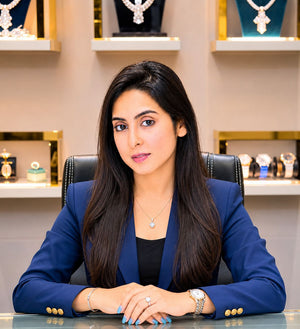
Author Bio
Aumsri Pradhan
Founder, Ivevar Luxury
Aumsri Pradhan is the founder of Ivevar Luxury, a Surat-based fine jewelry brand that designs and handcrafts lab grown diamond and moissanite jewelry in its own workshop. She leads the brand's design and customer experience, from engagement rings and bridal sets to custom pieces made to each client's story. Through the Ivevar blog, she shares practical guidance on lab grown diamonds, moissanite, diamond grading and ring design to help buyers choose with confidence.


