

 Engagement Rings
 Anniversary Rings
 Solitaire Rings
 Halo Rings
 Toi Moi Rings
 Three Stone Rings
 Nature Inspired Rings
 Rose Cut Rings
 Fancy Color Rings
 Antique Cut Rings
 Wedding Rings
 Wedding Band Rings
 Exclusive Lab Grown Diamond Rings
 All Lab Grown Diamond Ring
 Engagement Rings
 Three Stone Rings
 Fancy Color Rings
 Antique Cut Rings
 Daily Wear Rings
 Wedding Band Rings
 Exclusive Moissanite Rings
 Earrings
 Bracelet
 Pendant
 Necklace
 Men's Ring
 Bridal Sets
 Rings
 Earrings
 Tennis chain
 Cuban Chains
 Custom Pendant
 Custom Ring
 Custom Teeth Grillz
 Round
 Oval
 Cushion
 Marquise
 Pear
 Emerald
 Heart
 Princess
 Rose Cut
 Radiant
 Antique Cut
 Brooch
 Cufflink
 Keychain
 Unique Products
 +91-9265051773
 Virtual Appointment
 log in




Short answer: Moissanite clarity uses the same scale as diamonds: FL/IF, VVS1, VVS2, VS1, VS2, SI1 and SI2. Most quality moissanite sold for jewelry is VVS or VS, which looks perfectly clean to the naked eye. Because moissanite is lab created, very high clarity is common and affordable. For most jewelry, VS1 or better is more than enough; VVS is a nice upgrade for large or step-cut stones such as emerald and Asscher cuts.
Clarity describes tiny internal features called inclusions and small surface marks called blemishes. In diamonds, clarity can swing the price a great deal. In moissanite, the story is different: because stones are grown in controlled conditions, clean stones are the norm, and the real question is which grade gives you an eye-clean stone without paying for perfection you cannot see.
The good news for shoppers is that clarity is the easiest of the quality factors to get right with moissanite. Once you know which grade is eye-clean for your shape and size, you can stop there and put your attention on cut, color and setting design.
This guide explains each grade, what moissanite inclusions actually look like, how cut shape changes what you can see, and how to choose the right clarity for your piece.
Moissanite Clarity Grades
Clarity is judged under 10x magnification, the standard jeweler's loupe. Each grade describes how easy inclusions are to find at that magnification, not how they look to the naked eye.
| Grade | Meaning | Eye-clean? |
|---|---|---|
| FL / IF | No inclusions visible at 10x (IF may show tiny surface marks) | Yes |
| VVS1 / VVS2 | Very, very slight inclusions, very hard to see at 10x | Yes |
| VS1 / VS2 | Very slight inclusions visible at 10x | Yes |
| SI1 / SI2 | Slight inclusions, may be visible in larger stones | Usually for SI1, check SI2 |
FL and IF
Flawless (FL) means no inclusions or blemishes are visible at 10x. Internally Flawless (IF) means no inclusions, but there may be minor surface finish marks. These grades are the top of the scale and are rarely necessary for jewelry.
VVS1 and VVS2
Very, very slightly included. A trained grader has difficulty finding anything at 10x. VVS1 is a little cleaner than VVS2. Both are invisible to the naked eye in any shape or size used in jewelry.
VS1 and VS2
Very slightly included. Inclusions can be seen at 10x with some effort but not with the naked eye in normal viewing. VS is the value sweet spot for brilliant cuts.
SI1 and SI2
Slightly included. Inclusions are easy to find at 10x, and in larger stones some may be visible face-up. SI grades are less common in fine-jewelry moissanite because cleaner material is readily available.
How Moissanite Clarity Differs from Diamond Clarity
The scale is the same, but a few things work differently.
- Clean stones are the norm: moissanite is grown in a lab under controlled conditions, so most stones sold for jewelry are VVS or VS. In mined diamonds, high clarity is rarer; even lab grown diamonds, made by CVD or HPHT, come in a wide range of clarity grades.
- Who grades it: lab grown diamonds are graded by independent labs such as IGI and GIA. Moissanite clarity is usually stated by the manufacturer or seller, or on a certificate from the maker's grading system. Treat it as the seller's description and check photos or videos as well.
- Price impact is smaller: the price difference between clarity grades in moissanite is usually much smaller than in diamond, which is why many buyers simply choose VVS.
- Doubling is not an inclusion: moissanite is doubly refractive, which creates an optical effect described below. It can look like a flaw under magnification but is not one.
What Inclusions Look Like in Moissanite
Moissanite inclusions are often tiny needle-like lines or small points. In VVS and VS stones, they are invisible without magnification. They do not affect durability in normal jewelry.
- Needles: fine, straight lines that form during growth. They usually run parallel and are often the most common feature in moissanite.
- Pinpoints: tiny dots, often too small to see even at 10x unless clustered.
- Clouds: groups of pinpoints that can make a small area look hazy under magnification. In lower grades, a large cloud can slightly reduce brightness.
- Surface blemishes: polish lines or tiny nicks on facet edges. These come from cutting or wear rather than growth.
Doubling: the effect that is not a flaw
Moissanite is doubly refractive, meaning light entering it is split into two rays. When you look at some moissanite through the crown at an angle, the back facet edges can appear doubled, like a slightly blurred line. Cutters orient most moissanite so this is minimized when viewed straight through the table, but you may notice it when tilting the stone under a loupe. It is a property of the material and has nothing to do with clarity. Diamond is singly refractive and does not show it, which is one way jewelers tell them apart.
Tip: When you inspect moissanite with a loupe, look straight down through the table first. Doubling is most visible at an angle, and you do not want to mistake it for an inclusion.
Clarity by Shape and Size
Cut style affects how visible inclusions are. Brilliant cuts break light into many small flashes that hide small features. Step cuts have long, flat facets that act like windows into the stone.
- Brilliant cuts (round, oval, pear, cushion, radiant): hide inclusions well; VS is great value.
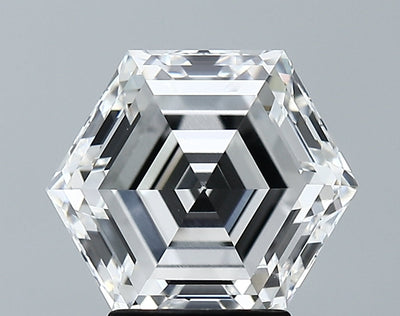
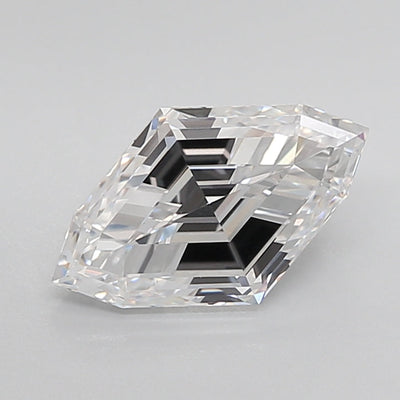
- Step cuts (emerald, Asscher, baguette): open facets show more; choose VVS or VS1.
- Small accent stones: clarity matters less because they are tiny.
- Rose cuts and antique cuts: rose cuts have a flat base and fewer facets, so inclusions can be easier to see. Aim for VVS.
| Shape or use | Recommended clarity | Why |
|---|---|---|
| Round, oval, pear, marquise | VS1 or better | Brilliant faceting hides small features |
| Cushion, radiant, princess | VS1 or better | Brilliant-style facets mask inclusions |
| Emerald, Asscher, baguette | VVS | Large open facets show the interior |
| Pavé and accent stones | VS or better | Stones are too small to show features |
Shopping for a step cut? Browse emerald cut moissanite, where higher clarity really pays off.
 Shown: Layered Open Circle Bezel Moissanite Double Necklace
Stone size
Larger stones give inclusions more room to be seen, and larger facets make them easier to spot.
- Under 1 carat DEW: VS2 or better looks clean in almost any shape.
- 1 to 2 carats DEW: VS1 or better for brilliant cuts; VVS for step cuts.
- Over 2 carats DEW: choose VVS, especially in emerald, Asscher and other step cuts where the table is large.
Diamond equivalent weight (DEW) describes moissanite by the carat weight a diamond of the same size would have. Since moissanite is a little lighter than diamond, comparing millimeter size is the most reliable way to judge how large a stone will look.
Clarity vs Other Factors
For moissanite, cut quality and color usually affect beauty more than clarity. A well-cut VS1 stone in a D to F color will look stunning. Spend on cut and color first, then clarity.
- Cut: controls how much light returns to the eye. A poorly cut VVS stone will look less lively than a well-cut VS stone.
- Color: in white gold, platinum or 925 silver, any warmth is visible at a glance, while VS inclusions are not. Choose D to F for white metals.
- Clarity: once a stone is eye-clean, higher grades do not add visible beauty. They add peace of mind and a cleaner look under magnification.
Moissanite's high refractive index (about 2.65, against about 2.42 for diamond) and strong fire also help hide small inclusions, because there is so much light movement in the stone.
Does Clarity Affect Durability?
In normal jewelry grades, no. Moissanite is 9.25 on the Mohs scale, harder than every common gem except diamond (10). VVS and VS inclusions are tiny and do not weaken the stone in daily wear.
The only time inclusions matter for durability is when a large feature reaches the surface, especially near the girdle or a pointed tip. These are uncommon in quality moissanite but worth checking in lower grades or in shapes with points, such as pear and marquise, where a V-prong protects the tip.
Toughness, a stone's resistance to chipping, is a separate property from hardness. Any gem, including diamond, can chip from a hard knock at a thin edge. Protective settings such as bezels, V-prongs on points and low profiles reduce this risk far more than a higher clarity grade would.
Cleanliness has a bigger day-to-day effect than clarity. Lotion and skin oil on the back of a stone can make even a flawless moissanite look dull. Warm water, mild soap and a soft brush restore its sparkle.
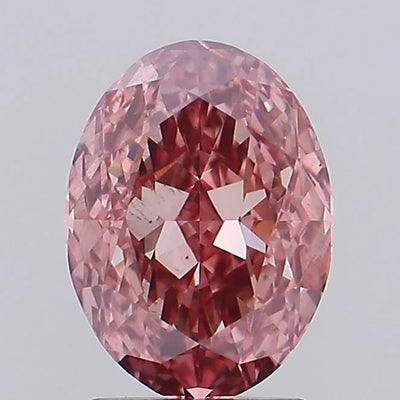
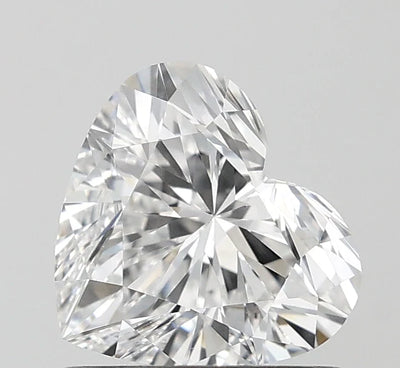
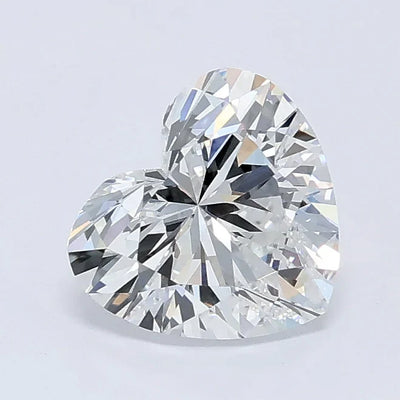
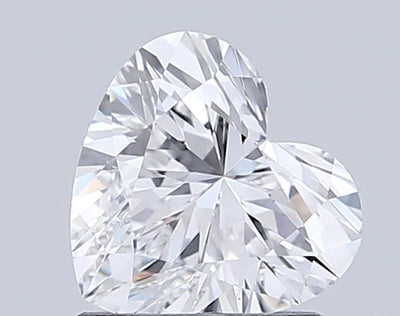
Shop the styles in this guide


Clarity by Jewelry Type
How close a stone sits to the eye and how it is set both change how much clarity matters.
Engagement rings
The center stone is examined closely and often, by you and by everyone who asks to see the ring. VS1 or better is a sensible minimum, and VVS is worth it for step cuts or centers over 2 carats DEW. Prongs can also hide small features near the girdle, while a bezel covers the edge entirely.
Wedding and eternity bands
Band stones are small, so clarity is rarely visible. What matters is consistency: a row of stones should look evenly bright, without one hazy stone breaking the line.
Earrings
Studs are seen from a distance, so VS is plenty for brilliant cuts. Make sure both stones are matched in clarity as well as size and color.
Pendants and tennis bracelets
Solitaire pendants face forward like a ring center, so treat them similarly. Tennis bracelets use many small stones where consistency matters more than the top grade.
Hip hop and statement pieces
Iced-out chains and pendants use hundreds of small stones. Here, clean, consistent VS or better stones keep the piece bright, but cut quality and setting work make the biggest visible difference.
Colored moissanite
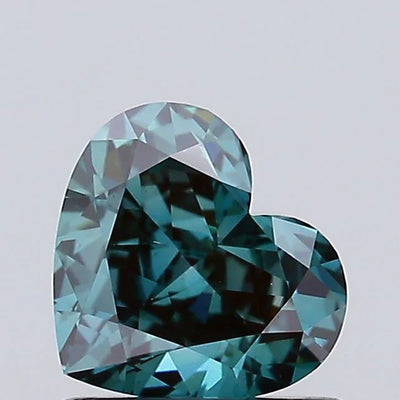
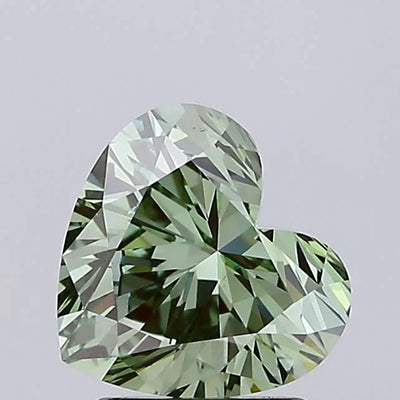
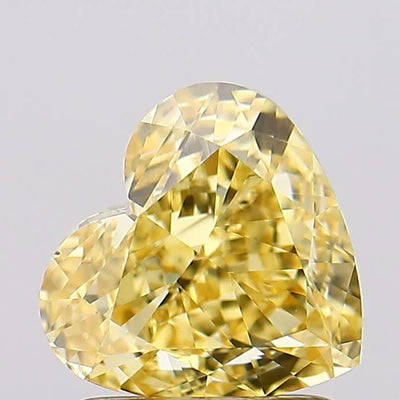
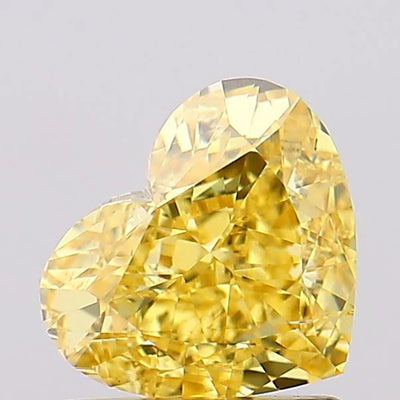
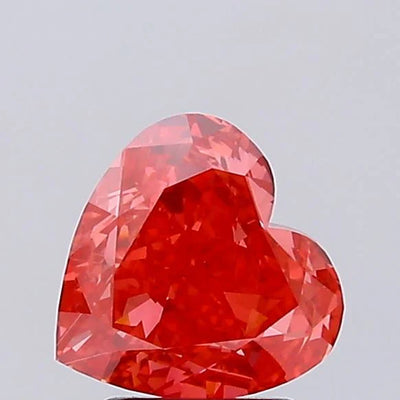
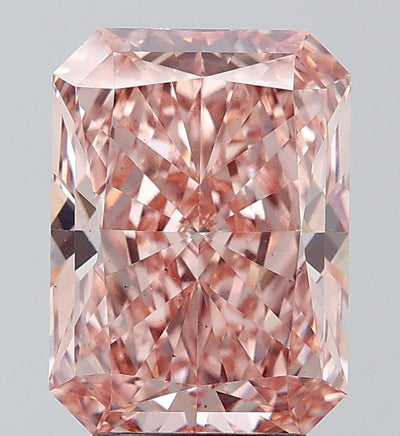
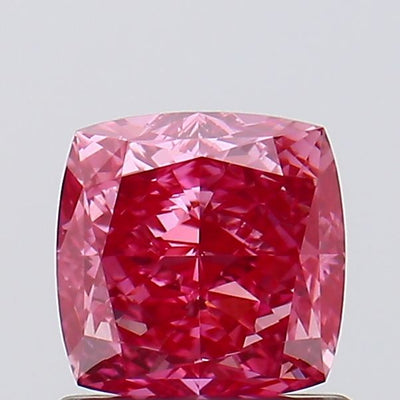
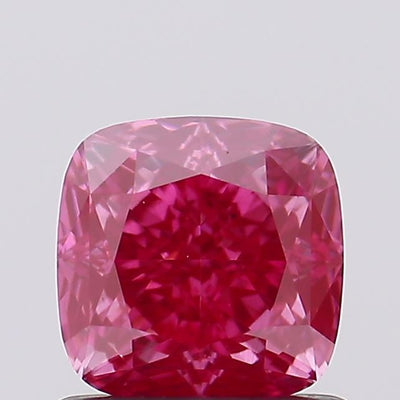
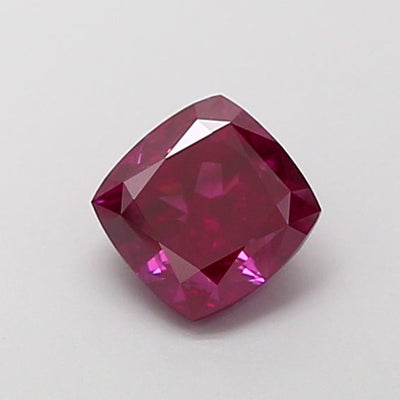
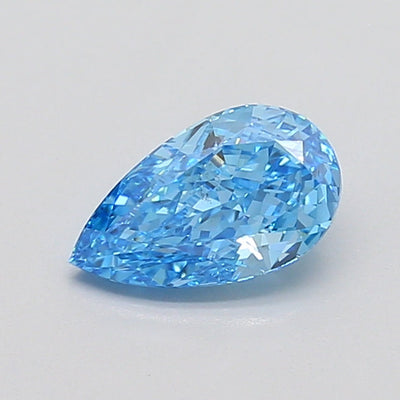
Fancy colored moissanite in pink, blue, yellow or green is graded for clarity on the same scale. Color can hide small inclusions, especially in deeper Fancy Intense and Fancy Vivid shades, so VS is generally fine for colored stones. For pale Fancy Light colors in step cuts, follow the same advice as for white stones and choose VVS.
Reading a Moissanite Certificate
Many moissanite stones come with a certificate or card from the producer's grading system. It usually lists:
- Shape and measurements: the cut and size in millimeters. Check these against the listing.
- Weight: either actual carat weight or diamond equivalent weight (DEW). Confirm which one is shown.
- Color grade: usually D to F for colorless stones.
- Clarity grade: usually VVS or VS.
- Report number: some certificates include a number that may also be inscribed on the stone's girdle.
A moissanite certificate is a useful record, but it is not the same as an independent IGI or GIA report for a lab grown diamond. Use it alongside photos, videos and your own inspection.
How to Check Clarity When Buying Online
- Ask for the stated grade: get the clarity grade in writing, and a certificate if available.
- Look at magnified photos or videos: especially for step cuts and stones over 2 carats DEW.
- Look for reflections, not just dots: moissanite's facets create many reflections that can look like inclusions in photos. A video that rotates the stone shows which features move with the light and which stay put.
- Check under daylight: once the stone arrives, view it face-up at arm's length in indirect daylight. If it looks clean, it is eye-clean.
- Use the return window: a fair return policy lets you inspect at home without pressure.
Tip: Ivevar offers virtual appointments, so you can ask to see a stone up close on camera before you choose, and every order includes 30-day easy returns.
Quick buying tips
- Do not overpay for FL: VVS looks identical to the eye.
- Match clarity to shape: VS for brilliants, VVS for step cuts.
- Prioritize cut and color: they make the biggest visible difference.
- Keep sets consistent: for earrings and bands, make sure all stones share a similar clarity range so they look uniform.
- Ask about custom work: if you want a specific grade in a specific setting, a custom piece lets you choose both.
Planning an engagement ring? See our moissanite engagement rings, made with high-clarity stones.
Moissanite at Ivevar
We use high-clarity moissanite, hand-set in our Surat workshop in 10K, 14K or 18K gold or 925 sterling silver. Every piece ships free worldwide, with 30-day easy returns. Browse moissanite necklaces and loose moissanite.
Shop Moissanite Layering Necklaces
 Open Circle Bezel DoubleShop Now
 Circle Drop Double NecklaceShop Now
 Open Triangle Station NecklaceShop Now
 Circle Bar Double NecklaceShop Now
 Layered Pear Double NecklaceShop Now
 Ribbon Bow Pear NecklaceShop Now
Swipe to see more → | View all moissanite necklaces
Frequently Asked Questions
What clarity is best for moissanite?
VS1 or better for most jewelry; VVS for step cuts and stones over 2 carats DEW.
Is VVS moissanite worth it?
It is a nice upgrade, especially for emerald and Asscher cuts, and the price difference in moissanite is usually modest.
Can I see inclusions in moissanite?
Not in VVS and VS stones without magnification.
Do inclusions affect durability?
Not in normal jewelry wear. Moissanite's hardness of 9.25 makes it very durable at any common grade.
Is clarity more important than color?
For moissanite, cut and color usually matter more, because color is visible at a glance while VS inclusions are not.
Why does my moissanite look doubled under a loupe?
Moissanite is doubly refractive, so back facet edges can look doubled at an angle. It is a normal optical property, not a flaw.
Is FL moissanite better than VVS?
Only under magnification. To the naked eye, FL and VVS look the same.
Does the setting hide inclusions?
Sometimes. Prongs and bezels cover the edge of the stone, so a small feature near the girdle may be hidden once set. A jeweler can often position the stone so a prong sits over a minor inclusion near the edge. Halos add surrounding sparkle that draws the eye away from the center's interior. Neither replaces choosing an eye-clean stone, but both help.
Should earrings and bands use the same clarity as my ring?
They do not need to. Small stones and stones seen at a distance hide inclusions well, so VS is plenty. What matters most is that stones within one piece match each other.
Can moissanite clarity change over time?
No. Inclusions are fixed inside the stone. A stone can look dull if dirty, but cleaning restores it.
The Bottom Line
Choose VS1 or better for eye-clean moissanite, and upgrade to VVS for step cuts and large stones. Prioritize cut and color for the most beautiful stone, and do not pay extra for flawless grades you cannot see.
Related Guides

Author Bio
Aumsri Pradhan
Founder, Ivevar Luxury
Aumsri Pradhan is the founder of Ivevar Luxury, a Surat-based fine jewelry brand that designs and handcrafts lab grown diamond and moissanite jewelry in its own workshop. She leads the brand's design and customer experience, from engagement rings and bridal sets to custom pieces made to each client's story. Through the Ivevar blog, she shares practical guidance on lab grown diamonds, moissanite, diamond grading and ring design to help buyers choose with confidence.


