Engagement Rings
 Anniversary Rings
 Solitaire Rings
 Halo Rings
 Toi Moi Rings
 Three Stone Rings
 Nature Inspired Rings
 Rose Cut Rings
 Fancy Color Rings
 Antique Cut Rings
 Wedding Rings
 Wedding Band Rings
 Exclusive Lab Grown Diamond Rings
 All Lab Grown Diamond Ring
 Engagement Rings
 Three Stone Rings
 Fancy Color Rings
 Antique Cut Rings
 Daily Wear Rings
 Wedding Band Rings
 Exclusive Moissanite Rings
 Earrings
 Bracelet
 Pendant
 Necklace
 Men's Ring
 Bridal Sets
 Rings
Rings
 Earrings
 Tennis chain
 Cuban Chains
 Custom Pendant
 Custom Ring
 Custom Teeth Grillz
 Round
Round
 Oval
Oval
 Cushion
 Marquise
 Pear
Pear
 Emerald
 Heart
Heart
 Princess
 Rose Cut
 Radiant
 Antique Cut
 Brooch
 Cufflink
 Keychain
 Unique Products
 +91 9265051773
 Virtual Appointment
 log in



VS1 vs VS2 Lab Grown Diamonds: Can You See the Difference?
by Aumsri Pradhan on Sep 28, 2026
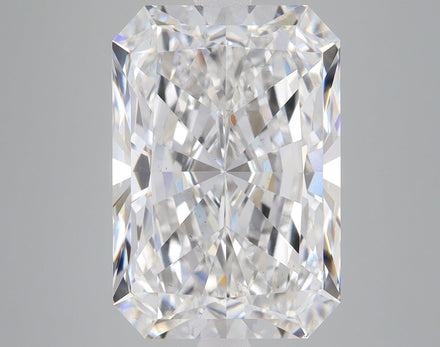
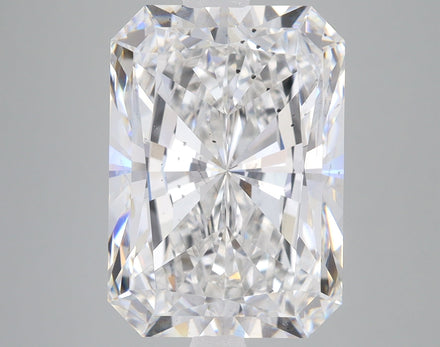
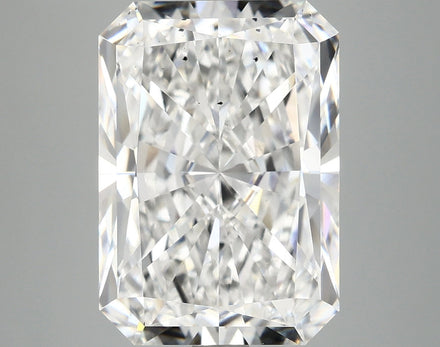
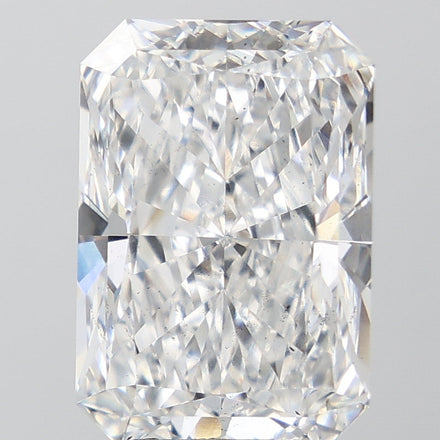
Quick answer: In most cases, you cannot see the difference between a VS1 and a VS2 lab grown diamond with the naked eye. Both are "very slightly included," meaning their inclusions are small and usually visible only under 10x magnification. VS1 inclusions are a little harder to find than VS2. For most brilliant-cut stones, VS2 is the best value; choose VS1 for step cuts like emerald or for larger stones.
Clarity is one of the easiest places to save money without changing how your diamond looks. Here is how to decide between the two most popular clarity grades.
What Do VS1 and VS2 Mean?
Clarity grades describe the size, number, position and visibility of tiny internal features called inclusions. The scale runs from Flawless (FL) down to Included (I3).
| Grade | Meaning | Eye-clean? |
|---|---|---|
| FL, IF | Flawless, internally flawless | Yes |
| VVS1, VVS2 | Very very slightly included | Yes |
| VS1 | Very slightly included, harder to find | Almost always |
| VS2 | Very slightly included, easier to find | Usually |
| SI1, SI2 | Slightly included | Sometimes; check each stone |
VS1 vs VS2: The Real Differences
Visibility under magnification
A grader using a 10x loupe will find VS2 inclusions a little more easily than VS1 inclusions. Without magnification, both usually look clean.
Location of the inclusion
This matters more than the grade itself. A small inclusion near the edge, hidden under a prong, is harmless. The same inclusion right under the center table is easier to notice. Always look at the diamond's photos, video or clarity plot.
Price
VS1 costs a bit more than VS2. With lab grown diamonds, the gap is smaller in dollars than with mined diamonds, so many buyers choose based on shape and size.
Which Clarity Should You Choose?
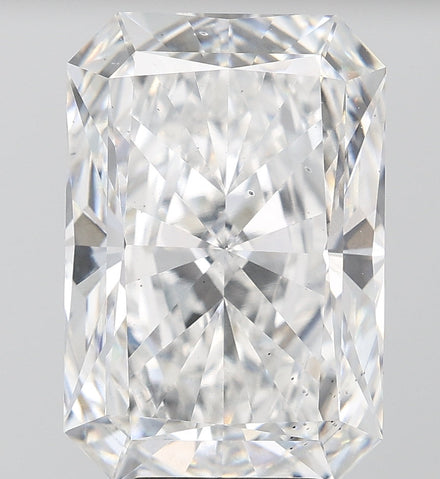
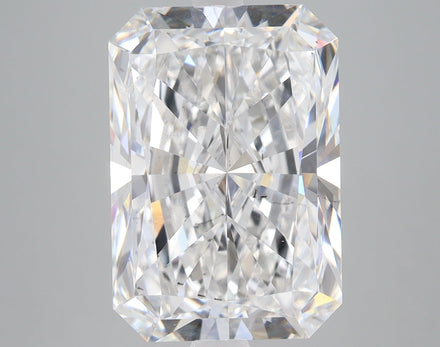
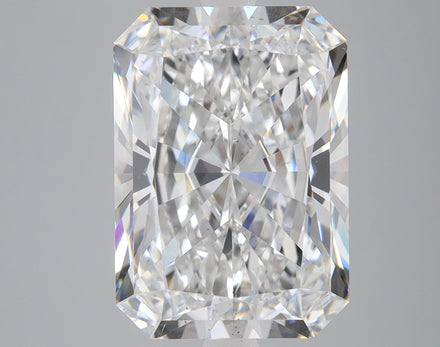
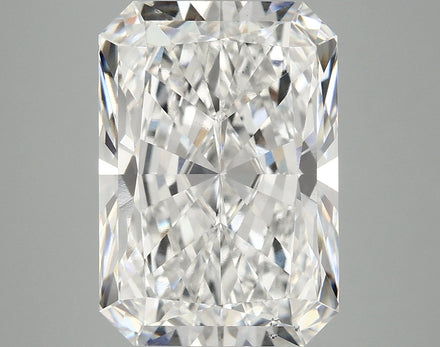
- Round, oval, pear, cushion, radiant: VS2 is usually perfect. Brilliant facets hide small inclusions well.
- Emerald and Asscher: choose VS1 or better. Step cuts have large open facets that act like windows.
- Above about 2 carats: VS1 gives extra confidence, since larger facets make inclusions easier to spot.
- Studs and pendants: VS2 or even SI1 can look perfect, because they are viewed from further away.
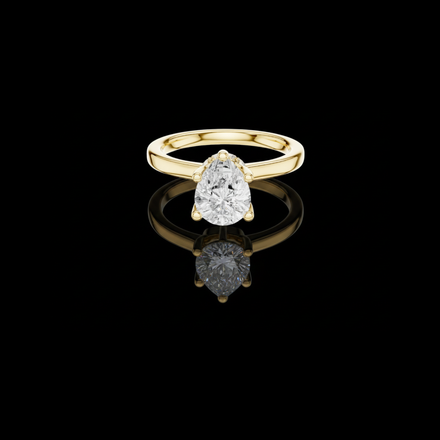
 Shown: Solitaire Pear Cut Lab Diamond Engagement Ring
Do Lab Grown Diamonds Have Different Inclusions?
They can. CVD diamonds may show fine dark specks or graining, while HPHT diamonds can contain tiny metallic flux inclusions. These are graded the same way as inclusions in mined diamonds, so a VS2 is a VS2 regardless of origin. Learn more in our guide to buying a lab grown diamond.
How to Check If a Diamond Is Eye-Clean
- View the stone at 100% zoom in a high-quality photo or video.
- Look for dark inclusions near the center of the table.
- Ask the seller to confirm eye-cleanliness at normal viewing distance.
- Check the clarity plot on the IGI report to see where inclusions are.
Clarity Checks at Ivevar
We handcraft every ring in our own Surat workshop and ship worldwide with free shipping and 30-day easy returns. We share photos or a video of your finished piece before it ships, so you can see the stone yourself. Explore our lab grown diamond engagement rings and solitaire rings.
Shop Lab Grown Diamond Engagement Rings
 Solitaire Pear Cut Engagement RingShop Now
 Oval Cut Solitaire Engagement RingShop Now
 Oval Solitaire Pave Engagement RingShop Now
 Round Halo Ring with Pave BandShop Now
 Halo Emerald Three Stone RingShop Now
 Radiant Cut Halo Engagement RingShop Now
Swipe to see more → | View all engagement rings
Frequently Asked Questions
Is VS2 clarity good for an engagement ring?
Yes. VS2 is one of the most popular clarity grades because it is usually eye-clean and good value.
Is VS1 worth the extra money?
It is worth it for emerald and Asscher cuts, very large stones, or if you want extra peace of mind.
Is VVS better than VS?
VVS stones are cleaner under magnification, but they usually look the same as VS stones to the naked eye.
Can clarity get worse over time?
No. Inclusions do not grow or change. Only a chip or crack from a hard knock could change a diamond's appearance.
The Bottom Line
VS1 and VS2 both give you a clean-looking lab grown diamond. Choose VS2 for brilliant cuts and everyday value, and VS1 for step cuts or larger stones. Always check where inclusions sit, not only the grade.
Related Guides
- How to buy a lab grown diamond: a simple buying guide
- Engagement ring settings explained
- How much should you spend on an engagement ring?
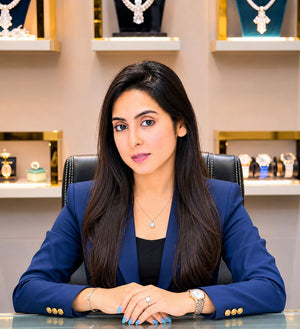
Author Bio
Aumsri Pradhan
Founder, Ivevar Luxury
Aumsri Pradhan is the founder of Ivevar Luxury, a Surat-based fine jewelry brand that designs and handcrafts lab grown diamond and moissanite jewelry in its own workshop. She leads the brand's design and customer experience, from engagement rings and bridal sets to custom pieces made to each client's story. Through the Ivevar blog, she shares practical guidance on lab grown diamonds, moissanite, diamond grading and ring design to help buyers choose with confidence.