

 Engagement Rings
 Anniversary Rings
 Solitaire Rings
 Halo Rings
 Toi Moi Rings
 Three Stone Rings
 Nature Inspired Rings
 Rose Cut Rings
 Fancy Color Rings
 Antique Cut Rings
 Wedding Rings
 Wedding Band Rings
 Exclusive Lab Grown Diamond Rings
 All Lab Grown Diamond Ring
 Engagement Rings
 Three Stone Rings
 Fancy Color Rings
 Antique Cut Rings
 Daily Wear Rings
 Wedding Band Rings
 Exclusive Moissanite Rings
 Earrings
 Bracelet
 Pendant
 Necklace
 Men's Ring
 Bridal Sets
 Rings
 Earrings
 Tennis chain
 Cuban Chains
 Custom Pendant
 Custom Ring
 Custom Teeth Grillz
 Round
 Oval
 Cushion
 Marquise
 Pear
 Emerald
 Heart
 Princess
 Rose Cut
 Radiant
 Antique Cut
 Brooch
 Cufflink
 Keychain
 Unique Products
 +91-9265051773
 Virtual Appointment
 log in




Diamond Clarity Guide: VS vs VVS vs SI — What's Eye-Clean?
by Aumsri Pradhan on Sep 29, 2026

Short answer: VVS diamonds have marks so tiny they are very hard to see even at 10x magnification. VS diamonds have minor marks visible at 10x but almost always invisible to the eye. SI diamonds have marks visible at 10x that are sometimes visible to the eye. For most buyers, VS2 or a carefully checked SI1 gives an eye-clean diamond at the best value.
Clarity describes the tiny natural features inside a diamond and on its surface. Almost every diamond has some, whether it was mined or grown in a lab. The real question is not whether a stone has inclusions, but whether you can see them when the ring is on your hand. This guide explains the clarity scale, what eye-clean really means, how shape and size change the picture, and how to check a stone before you buy.
The Clarity Scale
Clarity is graded by trained graders using 10x magnification. They look at the size, number, position, type and visibility of each feature, then assign one of eleven grades. Here is the full scale with what it means for real-world wear.
| Grade | Meaning | Eye-clean? |
|---|---|---|
| FL, IF | Flawless / Internally Flawless | Yes |
| VVS1, VVS2 | Very, very slightly included | Yes |
| VS1, VS2 | Very slightly included | Almost always |
| SI1, SI2 | Slightly included | Often SI1; check SI2 carefully |
| I1, I2, I3 | Included | Usually not |
The Grades in Plain English
- FL and IF: no inclusions visible at 10x. Flawless stones also have no surface blemishes. These are rare and priced accordingly.
- VVS1 and VVS2: features so small that even a trained grader has difficulty finding them at 10x. In VVS1 they are usually only visible from the back of the stone.
- VS1 and VS2: minor features that a grader can see at 10x with some effort. To the naked eye, almost all VS stones look clean.
- SI1 and SI2: features that are noticeable at 10x. Many SI1 stones are eye-clean, while SI2 stones vary and need a closer look.
- I1 to I3: inclusions that are obvious at 10x and often visible to the eye. Large ones can affect brightness or durability.
What "Eye-Clean" Means
An eye-clean diamond shows no visible marks when viewed face-up at normal distance without magnification. This is what matters in real life. Paying extra for VVS or Flawless buys rarity, not visible beauty.
There is no official eye-clean grade, so the term depends on who is looking. A useful standard is to view the stone face up, at a distance of about 25 to 30 centimeters, in normal light, with normal eyesight. If you cannot find an inclusion that way, the stone is eye-clean for everyday purposes.
Keep in mind that a magnified photo makes every stone look worse than it does in person. A 1 carat diamond is only about 6.5 mm across, and a photo on a phone or laptop screen can enlarge it many times. Use photos and videos to locate inclusions, then judge them at real size.
Eye-Clean Is Personal
Eyesight, lighting and habits all change what counts as eye-clean. Someone who often studies their ring up close in bright sunlight will notice more than someone who sees it at arm's length. If you are detail-minded, give yourself a margin by choosing a grade one step higher than the minimum. If you mainly care about how the ring looks across a table, an SI1 that is clean face up may be all you need.
Also think about who else will see the stone. Friends and family see it from a normal distance, never under a loupe. A clean-looking stone with good sparkle is what they will remember.
VS vs VVS vs SI: Which Should You Choose?
Most buyers end up choosing between these three groups. Each one suits a different priority.
| Grade group | Best for | Watch out for |
|---|---|---|
| VVS1–VVS2 | Buyers who want near-perfect purity, large step cuts | Paying for a difference you cannot see |
| VS1–VS2 | Most engagement rings; eye-clean with peace of mind | Rare visible inclusions in very large stones |
| SI1 | Value buyers choosing brilliant cuts | Dark inclusions under the table |
| SI2 | Small stones, earrings, budget pieces | Visible marks; check every stone |
If you want a simple rule, VS2 is a safe target for a center stone up to about 2 carats in a brilliant cut. Go up to VS1 for step cuts and larger stones. Consider SI1 when budget matters and you can view the actual stone.
Shape Changes What You See
- Brilliant cuts (round, oval, cushion, pear, radiant, princess) hide inclusions well because of their sparkle. VS2 or SI1 is often enough.
- Step cuts (emerald, Asscher) have open, mirror-like facets that show inclusions more easily. Choose VS1 or better.
- Antique cuts (old mine, old European) have large facets and often a visible culet, so they sit between the two. VS2 or better is a sensible target.
Step cuts work like a clear window into the diamond. Their long, parallel facets create a calm hall-of-mirrors effect, but that clarity of view means a small crystal or feather can be easy to spot. Browse our lab diamond emerald cuts with this in mind, and favor higher clarity grades.
Where the Inclusion Sits Matters
A small dark mark under the table (the top center) is more visible than a light one near the edge, where prongs can hide it. Always look at the clarity plot on the report and at real photos or video of the stone.
The clarity plot is a diagram on the grading report that shows where each inclusion sits, usually in red for internal features and green for surface ones. Use it as a map:
- Under the table: the most visible position. Even a small dark crystal here can be noticed.
- Under the crown facets: sparkle helps hide features here, especially in brilliant cuts.
- Near the girdle: often hidden by prongs or the setting, and the least visible spot.
- Reflected inclusions: in brilliant cuts, one inclusion can be mirrored several times by the facets, which can make it more noticeable.
Tip: If a stone you like has an inclusion near the edge, ask whether the setting can place a prong over it. A thoughtful setting can make an SI1 stone look as clean as a VS.
Common Types of Inclusions
- Pinpoints: tiny dots, often invisible without magnification. Even a small cluster rarely affects beauty.
- Crystals: small minerals trapped inside. Light ones are harmless; dark ones are easier to see.
- Feathers: small internal cracks. Most are harmless, but a large feather that reaches the surface or sits near the girdle can be a weak spot.
- Clouds: groups of pinpoints that can make a stone look slightly hazy if they are large.
- Needles: long, thin crystals that look like tiny threads, usually only visible under magnification.
- Twinning wisps: faint streaks that form where crystal growth changed direction, usually hard to see.
- Blemishes: marks on the surface, such as tiny nicks or polish lines, which usually matter less than internal features.
Color and contrast matter as much as size. A white or transparent inclusion blends into the sparkle, while a black one stands out. Two SI1 stones can look very different for this reason.
Clarity and Durability
Diamond is the hardest natural material, at 10 on the Mohs scale, but hardness is resistance to scratching, not to impact. Most inclusions have no effect on durability. The exceptions are worth knowing.
- Large surface-reaching feathers: a sharp knock on the right spot could extend the crack.
- Inclusions near points or corners: pear tips, marquise points and princess corners are already exposed, so a feather there deserves protective prongs.
- Heavily included stones: I2 and I3 stones with many feathers are best kept for occasional wear.
For eye-clean grades from SI1 upward, durability is rarely a concern. A secure setting with sound prongs matters far more.
Shop the styles in this guide


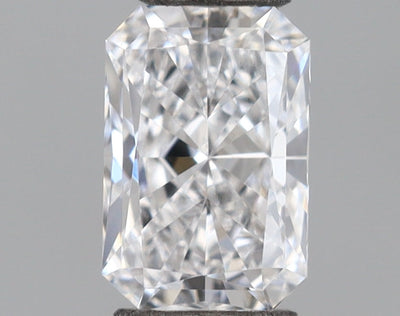

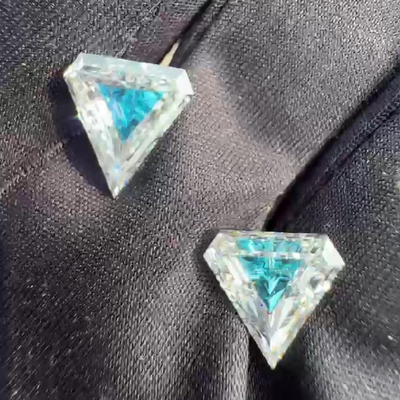
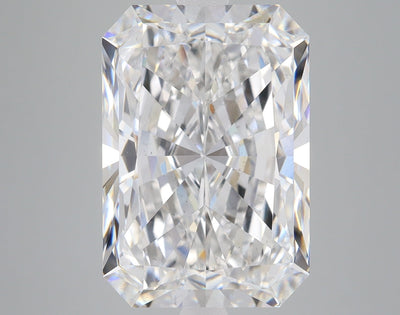


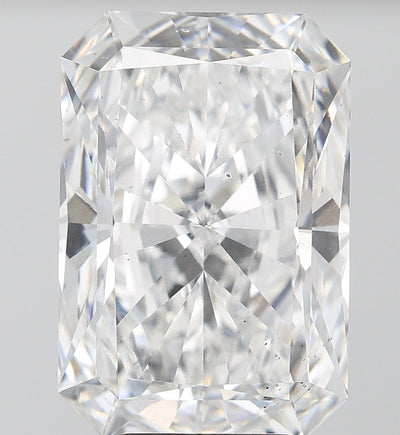

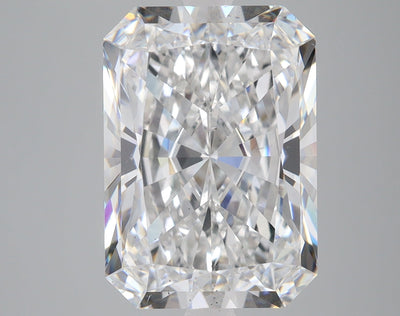


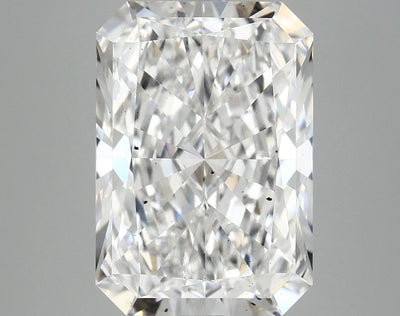
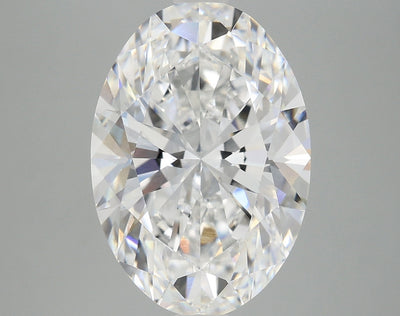
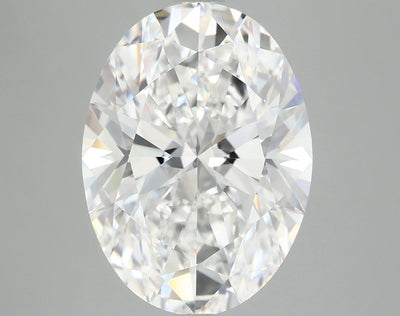
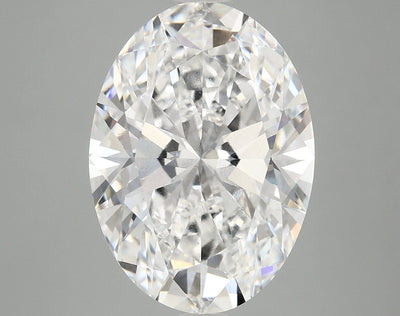
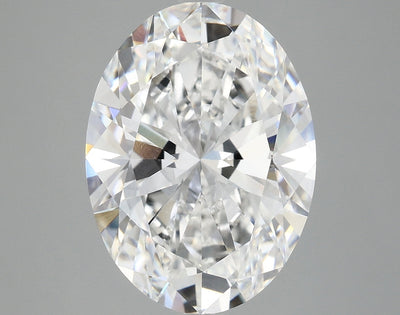
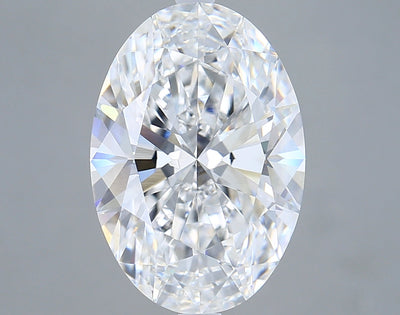
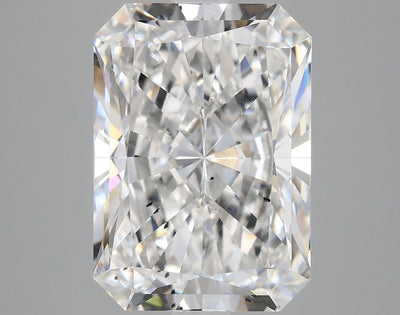
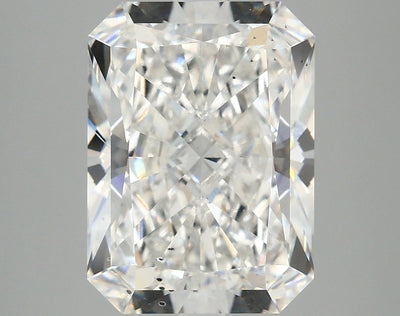
Clarity in Lab Grown Diamonds
Lab grown diamonds are real diamonds, chemically, physically and optically the same as mined ones, so they are graded on exactly the same clarity scale by labs such as IGI and GIA. Their inclusions can look a little different, though. Stones grown by CVD may show small dark pinpoints or graphite specks, while HPHT diamonds can contain tiny metallic traces from the growth process.
The same rule applies to both: what matters is whether you can see the inclusion, not just the letters on the report. Because lab diamonds cost less, many buyers can afford a higher clarity, but the best value is still an eye-clean stone rather than the highest grade. Explore our lab grown diamonds to compare clarity grades across shapes.
Clarity Treatments
Some diamonds are treated to improve how clean they look. The two best-known treatments are laser drilling, where a tiny channel is drilled to reach and lighten a dark inclusion, and fracture filling, where a glass-like material is used to make feathers less visible. Both are more common in lower-clarity mined stones. Any treatment should be disclosed by the seller and noted on the grading report. Fracture-filled stones need gentler care, because heat and some cleaning methods can damage the filling. If a stone is described as untreated on its certificate, you do not need to worry about this.
Clarity vs the Other Cs
Of the four Cs, clarity is often the least visible once a stone is eye-clean. Cut has a much bigger effect on sparkle, and color is easier to notice in larger stones and white metal. Size also changes things: an inclusion that is invisible in a small stone can become easier to see in a large one, so allow for a slightly higher clarity grade as carat weight goes up.
| Stone size | Brilliant cut target | Step cut target |
|---|---|---|
| Under 1 ct | SI1–VS2 | VS2 |
| 1–2 ct | VS2 (SI1 if checked) | VS1 |
| Over 2 ct | VS1–VS2 | VS1–VVS2 |
In a fixed budget, put cut first, then choose the lowest clarity that is eye-clean for your shape and size. That usually gives a brighter, better-looking diamond than chasing VVS at the expense of cut.
Clarity for Earrings, Pendants and Bands
Clarity matters less when stones are small or seen from further away. Stud earrings sit at the side of the face and are rarely inspected up close, so SI1 or even SI2 brilliant stones can look perfectly clean. Pendants hang at a similar distance. In pavé and eternity bands, the stones are so small that clarity is usually given as a range, and tiny inclusions are effectively invisible. Save your clarity budget for the center stone of an engagement ring, where people look closely and often.
How to Check Clarity Before You Buy
- Read the certificate: confirm the clarity grade and look at the plot on the IGI or GIA report.
- Find the inclusions: use the plot to locate each feature in the photos.
- Watch a video: a rotating video shows how visible an inclusion is as the stone moves and sparkles.
- Judge at real size: shrink the image or step back from the screen to see the stone at close to real scale.
- Ask about the setting: check whether prongs will cover any edge inclusions.
- Book a viewing: a live video call lets you see the stone move in real light.
What Clarity Does to the Price
Each step up the clarity scale costs more, and the jump from VS to VVS or Flawless can be large without any visible difference. The finished ring's price also depends on carat weight, color, cut, setting and metal. Ivevar pieces are made to order in 925 sterling silver or 10K to 18K gold. Browse our lab diamond engagement rings or solitaire rings to compare stones.
The smartest way to save is to stop at the grade where the stone becomes eye-clean for your shape and size. For a brilliant cut, that is often VS2 or SI1. The money saved can go toward better cut, a larger stone or a finer setting, all of which you will notice every day. If you want a higher grade for peace of mind, lab grown diamonds make that step far more affordable than it is with mined stones.
Keep It Clean
A dirty diamond can look more included than it is. Lotion and skin oils on the back of the stone block light and make it look dull. Clean it regularly with warm soapy water and a soft brush, as described in our jewelry care guide.
A simple weekly routine keeps any diamond looking as clean as its grade:
- Soak: leave the piece in warm water with a few drops of mild dish soap for 15 to 20 minutes.
- Brush: use a soft toothbrush on the back of the stone, where oil and lotion collect.
- Rinse and dry: rinse in clean water with the sink plugged, then dry with a lint-free cloth.
- Take it off: remove rings before applying creams, cleaning with harsh chemicals or going to the gym.
IGI Certified Lab Diamonds at Ivevar
At Ivevar we craft jewelry with lab grown diamonds, many with IGI certificates that show the full clarity plot, as well as moissanite. We offer custom designs, virtual appointments to see stones on video, free shipping worldwide and 30-day easy returns.


FAQ
Is VS or VVS better value?
VS usually gives better value, since both look eye-clean. The extra cost of VVS buys rarity rather than a difference you can see.
Is SI1 clarity good?
Often yes, in brilliant cuts, if the inclusion is light and away from the center. Check photos.
What clarity for an emerald cut?
VS1 or better, because step cuts show inclusions more.
Do lab grown diamonds have inclusions?
Yes. They are real diamonds, so they can have inclusions and are graded on the same clarity scale as mined diamonds.
What is the difference between VS1 and VS2?
Both are very slightly included. In VS1 the features are a little smaller or harder to find at 10x than in VS2. To the naked eye, the two usually look identical.
Can inclusions get worse over time?
Normally, no. Inclusions are stable. Only a large feather that reaches the surface could grow after a hard knock, which is why such stones benefit from protective settings.
Does clarity affect sparkle?
In eye-clean grades, hardly at all. Large clouds or many inclusions can reduce brightness in lower grades, but cut quality has a much bigger effect on sparkle.
Is an I1 diamond worth buying?
Usually only for small stones or fashion pieces. I1 inclusions are often visible to the eye and can reduce brightness, so for a center stone an SI1 or SI2 that has been checked by video is a better choice.
Do I need a loupe to buy a diamond?
No. A loupe helps you find inclusions, but your decision should be based on how the stone looks at normal distance. The grading report and a good video tell you what you need to know.
Is clarity important for moissanite?
Moissanite also has a clarity grade, and most moissanite sold for jewelry is eye-clean. Its strong fire and brilliance, from a refractive index of about 2.65, also help mask small features.
Aumsri Pradhan is the founder of Ivevar Luxury, a Surat-based fine jewelry brand that designs and handcrafts lab grown diamond and moissanite jewelry in its own workshop.


