

 Engagement Rings
 Anniversary Rings
 Solitaire Rings
 Halo Rings
 Toi Moi Rings
 Three Stone Rings
 Nature Inspired Rings
 Rose Cut Rings
 Fancy Color Rings
 Antique Cut Rings
 Wedding Rings
 Wedding Band Rings
 Exclusive Lab Grown Diamond Rings
 All Lab Grown Diamond Ring
 Engagement Rings
 Three Stone Rings
 Fancy Color Rings
 Antique Cut Rings
 Daily Wear Rings
 Wedding Band Rings
 Exclusive Moissanite Rings
 Earrings
 Bracelet
 Pendant
 Necklace
 Men's Ring
 Bridal Sets
 Rings
 Earrings
 Tennis chain
 Cuban Chains
 Custom Pendant
 Custom Ring
 Custom Teeth Grillz
 Round
 Oval
 Cushion
 Marquise
 Pear
 Emerald
 Heart
 Princess
 Rose Cut
 Radiant
 Antique Cut
 Brooch
 Cufflink
 Keychain
 Unique Products
 +91-9265051773
 Virtual Appointment
 log in





Short answer: Yes, 14K gold is real, solid gold. It contains 58.3% pure gold mixed with other metals such as silver, copper and zinc for strength. It is the most popular karat for fine jewelry in the US because it balances durability, color and price.
"Is it real gold?" is one of the most common questions people ask when they see "14K" on a ring or chain. The confusion is understandable. If 24K is pure gold, a piece that is a little over half gold can sound like a compromise, or even a shortcut.
It is neither. 14K gold is a solid gold alloy all the way through, made deliberately harder than pure gold so it can survive everyday wear. This guide explains what karats mean, how 14K compares with 10K and 18K, how to tell solid gold from plated or filled jewelry, which colors and karats suit which pieces, and how to look after your gold so it lasts for decades.
Karat Guide
Karat (K or Kt) measures how much of a piece is pure gold, out of 24 parts. The number stamped on the piece, such as 585 or 750, shows the same thing in parts per thousand.
| Karat | Pure gold | Stamp | Best for |
|---|---|---|---|
| 24K | 99.9% | 24K / 999 | Bullion; too soft for most jewelry |
| 22K | 91.6% | 22K / 916 | Traditional gold jewelry; soft for stone settings |
| 18K | 75% | 18K / 750 | Rich color, gentler on skin |
| 14K | 58.3% | 14K / 585 | Everyday rings and bracelets |
| 10K | 41.7% | 10K / 417 | Budget pieces; the US legal minimum to be called gold |
Every one of these is real gold. The karat tells you the proportion of gold in the alloy, not whether the metal is genuine.
What "Karat" Actually Means
Gold purity is divided into 24 parts. 24K means all 24 parts are gold. 14K means 14 parts out of 24 are gold, which works out to 58.3%. The other 10 parts are alloy metals mixed evenly through the gold.
That last point is what separates solid gold from plated jewelry. In a 14K ring, every part of the metal, from the surface to the inside of the band, is the same 14K alloy. If you scratched or polished it, you would still find 14K gold underneath.
Do not confuse karat with carat. Karat (with a K) measures gold purity. Carat (with a C) measures the weight of a gemstone, such as a diamond. A "14K ring with a 1 carat diamond" uses both terms in one sentence.
Why 14K Gold Is Not Pure Gold
Pure 24K gold is beautiful but very soft. It bends, dents and scratches easily, and it is not strong enough to hold a diamond securely in thin prongs. Jewelers mix gold with other metals to fix that:
- Strength: alloy metals make the gold harder, so prongs hold stones securely and bands keep their shape.
- Durability: harder gold resists scratches and dents from everyday knocks.
- Color: the choice of alloy metals creates yellow, white or rose gold.
- Value: less pure gold means a lower price for the same design.
So 14K is not a cheaper imitation of gold. It is gold engineered for jewelry you actually wear. That is why it is such a common choice for engagement rings, wedding bands and chains.
Solid Gold vs Plated
The real question to ask is not "Is 14K real?" but "Is this piece solid gold, or a thin gold layer over something else?"
- Solid 14K gold: gold alloy all the way through. Lasts a lifetime and can be polished and resized.
- Gold-plated: a thin gold layer over another metal. Wears off over time.
- Gold-filled: a thicker gold layer bonded to a base metal. Lasts longer than plating, but is not solid gold.
- Vermeil: gold plating over sterling silver.
| Type | Gold content | Lifespan | Can be resized or repaired |
|---|---|---|---|
| Solid 14K gold | Gold alloy throughout | Decades with care | Yes |
| Gold-filled | Thick outer layer only | Years, with gradual wear | Limited |
| Vermeil | Plating over silver | Plating wears with use | Limited |
| Gold-plated | Very thin outer layer | Can wear quickly | Rarely worth it |
Plated and filled pieces have their place for fashion jewelry, but for an engagement ring, wedding band or anything you plan to keep for years, solid gold is the better choice.
How to Check Your Gold
Look for a stamp inside the band or near the clasp: "14K", "14KT" or "585". Stamps like "GP" (gold plated), "GF" (gold filled) or "HGE" (heavy gold electroplate) mean it is not solid gold.
| Stamp | What it means |
|---|---|
| 14K, 14KT, 585 | Solid 14K gold |
| 18K, 18KT, 750 | Solid 18K gold |
| 10K, 10KT, 417 | Solid 10K gold |
| GP, GEP, HGE | Gold plated, not solid gold |
| GF, 14/20 | Gold filled, not solid gold |
| 925 | Sterling silver (with gold plating if it looks gold) |
In India, hallmarked gold carries the BIS mark, a purity mark such as 14K585 or 18K750, and a unique HUID code. A stamp is a good first check, but stamps can be faked. A jeweler can confirm with an acid or electronic test, or an XRF scan, which reads the metal without damaging it. Buying from a trusted seller with a clear description and invoice is the simplest protection.
Tip: Use a magnifying glass or your phone camera's zoom to read tiny stamps. Look inside ring bands, on the tongue or clasp of chains and bracelets, and on the post or back of earrings.
10K vs 14K vs 18K: Which Should You Choose?
Pure gold is soft, so jewelers mix it with other metals to make it tougher. The more alloy in the mix, the harder the metal, and the lighter its yellow color. Here is how the three common karats compare in daily life:
- 10K: the hardest and most scratch resistant of the three, with a paler yellow tone. A good fit for budget pieces and for people who are tough on their jewelry.
- 14K: a balance of strength and rich color. It suits rings, chains and bracelets that you wear every day.
- 18K: deeper, warmer color and a more luxurious feel. It is a little softer, so it can show scratches sooner on a ring you wear daily.
For an engagement ring or wedding band you plan to wear every day, 14K is the safe middle choice. Browse our lab grown diamond wedding bands to see the difference in color between karats.
Matching karat to the piece
- Engagement rings and wedding bands: 14K for daily durability, or 18K if you prefer richer color and do not mind a little more polishing.
- Chains and bracelets: 14K holds its shape well against the constant movement of links and clasps.
- Earrings and pendants: these take less wear, so 18K is a lovely choice if you want deeper color.
- Men's rings and hip hop pieces: 10K or 14K stand up well to heavier wear.
Gold weight matters too
Karat is only half of the story. The amount of gold in a piece also depends on its weight. A wide, heavy 14K band can contain more pure gold than a thin, delicate 18K band. When you compare two pieces, look at both the karat and the metal weight in grams if the listing shows it. A heavier build also feels more substantial on the hand and wears down more slowly over the years.
Yellow, White and Rose Gold
All three colors can be made in any karat. The color comes from the metals mixed with the gold:
- Yellow gold: gold mixed with silver and copper, keeping its classic warm tone.
- White gold: gold mixed with white metals such as palladium or nickel. It is often finished with a thin rhodium layer for a bright white shine, which can wear over time and be renewed by a jeweler.
- Rose gold: gold mixed with more copper, giving a pink tone. The copper also makes it fairly strong.
Color also affects how your stones look. A white gold setting keeps a colorless diamond or moissanite looking icy. Yellow and rose gold add warmth around the stone and can hide a slight tint in near-colorless grades.
White gold and rhodium, explained
Gold is naturally yellow, so even 14K white gold has a faint warm tint under its finish. Rhodium, a bright white metal from the platinum family, is plated over the surface to give white gold its crisp, mirror-like look. The gold underneath is still solid 14K. With daily wear the rhodium slowly thins, most quickly on the palm side of a ring, and the warm tone begins to show. This is normal, not a defect. A jeweler can clean, polish and re-plate the piece to bring the bright white finish back.
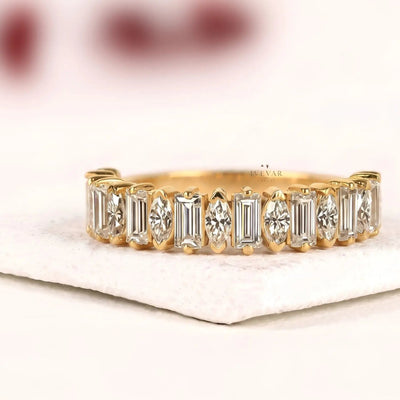
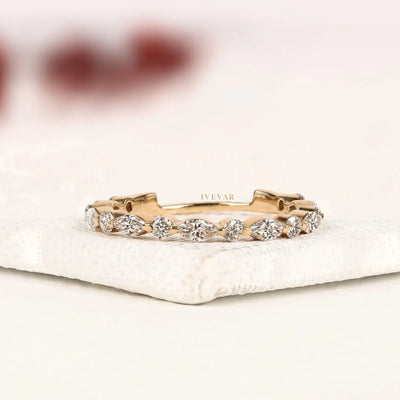
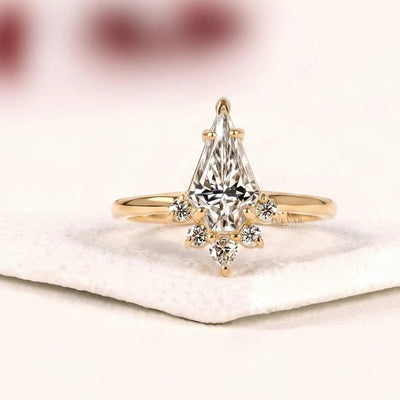
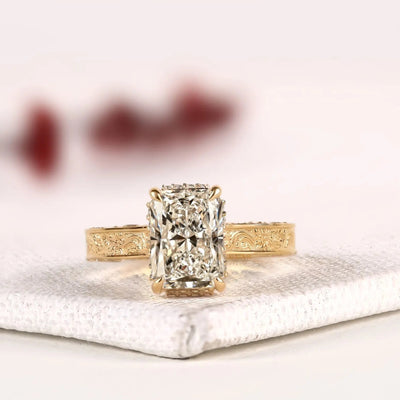
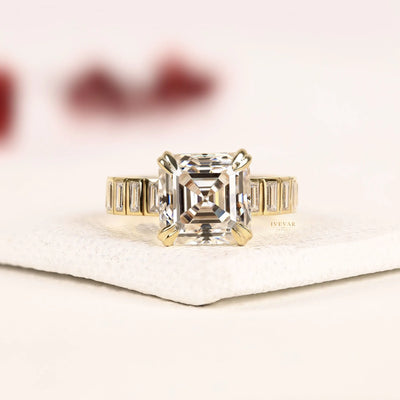
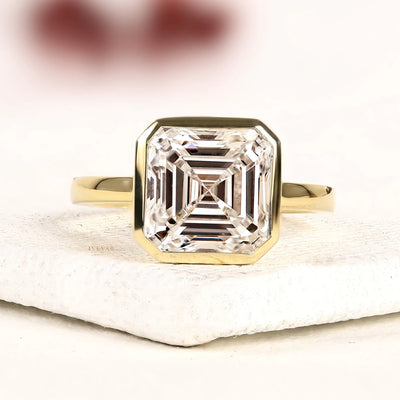
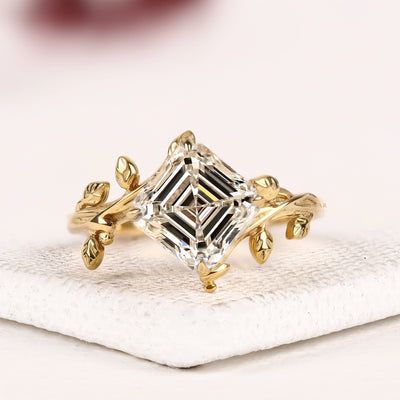
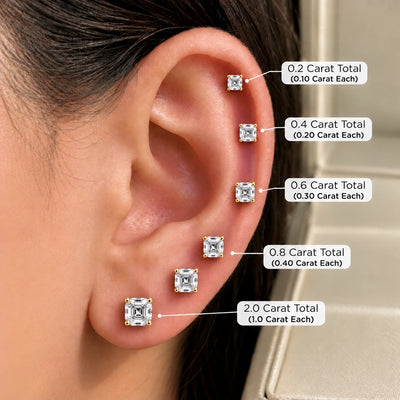
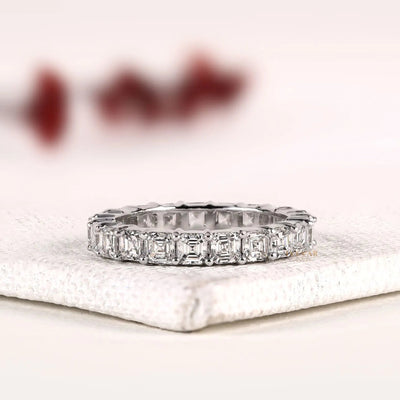
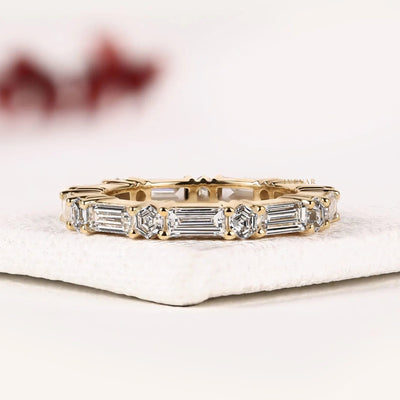
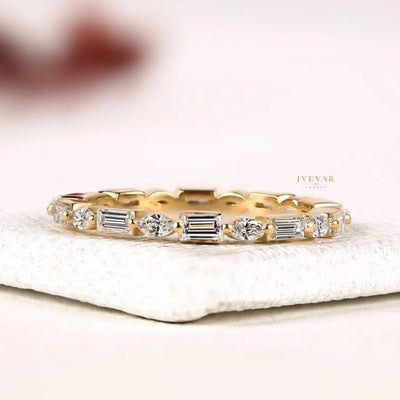
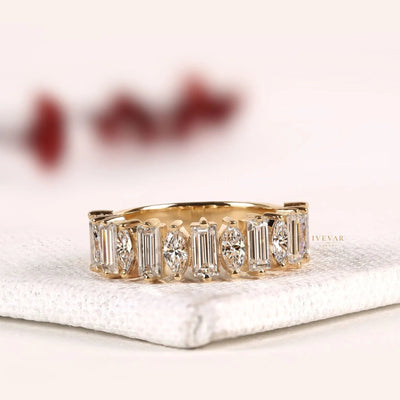
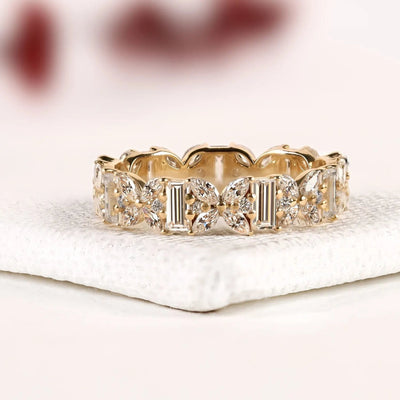
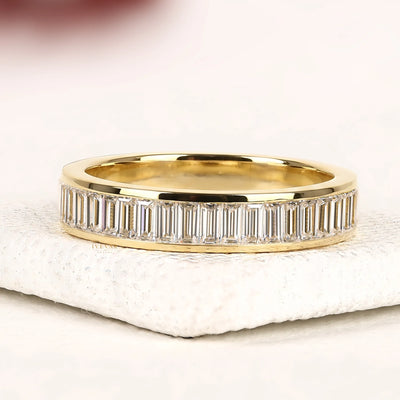
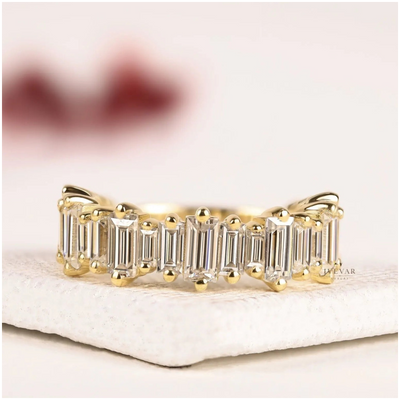
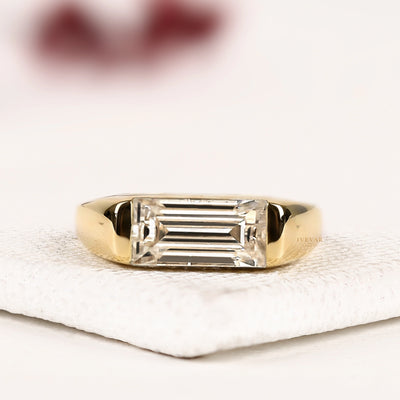
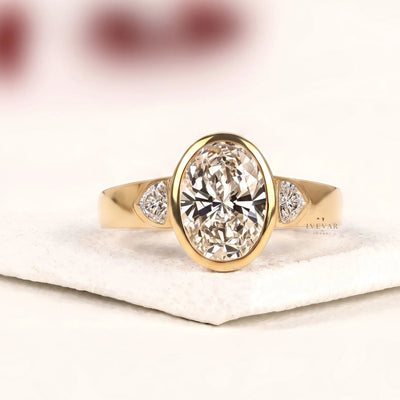
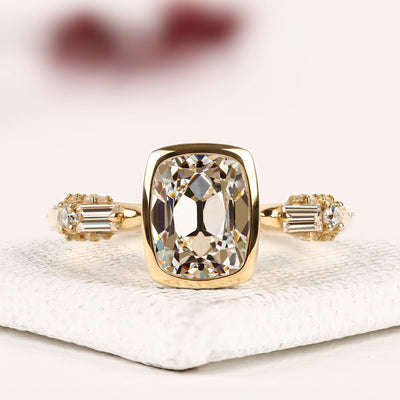
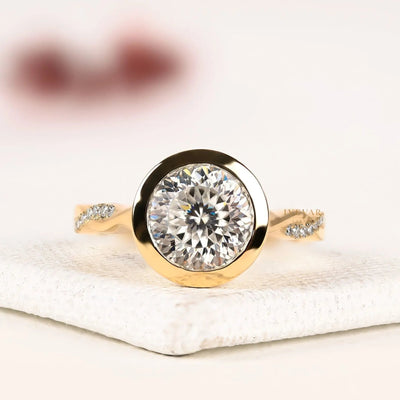
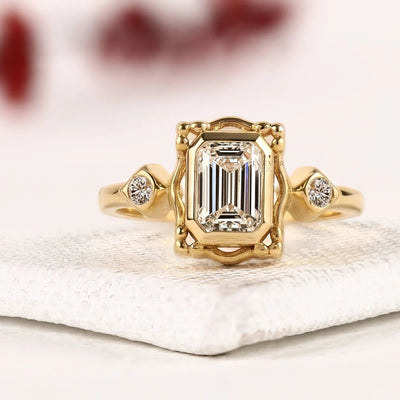
Shop the styles in this guide



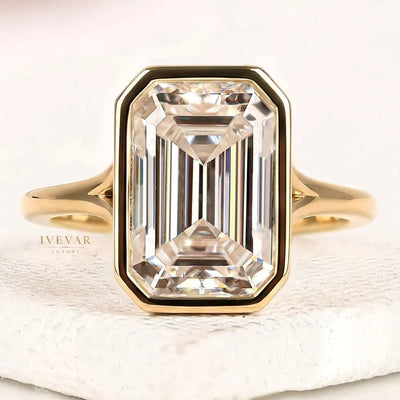
How 14K Gold Holds Up in Daily Wear
14K is popular for rings worn every day because it handles real life well. Here is what to expect over the years:
- Fine scratches: all gold picks up small surface scratches. On 14K they appear a little more slowly than on 18K, and a professional polish removes most of them.
- A soft patina: over time, a high-polish finish softens into a gentle satin glow. Many people like this lived-in look; a polish restores the shine if you prefer.
- Secure prongs: 14K is firm enough to hold diamonds and moissanite securely, though prong tips still wear slowly and benefit from an annual check.
- Thinning bands: the bottom of a ring band wears very slowly with years of contact. A slightly thicker band lasts longer.
- Resizing and repair: solid 14K gold can be resized, re-tipped and repaired, which is a major advantage over plated metal.
Pair 14K gold with a hard stone and it makes a ring built for decades. Lab grown diamond rates 10 on the Mohs scale and moissanite 9.25, so the stones resist scratches even better than the metal around them.
Is 14K Gold Good for Sensitive Skin?
Most people wear 14K gold with no problems. Reactions are usually caused by the alloy metals, not the gold itself. Some white gold alloys contain nickel, a common skin allergen. If you have sensitive skin, yellow gold or a higher karat such as 18K is usually the gentler choice, because it contains more gold and less alloy.
If a ring leaves a dark or green mark on your skin, it is usually a reaction between the alloy metals and moisture, lotion or chemicals on the skin, not a sign that the gold is fake. Keeping the ring and your skin clean and dry usually solves it.
Tips if you react to jewelry
- Ask about the alloy: if you know you react to nickel, ask whether a white gold piece contains it.
- Choose warmer colors: yellow and rose gold alloys usually do not use nickel.
- Keep it clean and dry: trapped soap and moisture under a ring can irritate skin regardless of the metal.
Gold vs Sterling Silver
925 sterling silver is a lower-cost option for fashion pieces and statement jewelry. It is softer than 14K gold and can tarnish, so it needs a little more care. Solid gold rarely tarnishes and is better for pieces you want to keep for many years, such as lab diamond Cuban chains or rings.
| Feature | 14K gold | 925 sterling silver |
|---|---|---|
| Metal content | 58.3% gold plus alloy | 92.5% silver plus alloy |
| Tarnish | Rarely | Tarnishes over time |
| Hardness | Harder | Softer, bends more easily |
| Best for | Rings and pieces worn daily | Fashion and occasional pieces |
Buying 14K Gold Jewelry: A Checklist
Before you buy, run through these points to make sure you are getting solid gold at the right specification:
- Check the description: it should say "solid 14K gold", not "gold tone", "gold plated" or "gold finish".
- Look for the stamp: ask whether the piece is stamped 14K or 585, and where.
- Confirm the color: decide between yellow, white and rose, and remember white gold usually has a rhodium finish.
- Ask about the stones: know whether they are lab grown diamonds, mined diamonds or moissanite, and whether there is a grading report.
- Check the size: for rings, confirm your size with a ring size chart before ordering.
- Read the policy: check shipping, returns and what happens if the piece needs adjusting.
A clear listing and a proper invoice that names the metal and karat are your best protection, and they help with insurance or resale later.
Caring for Gold Jewelry
Clean gold with warm water, mild soap and a soft brush. Take it off before swimming in chlorinated pools, because chlorine can weaken gold alloys over time. Store each piece in its own pouch to avoid scratches. Our jewelry care guide covers more tips.
- Polish gently: a soft jewelry cloth brings back shine between cleans.
- Remove for hard work: take rings off for the gym, gardening and heavy cleaning.
- Re-plate white gold: when white gold starts to look warm, a jeweler can renew the rhodium finish.
- Check settings: have rings with stones checked by a jeweler about once a year.
Shop 14K Gold at Ivevar


At Ivevar, our jewelry is made to order in solid 10K, 14K or 18K gold, in yellow, white or rose, set with lab grown diamonds or moissanite. Every order ships free worldwide with 30-day easy returns. Explore our lab grown diamond fine jewelry or lab grown diamond rings and choose the karat that suits how you will wear it.
FAQ
Is 14K gold real gold?
Yes. It is solid gold with 58.3% pure gold content, mixed evenly with other metals for strength.
Will 14K gold turn my finger green?
Rarely. Solid 14K gold is very stable; discoloration is more common with plated jewelry.
Does 14K gold tarnish?
It does not rust and rarely tarnishes. A gentle clean restores its shine.
Is 18K gold better than 14K?
Not better, just different. 18K has more gold and a richer color, while 14K is harder and holds up better to daily knocks.
Can I shower with 14K gold?
Water will not harm solid gold, but soap and shampoo leave a film that dulls stones. Taking jewelry off to shower keeps it looking brighter.
Does 14K gold have resale value?
Yes. Solid gold always contains gold, so its metal has value. The price offered depends on the gold content, weight and the current gold price.
Is 14K white gold real gold?
Yes. It is the same 58.3% gold, mixed with white metals and usually finished with rhodium.
What does 585 mean on jewelry?
It means 585 parts per thousand are pure gold, the same as 14K.
Can 14K gold be resized?
Yes. Solid gold can be cut, sized up or down and polished. Rings with stones all the way around the band are harder to resize.
Is 10K gold real gold too?
Yes. 10K gold contains 41.7% pure gold and is the minimum purity sold as gold in the US. It is harder but paler than 14K.
Aumsri Pradhan is the founder of Ivevar Luxury, a Surat-based fine jewelry brand that designs and handcrafts lab grown diamond and moissanite jewelry in its own workshop.


