

 Engagement Rings
 Anniversary Rings
 Solitaire Rings
 Halo Rings
 Toi Moi Rings
 Three Stone Rings
 Nature Inspired Rings
 Rose Cut Rings
 Fancy Color Rings
 Antique Cut Rings
 Wedding Rings
 Wedding Band Rings
 Exclusive Lab Grown Diamond Rings
 All Lab Grown Diamond Ring
 Engagement Rings
 Three Stone Rings
 Fancy Color Rings
 Antique Cut Rings
 Daily Wear Rings
 Wedding Band Rings
 Exclusive Moissanite Rings
 Earrings
 Bracelet
 Pendant
 Necklace
 Men's Ring
 Bridal Sets
 Rings
 Earrings
 Tennis chain
 Cuban Chains
 Custom Pendant
 Custom Ring
 Custom Teeth Grillz
 Round
 Oval
 Cushion
 Marquise
 Pear
 Emerald
 Heart
 Princess
 Rose Cut
 Radiant
 Antique Cut
 Brooch
 Cufflink
 Keychain
 Unique Products
 +91-9265051773
 Virtual Appointment
 log in




Short answer: An emerald cut engagement ring features a rectangular step-cut stone with long, parallel facets and cut corners. It gives a calm, glamorous "hall of mirrors" sparkle rather than the fiery glitter of a round. To choose a great one, pick a length-to-width ratio of about 1.30 to 1.50, choose VS1 clarity or better and G color or better in white metal, and look for even, well-aligned steps. Solitaire, three stone, halo and bezel settings all suit the shape.
Emerald cut rings have long been associated with Old Hollywood elegance, and they are a favorite for modern minimalists too. They are also one of the least forgiving shapes to buy blind: the same open table that makes them so beautiful shows every flaw. This guide walks you through how the cut works, which grades actually matter, how to judge a stone from photos, and which settings and metals bring out the best in it.
What Makes an Emerald Cut Special?
Most diamond shapes are brilliant cuts, with many small, triangular and kite-shaped facets that break light into lots of little points of sparkle. The emerald cut is a step cut: its facets run in parallel lines, like stairs, around a large open table. The result is broad flashes of light and a clear view into the stone, a look often described as sophisticated and understated.
A typical emerald cut has rows of long, rectangular facets on the crown (the top) and the pavilion (the bottom), with the four corners trimmed off. When you tilt the ring, those steps switch on and off in bold, mirror-like bands. Gemologists sometimes call this the "hall of mirrors" effect. It is a slower, cooler kind of beauty than a round brilliant, and many people find it more elegant.
Why the corners are cut
Sharp corners are the weakest point of any gemstone. By trimming them, the emerald cut becomes far more resistant to chipping than a princess cut. The trimmed corners also give the shape its soft octagonal outline, which is easy to recognize from across a room.
Emerald Cut Buying Checklist
Use this table as your shortlist filter. A stone that meets all five points will usually look clean, bright and well-shaped.
| Factor | Our recommendation | Why it matters |
|---|---|---|
| Ratio | 1.30 to 1.50 for the classic rectangle | Lower looks squarer; higher looks long and slim |
| Clarity | VS1 or better | The open table shows inclusions more easily |
| Color | G or better in white metal; H in yellow gold | Step cuts show color more than brilliant cuts |
| Polish and symmetry | Excellent or Very Good | Even steps create the signature look |
| Depth | Around 60% to 70% is common | Very deep stones look smaller face-up |
 Shown: Emerald Cut Lab Diamond Solitaire Basket Ring
Choosing the Right Length-to-Width Ratio
The ratio is the stone's length divided by its width, and it is listed on most grading reports. It has a bigger effect on the look of an emerald cut than almost any other number.
- 1.20 to 1.30: A shorter, chunkier rectangle. It reads as bold and slightly vintage, and sits well on shorter fingers when paired with a slim band.
- 1.30 to 1.45: The classic emerald cut proportion most people picture. Balanced, elegant and easy to match with wedding bands.
- 1.45 to 1.60: Long and slender. It looks larger for its carat weight and makes the finger appear longer, but very long stones can look narrow from some angles.
There is no wrong ratio, only a matter of taste. If you are unsure, ask to see photos of two or three stones with different ratios side by side. The difference is easier to see than to describe.
Carat weight and face-up size
Carat is a measure of weight, not size, and two emerald cuts of the same weight can look quite different on the hand. A stone with a longer ratio and a sensible depth spreads its weight across a larger face-up area, so it looks bigger. A very deep stone hides weight in the pavilion, where nobody sees it.
When comparing stones, look at the millimeter measurements on the report (length x width) as well as the carat. If two stones are close in carat, the one with the larger length and width will usually look more impressive on the finger. Because the shape is elongated, an emerald cut tends to look larger than a round of the same weight, which is part of its appeal.
Choosing a size that suits the hand: On petite fingers, a modest emerald cut with a slim band already looks generous. On longer or wider fingers, a larger stone or a three stone design keeps the proportions balanced. If you are unsure, print a size chart at 100% scale and compare the outlines against the hand.
Why Clarity and Color Matter More in an Emerald Cut
In a round brilliant, lots of small facets hide tiny inclusions. In an emerald cut, the large central table acts like a window. A dark inclusion under the table can be visible to the eye, even at a grade that would look clean in a round. That is why we recommend VS1 or better, and why real photos or video of the actual stone are essential.
Where inclusions are acceptable
Location matters as much as grade. A small, light inclusion near a corner or tucked under a prong is often invisible once the stone is set. The same inclusion in the middle of the table can be distracting. When you review a grading report, look at the plotting diagram, which shows where the inclusions sit, and compare it with the video.
Lab grown inclusions
Lab grown diamonds are chemically, physically and optically the same as mined diamonds, and they are graded on the same clarity scale. Depending on whether a stone was grown by CVD or HPHT, its inclusions can look slightly different, but the rule is the same: judge what you see, not just the letters on the report.
Tip: Ask for a video of the stone rotating under daylight-style lighting. It shows how the steps flash and whether any inclusion catches the eye, which a single still photo cannot.
Color: why step cuts show more tint
Brilliant cuts throw back so much sparkle that a faint warm tint gets masked. Step cuts are calmer and more transparent, so body color is easier to notice, especially at the corners where light travels through more of the stone. That is why we suggest G color or better for white gold or platinum.
In yellow or rose gold, the warm metal reflects into the stone and hides a little tint, so H color usually looks white enough. If you love a soft vintage glow, some buyers even choose a slightly warmer grade on purpose and pair it with yellow gold. Lab grown diamonds make higher color grades much more accessible, which is one reason they are popular for emerald cuts.
Emerald Cut vs Other Rectangular Shapes
Emerald, radiant and Asscher cuts are often confused. They share cut corners, but the faceting is completely different, and that changes the way each one sparkles.
| Feature | Emerald | Radiant | Asscher |
|---|---|---|---|
| Faceting | Step cut | Brilliant cut | Step cut |
| Outline | Rectangle, cut corners | Rectangle or square, cut corners | Square, deep cut corners |
| Sparkle | Broad flashes | Intense sparkle | Broad flashes, windmill pattern |
| Hides inclusions | Less | Very well | Less |
If you love the rectangular outline but want more sparkle and a more forgiving stone, a radiant cut is the natural alternative. If you want the step-cut look in a square, the Asscher is its close cousin.
Lab Grown Diamond or Moissanite for an Emerald Cut?
Both make beautiful emerald cut rings, but they behave differently in this shape.
| Feature | Lab grown diamond | Moissanite |
|---|---|---|
| Hardness (Mohs) | 10 | 9.25 |
| Refractive index | About 2.42 | About 2.65 |
| Look in a step cut | Crisp, icy flashes | Stronger rainbow fire, more colorful flashes |
| Grading | IGI or GIA reports available | Not graded on the diamond scale |
A lab grown diamond gives the classic, crisp emerald cut look most people expect. Moissanite has higher refraction and more dispersion, so in a step cut its flashes carry more rainbow color, which some people love and others find less traditional. Both are durable enough for everyday wear. Browse emerald cut lab grown diamonds or emerald cut moissanite to compare.
Best Settings for Emerald Cut Rings
Solitaire
Four prongs or a basket let the clean outline speak for itself. It is the most classic and timeless choice. Prongs on an emerald cut should sit on the trimmed corners, where they protect the stone without covering the steps. Explore lab grown solitaire rings for clean, minimal designs.
Three stone
Baguette, trillion or tapered side stones create an Art Deco look and add width across the finger. Baguettes are step cut too, so they echo the center stone; trillions add a pop of brilliant sparkle for contrast.
Halo and double halo
A halo makes the center stone look larger and adds brilliant sparkle around the calm step cut, an appealing contrast. A hidden halo, set under the stone, gives a flash of sparkle from the side while keeping the top view clean.
Bezel
A rectangular bezel protects the corners and gives a sleek, modern profile, great for active lifestyles. A thin, polished rim keeps the stone looking as large as possible.
Engraved or pave bands
Details like celestial engraving or a pave band add personality without competing with the stone.
East-west
Turning the stone sideways so it sits across the finger gives the emerald cut a fresh, fashion-led look while keeping its classic lines.
Picking the metal
- White gold: Bright and cool, it makes a high-color stone look icy and crisp. It suits the clean, architectural lines of the cut.
- Yellow gold: Warm and classic, it gives the ring a vintage, Old Hollywood mood and is forgiving of slightly warmer color grades.
- Rose gold: Soft and romantic, it adds a blush to the setting without overpowering the stone.
Ivevar makes rings in 10K, 14K and 18K gold. 14K is a popular balance of rich color and everyday durability, while 18K has a deeper color and a higher gold content.
Shop the styles in this guide


Who Suits an Emerald Cut Ring?
- Classic dressers: Someone with a polished or minimalist style will appreciate the clean geometry.
- Understated sparkle lovers: Anyone who prefers elegant flashes of light over constant glitter.
- Long fingers: The elongated shape flatters them beautifully, though it suits most hands.
- Vintage fans: Art Deco and Old Hollywood lovers will feel right at home.
How to Judge an Emerald Cut From Photos
- Check the steps: The rows of facets should be parallel and evenly spaced on all four sides.
- Look for a "window": A pale, washed-out area in the center can mean the pavilion is too shallow and light is leaking out.
- Check the corners: All four trimmed corners should be similar in size so the outline looks symmetrical.
- Watch for dark areas: Some darkness flashing on and off is normal; large areas that stay dark suggest poor proportions.
- Confirm the ratio: Make sure the outline matches the ratio you want before you fall for the sparkle.
Common mistakes to avoid
- Buying on grades alone: Two stones with the same report can look very different. Always check photos or video.
- Going too low on clarity: Saving on clarity is a smart move in a round, but risky in a step cut.
- Ignoring depth: A very deep stone looks smaller than its carat weight suggests.
- Thin prongs on corners: Make sure the corners are protected, especially for someone who uses their hands a lot.
Pairing a Wedding Band
The straight sides of an emerald cut make band pairing simple, but a few details help the set sit well.
- Straight bands: A plain, pave or channel band sits flush if the setting is high enough for the band to slide underneath.
- Baguette bands: Step-cut baguettes echo the center stone and create a matching Art Deco set.
- Contoured bands: If the center stone sits low or has a halo, a curved band can wrap around it without a gap.
- Bridal sets: Designing the engagement ring and band together avoids fit problems later.
Browse lab grown wedding rings for bands that pair well with straight-sided shapes.
Caring for an Emerald Cut Ring
The large table of an emerald cut shows smudges and lotion film quickly, which dulls the mirror effect. Clean it every week or two with warm water, a drop of mild dish soap and a soft toothbrush, then rinse and dry with a lint-free cloth. Have the prongs checked by a jeweler once a year, especially on the corners, and take the ring off for heavy lifting or gardening.
Emerald Cut Rings at Ivevar
We select emerald cut lab grown diamonds for clean tables and even steps, then hand-set them in our Surat workshop with a CAD design for approval first. Many of our lab grown diamonds come with IGI certificates, and we can also design a fully custom emerald cut ring in your choice of gold. Every ring ships worldwide with free shipping and 30-day easy returns. Browse emerald cut jewelry, emerald cut lab grown diamonds and lab grown engagement rings.
Shop Emerald Cut Engagement Rings
 Emerald Solitaire Basket RingShop Now
 Emerald Solitaire Pave BandShop Now
 Emerald Cut Halo RingShop Now
 Emerald with Trillion SidesShop Now
 Emerald Celestial Engraved BandShop Now
 Double Halo Emerald RingShop Now
Swipe to see more → | View all emerald cut jewelry
FAQ
Do emerald cut rings look bigger?
Yes. Their long, open table gives a large face-up area for the carat weight, especially at ratios of about 1.40 and above.
Is an emerald cut ring durable?
Yes. The cut corners make it much less likely to chip than a sharp-cornered princess cut.
Is VS2 clarity okay for an emerald cut?
Sometimes, if inclusions are small and near the edges. VS1 or better is the safer choice.
Why is it called an emerald cut?
The step-cut style was originally developed for emerald gemstones and later adopted for diamonds.
What wedding band suits an emerald cut ring?
A straight channel, baguette or pave band sits neatly alongside and echoes the clean lines.
Does an emerald cut sparkle less than a round?
It sparkles differently. A round gives many small points of light; an emerald cut gives fewer, larger flashes. In good light it is very bright, just calmer.
Is an emerald cut a good choice for a lab grown diamond?
Yes. Lab grown diamonds make high color and clarity grades more accessible, and those grades matter more in a step cut.
What is the difference between emerald and Asscher cuts?
Both are step cuts. The emerald cut is rectangular, while the Asscher is square with larger cut corners and a distinct windmill pattern.
The Bottom Line
An emerald cut engagement ring offers quiet glamour and timeless style. Choose a ratio you love, prioritize clarity and even steps, keep color high in white metal, and pick a setting that frames the clean rectangle beautifully.
Related Guides
- Emerald cut lab grown diamonds: what to know
- Three stone engagement rings
- Cushion vs radiant engagement rings
Author Bio
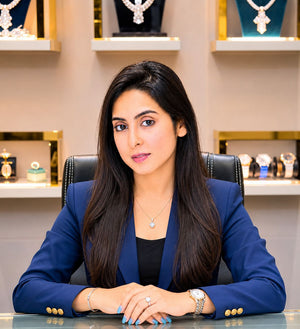
Aumsri Pradhan
Founder, Ivevar Luxury
Aumsri Pradhan is the founder of Ivevar Luxury, a Surat-based fine jewelry brand that designs and handcrafts lab grown diamond and moissanite jewelry in its own workshop. She leads the brand's design and customer experience, from engagement rings and bridal sets to custom pieces made to each client's story. Through the Ivevar blog, she shares practical guidance on lab grown diamonds, moissanite, diamond grading and ring design to help buyers choose with confidence.


