

 Engagement Rings
 Anniversary Rings
 Solitaire Rings
 Halo Rings
 Toi Moi Rings
 Three Stone Rings
 Nature Inspired Rings
 Rose Cut Rings
 Fancy Color Rings
 Antique Cut Rings
 Wedding Rings
 Wedding Band Rings
 Exclusive Lab Grown Diamond Rings
 All Lab Grown Diamond Ring
 Engagement Rings
 Three Stone Rings
 Fancy Color Rings
 Antique Cut Rings
 Daily Wear Rings
 Wedding Band Rings
 Exclusive Moissanite Rings
 Earrings
 Bracelet
 Pendant
 Necklace
 Men's Ring
 Bridal Sets
 Rings
 Earrings
 Tennis chain
 Cuban Chains
 Custom Pendant
 Custom Ring
 Custom Teeth Grillz
 Round
 Oval
 Cushion
 Marquise
 Pear
 Emerald
 Heart
 Princess
 Rose Cut
 Radiant
 Antique Cut
 Brooch
 Cufflink
 Keychain
 Unique Products
 +91-9265051773
 Virtual Appointment
 log in




Quick answer: Yes. Lab grown diamonds pass standard diamond testers because they are real diamonds, with the same carbon structure and heat conductivity as mined diamonds. A regular jeweler's tester will read a lab grown diamond as "diamond." It cannot tell you whether the diamond was grown or mined; that takes specialized lab equipment.
If you just bought a lab grown diamond, or you are planning to, here is exactly what a diamond tester measures and what it can and cannot tell you.
Shop the styles in this guide


How Does a Diamond Tester Work?
Thermal testers
The most common handheld tester touches the stone with a heated tip and measures how fast heat moves away. Diamond conducts heat extremely well, far better than glass or cubic zirconia. A lab grown diamond conducts heat just like a mined one, so it passes.
Electrical conductivity testers
Moissanite also conducts heat well and can fool a thermal-only tester. Many jewelers therefore use a multi-tester that also checks electrical conductivity. Most diamonds do not conduct electricity, while moissanite does, which helps separate the two.
Other quick checks jewelers use
A tester is only one tool on the bench. Jewelers often combine it with a few simple observations before giving an opinion on a stone.
- Loupe inspection for doubling. Moissanite is doubly refractive, so looking through the side of the stone with a 10x loupe often shows doubled facet edges. Diamond, lab grown or mined, is singly refractive and shows crisp single edges.
- Weight compared with size. Cubic zirconia is much denser than diamond, so a CZ of the same dimensions weighs noticeably more. Moissanite is slightly lighter than diamond.
- Reflectivity meters. Diamond's refractive index of about 2.42 is too high for a standard gem refractometer, so some jewelers use a reflectivity meter instead. It separates diamond from many simulants but, like a thermal tester, cannot tell grown from mined.
- Wear on facet edges. Glass and CZ show scratched, rounded facet edges after years of wear. Diamond at 10 on the Mohs scale keeps sharp edges.
Test Results at a Glance
| Stone | Thermal tester | Multi-tester |
|---|---|---|
| Lab grown diamond | Diamond | Diamond (see note on blue stones below) |
| Mined diamond | Diamond | Diamond |
| Moissanite | Often reads as diamond | Moissanite |
| Cubic zirconia | Not diamond | Not diamond |
One Exception to Know About
Some blue diamonds, whether lab grown or natural, contain boron, which makes them conduct electricity. On certain electrical testers, a boron-bearing blue diamond can be misread as moissanite. This is a limitation of the tester, not a problem with the diamond. A grading lab can confirm the stone with proper equipment.
How to Use a Diamond Tester Correctly
Many confusing results come from how the tester is used, not from the stone. If you have access to a tester, or you are watching a jeweler use one, these steps help avoid false readings.
- Let the tester warm up and check it. Most thermal testers need a short warm-up. Testing a known diamond first confirms the device is reading correctly.
- Clean and dry the stone. Oil, lotion and dust insulate the surface and can lower the reading.
- Bring the stone to room temperature. A ring that was just washed in cold water or worn on a warm hand can skew a thermal result.
- Touch the table facet at a right angle. Hold the probe straight down on the flat top of the stone with steady, light pressure.
- Avoid touching the metal. Gold and silver conduct heat and electricity, and contact with the prongs can trigger a false "diamond" or "metal" alert.
- Use a fine tip for small stones. Tiny side stones, pavé and melee need a narrow probe, or the tip will touch the setting instead of the diamond.
- Test more than once. Repeat on a different spot of the table. A consistent result is more trustworthy than a single beep.
Common Reasons for a Confusing Result
| What you see | Likely cause | What to do |
|---|---|---|
| Real diamond reads "not diamond" | Dirty stone, cold stone, weak battery or poor contact | Clean, warm to room temperature, replace the battery and retest |
| Diamond reads "moissanite" | Boron in the diamond (some blue stones and some HPHT-grown colorless stones) or probe touching metal | Retest away from the prongs and confirm with a grading lab |
| Moissanite reads "diamond" | Thermal-only tester | Use a multi-tester or check for doubling with a loupe |
| "Metal" alert | Probe touched the setting | Reposition the probe on the center of the table facet |
Types of Testers Compared
"Diamond tester" covers several different devices. Knowing which one was used tells you how much the result really means.
| Device | What it checks | Separates moissanite? | Spots lab grown? |
|---|---|---|---|
| Thermal tester | How fast heat moves through the stone | No | No |
| Multi-tester | Heat plus electrical conductivity | Yes, in most cases | No |
| Reflectivity meter | How much light the surface reflects | Usually | No |
| Lab grown screening device | Optical or spectral signals linked to diamond type | Varies by model | Flags stones for further testing |
| Grading lab analysis | Growth patterns, trace elements and defects | Yes | Yes, and states it on the report |
The practical rule: handheld devices answer "is this diamond?", while only lab-level analysis answers "was this diamond grown?" Screening devices sit in between and are designed to refer suspect stones on for full testing rather than to give a final verdict.
Can a Tester Tell Lab Grown From Mined?
A standard jeweler's tester cannot. Separating lab grown from mined diamonds requires advanced instruments that study growth patterns, fluorescence and trace elements. Some specialized screening devices are designed for this, but the most reliable answer comes from an independent grading lab such as IGI. Its report states that the stone is laboratory grown, and many stones carry a laser inscription on the girdle that matches the report number.
What Gem Labs Use to Identify Lab Grown Diamonds
Because lab grown and mined diamonds are the same material, origin is found through the tiny differences in how each one formed. Grading labs such as IGI and GIA both grade lab grown diamonds and use several methods together.
Growth pattern imaging
Under strong ultraviolet light, diamonds show fluorescence patterns that reflect how they grew. CVD diamonds grow in flat layers and can show fine parallel striations. HPHT diamonds grow outward in a cube and octahedron pattern that creates distinct sectors. Mined diamonds show their own irregular patterns from slow growth deep in the earth.
Spectroscopy
Instruments that measure how a diamond absorbs or emits light reveal trace elements such as nitrogen and boron, and defects in the crystal. Most mined diamonds contain some nitrogen, while many lab grown diamonds contain very little, which is one of the signals labs look for.
Phosphorescence
Some HPHT lab diamonds keep glowing briefly after a UV lamp is switched off. This alone does not prove origin, but it is one clue that leads a lab to look closer.
For a step-by-step look at these signs, read our guide on how to tell if a diamond is lab grown. The process used to grow a stone is covered in CVD vs HPHT lab grown diamonds.
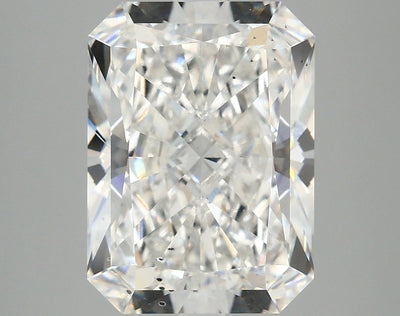
 Shown: 1.99 Ct Rose Cut Lab Grown Diamond, E Color, VVS1, IGI Certified
Why This Matters When You Buy
- A "diamond" reading is not proof of origin. Both lab grown and mined diamonds pass, so rely on the certificate for origin.
- Disclosure is required. In the US, the Federal Trade Commission's Jewelry Guides require sellers to clearly disclose when a diamond is laboratory grown.
- Check the report number. Match the listing, the certificate and the girdle inscription.
Lab Diamond vs Mined Diamond vs Moissanite vs Cubic Zirconia
This table shows how each stone behaves across the checks a jeweler might run. It also explains why a lab grown diamond and a mined diamond look identical on every basic test.
| Property | Lab grown diamond | Mined diamond | Moissanite | Cubic zirconia |
|---|---|---|---|---|
| Material | Carbon | Carbon | Silicon carbide | Zirconium dioxide |
| Hardness (Mohs) | 10 | 10 | 9.25 | About 8 to 8.5 |
| Refractive index | About 2.42 | About 2.42 | About 2.65 | About 2.15 |
| Thermal tester | Diamond | Diamond | Often diamond | Not diamond |
| Doubling under a loupe | No | No | Yes | No |
| Sparkle | Balanced white light and fire | Balanced white light and fire | Strong rainbow fire | Bright at first, dulls with wear |
If you are deciding between stones rather than testing one, our moissanite vs lab grown diamond vs diamond comparison walks through look, durability and budget.
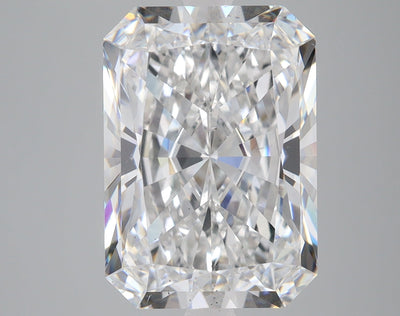
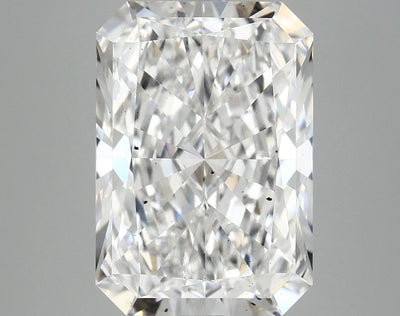
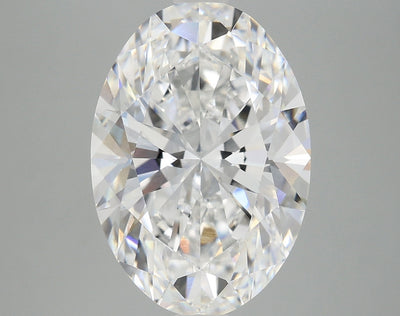
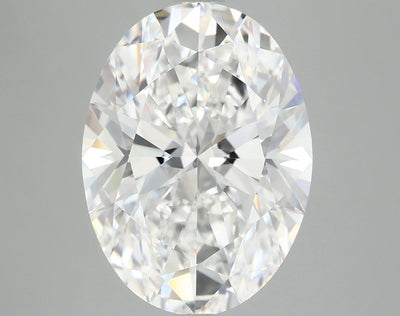
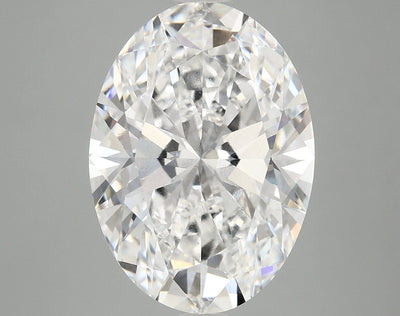
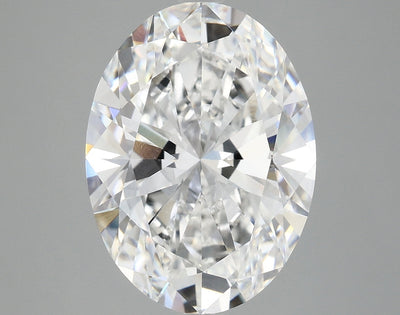
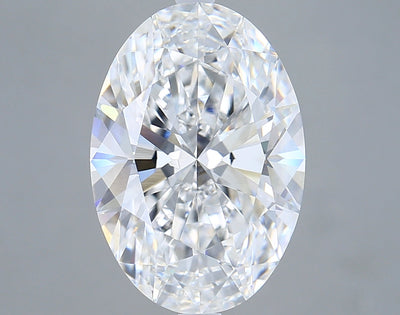
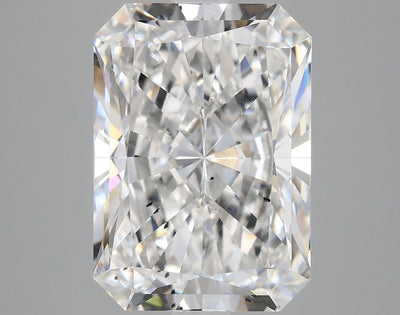
Shop the styles in this guide








Testing Jewelry With Many Small Stones
A single center stone is easy to test. Pieces covered in small stones are a different job, and it helps to set expectations.
- Tennis chains and bracelets. A jeweler can spot check several stones, but testing every one is slow. The grading report or the seller's written description of the stones matters more here. See our lab grown tennis chains for examples of this style.
- Pavé and halo rings. Tiny stones sit close to the metal, so a fine probe is needed to avoid false metal alerts.
- Hip hop pieces. Iced-out pendants, chains and grillz can use lab diamonds or moissanite, and the two can look similar at a glance. A multi-tester separates them quickly. Browse hip hop lab grown diamond jewelry or hip hop moissanite jewelry to compare.
Keep Your Stone Clean for Accurate Readings
A clean diamond tests more reliably and, more importantly, looks the way it should. Lab grown diamonds do not get cloudy or lose their sparkle over time. When a stone looks dull, the cause is almost always a film of lotion, soap or skin oil on the back of the stone.
- Soak the piece in warm water with a few drops of mild dish soap for several minutes.
- Brush gently behind the stone with a soft toothbrush, where grime collects.
- Rinse in clean water and dry with a lint-free cloth.
- Let the piece reach room temperature before anyone tests it.
Our jewelry care guide covers cleaning for different metals and settings, including sterling silver and gold.
If You Plan to Sell or Appraise the Stone
A buyer or appraiser will test the stone and then ask for documentation. A diamond reading confirms what it is, but the report determines how it is described and valued. Expect an honest buyer to treat an undocumented stone with caution, and expect lab grown diamonds to receive much lower resale offers than mined ones. Bringing the original report saves time and avoids any doubt about what you are selling.
Mistakes to Avoid
- Treating a beep as proof of a mined diamond. A thermal tester confirms diamond, not where it came from.
- Trusting a thermal-only tester on moissanite. Always use a tester that also checks electrical conductivity, or look for doubling.
- Relying on home tricks. The fog test, water test and newspaper test give unreliable results, especially on mounted stones.
- Buying a larger stone without a report. For any significant purchase, an IGI or GIA report is the document that settles both identity and origin.
- Not checking the report online. A paper report is only useful if the number matches the lab's online record and the stone's measurements.
Checklist: Verifying a Lab Grown Diamond You Are Buying
- Ask for the grading report number before you pay.
- Look the number up on the grading lab's website and confirm the shape, carat weight, measurements and grades.
- Confirm that the report states the stone is laboratory grown.
- Once it arrives, have a jeweler view the girdle inscription under magnification and compare it with the report number.
- Ask the jeweler to run a multi-tester so you can see the diamond result for yourself.
- Keep the report and receipt together, and use them for any insurance appraisal.
Who Needs to Think About Testing
Most people who buy a certified lab grown lab diamond engagement ring never need to test it, because the report already answers every question a tester could. Testing becomes useful if you receive a piece as a gift without paperwork, buy secondhand, inherit jewelry with an unknown history, or want to confirm whether stones in a chain or pendant are diamond or moissanite.
How We Verify Every Stone at Ivevar
Every certified lab grown diamond we sell comes with its IGI report, and we share it before you buy so you can verify the number online. We handcraft each setting in our Surat workshop and ship worldwide with free shipping and 30-day easy returns. Browse certified loose lab grown diamonds or our rose cut lab grown diamonds.
Shop Certified Lab Grown Diamonds
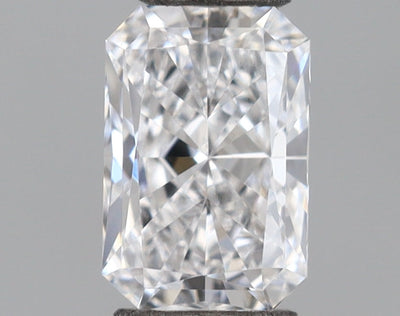
 1.99 Ct Rose Cut, E, VVS1Shop Now
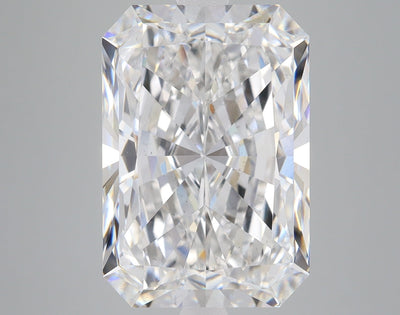
 1.90 Ct Rose Cut, E, VVS2Shop Now
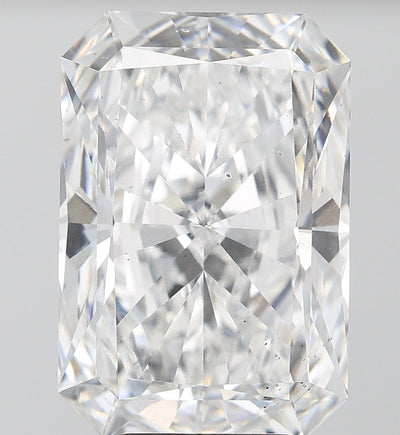
 1.57 Ct Rose Cut, F, VVS2Shop Now
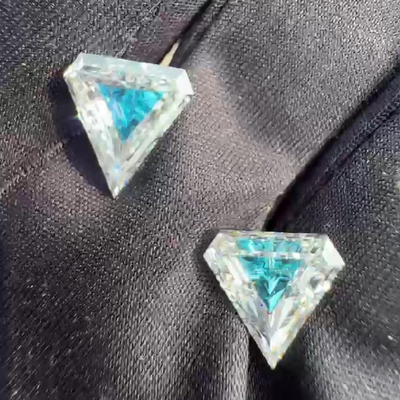
 0.87 Ct Heart, Bluish GreenShop Now
 1.01 Ct Heart, Greenish BlueShop Now
 1.27 Ct Heart, Pinkish OrangeShop Now
Swipe to see more → | View all loose lab grown diamonds
Frequently Asked Questions
Will a pawn shop know my diamond is lab grown?
Not with a basic tester. Many shops look for a laser inscription or ask for the certificate, and some have advanced screening devices.
Does moissanite pass a diamond tester?
It often passes a thermal-only tester, but a multi-tester that checks electrical conductivity usually identifies it as moissanite.
Is a lab grown diamond a fake diamond?
No. It is a real diamond with the same chemical and physical properties as a mined diamond. Only its origin is different.
Can I test my diamond at home?
Home tests like the fog test are not reliable. For certainty, check the IGI report number online or visit a qualified jeweler.
Can a lab grown diamond ever fail a diamond tester?
Not because it is lab grown. A false result usually comes from a dirty or cold stone, poor contact, or the probe touching metal. Boron-bearing diamonds can also read as moissanite on some electrical testers.
Can a diamond tester damage my stone?
No. A tester uses a small amount of heat or a tiny electrical current and does not harm a diamond or its setting when used normally.
Can a jeweler tell a lab diamond apart with just a loupe?
Usually not. Inclusions can offer hints, but the reliable signs need lab instruments. A loupe is most useful for reading the girdle inscription.
Can a tester tell CVD from HPHT?
No. Growth method is identified by a grading lab using growth pattern imaging and spectroscopy, and is sometimes noted on the report.
Why did my moissanite ring test as diamond?
Thermal-only testers read moissanite as diamond because both move heat quickly. A multi-tester or a loupe check for doubling will show it is moissanite.
Do lab grown diamonds look different under a UV light?
Sometimes, but not in a way a shopper can rely on. Both lab grown and mined diamonds may or may not fluoresce. Labs study the pattern, not just the glow.
The Bottom Line
Lab grown diamonds pass diamond testers because they are diamonds. To confirm that a stone is lab grown, and its exact grades, rely on the independent grading report and the matching girdle inscription.
Related Guides
- Are lab grown diamonds real? The facts explained
- Lab grown diamond vs moissanite
- How to buy a lab grown diamond: a simple buying guide

Author Bio
Aumsri Pradhan
Founder, Ivevar Luxury
Aumsri Pradhan is the founder of Ivevar Luxury, a Surat-based fine jewelry brand that designs and handcrafts lab grown diamond and moissanite jewelry in its own workshop. She leads the brand's design and customer experience, from engagement rings and bridal sets to custom pieces made to each client's story. Through the Ivevar blog, she shares practical guidance on lab grown diamonds, moissanite, diamond grading and ring design to help buyers choose with confidence.


