

 Engagement Rings
 Anniversary Rings
 Solitaire Rings
 Halo Rings
 Toi Moi Rings
 Three Stone Rings
 Nature Inspired Rings
 Rose Cut Rings
 Fancy Color Rings
 Antique Cut Rings
 Wedding Rings
 Wedding Band Rings
 Exclusive Lab Grown Diamond Rings
 All Lab Grown Diamond Ring
 Engagement Rings
 Three Stone Rings
 Fancy Color Rings
 Antique Cut Rings
 Daily Wear Rings
 Wedding Band Rings
 Exclusive Moissanite Rings
 Earrings
 Bracelet
 Pendant
 Necklace
 Men's Ring
 Bridal Sets
 Rings
 Earrings
 Tennis chain
 Cuban Chains
 Custom Pendant
 Custom Ring
 Custom Teeth Grillz
 Round
 Oval
 Cushion
 Marquise
 Pear
 Emerald
 Heart
 Princess
 Rose Cut
 Radiant
 Antique Cut
 Brooch
 Cufflink
 Keychain
 Unique Products
 +91-9265051773
 Virtual Appointment
 log in




Quick answer: You cannot tell a lab grown diamond from a mined diamond by looking at it, even with a jeweler's loupe. The reliable ways to know are: read the grading report, look for the laser inscription on the girdle, and, when there is no paperwork, have the stone tested by a gemological lab with specialized equipment.
Whether you inherited a ring, bought a stone secondhand, or simply want to confirm what you own, this guide walks through each method from easiest to most definitive.
Shop the styles in this guide


1. Check the Grading Report
The easiest way to know is the certificate. Independent labs such as IGI clearly state when a diamond is laboratory grown, often on the front of the report and sometimes in a different report color or format. The report will also list the growth method, CVD or HPHT, and any post-growth treatment.
Look up the report number on the lab's website to confirm it is genuine and matches the stone's carat weight and measurements.
2. Look for the Laser Inscription
Most certified lab grown diamonds have a microscopic laser inscription on the girdle, the thin outer edge. It usually includes the report number and often the words "LAB GROWN" or "LG." You will need a 10x loupe and good light, and a jeweler can find it for you in seconds.
3. Ask a Jeweler to Screen It
Many jewelers now own screening devices that flag stones as possibly lab grown. These tools are useful, but screening is not the same as identification. A stone that gets flagged should be sent to a lab for a final answer.
4. Send It to a Gemological Lab
For a definite answer, a lab such as IGI or GIA examines the diamond with advanced tools, including spectroscopy and fluorescence imaging, which reveal growth patterns that differ between lab grown and mined diamonds. This is the only fully reliable method when there is no report or inscription.
Methods Compared
| Method | Reliable? | Cost and effort |
|---|---|---|
| Looking with the naked eye | No | Free, but tells you nothing |
| Standard diamond tester | No, both read as diamond | Free at most jewelers |
| Grading report | Yes, if verified online | Free if you have it |
| Girdle laser inscription | Yes, with a matching report | Free with a loupe or jeweler |
| Jeweler screening device | Good first check | Low |
| Gemological lab test | Yes, the most definitive | A lab fee and some waiting time |
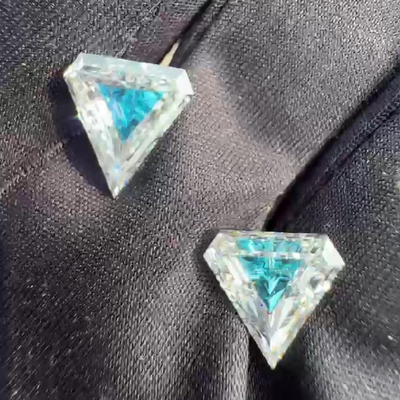
 Shown: 2.00 Ct Heart Cut Fancy Vivid Blue Lab Grown Diamond, VVS2, IGI Certified
Myths That Do Not Work
- "Lab diamonds are too perfect." Lab grown diamonds can have inclusions, just like mined ones. Flawless appearance proves nothing.
- "The fog test." Breathing on a stone may separate diamond from glass, but lab and mined diamonds behave the same.
- "Lab diamonds sparkle differently." Sparkle comes from cut quality, not origin.
- "A diamond tester can tell." Standard testers read both as diamond.
First Question: Is It Diamond at All?
Before you can ask whether a diamond is lab grown, you need to know it is diamond. Many "is it lab grown?" questions turn out to be moissanite or cubic zirconia. These simple checks separate diamond from look-alikes, but none of them separates lab grown diamond from mined diamond.
| Stone | Thermal diamond tester | Multi-tester (heat plus electrical) | Clues under a 10x loupe |
|---|---|---|---|
| Lab grown diamond | Reads as diamond | Reads as diamond | Sharp, single facet edges |
| Mined diamond | Reads as diamond | Reads as diamond | Sharp, single facet edges |
| Moissanite | Can read as diamond | Usually flagged as moissanite | Doubled facet edges when viewed at an angle |
| Cubic zirconia | Fails | Fails | Rounded, softer facet edges and wear on older stones |
One useful exception: some blue lab grown diamonds contain boron, which conducts electricity, so a multi-tester can mistake them for moissanite. If a blue stone reads as moissanite, have a lab check it. For more on testers, see do lab grown diamonds pass a diamond tester.
How to Read a Report for Origin
A grading report is only useful if you know where to look. Both IGI and GIA grade lab grown diamonds, and both state origin clearly. Use this order when you pick up a report:
- Title and origin. Look for "laboratory grown" in the report title or description line. Mined diamond reports do not say this.
- Growth method. Many reports name CVD or HPHT in the comments.
- Treatment note. "As grown" means no treatment after growth; other wording means the color was improved after growing.
- Inscription. The report lists the girdle inscription, usually the report number and often a lab grown marker.
- Measurements and weight. Compare them with the stone or the listing. A report for a different stone will not match to the hundredth of a millimeter or carat.
- Online check. Enter the report number on the lab's website and compare every detail.
Our guide to IGI vs GIA lab grown diamond certificates explains how the two reports differ in layout.
Finding the Girdle Inscription Yourself
The inscription is tiny, but you can often find it at home with patience. Here is how:
- Clean the stone first. Oil and soap residue on the girdle can hide the lettering.
- Use a 10x jeweler's loupe and a bright, focused light, such as a desk lamp or phone flashlight held to the side.
- Hold the piece steady and look at the thin outer edge of the diamond, rotating slowly.
- Look for a short row of numbers or letters. It may start with the lab's initials or "LG."
- Write down what you see and compare it with the report number online.
In settings with a bezel, halo or heavy prongs, parts of the girdle are hidden. A jeweler with a microscope can usually find it quickly, and many will do so while you wait.
What Gemological Labs Actually Look For
When a lab identifies origin, it is not judging beauty. It is reading tiny signatures left by the way the crystal grew. In plain terms, labs check:
- Diamond type. Most mined diamonds contain small amounts of nitrogen in clustered forms. Most lab grown diamonds are nearly nitrogen-free or contain boron. A screening device sorts stones by this, which is why it can flag a stone but not prove its origin, since some rare mined diamonds share the same type.
- Growth patterns under strong UV. CVD diamonds tend to show layered, striped growth. HPHT diamonds tend to show geometric patterns that follow the crystal faces. Mined diamonds show their own irregular patterns.
- Phosphorescence. Many HPHT diamonds glow for a moment after strong UV is switched off.
- Spectroscopy. Instruments read how the diamond absorbs and emits light, revealing trace defects linked to each growth method.
- Inclusions. Metallic flux inclusions point to HPHT; certain dark pinpoints and growth features point to CVD.
No single clue settles the question; labs combine several. That is why a lab report is the only reliable answer when paperwork is missing.
Hints That Suggest Lab Grown, But Do Not Prove It
You will see many "tricks" online. Some point in the right direction; none of them is proof.
| Hint | Why it can point to lab grown | Why it is not proof |
|---|---|---|
| Stone is attracted to a strong magnet | Some HPHT stones contain metallic inclusions | Most lab diamonds do not react, and the setting metal can interfere |
| Very high color and clarity for the price | Lab diamonds cost less at the same grade | Price alone says nothing about a specific stone |
| Recent purchase with no paperwork | Lab diamonds are now common in new jewelry | Mined diamonds also sell without reports |
| Flagged by a screening device | Detects diamond types common in lab stones | Some mined diamonds are flagged too; a lab must confirm |
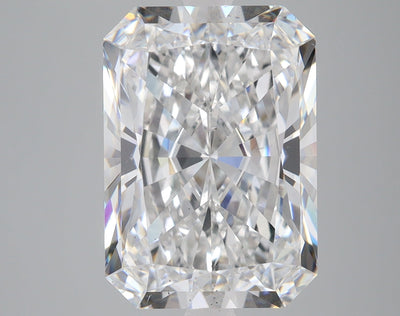
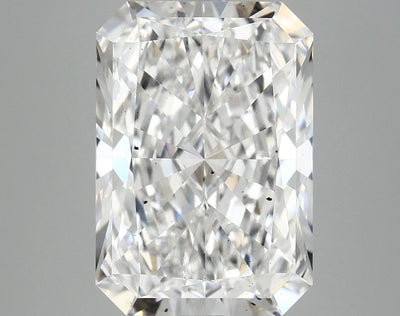
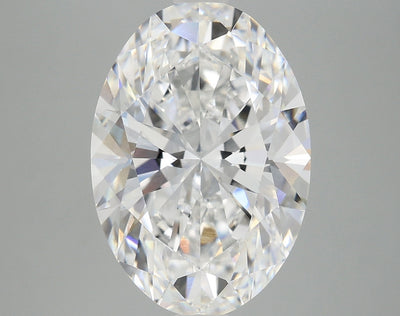
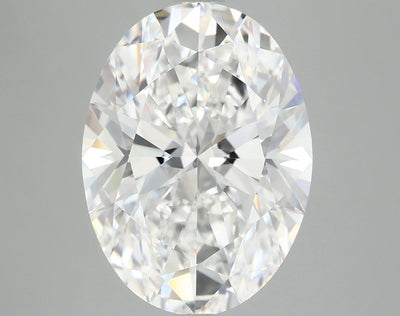
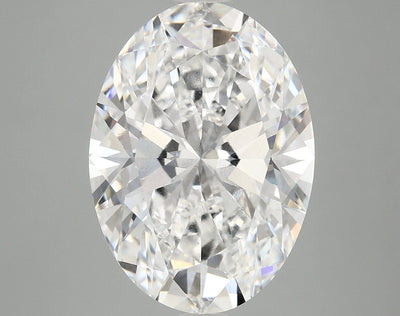
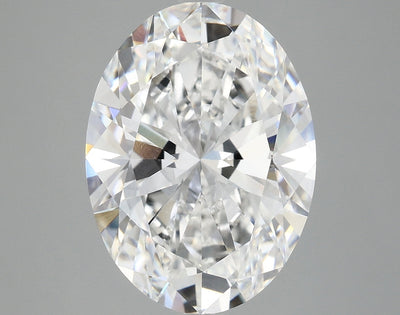
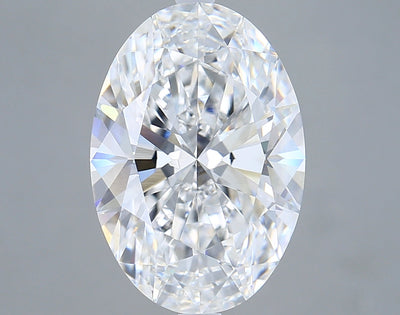
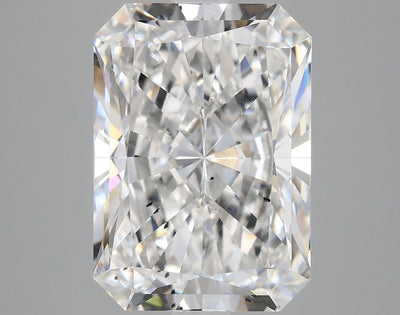
Shop the styles in this guide








Which Method to Use in Your Situation
The right first step depends on why you are asking.
| Your situation | Best first step | When to go further |
|---|---|---|
| Inherited or gifted ring with no papers | Have a jeweler test that it is diamond and look for an inscription | If no inscription is found and value matters, send it to a lab |
| Buying secondhand or from a private seller | Ask for the report and check the number online before paying | No report: make the sale conditional on lab testing |
| Buying new from a jeweler or online | Read the listing and report for clear origin wording | Unclear wording: ask in writing before you buy |
| Insurance or appraisal | Give the appraiser the report so origin is recorded correctly | No report: the appraiser may recommend lab testing |
| Resetting or upgrading a stone | Ask the jeweler to note the inscription before work begins | If none exists, consider having the stone inscribed after a lab report |
Identifying Fancy Colored Diamonds
Colored diamonds deserve extra care. Natural blue, pink and green diamonds are rare and priced accordingly, while lab grown diamonds can be produced in the same colors. That makes origin especially important for colored stones like the heart shaped stones featured in this guide.
- Color source matters. Blue lab diamonds usually get their color from boron added during growth. Pinks and some other colors often come from treatment after growth. The report states both the origin and any treatment.
- Look closely at the report wording. A colored lab diamond report should say laboratory grown and list the color as a fancy grade, such as Fancy Vivid Blue.
- Never rely on color alone. An intense, even color does not prove lab origin, and a softer color does not prove mined origin. Only lab testing settles it.
- Expect tester quirks. As noted above, boron-colored blue diamonds can confuse electrical multi-testers.
Identifying Small Stones in Pavé, Bands and Chains
Pieces with many small diamonds raise a different question. Accent stones in pavé bands, halos, tennis chains and earrings are usually too small to carry their own reports or inscriptions, and testing each one individually is rarely practical.
For these pieces, use the paperwork for the whole item: the invoice or listing should describe the accent stones as lab grown diamond, mined diamond or moissanite. A jeweler can spot-test several stones with a thermal or multi-tester to confirm they are diamond. If a center stone is certified, its report covers only the center stone, not the accents around it.
When you are buying, ask the seller to state the origin of accent stones in writing. That simple step avoids most confusion later, especially for appraisals and insurance.
Mistakes to Avoid
- Trusting a single tester reading. A "diamond" result means diamond, not mined diamond.
- Assuming an inscription matches. Always compare the inscribed number with the report online.
- Judging by sparkle or "perfection." Both come from cut and grade, not origin.
- Paying a mined-diamond price without paperwork. If origin matters to the price, make lab testing part of the deal.
- Calling a lab diamond fake. If the result is lab grown, it is still real diamond. Our article on whether lab grown diamonds are real diamonds explains why.
Step-by-Step Checklist
- Confirm the stone is diamond with a thermal or multi-tester at a jeweler.
- Look for paperwork: a grading report, invoice or appraisal that names origin.
- Verify any report number on the lab's website.
- Check the girdle for an inscription and match it to the report.
- If there is no report or inscription, ask a jeweler to screen the stone.
- If the stone is flagged, or if value depends on origin, send it to a gemological lab.
- Keep the final report with the piece for insurance and future resale.
If It Turns Out to Be Lab Grown
A lab grown result changes the stone's story and its resale value, but not how it looks or wears. It is still 10 on the Mohs scale, it will not get cloudy or change color, and it cleans up the same way as any diamond: warm water, mild soap and a soft brush. Our jewelry care guide covers the details.
If you are shopping and want origin settled from the start, buy from a seller who labels every stone clearly. Our lab diamond engagement rings and lab diamond earrings are sold as lab grown diamond, and if you prefer a different gem altogether, moissanite engagement rings are clearly labeled as moissanite. For a quick comparison of all three stones, see moissanite vs lab grown diamond vs diamond.
What US Law Says About Disclosure
Under the Federal Trade Commission's Jewelry Guides, sellers in the US must clearly disclose when a diamond is laboratory grown, using terms like "laboratory-grown," "laboratory-created" or "[manufacturer name]-created." If a seller calls a lab diamond "natural," that is misleading. Always ask for the report in writing.
Buying With Confidence at Ivevar
We clearly label every lab grown diamond and share the IGI report for certified stones before you buy. Each piece is handcrafted in our own Surat workshop and ships worldwide with free shipping and 30-day easy returns. Browse our certified loose lab grown diamonds or heart shaped lab grown diamonds.
Shop Heart Shaped Lab Grown Diamonds
 2.00 Ct Heart, Vivid BlueShop Now
 3.29 Ct Heart, Intense BlueShop Now
 2.03 Ct Heart, Vivid GreenShop Now
 2.08 Ct Heart, Green BlueShop Now
 3.15 Ct Heart, Light PinkShop Now
 4.07 Ct Heart, Brownish PinkShop Now
Swipe to see more → | View all loose lab grown diamonds
Frequently Asked Questions
Can a jeweler tell if a diamond is lab grown just by looking?
No. Even experienced jewelers need a report, an inscription or specialized equipment.
Is it bad if my diamond turns out to be lab grown?
Not at all. It is still a real diamond with the same beauty and durability. It simply has lower resale value than a mined diamond.
Can the laser inscription be removed?
It can be polished off, which is why a stone without an inscription or report should be tested by a lab before you pay a mined-diamond price.
How long does lab testing take?
It varies by lab and service. Ask the lab for current turnaround times before you send the stone.
Does a diamond tester tell lab grown from mined?
No. A standard thermal tester only tells you whether a stone is diamond. Lab grown and mined diamonds both read as diamond.
Can UV light at home reveal a lab diamond?
Not reliably. A household UV flashlight shows fluorescence, which both lab and mined diamonds can have or lack. Labs use much stronger, specialized UV imaging to see growth patterns.
Can a magnet identify a lab grown diamond?
Only rarely. Some HPHT diamonds with metallic inclusions are weakly attracted to a strong magnet, but most lab diamonds do not react, so a magnet test proves nothing on its own.
What does "type IIa" mean on my report?
It describes a diamond with almost no nitrogen. Many lab grown diamonds are type IIa, but so are some rare mined diamonds, so the type alone does not prove origin. The report's origin statement does.
Can moissanite be mistaken for a lab grown diamond?
Yes, especially on a basic thermal tester. A multi-tester or a look through a loupe for doubled facet edges usually separates moissanite from diamond.
The Bottom Line
You cannot tell lab grown from mined by eye or with a basic tester. Rely on a verified grading report, a matching girdle inscription, or a gemological lab test, and always buy from a seller who discloses origin clearly.
Related Guides
- Are lab grown diamonds real? The facts explained
- Difference between lab and natural diamonds
- All about heart shaped diamonds

Author Bio
Aumsri Pradhan
Founder, Ivevar Luxury
Aumsri Pradhan is the founder of Ivevar Luxury, a Surat-based fine jewelry brand that designs and handcrafts lab grown diamond and moissanite jewelry in its own workshop. She leads the brand's design and customer experience, from engagement rings and bridal sets to custom pieces made to each client's story. Through the Ivevar blog, she shares practical guidance on lab grown diamonds, moissanite, diamond grading and ring design to help buyers choose with confidence.


