

 Engagement Rings
 Anniversary Rings
 Solitaire Rings
 Halo Rings
 Toi Moi Rings
 Three Stone Rings
 Nature Inspired Rings
 Rose Cut Rings
 Fancy Color Rings
 Antique Cut Rings
 Wedding Rings
 Wedding Band Rings
 Exclusive Lab Grown Diamond Rings
 All Lab Grown Diamond Ring
 Engagement Rings
 Three Stone Rings
 Fancy Color Rings
 Antique Cut Rings
 Daily Wear Rings
 Wedding Band Rings
 Exclusive Moissanite Rings
 Earrings
 Bracelet
 Pendant
 Necklace
 Men's Ring
 Bridal Sets
 Rings
 Earrings
 Tennis chain
 Cuban Chains
 Custom Pendant
 Custom Ring
 Custom Teeth Grillz
 Round
 Oval
 Cushion
 Marquise
 Pear
 Emerald
 Heart
 Princess
 Rose Cut
 Radiant
 Antique Cut
 Brooch
 Cufflink
 Keychain
 Unique Products
 +91-9265051773
 Virtual Appointment
 log in




Fancy Color Lab Grown Diamonds: Pink, Yellow and Blue
by Aumsri Pradhan on Sep 28, 2026
Quick answer: Fancy color lab grown diamonds are real diamonds in shades like pink, yellow, blue and green. They are graded by the strength of their color, from Fancy Light up to Fancy Vivid, and they cost a small fraction of what natural colored diamonds cost. Many get their color during growth, while others are color-treated after growth; a good grading report tells you which.
Natural colored diamonds are among the rarest gems on earth. Lab grown fancy colors make that look attainable. Here is what to know before you choose one.
Shop the styles in this guide


How Lab Grown Diamonds Get Their Color
- Yellow: small amounts of nitrogen in the crystal create a warm yellow tone.
- Blue: tiny amounts of boron create blue shades.
- Pink and red: usually created by treating a grown diamond with controlled processes after growth.
- Green: commonly produced with post-growth treatment as well.
Treatments are stable and permanent, but they must be disclosed. An IGI report for a colored lab grown diamond states whether the color is "as grown" or treated.
Growth Method and Color: A Closer Look
Lab grown diamonds are made by two methods, CVD (chemical vapor deposition) and HPHT (high pressure, high temperature). Both produce real diamond, and both can produce colored stones, but each tends toward certain colors.
- HPHT grows diamond from carbon under conditions similar to those deep in the earth. Nitrogen in the growth environment produces yellow and orange-yellow stones, and adding boron produces blue.
- CVD builds diamond layer by layer from a carbon-rich gas. Many CVD stones are grown near colorless and then given a controlled treatment, such as irradiation and annealing, to create pink, red, purple or green.
For a plain-language overview of both methods, read how lab grown diamonds are made.
As grown vs treated color
| Color origin | What it means | What to check |
|---|---|---|
| As grown | The color formed during growth from trace elements such as nitrogen or boron | The report notes the color as grown or carries no treatment comment |
| Treated | The color was created or intensified after growth with a controlled process | The report states that the color is treated |
Neither origin makes the stone any less a diamond. Treated colors used on lab grown diamonds are stable in normal wear. The main practical difference is that you should know which one you are buying, and the grading report is where that is stated.
Fancy Color Grades Explained
Colored diamonds are graded by hue (the color itself), tone (light or dark) and saturation (strength). Grades usually appear in this order, from weakest to strongest:
| Grade | What you see |
|---|---|
| Fancy Light | Soft, pastel color |
| Fancy | Clear, noticeable color |
| Fancy Intense | Strong, rich color |
| Fancy Vivid | The most saturated, vibrant color |
| Fancy Deep / Fancy Dark | Deep, darker tones |
You will also see modifiers such as "brownish pink" or "greenish blue." The last word is the main color; the first describes a secondary tint.
Hue, tone and saturation in plain terms
- Hue is the color family: pink, yellow, blue, green and so on.
- Tone is how light or dark the color is, from pale to deep.
- Saturation is how strong or pure the color is, from soft and grayish to bold and vivid.
Grades combine tone and saturation. Fancy Vivid means strong saturation at a medium tone. Fancy Deep and Fancy Dark describe stones with darker tone, which can look rich but less bright, so they are not simply "stronger" than Vivid. When you compare stones, look at both the grade and the photos.
Reading the grading report
IGI and GIA both grade lab grown diamonds. For colored stones, the report lists the color grade with its hue and any modifier, the clarity, the carat weight, the measurements, and whether the color is treated. Many lab grown diamonds also carry a laser inscription on the girdle that matches the report number. Our IGI vs GIA guide explains how the two labs differ.
Popular Colors and How to Wear Them
Pink
Romantic and feminine. Beautiful in rose gold or white gold, and a favorite for engagement rings.
Yellow
Sunny and bold. Looks especially rich in yellow gold, often with a white diamond halo.
Blue
Cool and striking. Pairs well with white gold and white diamond accents.
Green
Unique and earthy, a great choice for nature-inspired or vintage-style designs.
 Shown: 2.02 Ct Cushion Cut Fancy Vivid Yellow Lab Grown Diamond, VVS2, IGI Certified
Other fancy colors
Beyond the four classic colors, lab grown diamonds also come in shades such as orange, purple, champagne and brown tones. Champagne and cognac colors are warm and understated and pair especially well with rose and yellow gold. Mixed hues, such as purplish pink or orangy yellow, can be just as beautiful as pure colors and are often easier to find.
Best Shapes for Showing Color
Cut style affects how much color you see. Shapes with deeper pavilions and brilliant faceting hold light inside the stone longer, which concentrates color.
| Shape | Color effect | Notes |
|---|---|---|
| Radiant | Strong, even color | A favorite cutting style for fancy colors |
| Cushion | Rich, saturated color | Soft corners and a classic look |
| Oval and pear | Good color with an elongated outline | Can show a darker band across the middle in some stones |
| Princess | Good color in a crisp square | Protect the pointed corners with prongs or a bezel |
| Emerald | Lighter, clearer color | Step cuts show color more evenly but less intensely |
| Round brilliant | Color can look lighter | Maximum sparkle; best with stronger color grades |
Clarity and Carat for Colored Stones
The usual rules for white diamonds shift when color is the star.
Clarity
Body color helps hide small inclusions, so a colored stone can look clean at a clarity grade that might show in a white diamond. Aim for eye clean. Very high clarity grades add cost without changing how the color looks.
Carat and face-up size
Color tends to look stronger in larger stones, because light travels through more material before it returns to the eye. A Fancy Intense stone of a modest size can look lighter than the same grade in a larger stone. If you love a pale shade, a slightly larger stone or a color-concentrating shape will help it read clearly from a distance.
Choosing a Color That Suits You
- Warm skin tones often glow with yellow, champagne and orange-pink stones in yellow or rose gold.
- Cool skin tones often suit blue, purplish pink and icy pink in white metal.
- Neutral tones can wear almost any color, so choose the one you love most.
- Your wardrobe matters too. A bold vivid stone becomes a signature piece, while a soft pastel works with everything.
Pairing Colored and White Diamonds
Colored diamonds look especially striking next to white ones. Popular combinations include a colored center with white side stones in a three-stone ring, a white center with small colored accents on the band, and a colored solitaire stacked with a white diamond eternity band. When you mix them, keep the white stones well cut and bright so they frame the color instead of competing with it.
Settings and Metals for Colored Diamonds
The metal touching the stone reflects into it, so the setting can strengthen or soften the color you see.
- Yellow diamonds: yellow gold prongs or a yellow gold bezel deepen the yellow. A white metal head can make a light yellow look paler.
- Pink diamonds: rose gold prongs warm and intensify pink. White gold gives a cooler, icier pink.
- Blue diamonds: white gold or rhodium-plated silver keeps blue crisp. Yellow gold can make blue look slightly greenish.
- Green diamonds: yellow gold brings out warmth, while white metal keeps the green cool and modern.
A halo of white diamonds around a colored center creates contrast that makes the color look stronger. Explore lab diamond halo rings for this look, or solitaire rings if you want the color to stand alone. For more colorful designs, browse our rainbow collection.
Beyond engagement rings
Fancy color lab diamonds also work beautifully as pendants and earrings, where a single colored stone becomes a signature piece. A pink or yellow solitaire pendant is an easy way to wear color every day. Browse lab diamond pendants for setting ideas.
Buying Tips for Fancy Color Lab Diamonds
- Color comes first. With colored diamonds, color matters more than clarity. VS clarity is plenty.
- Choose the shape carefully. Radiant, cushion and oval shapes concentrate color well. Round brilliants can make color look lighter.
- Check the report. Confirm the color grade and whether the color is as grown or treated.
- See real photos. Color can look different under different lighting, so ask for photos or video in daylight.
Fancy Color Engagement Rings: What to Consider
A colored center stone makes an engagement ring instantly personal, but a few points are worth thinking through before you commit.
- Everyday versatility. A soft pink or light yellow goes with almost anything. A vivid blue or green is a bolder statement that becomes the focus of every outfit.
- Wedding band pairing. Plan the band at the same time. A plain metal band keeps the color center stage, while a white diamond band adds sparkle around it.
- Prong color. Ask for prongs in a metal that supports the color, such as yellow prongs on a yellow diamond even if the band is white gold.
- Protection for corners. Princess and radiant shapes have corners that benefit from V-prongs or a bezel, especially on a ring worn daily.
Natural vs Lab Grown Fancy Color: The Real Difference
A natural fancy color diamond and a lab grown fancy color diamond can share the same color grade, hardness and brilliance. The difference is origin and rarity. Natural strong colors are so scarce that they are priced as collector stones, while lab grown colors make the same look available for engagement rings and everyday jewelry. Both are graded on the same color scale, and a grading report always states which one you have.
Fancy Color Lab Diamonds vs Other Colored Options
| Option | What it is | Hardness | Look |
|---|---|---|---|
| Fancy color lab grown diamond | Real diamond (carbon) with color from growth or treatment | 10 | Diamond brilliance with color |
| Natural fancy color diamond | Mined diamond with natural color | 10 | Same look; extremely rare in strong colors |
| Colored moissanite | Silicon carbide, often color-coated or grown in color | 9.25 | Strong rainbow fire on top of the color |
| Sapphire | Corundum in blue, pink, yellow and other colors | 9 | Deep body color with less sparkle than diamond |
A fancy color lab diamond is the only option on this list that is both a real diamond and widely attainable in strong colors. For a broader comparison of diamond and moissanite, see our moissanite vs lab grown diamond vs diamond page.
What Affects the Cost of a Fancy Color Lab Diamond
- Color strength. Stronger grades, such as Fancy Intense and Fancy Vivid, cost more than Fancy Light.
- Hue. Some colors are harder to produce consistently than others, which affects cost.
- Color origin. As-grown and treated stones can be priced differently.
- Carat weight. Larger colored stones cost more, and color looks stronger in larger stones.
- Shape and cut. Shapes that concentrate color, such as radiants and cushions, are popular choices.
- Setting and metal. A halo, accent stones and higher karat gold add to the total cost of the finished piece.
Caring for a Colored Lab Diamond
Colored lab diamonds are as hard as any diamond and do not fade, cloud or change color in everyday wear. Like any diamond, they look dull when coated with lotion or skin oil, and a quick clean restores the color and sparkle.
- Clean with warm water, mild dish soap and a soft toothbrush, then rinse and dry.
- Tell any jeweler that the stone may be color treated before repairs that involve heat.
- Store colored pieces separately so they do not scratch other jewelry.
Our jewelry care guide covers cleaning for each metal.
Common Mistakes When Buying a Colored Lab Diamond
- Judging color from one photo. Screens and lighting change color a great deal. Ask for daylight photos and video.
- Assuming darker is better. Deep and Dark grades can look heavy. Vivid and Intense usually look brightest.
- Ignoring the modifier. A brownish pink looks quite different from a purplish pink.
- Choosing a round for a pale color. A Fancy Light round can look nearly white. Pick a shape that concentrates color.
- Skipping the treatment line on the report. Know whether the color is as grown or treated before you buy.
Step-by-Step Checklist
- Choose your color family: pink, yellow, blue, green or another hue.
- Decide how strong you want the color, from Fancy Light to Fancy Vivid.
- Pick a shape that shows color well, such as radiant or cushion.
- Check the grading report for color grade, modifier and color origin.
- Choose clarity that is eye clean; color matters more than clarity here.
- Select a metal that complements the color.
- Decide between a solitaire, a white diamond halo or a three-stone design.
- Review daylight photos and video before you buy.
Who Fancy Color Lab Diamonds Suit
A fancy color lab diamond suits anyone who wants a ring or pendant that stands apart from classic white diamonds, couples who want a color with personal meaning, and collectors who love the look of rare natural colors but want a real diamond at an approachable cost. They also suit people who want a durable colored stone for everyday wear, since diamond is harder than any other gem. If you are still deciding between colored and white, our guide to telling lab grown from mined diamonds explains why both are equally real.
Fancy Color Lab Grown Diamonds at Ivevar
We offer IGI-certified fancy color lab grown diamonds and set them by hand in our Surat workshop. Every order ships free worldwide, with 30-day easy returns. Explore our fancy color lab grown diamond rings and loose lab grown diamonds.
Shop Fancy Color Lab Grown Diamonds
 2.02 Ct Cushion, Vivid YellowShop Now
 2.09 Ct Cushion, Intense YellowShop Now
 1.91 Ct Cushion, Brownish YellowShop Now
 1.04 Ct Cushion, Grayish GreenShop Now
 2.43 Ct Princess, Intense PinkShop Now
 2.91 Ct Princess, Intense BlueShop Now
Swipe to see more → | View fancy color rings
Frequently Asked Questions
Are pink lab grown diamonds real diamonds?
Yes. They are real diamonds; the pink color comes from their growth or a disclosed post-growth treatment.
Will a treated color fade?
No. The treatments used for lab grown diamonds are permanent under normal wear. Avoid extreme heat such as jewelry repair torches directly on the stone.
What is the rarest fancy color?
In nature, red, pink, blue and green diamonds are extremely rare. In lab grown diamonds, all of these colors are accessible.
Is Fancy Vivid better than Fancy Intense?
Vivid is more saturated. Whether it looks better is personal; some people prefer a softer Intense tone.
How do I know if my colored lab diamond is treated?
Check the grading report. IGI and GIA reports state whether the color of a lab grown diamond is treated. If the report is silent or unclear, ask the seller before you buy.
Which metal looks best with a yellow lab diamond?
Yellow gold, at least for the prongs or bezel, deepens the yellow. Many designs combine a yellow gold head with a white gold band for contrast.
Are colored lab diamonds good for everyday wear?
Yes. They have the same hardness of 10 as any diamond and do not fade with normal wear, so they suit engagement rings and daily jewelry.
Can a colored lab diamond be told apart from a natural colored diamond?
Not by eye. Telling them apart requires specialized lab equipment, which is one reason grading reports and laser inscriptions are useful.
The Bottom Line
Fancy color lab grown diamonds let you wear a bold, rare-looking color at an approachable price. Choose the color you love, check the grade and treatment on the IGI report, and pick a shape that shows color well.
Related Guides
- Colored moissanite for engagement rings
- Are black diamond engagement rings the new trend?
- How to buy a lab grown diamond: a simple buying guide
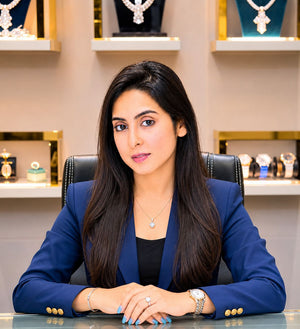
Author Bio
Aumsri Pradhan
Founder, Ivevar Luxury
Aumsri Pradhan is the founder of Ivevar Luxury, a Surat-based fine jewelry brand that designs and handcrafts lab grown diamond and moissanite jewelry in its own workshop. She leads the brand's design and customer experience, from engagement rings and bridal sets to custom pieces made to each client's story. Through the Ivevar blog, she shares practical guidance on lab grown diamonds, moissanite, diamond grading and ring design to help buyers choose with confidence.


