

 Engagement Rings
 Anniversary Rings
 Solitaire Rings
 Halo Rings
 Toi Moi Rings
 Three Stone Rings
 Nature Inspired Rings
 Rose Cut Rings
 Fancy Color Rings
 Antique Cut Rings
 Wedding Rings
 Wedding Band Rings
 Exclusive Lab Grown Diamond Rings
 All Lab Grown Diamond Ring
 Engagement Rings
 Three Stone Rings
 Fancy Color Rings
 Antique Cut Rings
 Daily Wear Rings
 Wedding Band Rings
 Exclusive Moissanite Rings
 Earrings
 Bracelet
 Pendant
 Necklace
 Men's Ring
 Bridal Sets
 Rings
 Earrings
 Tennis chain
 Cuban Chains
 Custom Pendant
 Custom Ring
 Custom Teeth Grillz
 Round
 Oval
 Cushion
 Marquise
 Pear
 Emerald
 Heart
 Princess
 Rose Cut
 Radiant
 Antique Cut
 Brooch
 Cufflink
 Keychain
 Unique Products
 +91-9265051773
 Virtual Appointment
 log in




Lab Grown Diamond Color Grades: Is G Color Good Enough?
by Aumsri Pradhan on Sep 28, 2026
Quick answer: Yes, G color is good enough for most lab grown diamonds. G is a near-colorless grade, and once the diamond is set, most people cannot tell it apart from a colorless D, E or F stone without comparing them side by side under controlled lighting. It is one of the smartest ways to save money without giving up a bright, white look.
Here is how the color scale works, when G is the perfect choice, and when you might want to go higher.
Shop the styles in this guide


How Diamond Color Grades Work
White diamonds are graded on a scale from D (completely colorless) to Z (noticeable yellow or brown tint). The differences between neighboring grades are very small and are judged by trained graders looking at the stone face-down against a white background.
| Grades | Category | What you see face-up |
|---|---|---|
| D, E, F | Colorless | Icy white |
| G, H | Near colorless | White to most eyes |
| I, J | Near colorless | White with a hint of warmth, especially in larger stones |
| K and lower | Faint color | Visible warmth |
When G Color Is the Perfect Choice
- Round and brilliant-cut shapes. Rounds, ovals, cushions and radiants return lots of light, which helps hide slight color.
- Stones up to about 2 carats. In this range, a G looks white on the hand.
- Yellow or rose gold settings. Warm metal makes any faint tint almost impossible to see.
- Everyday jewelry. Pendants, studs and tennis pieces are viewed from a distance, where G reads as fully white.
When to Consider E or F Instead
- Large stones. Above roughly 2 to 3 carats, color becomes easier to notice, so F or better can be worth it.
- Step cuts. Emerald and Asscher cuts show color more because they have fewer sparkling facets.
- White gold or silver. Bright white metal can make faint warmth easier to see next to it.
- If icy white matters to you. Some people simply love a D to F look, and lab grown prices make it easier to reach.
 Shown: 3.00 Ct Round Brilliant Cut Lab Grown Diamond
Why Diamonds Show Any Color at All
A perfectly pure diamond made only of carbon would be colorless. In practice, tiny amounts of other elements and small irregularities in the crystal give most diamonds a faint body color. In mined diamonds, nitrogen is the usual cause of a yellowish tint.
Lab grown diamonds follow the same rules because they are the same material: carbon, 10 on the Mohs scale, with a refractive index of about 2.42. Growers control the conditions inside the CVD or HPHT chamber closely, and many CVD diamonds receive a heat treatment after growth to improve their color. That is why so many lab grown stones land in the colorless and near colorless range. The color grade on the report already reflects any treatment, and the result is permanent.
How Shape Changes What G Color Looks Like
Color does not show equally in every shape. Facet pattern decides how much light bounces around the stone, and points or corners can collect color where the stone is deepest. Use this as a quick guide when you decide whether G is enough.
| Shape | How it shows color | Is G usually enough? |
|---|---|---|
| Round brilliant | Hides color best thanks to its many facets and strong light return | Yes, and H often works too |
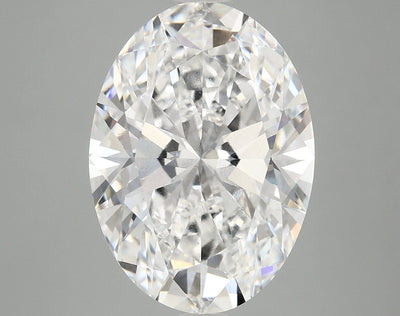
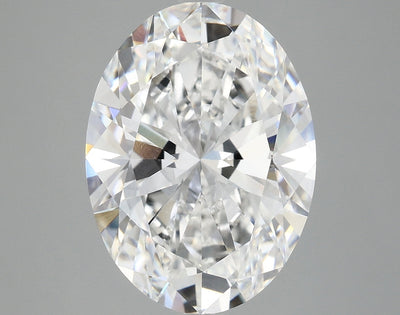
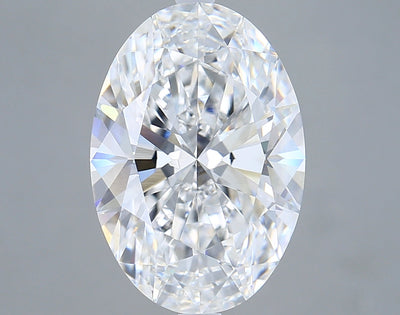
| Oval | Brilliant faceting hides color well; a slight tint can collect at the ends | Yes |
| Cushion | Larger facets and a deeper body can show warmth, especially in elongated cushions | Yes in most sizes; consider F or G for large stones |
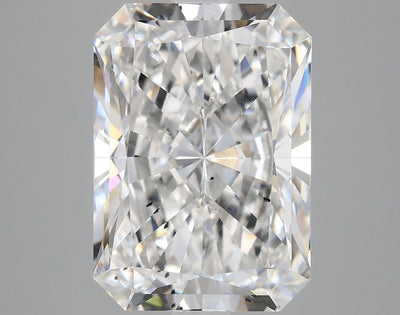
| Radiant and princess | Brilliant faceting masks color; corners can look slightly warmer | Yes |
| Pear and marquise | Color tends to gather in the point or points | Yes; look closely at the tips in photos |
| Emerald and Asscher | Open step-cut facets act like a window, so body color is easier to see | Often F or better for larger stones |
If you love step cuts, our emerald cut lab grown diamond guide goes deeper into how color and clarity behave in that shape.
How Carat Size Changes the Color Decision
A bigger diamond has more material for light to travel through, so a faint tint has more chance to show. That is why the same G grade can look crisp in a small pendant and slightly softer in a large center stone.
- Under 1 carat. G, H and often I look white, especially once set. Color is rarely the deciding factor at this size.
- 1 to 2 carats. G is the comfortable middle ground. It looks white in almost any metal and keeps budget available for cut and size.
- 2 carats and up. Color becomes easier to notice in profile and in step cuts. Many buyers move to F or E here, or stay at G in a brilliant shape set in yellow or rose gold.
Viewing angle matters too. Face-up, a diamond returns light that masks color, but from the side you look through more of the stone. If your ring sits low and is mostly seen from above, a G will read as white in every size. A tall setting that shows the stone in profile makes a higher grade more worthwhile on large stones.
G vs H vs F: How Much Difference Can You See?
Very little. Adjacent color grades are almost impossible to tell apart face-up in normal light. The difference between G and F is mostly visible on a grading report and in the price. A well-cut G diamond will often look brighter than a poorly cut D, because sparkle distracts the eye from color. That is why we always say: cut first, then color.
Does Color Matter Less for Lab Grown Diamonds?
The grading scale is the same for lab grown and mined diamonds, and a G looks the same whether it was grown or mined. The difference is price: because lab grown diamonds cost less, the step up from G to E is smaller in dollars. Some buyers use that to go whiter; others keep G and put the savings into more carat weight.
Metal Color and the Right Color Grade
The metal around a diamond reflects into it. White metals keep a colorless look honest, while warm metals add their own glow, which hides a hint of tint. Choose the metal first and the color grade second.
| Metal | Effect on the diamond | Sensible color range |
|---|---|---|
| 925 sterling silver | Bright and cool, close to the look of white gold | F to H |
| White gold (10K to 18K) | Crisp white frame that makes colorless stones pop and can reveal slight warmth | D to H |
| Yellow gold (10K to 18K) | Warm reflections that blend with near colorless stones | G to J |
| Rose gold (10K to 18K) | Pink warmth that softens and hides faint tint | G to J |
A popular middle path is a two-tone ring: a white gold head holding the center stone on a yellow or rose gold band. The white prongs keep the diamond looking bright while the band gives you the warm color you like.
Setting Style and How White a G Looks
Solitaire prongs
A simple prong setting lets light in from all sides and shows the diamond's true color. G works beautifully here in brilliant shapes.
Halo settings
A ring of small diamonds around the center frames it and adds sparkle. Keep the halo stones close in color to the center. If the halo is much whiter, the center can look slightly warmer by contrast. Browse lab diamond halo rings to see how the frame changes the look.
Three-stone and side-stone rings
In a three-stone ring, the side stones should match the center as closely as possible. A G center with G or H sides reads as one even, white line across the finger.
Bezel settings
A metal rim around the stone reflects its own color strongly. A white gold bezel keeps a G looking white; a yellow gold bezel will warm it, which many people like.
Shop the styles in this guide


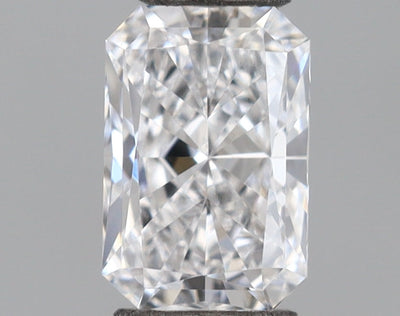
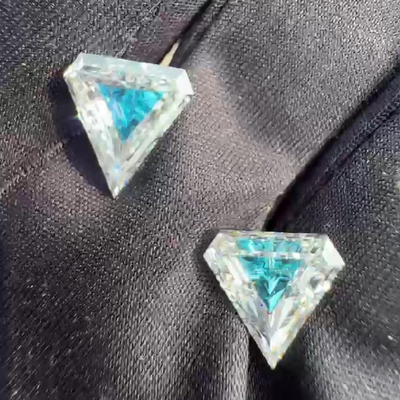
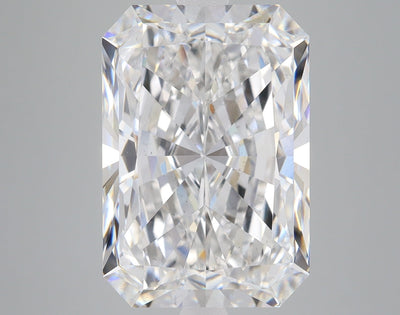


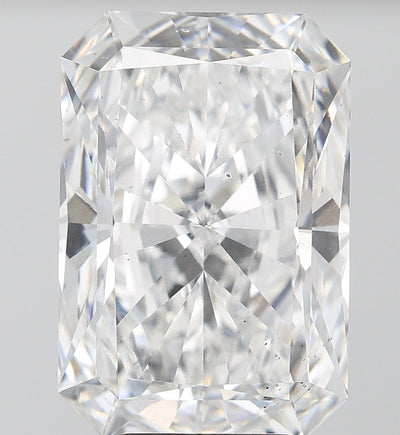

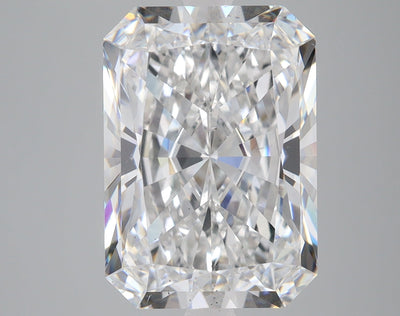


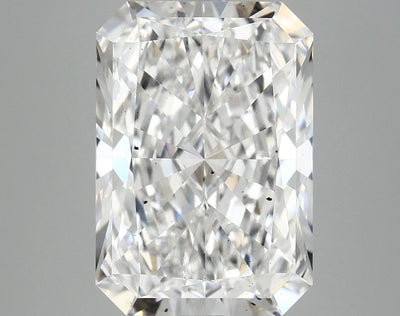
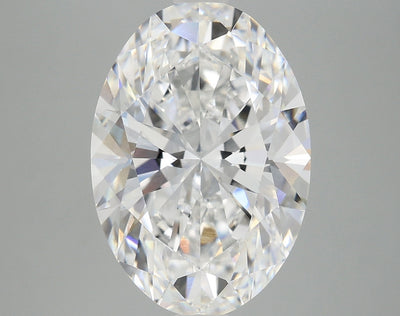
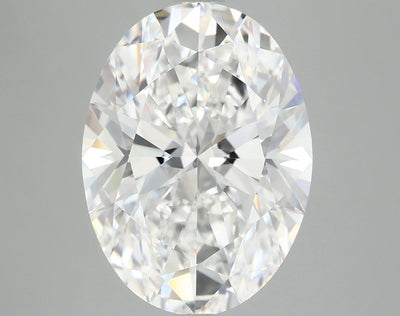
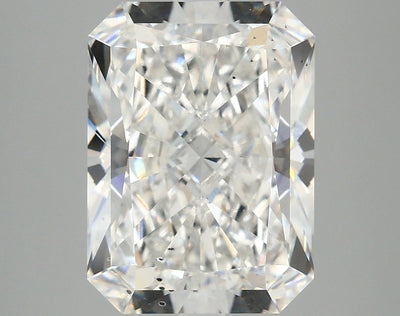

G Color in Different Kinds of Jewelry
- Engagement rings. The piece people look at most closely. G is a strong choice for brilliant shapes up to around 2 carats.
- Wedding and eternity bands. Small stones show very little color, so the priority is consistency from stone to stone. Pair your band with your engagement ring's color range; see our lab grown diamond wedding bands.
- Stud earrings. Studs are seen from conversation distance, so G or H looks white. What matters most is that both stones match.
- Pendants. A solitaire pendant sits against skin and fabric, which hides faint color. G is plenty for most sizes.
- Tennis chains and hip hop pieces. Dozens of small stones viewed together read as white as long as they are consistent. Uniform color matters more than a high grade on any single stone.
Lab Grown vs Mined vs Moissanite: How Color Compares
A G color lab grown diamond and a G color mined diamond are graded on the same D to Z scale and look the same. The difference is cost, which lets lab grown buyers reach higher grades or larger sizes for the same spend.
Moissanite is a different gem. It is silicon carbide, rates about 9.25 on the Mohs scale and has a refractive index of about 2.65, so it throws more colorful fire than diamond. It is not graded on the diamond color scale by IGI or GIA, and sellers usually describe its color in their own terms. In larger sizes and certain lighting, some moissanite can show a faint gray or yellow-green cast. If you are weighing the two, our moissanite vs lab grown diamond vs diamond page lays out the differences.
How Color Grade Affects Cost
Each step up the color scale costs more, and the jump into the colorless D, E and F grades is usually the steepest. Because you cannot see much difference between neighboring grades once a stone is set, color is one of the easiest places to save.
Color also interacts with the other Cs. Moving from G to E in a small stone may cost little, while the same move in a large stone costs more. The smart trade is to set a target for cut quality first, then compare what each extra color step would cost against a little more carat weight or a better setting. Our guide to lab grown diamond cut grades explains why cut deserves the first share of the budget.
Will a G Color Lab Grown Diamond Change Over Time?
No. A lab grown diamond does not turn yellow, cloudy or dull with age. Its color is fixed in the crystal. If your diamond starts looking less white, the cause is almost always a film of lotion, soap or skin oil on the back of the stone, which traps light and can make it look warmer.
Soak the piece in warm water with a drop of mild dish soap, brush gently behind the stone with a soft toothbrush, rinse and pat dry. A quick clean every week or two keeps a G looking as bright as the day you bought it. Our jewelry care guide has more tips by metal.
Color Mistakes to Avoid
- Paying for D when the setting is yellow gold. The metal warms the look anyway, so the extra grades are hard to see.
- Choosing a low color for a large emerald cut. Step cuts show body color, and size makes it easier to see.
- Comparing color under jewelry-store spotlights only. Look at photos or video in daylight and in normal indoor light too.
- Mismatching side stones. A whiter halo or side stones can make the center look warmer than its grade.
- Trading cut for color. A well-cut G will outshine a poorly cut D. Lock in cut quality first.
- Comparing grades across different labs without checking. GIA now gives lab grown diamonds Premium or Standard tiers instead of letter grades, so compare like with like. Our IGI vs GIA certificate guide explains the difference.
Step-by-Step: Choosing the Right Color Grade
- Pick your shape. Brilliant shapes give you more room to go lower on color than step cuts.
- Pick your metal. White metals suit D to H; yellow and rose gold suit G to J.
- Set your size range. Bigger stones benefit from a grade or two higher.
- Lock in the best cut you can, then start your color search at G.
- Compare G with one grade above and one below in photos or video under natural light.
- Check the color on the grading report and confirm it matches the listing.
- For rings with side stones, earrings or bands, make sure all the stones match each other.
Who G Color Suits Best
G is ideal for buyers who want a white, bright diamond and would rather spend on cut, size or design than on grades they cannot see. It suits round, oval, cushion, radiant, pear and princess shapes in almost any metal.
Go higher, to E or F, if you are buying a large step cut, you want an icy look in white gold or sterling silver, or you simply want the top of the scale.
Go lower, to H or I, if you are setting a brilliant shape in yellow or rose gold and want to put more of your budget into carat weight.
Choosing Color at Ivevar
We handcraft every piece in our Surat workshop and ship worldwide with free shipping and 30-day easy returns. For certified stones, the IGI report lists the exact color grade, and we share photos or a video before your order ships so you can see the stone in real light. Browse round lab grown diamonds or lab grown diamond pendants.
Shop Round Lab Grown Diamonds and Pendants
 3.00 Ct Round Brilliant DiamondShop Now
 5.02 Ct Round, F Color, VVS2Shop Now
 Round Six Prong Solitaire PendantShop Now
 Round Solitaire V Bail PendantShop Now
 Round Double Prong PendantShop Now
 Round Partial Bezel PendantShop Now
Swipe to see more → | View all loose lab grown diamonds
Frequently Asked Questions
Is G color considered white?
Yes. G is near colorless and looks white to almost everyone once it is set.
Is H color good for an engagement ring?
Yes, especially in yellow or rose gold and in sizes up to about 1.5 to 2 carats.
Should I pay more for D color?
Only if an icy look matters to you. Most people cannot see the difference between D and G face-up.
Does fluorescence affect color?
Faint to medium fluorescence rarely affects appearance. Very strong fluorescence can occasionally make a stone look hazy, so check photos or ask us.
Is G color good enough for an emerald cut?
In smaller sizes, yes. For larger emerald or Asscher cuts, consider F or better, because step cuts let you see more of the body color.
Can a lab grown diamond turn yellow over time?
No. The color is permanent. If it looks warmer, it needs a clean, because oil and dirt on the back of the stone dull it.
What color should side stones or a wedding band be?
Match them to your center stone as closely as you can. With a G center, side stones and band stones in the G to H range blend in naturally.
Does G color look different on an IGI or GIA report?
A G is a G on the D to Z scale. GIA now issues Premium or Standard tiers for new lab grown reports instead of letter grades, so you will usually see the exact color on an IGI report.
The Bottom Line
G color is a sweet spot for lab grown diamonds: white to the eye and better value than colorless grades. Choose a great cut first, then pick G or higher based on size, shape and metal color.
Related Guides
- How to buy a lab grown diamond: a simple buying guide
- Lab grown diamond stud earrings guide
- Styling lab grown diamond pendants

Author Bio
Aumsri Pradhan
Founder, Ivevar Luxury
Aumsri Pradhan is the founder of Ivevar Luxury, a Surat-based fine jewelry brand that designs and handcrafts lab grown diamond and moissanite jewelry in its own workshop. She leads the brand's design and customer experience, from engagement rings and bridal sets to custom pieces made to each client's story. Through the Ivevar blog, she shares practical guidance on lab grown diamonds, moissanite, diamond grading and ring design to help buyers choose with confidence.


