Engagement Rings
 Anniversary Rings
 Solitaire Rings
 Halo Rings
 Toi Moi Rings
 Three Stone Rings
 Nature Inspired Rings
 Rose Cut Rings
 Fancy Color Rings
 Antique Cut Rings
 Wedding Rings
 Wedding Band Rings
 Exclusive Lab Grown Diamond Rings
 All Lab Grown Diamond Ring
 Engagement Rings
 Three Stone Rings
 Fancy Color Rings
 Antique Cut Rings
 Daily Wear Rings
 Wedding Band Rings
 Exclusive Moissanite Rings
 Earrings
 Bracelet
 Pendant
 Necklace
 Men's Ring
 Bridal Sets
 Rings
Rings
 Earrings
 Tennis chain
 Cuban Chains
 Custom Pendant
 Custom Ring
 Custom Teeth Grillz
 Round
Round
 Oval
Oval
 Cushion
 Marquise
 Pear
Pear
 Emerald
 Heart
Heart
 Princess
 Rose Cut
 Radiant
 Antique Cut
 Brooch
 Cufflink
 Keychain
 Unique Products
 +91 9265051773
 Virtual Appointment
 log in



Lab Grown Diamond Necklaces & Pendants: Styles and Prices
by Ankit Koshiya on Sep 29, 2026

Short answer: Lab grown diamond necklaces and pendants span from delicate 0.25-carat solitaires to dramatic multi-carat drops — all at 60–80% below mined prices. A classic 1-carat solitaire pendant in gold typically costs $500–$1,200, where the mined version runs several times higher. Choose solitaire pendants for timeless versatility, halo or cluster designs for extra presence, and consider chain quality as carefully as the diamond: a beautiful pendant on a flimsy chain is a heartbreak waiting to happen.
- ✓ Solitaire pendants are the classic. One diamond on a fine chain — timeless, versatile, and the best value per carat.
- ✓ The chain matters enormously. Buy a solid, well-made chain (cable, box, or rope) — never let a fine pendant hang on a fragile one.
- ✓ 1 carat is the sweet spot. Visible and elegant on the neckline; lab grown pricing makes 1–2 carats genuinely attainable.
- ✓ Length changes the look. 16–18 inches sits at the collarbone; 20+ inches layers beautifully.
- ✓ Certify the center stone. Solitaires of 0.50 ct and up deserve IGI or GIA reports, just like any diamond purchase.
The Main Pendant Styles
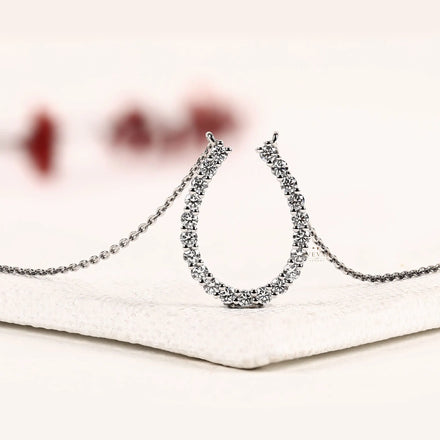
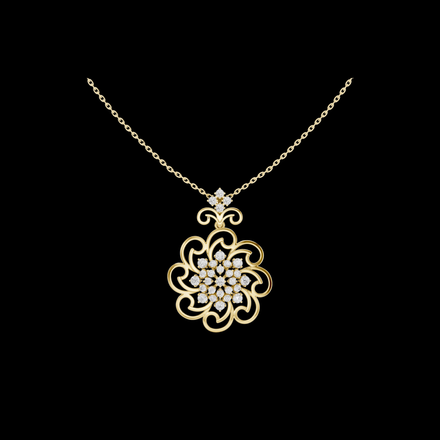
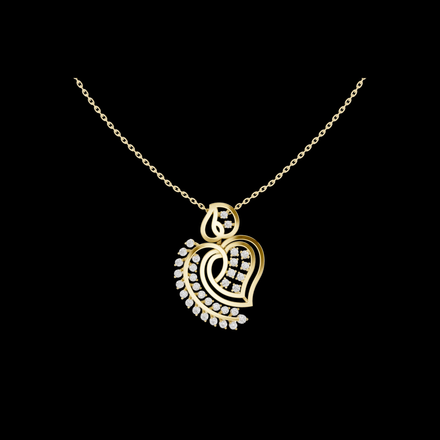
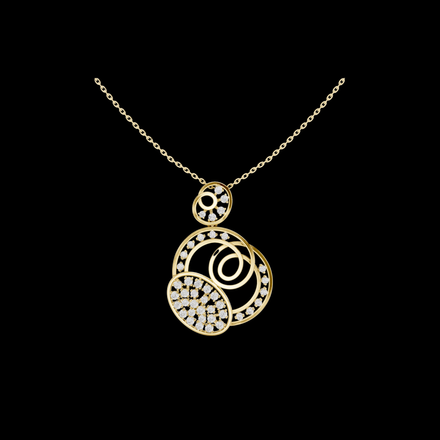
Solitaire pendants — a single diamond suspended from a chain — are the category's foundation. Clean, brilliant, and appropriate everywhere, they are also where lab grown value shines brightest: the entire budget goes into one beautiful stone. Halo pendants ring the center stone with smaller diamonds for extra presence, a smart way to amplify a modest carat weight.
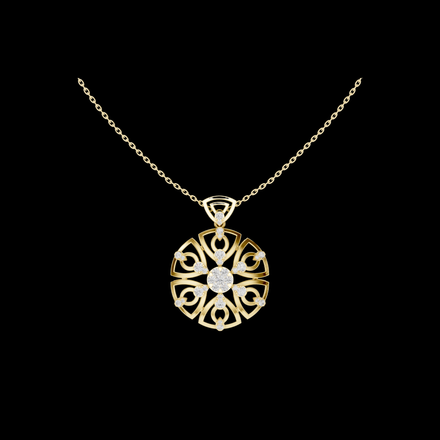
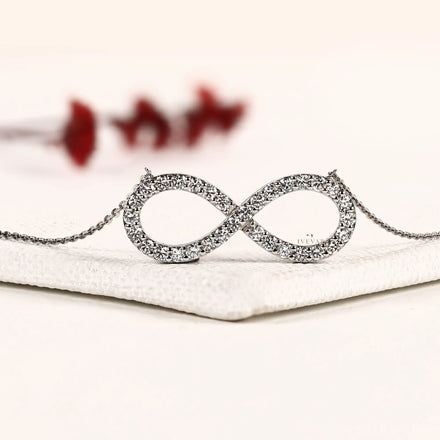
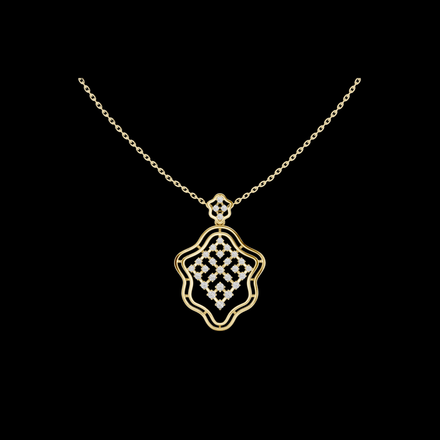
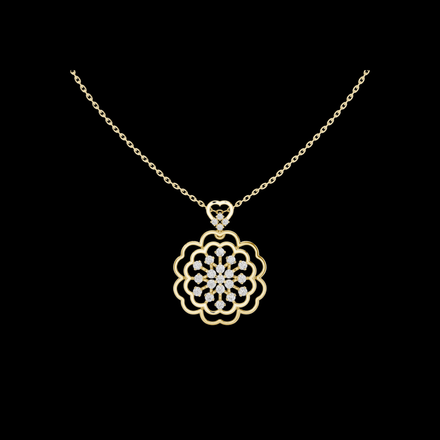
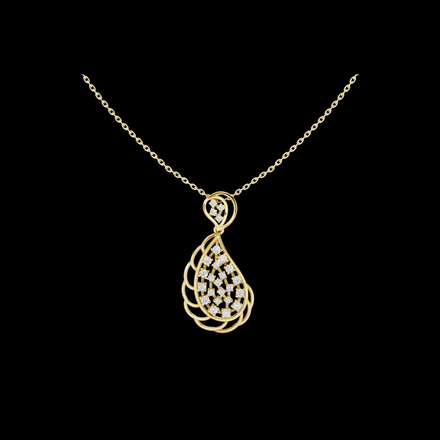
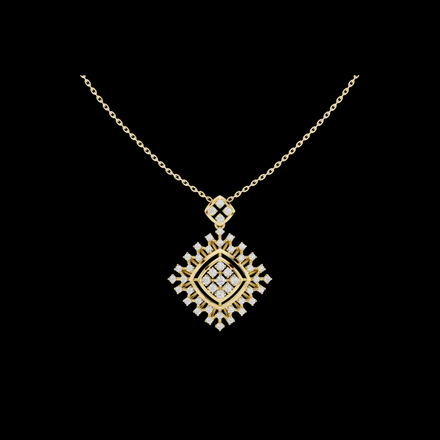
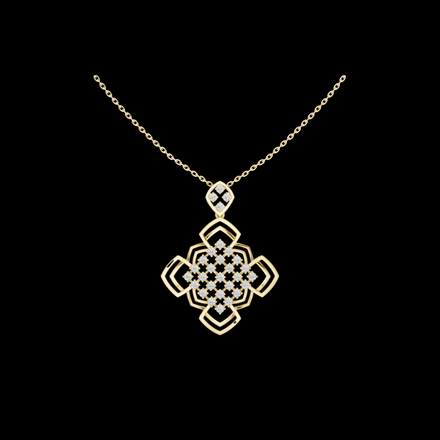
Cluster and floral pendants arrange multiple stones into decorative shapes, delivering big look for less money. Drop pendants — pear, marquise, or oval stones suspended below a smaller accent — bring evening drama. Three-stone pendants echo the classic ring design with symbolic past-present-future meaning. And fashion pendants — hearts, crosses, initial motifs, evil eyes — set lab diamonds into personal, expressive designs.
What Lab Grown Diamond Necklaces Cost in 2026
Pricing follows the center stone plus craftsmanship. As a broad guide for 14k gold pieces: 0.25–0.50 ct solitaire: $250–$600. 1.00 ct solitaire: $500–$1,200. 2.00 ct solitaire: $1,000–$2,200. Halo and cluster designs add $200–$600 for the accent diamonds and extra labor. Tennis-style diamond necklaces (a full line of stones, like the bracelet's grand sibling) run from around $2,000 for modest carat weights upward.
The mined comparison remains stark at every level — expect to pay three to five times more for equivalent mined pieces. That gap is why lab grown has made the "one-carat pendant," long an aspirational milestone, an everyday purchase.

Chains: The Overlooked Half of the Purchase
Buyers obsess over the diamond and ignore the chain — a mistake. The chain carries the pendant's full weight, takes daily friction against skin and clothing, and is the component most likely to fail. Cable chains (classic oval links) are sturdy and timeless. Box chains (square links) are strong, sleek, and tangle-resistant. Rope chains add texture and strength.
What matters: solid (not hollow) links, a substantial feel for the pendant's weight, and a secure clasp — lobster or spring ring of appropriate size. As a rule, the chain should cost enough to take seriously; a $30 chain under a $1,000 pendant is false economy. Ask whether the chain is included or separate, and what it is made of — many "gold" chains at low prices are merely plated.
| Style | Best for | Typical lab grown price (14k gold) |
|---|---|---|
| Solitaire pendant | Timeless everyday elegance | $250–$2,200 by carat |
| Halo pendant | Maximum presence per carat | $500–$2,500 |
| Drop pendant | Evening drama, special occasions | $600–$2,500 |
| Diamond tennis necklace | Ultimate statement piece | $2,000+ |
Length, Layering, and Styling
Length transforms a necklace. 16 inches sits at the base of the neck — chic with higher necklines. 18 inches, the standard, rests at the collarbone and suits nearly everything. 20–24 inches falls below the collarbone, ideal for layering and lower necklines. Adjustable chains (with length options built in) are worth seeking out for versatility.
Layering is 2026's defining necklace trend: combine two or three chains of different lengths — say a 16" solitaire, an 18" pendant, and a 20" chain. Vary textures (a box chain with a rope chain) and keep pendants graduated in size so the eye travels downward. One caution: diamonds scratch other jewelry, so give diamond pendants their own layer rather than letting them grind against bare chains.

Buying and Caring Tips
Certify meaningful stones. Solitaires of half a carat and up should carry IGI or GIA reports — the same standard as any diamond purchase. Check the bail (the loop connecting pendant to chain): it should be sturdy, well-soldered, and sized to the chain. Confirm the chain's composition — solid gold versus plated makes an enormous difference in longevity.
For care, necklaces need less maintenance than rings but more than you would think: skin oils and perfume dull diamonds steadily. Soak periodically in warm soapy water, brush gently, and rinse. Store flat or hanging — never in a tangled pile — and clasp chains before storing so they do not knot. A yearly professional check keeps prongs tight and the piece brilliant for decades.
Shop Our Best Sellers


Swipe to see more → | View all best sellers
Frequently Asked Questions
How much is a 1 carat lab grown diamond pendant?
A 1-carat solitaire pendant in 14k gold typically costs $500–$1,200 including the chain. The equivalent mined diamond pendant runs several times higher.
What is the most popular diamond pendant style?
The solitaire pendant remains the bestseller — timeless and versatile. Halo pendants and layered looks are the strongest 2026 trends.
What chain is best for a diamond pendant?
Cable, box, and rope chains in solid gold are the reliable choices. Make sure the chain is substantial enough for the pendant's weight and has a secure clasp.
What length necklace should I get?
18 inches is the versatile standard, sitting at the collarbone. Choose 16" for a choker effect or 20"+ for layering and lower necklines.
Should my diamond pendant be certified?
Yes for center stones of 0.50 ct and up — insist on an IGI or GIA report confirming lab grown origin and grades, exactly as with any diamond.
Can I wear a diamond pendant every day?
Absolutely. Pendants take less abuse than rings, so they are ideal daily pieces. Remove before swimming and heavy workouts to protect the chain and setting.
How do I stop necklaces from tangling when layered?
Use different lengths (at least 2" apart), vary chain textures, and consider a layering clasp that keeps multiple chains separated and tangle-free.
Sources
- Gemological Institute of America (GIA)
- International Gemological Institute (IGI)
- JCK — Jewelry Industry News
- Beyond 4Cs — Lab Diamond Education

Aumsri Pradhan is the founder of Ivevar Luxury, a Surat-based fine jewelry brand that designs and handcrafts lab grown diamond and moissanite jewelry in its own workshop. She leads the brand's design and customer experience, from engagement rings and bridal sets to custom pieces made to each client's story. Through the Ivevar blog, she shares practical guidance on lab grown diamonds, moissanite, diamond grading and ring design to help buyers choose with confidence.