

 Engagement Rings
 Anniversary Rings
 Solitaire Rings
 Halo Rings
 Toi Moi Rings
 Three Stone Rings
 Nature Inspired Rings
 Rose Cut Rings
 Fancy Color Rings
 Antique Cut Rings
 Wedding Rings
 Wedding Band Rings
 Exclusive Lab Grown Diamond Rings
 All Lab Grown Diamond Ring
 Engagement Rings
 Three Stone Rings
 Fancy Color Rings
 Antique Cut Rings
 Daily Wear Rings
 Wedding Band Rings
 Exclusive Moissanite Rings
 Earrings
 Bracelet
 Pendant
 Necklace
 Men's Ring
 Bridal Sets
 Rings
 Earrings
 Tennis chain
 Cuban Chains
 Custom Pendant
 Custom Ring
 Custom Teeth Grillz
 Round
 Oval
 Cushion
 Marquise
 Pear
 Emerald
 Heart
 Princess
 Rose Cut
 Radiant
 Antique Cut
 Brooch
 Cufflink
 Keychain
 Unique Products
 +91-9265051773
 Virtual Appointment
 log in




Oval Lab Grown Diamonds: Ratio, Bow Tie and Size Guide
by Aumsri Pradhan on Sep 28, 2026
Quick answer: When choosing an oval lab grown diamond, focus on three things: a length-to-width ratio you like (1.35 to 1.50 is the most popular range), a light and faint bow tie rather than a dark one, and Excellent polish and symmetry. Because ovals do not get an official cut grade, real photos or video are the best way to judge their sparkle.
Ovals are one of the most popular lab grown diamond shapes in the US because they look larger than rounds of the same weight and flatter the hand. Here is how to pick a great one.
Shop the styles in this guide


Oval Length-to-Width Ratio
The ratio is the stone's length divided by its width. It controls how slim or wide the oval looks.
| Ratio | Look | Who it suits |
|---|---|---|
| 1.25 to 1.35 | Wider, softer oval | Those who want a gentle, near-round look |
| 1.35 to 1.50 | Classic oval | Most buyers; balanced and elegant |
| 1.50 to 1.70 | Long, slim oval | Longer fingers or a dramatic, elongating look |
You can calculate the ratio from the measurements on the IGI report: for example, 9.0 x 6.4 mm is a 1.41 ratio.
How ratio changes the look on your hand
Ratio is the single biggest style decision with an oval. A longer stone covers more of the finger from knuckle to knuckle, which makes fingers look longer and slimmer. A wider stone covers more of the finger side to side and reads closer to a round, with a softer outline.
- Short or wide fingers: A ratio of 1.45 to 1.60 adds length and keeps the stone from looking squat.
- Long, slim fingers: Almost any ratio works. A 1.30 to 1.45 stone keeps the stone from overhanging the sides of the finger.
- East-west settings: When the oval sits sideways, a lower ratio around 1.30 to 1.40 usually looks more balanced than a very long stone.
- Halo settings: A halo adds a border around the stone and slightly lowers the visual ratio, so some buyers choose a slightly longer stone to keep the elongated look.
Ratio also affects the bow tie. Longer, slimmer ovals tend to show a more pronounced bow tie than wider ones, so if you love a 1.60 look, pay extra attention to photos and video.
What Is the Bow Tie Effect?
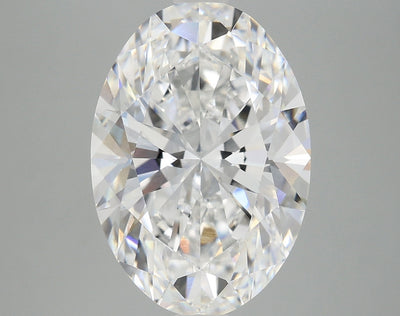
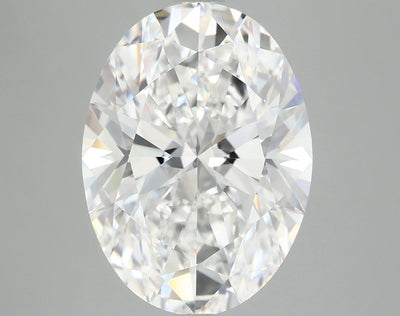
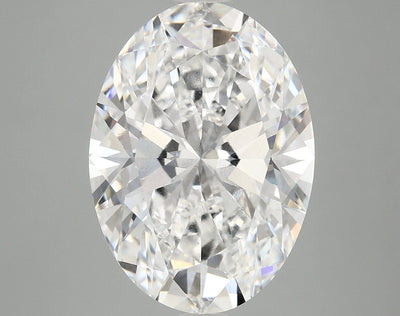
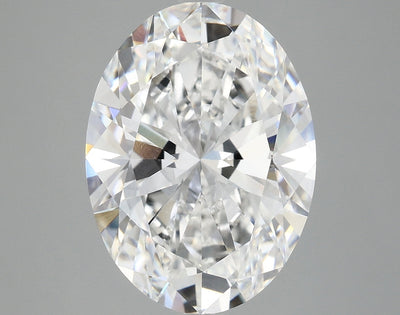
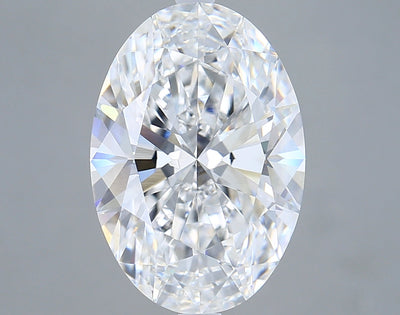
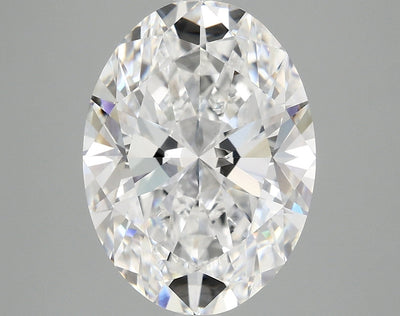
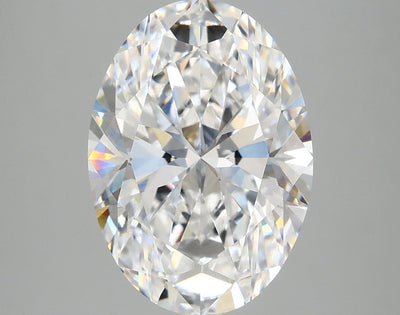
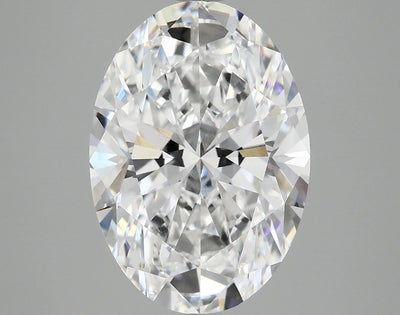
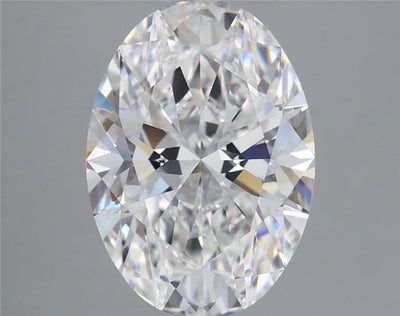
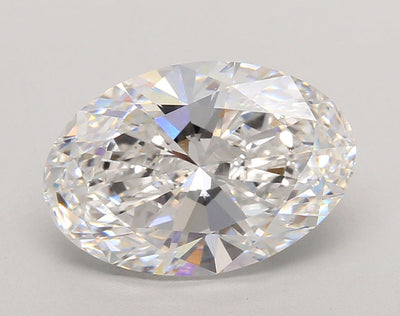
Many ovals show a darker area across the center shaped like a bow tie. It happens where light does not reflect back as strongly. Almost every oval has some bow tie; what matters is how noticeable it is.
- Faint or light bow tie: adds contrast and depth. Good.
- Dark, heavy bow tie: looks like a black band and dulls the stone. Avoid.
A grading report does not describe bow ties, so always check a photo or video, ideally showing the stone moving.
Why the bow tie appears
An oval is cut with the same brilliant faceting idea as a round, but stretched. Because the stone is longer in one direction, the pavilion facets under the center sit at slightly different angles along the width than along the length. In the zone across the width, some light leaks out of the bottom or is blocked by the viewer's own head, and that zone looks darker. The result is the familiar two-triangle shape across the middle.
How to judge a bow tie from photos and video
- Look at the stone face-up in a still image. A light gray bow tie that blends into the sparkle is fine; a solid black band is not.
- Watch a video of the stone rocking side to side. A good bow tie flickers and changes; a poor one stays dark from every angle.
- Compare photos in diffused light and in direct light. Bow ties look strongest in diffused office light, so judge it there.
- If a reflector or light-performance image is available, look for even, bright return across the center rather than a large dark zone.
Other oval cut issues to check
- Window: A washed-out, see-through patch in the center, caused by a pavilion that is too shallow. It makes the stone look glassy rather than bright.
- Outline symmetry: Fold the stone in half in your mind, lengthwise and widthwise. Both halves should mirror each other, with no flat spot or lopsided end.
- Shoulders: The curves near the ends should be smooth and full. Very flat or very high shoulders make the oval look pointed or boxy.
- Depth: Very deep ovals hide weight in the pavilion, so they face up smaller than their carat weight suggests.
How Big Does an Oval Look?
| Carat | Approx. size (1.40 ratio) |
|---|---|
| 1 ct | about 7.7 x 5.5 mm |
| 1.5 ct | about 8.8 x 6.3 mm |
| 2 ct | about 9.7 x 6.9 mm |
| 3 ct | about 11.1 x 7.9 mm |
Sizes vary with depth and ratio. A well-cut oval looks noticeably larger face-up than a round of the same weight.
Oval vs Other Diamond Shapes
Ovals are often shortlisted alongside rounds, pears, elongated cushions and emerald cuts. Here is how they compare for shoppers deciding on a center stone.
| Shape | Face-up size for the weight | Sparkle style | Durability notes |
|---|---|---|---|
| Oval | Larger than a round | Brilliant, lively, may show a bow tie | No points or corners, very wearable |
| Round | Baseline | Most consistent brilliance, no bow tie | No points, very wearable |
| Pear | Larger than a round | Brilliant, can show a bow tie | Point needs a V-prong for protection |
| Elongated cushion | Similar to a round or slightly smaller | Soft, chunky or crushed-ice sparkle | Rounded corners, wearable |
| Emerald | Similar to a round | Step-cut flashes, hall-of-mirrors look | Cut corners protect the stone; clarity shows more |
If you are torn between an oval and a step cut, our emerald cut lab grown diamond guide covers the other side of the comparison. To see how different carat weights look on a real finger, read lab grown diamond carat size on hand.
Lab grown, mined or moissanite oval?
An oval lab grown diamond is real diamond: carbon, 10 on the Mohs scale, refractive index about 2.42, and identical in appearance to a mined oval. Only laboratory equipment can tell which is which, and the bow tie behaves the same way in both. An oval moissanite is silicon carbide, 9.25 on the Mohs scale, with a refractive index of about 2.65, so it shows more rainbow fire. Our moissanite vs lab grown diamond vs diamond page compares them in detail.
 Shown: 1.03 Ct Oval Cut Fancy Vivid Blue Lab Grown Diamond, VS2, IGI Certified
Best Color and Clarity for Ovals
- Color: ovals can show a little more color at the tips, so G or better works well in white metal; H is fine in yellow or rose gold.
- Clarity: VS2 is usually eye-clean in a brilliant-cut oval.
- Depth: around 58% to 63% often looks balanced; very deep ovals look smaller for their weight.
Reading the Grading Report for an Oval
Both IGI and GIA grade lab grown diamonds, and a report is the starting point for comparing ovals. Because fancy shapes do not receive an overall cut grade, you need to read the details yourself.
| Report item | What to look for |
|---|---|
| Measurements | Length x width x depth in millimeters. Divide length by width to get the ratio. |
| Depth percentage | Around 58% to 63% for a balanced look; much deeper stones face up smaller. |
| Table percentage | Commonly in the mid-50s to mid-60s for ovals; compare with the photos rather than chasing one number. |
| Polish and symmetry | Excellent or Very Good. Symmetry matters a lot for an oval outline. |
| Girdle | Thin to slightly thick is typical. An extremely thin girdle is more prone to chipping. |
| Growth method and inscription | Lab reports identify the stone as laboratory grown and usually note a laser inscription on the girdle. |
For more on how the two main labs differ, see IGI vs GIA lab grown diamond certificates.
Best Settings for an Oval Diamond
- Solitaire: shows off the outline; a classic for engagement rings.
- Hidden halo: adds sparkle under the stone while keeping a clean top view.
- East-west: the oval sits sideways for a modern look.
- Four vs six prongs: six prongs add security; four show more of the stone.
Prongs, profile and wedding bands
Ovals have no sharp points, so they do not need V-prongs. A four-prong setting with prongs placed at the diagonals shows the most outline, while a compass setting puts prongs at north, south, east and west for a modern look. Six prongs hold larger stones more securely. A low or medium profile makes the ring easier to wear daily and helps a straight wedding band sit closer. If you prefer a high setting, a contoured band will close the gap. Browse lab diamond solitaire rings for classic oval settings, or lab diamond halo rings if you want extra sparkle around the stone.
Fancy Color Oval Lab Grown Diamonds
Ovals are one of the best shapes for colored lab grown diamonds. Their brilliant faceting bounces light through the stone many times, which tends to deepen and spread the face-up color more evenly than step cuts like the emerald. That is why many blue, pink and green lab diamonds are cut as ovals.
- Color intensity: Colored diamonds are described with terms such as Fancy, Fancy Intense and Fancy Vivid. Vivid is the strongest and most saturated.
- How the color is produced: Color in lab diamonds comes from trace elements during growth or from post-growth treatment; the report states this.
- Bow tie and color: In a colored oval, a bow tie can read as a darker shade of the color rather than gray. A light, even tone across the face is the goal.
- Clarity matters less: Saturated color masks small inclusions, so color evenness deserves more attention than clarity grade.
Getting the Ring Size Right
An oval on a solitaire band does not change your ring size, but a wide band, a halo with pave down the shank or a hidden halo can make a ring feel snugger. Measure at the end of the day, when fingers are slightly larger, and check against our ring size chart. Because each Ivevar ring is made to order, confirm the size before you place the order.
Shop the styles in this guide






Choosing the Metal for an Oval Ring
Ivevar sets stones in 925 sterling silver and in 10K, 14K and 18K gold. White gold makes a colorless oval look icy and bright and is the best choice if you want the stone to look as white as possible. Yellow and rose gold add warmth around the stone, which helps an H color oval look whiter and suits vintage-inspired designs. A common approach is a yellow gold band with white gold prongs, which keeps the stone looking crisp while giving the ring a warm feel. For daily wear, 14K offers a good balance of durability and color.
What Affects the Cost of an Oval Lab Diamond
- Carat weight: The biggest factor. Prices rise noticeably at popular weights such as 1, 1.5 and 2 carats.
- Color and clarity: Higher grades cost more, but ovals hide small inclusions well, so VS2 is often a sensible choice.
- Cut quality and light performance: A well-cut oval with a faint bow tie is worth more to you than a poorly cut stone of the same grades.
- Fancy color: Blue, pink and green ovals are priced differently from colorless stones because color intensity becomes the main value driver.
- Setting and metal: Halos, pave bands and higher-karat gold add to the total ring cost.
Caring for an Oval Lab Grown Diamond
A lab grown diamond does not get cloudy, change color or lose its sparkle. When an oval looks dull, it is almost always because lotion and skin oil have built up on the pavilion, which blocks light and can even make the bow tie look darker. Soak the ring in warm water with mild dish soap, brush gently underneath the stone with a soft toothbrush, rinse and dry with a lint-free cloth. Check the prongs every few months. Our jewelry care guide has more detail.
Mistakes to Avoid When Buying an Oval
- Buying from grades alone. Two ovals with identical reports can look completely different because of the bow tie. Always see photos or video.
- Ignoring the ratio. A ratio outside your preferred range will not look like the oval you pictured, even if everything else is perfect.
- Choosing a very deep stone for a bargain. It may weigh more but face up smaller.
- Overpaying for clarity. Ovals are brilliant cuts, so VVS grades rarely look different from a clean VS2 to the eye.
- Forgetting color at the ends. Ovals can show a hint of color at the tips; choose a slightly higher color for white metal.
Step-by-Step Oval Buying Checklist
- Decide on your preferred ratio range by looking at photos of ovals on hands.
- Set a carat range and remember ovals face up larger than rounds.
- Choose color (G or better for white metal, H for yellow or rose) and clarity (VS2 is a good target).
- Check the report for polish, symmetry, depth and measurements.
- Review a video for bow tie, windowing and outline symmetry.
- Pick the setting style, prong layout and profile.
- Choose the metal and karat, and confirm your ring size before ordering.
Who an Oval Lab Grown Diamond Suits
An oval suits buyers who want a center stone that looks larger for its weight, flatters the finger and stays comfortable for daily wear. It works well for classic solitaires, vintage halos and modern east-west designs alike, and fancy color ovals make striking right hand or cocktail rings. If you are comparing styles, our lab diamond engagement rings show ovals alongside other shapes.
Oval Lab Grown Diamonds at Ivevar
We cut, set and polish in our own Surat workshop and share photos or a video before your order ships, with free worldwide shipping and 30-day easy returns. Browse oval lab grown diamonds or read our oval engagement ring guide.
Shop Oval Lab Grown Diamonds
 1.03 Ct Oval, Vivid BlueShop Now
 0.98 Ct Oval, Vivid BlueShop Now
 0.98 Ct Oval, Vivid GreenShop Now
 0.84 Ct Oval, Vivid PinkShop Now
 1.07 Ct Oval, Blue GreenShop Now
 1.02 Ct Oval, Vivid PinkShop Now
Swipe to see more → | View all oval diamonds
Frequently Asked Questions
What is the best ratio for an oval diamond?
1.35 to 1.50 is the most popular. The best ratio is the one whose outline you like most on your hand.
Can I avoid the bow tie completely?
Rarely. Aim for a faint, light bow tie, which most people find attractive.
Do ovals look bigger than rounds?
Yes. A 1 carat oval usually has a larger face-up area than a 1 carat round.
Is an oval lab diamond good for everyday wear?
Yes. Ovals have no sharp corners, which makes them durable and comfortable.
What ratio should I choose for an east-west oval?
Around 1.30 to 1.40 usually looks most balanced when the stone sits sideways, since very long ovals can extend past the sides of the finger.
Is a lab grown oval a real diamond?
Yes. It has the same chemistry, hardness and optical properties as a mined diamond, and standard diamond testers read it as diamond.
Does a halo make an oval look bigger?
Yes. A halo adds a border of small diamonds that makes the overall top view larger, and it can make the stone look a little wider.
Does the grading report show the bow tie?
No. Reports list measurements, grades and proportions, but not the bow tie. You need photos or video to judge it.
Which color grade is best for an oval in yellow gold?
H is usually a good choice in yellow or rose gold, because the warm metal makes slight warmth in the stone less noticeable.
The Bottom Line
Pick an oval ratio you love, avoid dark bow ties, and choose Excellent polish and symmetry. Confirm with real photos or video, and you will have an oval that looks big, bright and elegant.
Related Guides
- Oval engagement rings: the complete buying guide
- Diamond shapes guide
- How to buy a lab grown diamond: a simple buying guide
Author Bio
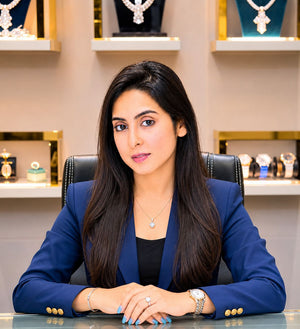
Aumsri Pradhan
Founder, Ivevar Luxury
Aumsri Pradhan is the founder of Ivevar Luxury, a Surat-based fine jewelry brand that designs and handcrafts lab grown diamond and moissanite jewelry in its own workshop. She leads the brand's design and customer experience, from engagement rings and bridal sets to custom pieces made to each client's story. Through the Ivevar blog, she shares practical guidance on lab grown diamonds, moissanite, diamond grading and ring design to help buyers choose with confidence.


