

 Engagement Rings
 Anniversary Rings
 Solitaire Rings
 Halo Rings
 Toi Moi Rings
 Three Stone Rings
 Nature Inspired Rings
 Rose Cut Rings
 Fancy Color Rings
 Antique Cut Rings
 Wedding Rings
 Wedding Band Rings
 Exclusive Lab Grown Diamond Rings
 All Lab Grown Diamond Ring
 Engagement Rings
 Three Stone Rings
 Fancy Color Rings
 Antique Cut Rings
 Daily Wear Rings
 Wedding Band Rings
 Exclusive Moissanite Rings
 Earrings
 Bracelet
 Pendant
 Necklace
 Men's Ring
 Bridal Sets
 Rings
 Earrings
 Tennis chain
 Cuban Chains
 Custom Pendant
 Custom Ring
 Custom Teeth Grillz
 Round
 Oval
 Cushion
 Marquise
 Pear
 Emerald
 Heart
 Princess
 Rose Cut
 Radiant
 Antique Cut
 Brooch
 Cufflink
 Keychain
 Unique Products
 +91-9265051773
 Virtual Appointment
 log in




Quick answer: If you want the most visible size for your money, choose an oval, pear or marquise. These elongated shapes look larger face-up than a round of the same carat weight and usually cost less per carat. If sparkle is your top priority, a round brilliant is unmatched, but it is typically the most expensive shape. For a square look on a budget, cushion, radiant and princess cuts offer strong value.
Shape changes both the look and the price of a lab grown diamond. Here is how each popular shape compares, so you can match your style to your budget.
Shop the styles in this guide


Why Shape Affects Price
A diamond is cut from a rough crystal, and some shapes waste more of that crystal than others. Round brilliants lose the most material during cutting, so they cost more per carat. Shapes that follow the crystal more closely, like princess and cushion, keep more weight and often cost less. Demand matters too: the most popular shapes can carry a premium.
Lab Grown Diamond Shapes Compared
| Shape | Price per carat | Looks larger? | Best for |
|---|---|---|---|
| Round | Highest | Standard | Maximum sparkle, classic style |
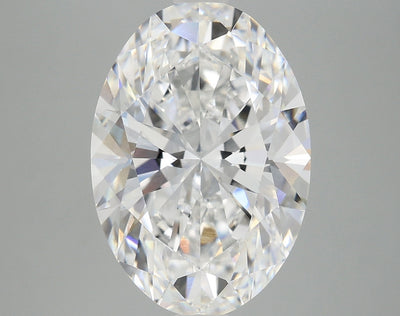
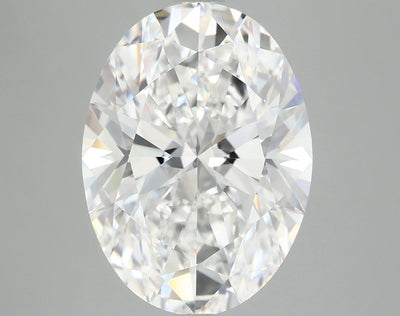
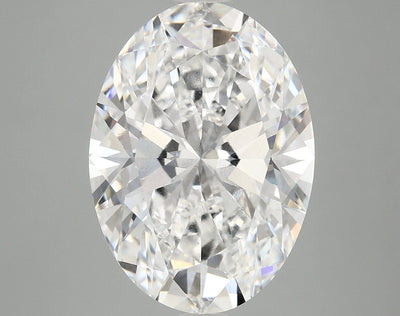
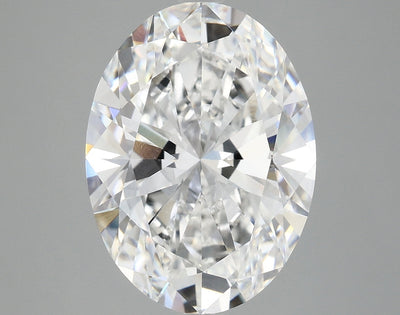
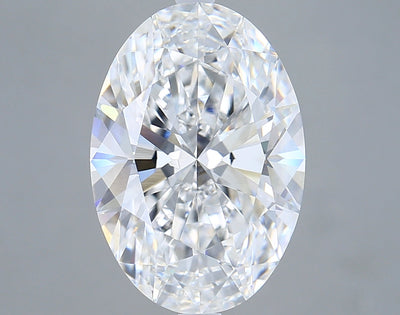
| Oval | Lower than round | Yes | Size and elegance |
| Pear | Lower than round | Yes | A unique, graceful look |
| Marquise | Lower than round | Yes, the most | Maximum finger coverage |
| Cushion | Good value | Similar | Soft, romantic square look |
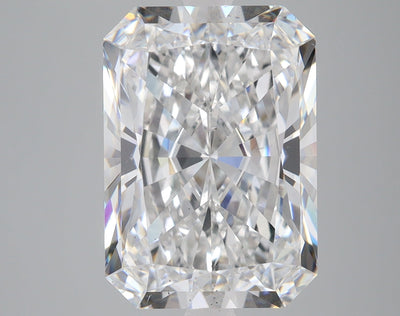
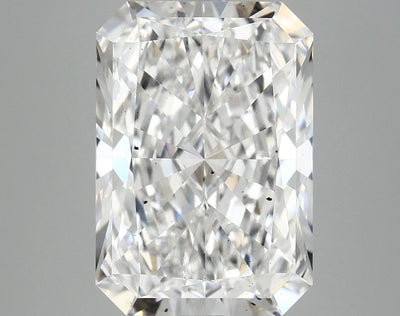
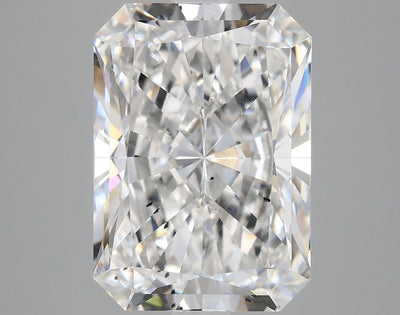
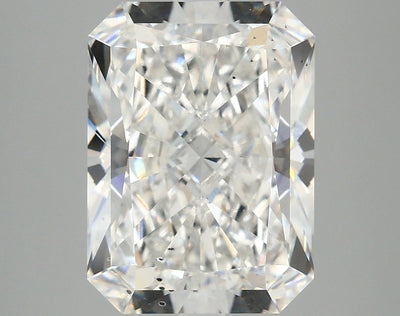
| Radiant | Good value | Similar | Square or rectangle with sparkle |
| Princess | Often the lowest | Similar | Crisp, modern square |
| Emerald | Good value | Slightly | Clean, vintage elegance |
These are general patterns. Actual prices depend on each stone's grades and the market at the time you buy.
Best Shapes by Budget Goal
Biggest look for the money: oval, pear, marquise
Elongated shapes spread their weight across a larger surface, so a 1.5 carat oval can look close to a larger round. They also make fingers look longer and slimmer. Watch for a "bow tie," a dark shadow across the center, and choose a stone with a light, even look.
Most sparkle: round
Round brilliants are cut to return the most light. If sparkle matters most and you are happy with a slightly smaller stone for the same budget, round is the classic choice.
Best square value: princess, cushion, radiant
These shapes give a bold, geometric look for less than a round. Princess cuts have sharp corners, so choose a setting that protects them.
Step cut style: emerald
Emerald cuts show clarity more than brilliant cuts, so choose VS1 or better. In return, you get a calm, elegant look that feels vintage.
 Shown: 1.01 Ct Oval Cut Fancy Yellow Lab Grown Diamond, VS1, IGI Certified
How Big Each Shape Looks for Its Weight
Carat is a measure of weight, not size. What you see on the hand is the face-up area, sometimes called spread, and shape has a big influence on it. Two stones of the same weight can look quite different in size depending on their outline and how deep they are cut.
- Elongated shapes spread out. Ovals, pears and marquise put more of their weight into length, so they cover more of the finger from the top.
- Deep shapes hide weight. Cushions and radiants are often cut deeper, which puts weight below the girdle where you cannot see it. A deep cushion can look smaller than a round of the same carat weight.
- Corners add presence. Princess and Asscher cuts fill their corners, so a square outline can feel bolder than a round of similar width.
The practical fix is simple: compare millimeter measurements on the grading report, not just carat weight. A well-cut 1 carat round measures about 6.4 to 6.5 mm across, which gives you a useful reference point when you compare other shapes.
Shape-by-Shape Budget Guide
Round
The most light return and the most flexible shape for any setting. To stay on budget, keep the top cut grade and step down slightly on color or clarity, since rounds hide both well.
Oval
A favorite for value because it looks large and still sparkles like a brilliant. Choose a ratio you love and check for a light bow tie. Our oval ratio and bow tie guide walks through both.
Pear
Looks long and graceful, and works both point up on a ring and point down on a pendant. Look for rounded shoulders and a point that lines up with the center of the rounded end.
Marquise
Gives the most finger coverage for its weight. The two points need protection, and the stone should look symmetrical end to end.
Cushion
Soft corners and a romantic look. Value is strong, but check the depth, because a deep cushion faces up small.
Radiant
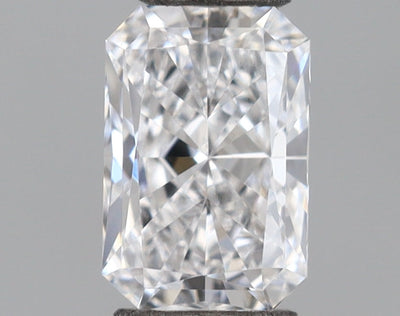
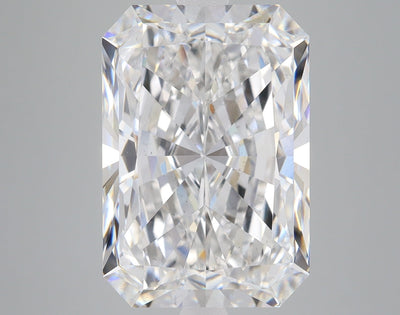
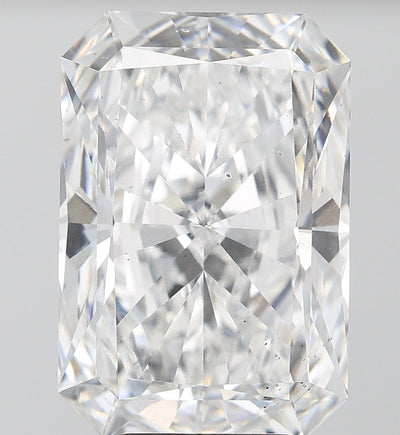
A square or rectangle with brilliant sparkle and trimmed corners that resist chipping. Like cushions, radiants are often cut deep, so compare measurements.
Princess
Often one of the lowest-priced shapes per carat with a crisp, modern look. The sharp corners must be protected by prongs at each point.
Emerald and Asscher
Step cuts with long, open facets that give flashes of light rather than glitter. They show color and clarity more, so you usually need higher grades, which narrows the savings.
Shape and Fancy Color Lab Grown Diamonds
If you are drawn to blue, pink, yellow or green lab grown diamonds, shape plays a different role. With white diamonds, cutters try to hide body color. With fancy colors, the goal is the opposite: show as much rich, even color as possible.
- Radiant and cushion cuts are favorites for fancy colors because their faceting bounces light around inside the stone and makes the color look deeper.
- Ovals, pears and marquise show color well too, and their larger face-up area gives you more visible color for the weight.
- Emerald and other step cuts show color in clean, calm panels. The look is elegant, though the color can appear a little lighter than in a brilliant shape of the same grade.
- Princess cuts give a crisp, modern outline in color and are often good value.
For colored stones, judge the color in photos or video under natural light, and look for even color without patches that look lighter or darker than the rest.
How Shape Changes What You Spend on Color and Clarity
Shape does not just change the price per carat. It also decides how low you can go on color and clarity before the eye notices, and that can save as much as the shape itself.
| Shape | Color it usually carries well | Clarity it usually carries well |
|---|---|---|
| Round | G to I | VS2, sometimes an eye-clean SI1 |
| Oval, pear, marquise | G to H | VS2 |
| Cushion, radiant, princess | G to H | VS2 |
| Emerald, Asscher | F to G | VS1 or better |
These are starting points, not rules. Larger stones and white metal settings call for a grade or so higher. Our guides to G color and VS1 vs VS2 clarity go into the details.
Tips for Choosing Your Shape
- Try shapes on. Photos help, but seeing the shape on your own hand is the best guide.
- Think about lifestyle. Pointed shapes like pear and marquise need prongs or V-tips to protect their tips.
- Match the setting. A halo makes any shape look larger; a solitaire shows the shape clearly.
- Check the length-to-width ratio. For ovals, around 1.35 to 1.50 is a popular range.
Settings That Stretch Your Budget
The setting can make a stone look bigger, add sparkle or protect a delicate shape. Choosing well lets you spend less on the center stone without the ring looking smaller.
- Halo. A ring of small diamonds around the center adds visible size and sparkle at a fraction of the cost of a larger center stone. It works with every shape. Browse lab diamond halo rings.
- Thin band. A slim band makes the center stone look larger by contrast.
- Three-stone. Two side stones add width and presence. A three-stone ring with a modest center can look as substantial as a much larger solitaire.
- Bezel or V-prongs. Protect the points of pear, marquise and princess cuts, which reduces the risk of a chip on shapes that are good value but more delicate.
Metal Choice and Your Budget
Metal is the other big part of a ring's cost. 925 sterling silver is the most budget-friendly option and gives a bright white look. In gold, 10K contains less pure gold than 14K, and 18K contains the most, so each step up costs more. 10K is also the hardest of the three, which suits everyday wear.
Metal color can save money on the diamond too. Yellow and rose gold add warmth that hides a hint of color, so you can choose a near colorless grade for a brilliant shape in those metals and keep the savings.
Shop the styles in this guide








Matching Shape to Your Hand
Elongated shapes such as oval, pear and marquise make fingers look longer and slimmer, which many people with shorter or wider fingers love. Rounds and cushions look balanced on almost any hand. Wide square shapes like princess and Asscher can look bold on slender fingers.
Size matters too. A stone that looks modest on a larger finger can look generous on a smaller one, so the same budget goes further on a smaller ring size. Check your size with our ring size chart before you choose, and try printed outlines or rings you already own to judge proportions.
Lab Grown vs Mined vs Moissanite on a Budget
A lab grown diamond is a real diamond: carbon, 10 on the Mohs scale, with a refractive index of about 2.42. It looks the same as a mined diamond of the same shape and grades, and telling the two apart takes lab equipment. Because lab grown diamonds cost less, the same budget buys a larger stone, a better cut or a nicer setting.
Moissanite is a different gem, silicon carbide, rated about 9.25 on the Mohs scale with a refractive index of about 2.65. It usually costs less again and shows more colorful fire, which some people love and others find too rainbow-like. Every shape in this guide is available in both, so compare them on our moissanite vs lab grown diamond vs diamond page.
Best Shapes Beyond Engagement Rings
- Stud earrings. Round and princess studs are classic and easy to match as a pair. Ovals and pears look larger from the front for the same weight.
- Pendants. A pear hangs naturally and looks long on the chest. A round or oval solitaire is a timeless everyday choice.
- Tennis chains and bracelets. Rounds dominate because they line up evenly and sparkle from every angle. Princess or emerald links give a sleeker, more modern line.
- Wedding and eternity bands. Small rounds give the most sparkle; baguettes and emerald cuts give a clean, architectural look.
Caring for Different Shapes
Lab grown diamonds do not get cloudy, change color or lose their sparkle. When a stone looks dull, it is a film of lotion, soap or skin oil on the back. Clean it in warm water with mild dish soap and a soft toothbrush, then rinse and dry.
Shape adds a few specific points. Check prongs on pear, marquise and princess cuts now and then, because those points carry the most risk if a prong lifts. Step cuts like emerald show dirt quickly through their open facets, so a regular clean makes a visible difference. More tips are in our jewelry care guide.
Shape-Buying Mistakes to Avoid
- Comparing shapes by carat alone. Compare millimeter measurements to see real face-up size.
- Buying a deep cushion or radiant without checking depth. Hidden weight means you pay for size you cannot see.
- Choosing an emerald cut with low clarity to save money. Step cuts show inclusions, so the savings can cost you the look.
- Ignoring the bow tie in ovals, pears and marquise. A heavy bow tie makes a large stone look patchy.
- Leaving points unprotected. A chip on a pear or marquise tip is avoidable with the right prongs.
- Choosing a shape only because it is cheaper. You will wear it every day, so pick a shape you love first.
Step-by-Step: Picking the Best Shape for Your Budget
- Decide what matters most: maximum size, maximum sparkle or a particular style.
- Shortlist two or three shapes that fit that goal.
- Set your budget for the whole piece, including the metal and setting.
- Lock in the best cut quality you can for each shortlisted shape.
- Choose color and clarity using the shape table above, adjusting for size and metal.
- Compare stones by millimeter size, not just carat weight.
- Check photos or video for bow ties, dark centers or windows.
- Choose a setting that protects the shape and adds presence if you want a bigger look.
Who Each Shape Suits
Oval, pear and marquise suit buyers who want the most visible size and a flattering, elongated look.
Round suits buyers who want maximum sparkle and a timeless style, and who are comfortable with a slightly smaller stone for the same budget.
Princess, cushion and radiant suit buyers who want a square or rectangular outline with brilliant sparkle and strong value.
Emerald and Asscher suit buyers who love a clean, vintage look and are happy to put more of the budget into color and clarity.
Find Your Shape at Ivevar
We cut, set and polish in our own Surat workshop and ship worldwide with free shipping and 30-day easy returns. Browse by shape: oval, round, pear, marquise, cushion, radiant, princess and emerald. For more detail, see our diamond shapes guide.
Shop Lab Grown Diamonds by Shape
 1.01 Ct Oval, Fancy YellowShop Now
 0.89 Ct Marquise, Vivid PinkShop Now
 0.80 Ct Emerald, Intense BlueShop Now
 1.00 Ct Radiant, Vivid BlueShop Now
 1.50 Ct Princess, Vivid BlueShop Now
 1.01 Ct Cushion, Fancy GreenShop Now
Swipe to see more → | View all loose lab grown diamonds
Frequently Asked Questions
What is the cheapest lab grown diamond shape?
Princess cuts are often among the lowest priced per carat, with cushion and radiant close behind. Prices vary by stone and grade.
Which lab diamond shape looks the biggest?
Marquise usually looks the largest for its weight, followed by pear and oval.
Is round worth the extra cost?
If you love maximum sparkle and a timeless look, yes. If size matters more, an oval may give you more for the same budget.
Do fancy shapes hide color better?
Brilliant-cut fancy shapes like radiant and cushion hide color fairly well, while step cuts like emerald show it a bit more.
Which shape hides inclusions best?
Round brilliants hide them best, followed by other brilliant shapes like oval, cushion, radiant and princess. Step cuts like emerald and Asscher show inclusions most clearly.
Do elongated shapes suit small hands?
Yes. Ovals, pears and marquise make fingers look longer and slimmer, and a smaller ring size makes any stone look larger on the hand.
Which shapes are most durable for everyday wear?
Shapes without sharp points, like round, oval, cushion and radiant, are the most forgiving. Pear, marquise and princess are just as hard but need prongs or V-tips to protect their points.
Is a halo a good way to save money?
Often, yes. A halo adds visible size and sparkle around a smaller center stone, which can look as impressive as a larger solitaire for less.
The Bottom Line
There is no single best shape, only the best one for your style and budget. Choose oval, pear or marquise for size, round for sparkle, and princess, cushion or radiant for square-cut value.
Related Guides
- Diamond shapes guide: how to choose the right cut
- Oval engagement rings: the complete buying guide
- All about marquise cut diamonds

Author Bio
Aumsri Pradhan
Founder, Ivevar Luxury
Aumsri Pradhan is the founder of Ivevar Luxury, a Surat-based fine jewelry brand that designs and handcrafts lab grown diamond and moissanite jewelry in its own workshop. She leads the brand's design and customer experience, from engagement rings and bridal sets to custom pieces made to each client's story. Through the Ivevar blog, she shares practical guidance on lab grown diamonds, moissanite, diamond grading and ring design to help buyers choose with confidence.


