

 Engagement Rings
 Anniversary Rings
 Solitaire Rings
 Halo Rings
 Toi Moi Rings
 Three Stone Rings
 Nature Inspired Rings
 Rose Cut Rings
 Fancy Color Rings
 Antique Cut Rings
 Wedding Rings
 Wedding Band Rings
 Exclusive Lab Grown Diamond Rings
 All Lab Grown Diamond Ring
 Engagement Rings
 Three Stone Rings
 Fancy Color Rings
 Antique Cut Rings
 Daily Wear Rings
 Wedding Band Rings
 Exclusive Moissanite Rings
 Earrings
 Bracelet
 Pendant
 Necklace
 Men's Ring
 Bridal Sets
 Rings
 Earrings
 Tennis chain
 Cuban Chains
 Custom Pendant
 Custom Ring
 Custom Teeth Grillz
 Round
 Oval
 Cushion
 Marquise
 Pear
 Emerald
 Heart
 Princess
 Rose Cut
 Radiant
 Antique Cut
 Brooch
 Cufflink
 Keychain
 Unique Products
 +91-9265051773
 Virtual Appointment
 log in




Short answer: Blue diamonds get their color from boron and have a cool, elegant, sapphire-like tone that looks crisp in white gold. Green diamonds get their color from radiation exposure (natural or, in lab grown stones, a controlled treatment) and have a fresh, earthy, emerald-like tone that glows in yellow gold. Both are extremely rare in nature, but lab grown versions are affordable. Choose blue for classic sophistication, green for a nature-inspired, unexpected look.
Blue and green are the two "cool" fancy diamond colors, and they are often compared with sapphire and emerald. The difference is that a colored diamond keeps all of a diamond's strengths: a hardness of 10 on the Mohs scale, strong brilliance and a lifetime of everyday wear. This guide explains how each color forms, how intensity and secondary tones change the look, which shapes and metals suit each one, and what to check before you buy a lab grown blue or green diamond.
Blue vs Green Diamonds at a Glance
| Feature | Blue | Green |
|---|---|---|
| Color source | Boron | Radiation exposure or treatment |
| Mood | Cool, regal, calm | Fresh, natural, vibrant |
| Natural rarity | Extremely rare | Extremely rare |
| Lab grown price | Affordable | Affordable |
| Best metal | 14K or 18K white gold | Yellow or rose gold |
| Gemstone look-alike | Sapphire | Emerald, tsavorite |
| Durability | 10 on Mohs | 10 on Mohs |
How Blue and Green Diamonds Get Their Color
A colorless diamond is pure carbon in a perfect crystal. Color appears when something changes the way that crystal absorbs light. Blue and green come from two completely different causes.
Blue: boron in the crystal
Blue diamonds contain tiny amounts of boron that replace some of the carbon atoms. Boron absorbs red, orange and yellow light, so the stone returns blue. Gemologists call these type IIb diamonds. Boron also makes them able to conduct a small electric current, something colorless diamonds cannot do, which is one way labs help identify them.
Green: radiation knocks atoms out of place
Natural green diamonds formed near radioactive minerals in the earth. Over long periods, radiation knocked some carbon atoms out of their normal positions, creating defects that absorb light and leave a green color. In many natural greens, the color sits only in a thin layer near the surface of the rough, which makes cutting them tricky.
How lab grown blue and green diamonds are made
Lab grown diamonds are chemically, physically and optically the same as mined diamonds. They are grown by HPHT (high pressure, high temperature) or CVD (chemical vapor deposition). Blue lab diamonds are usually made by adding boron during growth, the same element that colors natural blues. Green lab diamonds are typically grown and then given a controlled post-growth treatment that creates the same kind of color center found in natural greens. A grading report from IGI or GIA states that the stone is lab grown and notes any treatment, so the color's origin is fully disclosed.
Natural or lab grown: what changes for you
Because natural blue and green diamonds are so rare, they are mostly found at auctions and high-end jewelers, and a strong, even color in a ring-sized stone is hard to find at any price. Lab grown stones change that. You can choose the exact shape, size and intensity you want, compare several options side by side, and spend your budget on the setting rather than on rarity alone. What you give up is the rarity story of a mined stone; what you keep is the same hardness, brilliance and color you see on the hand.
Why Choose a Colored Diamond Over a Gemstone?
A blue diamond looks similar to a sapphire, and a green diamond to an emerald, but diamonds are harder (10 vs 9 for sapphire and 7.5 to 8 for emerald) and sparkle more. That makes colored diamonds excellent for everyday rings.
The difference shows most with emerald. Natural emeralds usually contain inclusions and can chip if knocked against a hard surface, so they need protective settings and gentle care. A green diamond can be set in an open, delicate solitaire and worn daily without the same worry. Sapphire is tough and durable, but it does not have a diamond's high refractive index, so it shows less brightness and sparkle. If you love the color of a sapphire or emerald but want maximum sparkle and toughness, a lab grown blue or green diamond is a strong choice.
| Stone | Mohs hardness | Everyday wear |
|---|---|---|
| Blue or green diamond | 10 | Excellent |
| Sapphire | 9 | Very good |
| Moissanite | 9.25 | Very good |
| Emerald | 7.5 to 8 | Needs care; can chip |
 Shown: 0.44 Ct Princess Shape Fancy Vivid Blue Lab Grown Diamond
Intensity and Secondary Tones
Like all fancy color diamonds, blue and green stones are graded for how strong their color is. From lightest to strongest, the common grades are Faint, Very Light, Light, Fancy Light, Fancy, Fancy Intense and Fancy Vivid. Fancy Deep and Fancy Dark describe strong color with more darkness.
- Light grades: a Fancy Light blue looks like a pale sky or ice blue; a Fancy Light green looks soft and minty.
- Middle grades: Fancy and Fancy Intense blues look like a clear ocean blue; greens look like fresh spring leaves.
- Vivid grades: Fancy Vivid blues are deep and electric; Fancy Vivid greens are bold and grassy.
Secondary tones change the character of each color. A report names the main color last, so "greenish blue" is mainly blue with a teal hint, and "bluish green" is mainly green with a cool edge.
- Blue modifiers: grayish blue looks steely and understated; greenish blue looks teal or aqua. A pure blue is the classic look.
- Green modifiers: yellowish green looks lime and lively; bluish green looks cool and sea-like. Grayish green looks muted and earthy.
- Taste first: teal-leaning blues and blue-leaning greens can look very similar. If you love that in-between shade, either color family can deliver it.
Tip: Blue diamonds often look richer in daylight and slightly darker under warm indoor lights. Ask for a video in natural light, and if you can, see the stone under both conditions before you choose an intensity grade.
Best Shapes and Cuts
In a colored diamond, the cutter aims to spread color across the face of the stone, not only to maximize sparkle. Some shapes do that better than others.
- Princess: square with sharp, modern lines. Its many facets concentrate color, which is why it is a popular choice for blue.
- Cushion: soft corners and a full face show saturated color beautifully. It suits both colors and has a vintage feel.
- Radiant: combines a rectangular outline with brilliant faceting. Excellent for deepening color.
- Oval and pear: elongated shapes look larger per carat and flatter the hand. A green pear can look like a leaf or a drop of dew.
- Emerald cut: its step facets show color in calm, even panels. A green emerald-cut diamond gives you the look of an emerald with diamond toughness.
- Round: cut for maximum brilliance, which can make color look a little lighter. Choose a stronger grade for rounds.
Browse princess lab diamonds and cushion lab diamonds for shapes that show color well.
Choosing the Right Metal
Metal color reflects into the stone and frames it, so the right choice can make a blue look cooler or a green look warmer.
Blue diamonds
White gold is the classic match. Its bright, cool color keeps a blue looking crisp and icy, and it pairs well with white diamond accents in a halo or on the band. Yellow gold creates a striking contrast and a more vintage, royal look, but it can nudge paler blues toward green, so use it with stronger blues.
Green diamonds
Yellow gold warms a green diamond and brings out an earthy, botanical feel. Rose gold gives a softer, romantic contrast. White gold makes a green look cooler and more minty, which is lovely if you prefer bluish greens.
Ivevar sets stones in 10K, 14K and 18K gold in yellow, white and rose. 18K has a richer color, while 14K and 10K are slightly harder wearing for daily rings.
Blue or Green: Which Suits You?
| If you want... | Choose |
|---|---|
| A timeless, royal look | Blue in white gold |
| A nature-inspired, botanical ring | Green in yellow gold |
| A sapphire look with more sparkle | Blue |
| An emerald look that is tough enough for daily wear | Green |
| Something few people will have seen | Green |
Blue is a familiar choice for people who want "something blue" for a wedding, or who love the look of classic sapphire rings. Green feels more personal and unexpected, and it suits people drawn to nature, gardens and organic shapes. Both work for engagement rings, anniversary rings and everyday stacking bands.
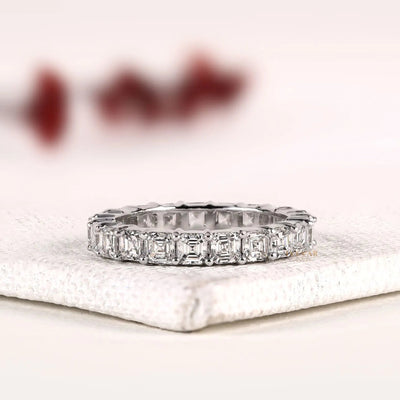
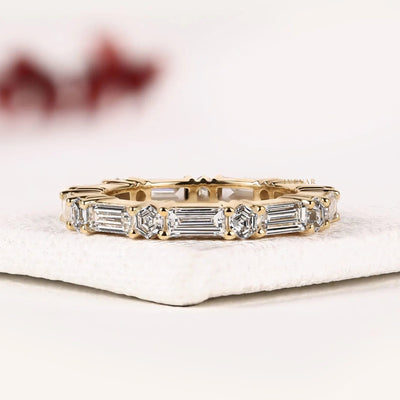
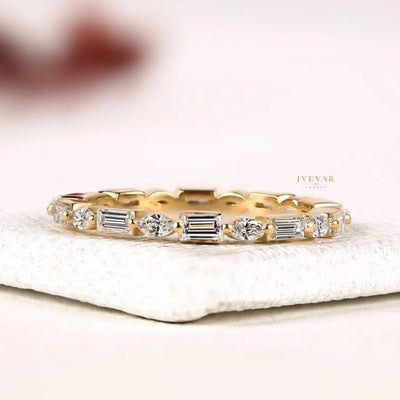
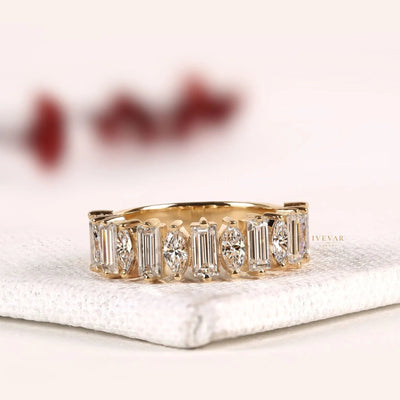
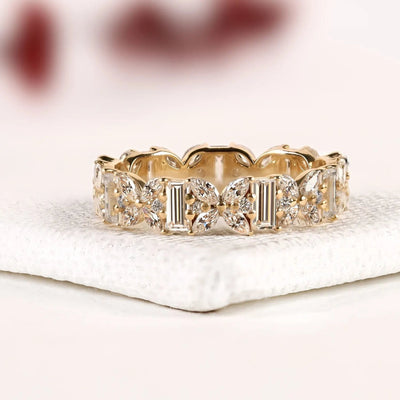
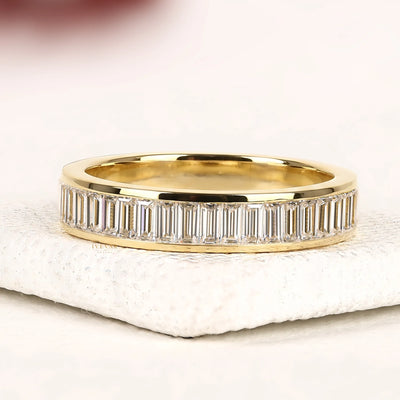
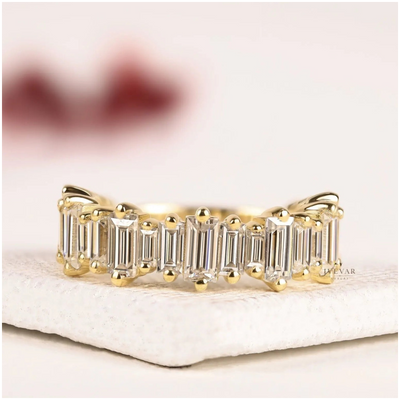
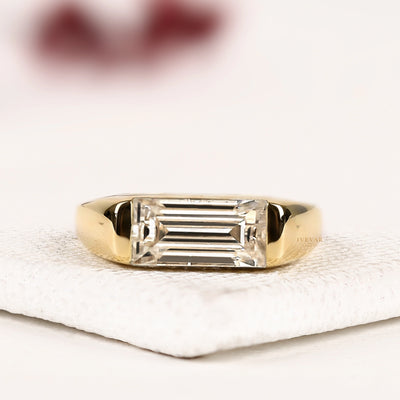
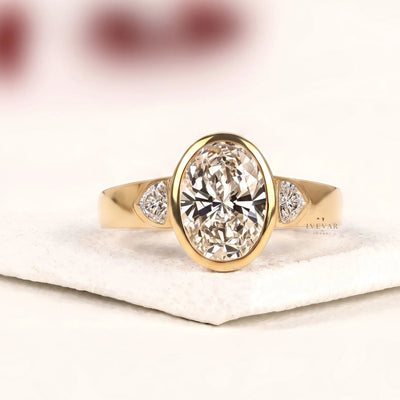
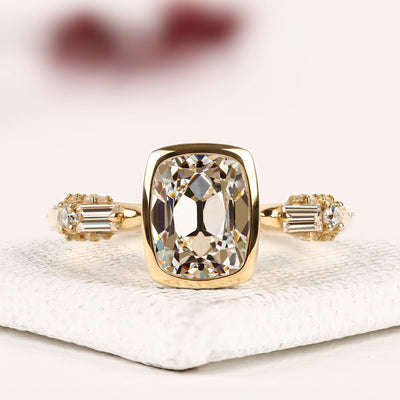
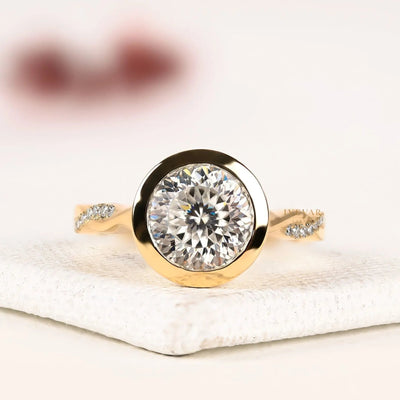
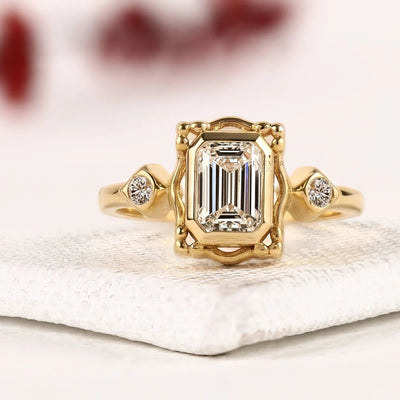
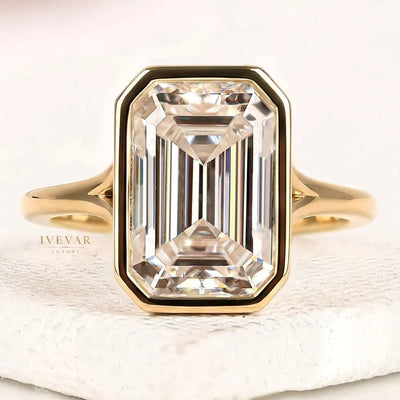
Shop the styles in this guide
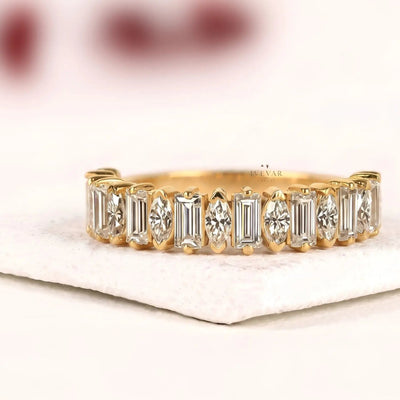
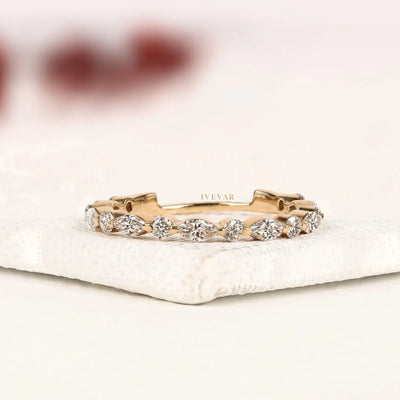
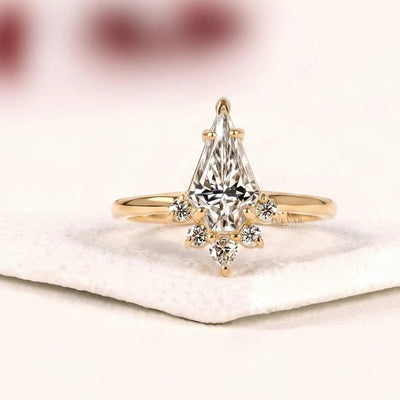
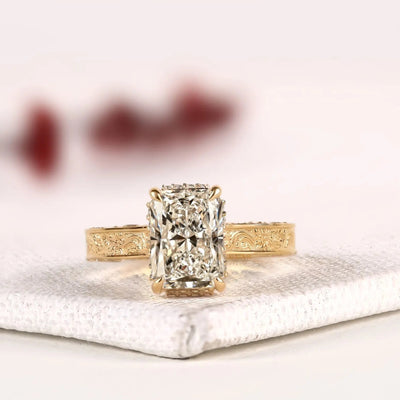
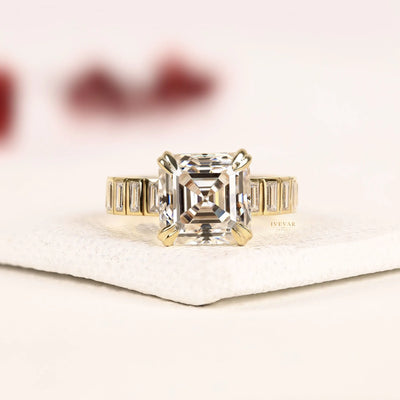
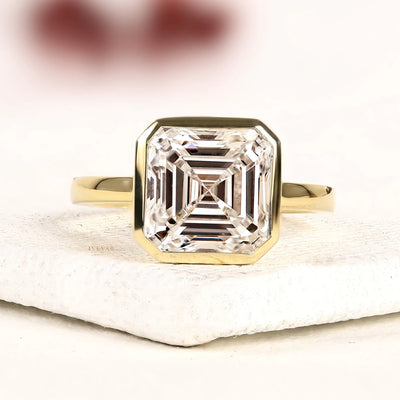
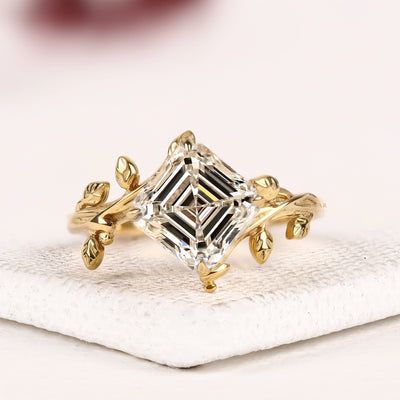
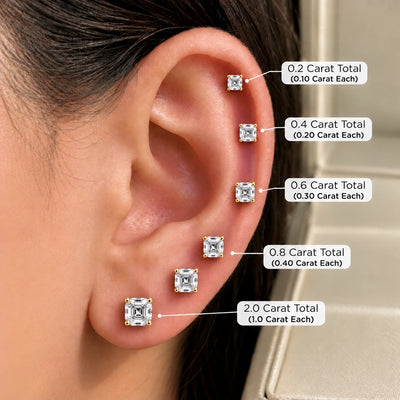



Styling Ideas
- Blue: a princess or cushion blue with a white halo in platinum-look white gold.
- Green: a cushion green in yellow gold with leaf-inspired details.
- Accents: both make stunning side stones next to a white center.
- Toi et moi: pair a blue and a white diamond, or a green and a white diamond, for a two-stone ring with a story.
- Earrings: small blue studs are an easy everyday way to wear color; green drops look fresh with summer outfits.
Green diamonds fit naturally into leaf, vine and floral designs. See our nature inspired engagement rings for settings that suit them, and our halo rings for a classic frame around a blue center.
Read pink vs yellow diamonds and sapphire engagement rings.
How the 4Cs Work for Colored Diamonds
The 4Cs still apply to blue and green diamonds, but their order of importance changes. With a white diamond, buyers balance all four. With a colored diamond, color leads and the rest support it.
Color
Color is the main driver of beauty and value. Intensity, hue and how evenly the color spreads matter more than anything else. Two stones with the same grade can still look different, so always compare photos and videos side by side.
Cut
A good cut keeps the stone lively and spreads color evenly. Watch for a pale "window" in the center, where light leaks straight through. A well-cut colored diamond looks saturated from edge to center.
Clarity
Strong color helps hide small inclusions, so most buyers do not need to pay for the highest clarity. VS clarity looks clean to the eye in most colored stones. Step cuts like emerald show more, so aim a little higher there.
Carat
Larger stones show color more strongly because light travels a longer path through them. In small accent stones, pale blues and greens can look almost white, so choose Fancy Intense or Fancy Vivid for anything under about half a carat if you want the color to read clearly.
Buying Checklist and Care
- Pick an intensity range: decide whether you want pastel, mid-tone or vivid color before you browse.
- Read the full color name: note any modifier such as grayish, greenish or bluish.
- Check even color: look at a video to make sure the color spreads evenly with no pale windows in the center.
- Prioritize color over clarity: VS clarity is plenty for most colored stones; strong color hides small inclusions.
- Get the report: confirm the IGI or GIA report number matches the stone and that it lists origin and treatment.
- Choose the metal last: once you love the stone, choose the metal that flatters its exact shade.
Care is simple. Clean with warm water, mild soap and a soft brush, and store the ring apart from other jewelry so it does not scratch softer pieces. The color of a lab grown blue or green diamond is stable in everyday wear. Because some green colors come from treatment, tell any jeweler doing repairs that the stone is a colored diamond so they avoid direct torch heat on it.
Tip: Want color on a smaller budget? Colored moissanite is another durable option at 9.25 on the Mohs scale. It is a separate gemstone, not a diamond, and shows more rainbow fire. Compare moissanite fancy color rings.
Colored Lab Diamonds at Ivevar
We offer blue and green lab diamonds and hand-set them in our Surat workshop. Every order ships free worldwide and comes with 30-day easy returns. Browse fancy color rings.
Many of our lab diamonds come with IGI certificates, and we make custom jewelry, so you can choose a specific blue or green stone and have it set in 10K, 14K or 18K gold in the design you have in mind. Book a virtual appointment if you would like to see stones on video before you decide.
Shop Blue and Green Lab Diamonds
 0.44 Ct Vivid Blue PrincessShop Now
 0.51 Ct Fancy Blue PearShop Now
 0.35 Ct Vivid Green PrincessShop Now
 0.25 Ct Vivid Green CushionShop Now
 0.26 Ct Vivid Green CushionShop Now
Swipe to see more → | View fancy color rings
Frequently Asked Questions
What makes a diamond blue?
Traces of boron in the crystal. Boron absorbs warm colors of light, so the stone looks blue. These diamonds are called type IIb.
What makes a diamond green?
Radiation exposure, natural or in a lab. It moves carbon atoms out of place and creates color centers that make the stone look green.
Are blue lab diamonds real?
Yes, real diamonds with blue color. They have the same chemical, physical and optical properties as mined diamonds.
Is a blue diamond better than a sapphire?
Harder and more brilliant; sapphire is more affordable in natural form. Both are durable for daily wear, but a diamond shows more sparkle.
Which metal suits green diamonds?
Yellow and rose gold. White gold works well if you prefer a cooler, mintier look.
Is a green diamond a good alternative to an emerald?
Yes. It gives a similar green color with far better hardness, so it is much less likely to chip in everyday wear.
Can a blue diamond be used as an engagement ring?
Yes. At 10 on the Mohs scale it is as durable as any white diamond. A blue center with a white diamond halo is a classic engagement ring design.
Will a blue or green lab diamond fade?
No. The color is stable in normal wear. Only very high heat, such as a jeweler's torch, could affect some treated colors.
What clarity should I choose for a colored diamond?
VS clarity is usually plenty. Color matters more, and strong color helps hide small inclusions.
The Bottom Line
Blue for cool sophistication, green for fresh natural beauty. Lab grown makes both affordable and durable. Choose the color that makes you smile, set it in the metal that flatters its shade, and you will have a ring that stands apart from every white diamond in the room.
Related Guides
Author Bio
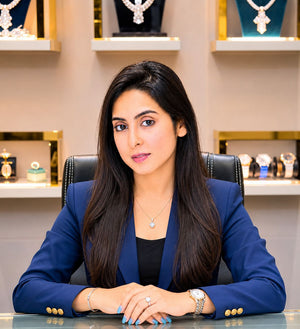
Aumsri Pradhan
Founder, Ivevar Luxury
Aumsri Pradhan is the founder of Ivevar Luxury, a Surat-based fine jewelry brand that designs and handcrafts lab grown diamond and moissanite jewelry in its own workshop. She leads the brand's design and customer experience, from engagement rings and bridal sets to custom pieces made to each client's story. Through the Ivevar blog, she shares practical guidance on lab grown diamonds, moissanite, diamond grading and ring design to help buyers choose with confidence.

SI1 vs VS1 Diamond Clarity

Custom vs Ready-Made Rings

Black Diamonds vs White Diamonds

