

 Engagement Rings
 Anniversary Rings
 Solitaire Rings
 Halo Rings
 Toi Moi Rings
 Three Stone Rings
 Nature Inspired Rings
 Rose Cut Rings
 Fancy Color Rings
 Antique Cut Rings
 Wedding Rings
 Wedding Band Rings
 Exclusive Lab Grown Diamond Rings
 All Lab Grown Diamond Ring
 Engagement Rings
 Three Stone Rings
 Fancy Color Rings
 Antique Cut Rings
 Daily Wear Rings
 Wedding Band Rings
 Exclusive Moissanite Rings
 Earrings
 Bracelet
 Pendant
 Necklace
 Men's Ring
 Bridal Sets
 Rings
 Earrings
 Tennis chain
 Cuban Chains
 Custom Pendant
 Custom Ring
 Custom Teeth Grillz
 Round
 Oval
 Cushion
 Marquise
 Pear
 Emerald
 Heart
 Princess
 Rose Cut
 Radiant
 Antique Cut
 Brooch
 Cufflink
 Keychain
 Unique Products
 +91-9265051773
 Virtual Appointment
 log in




Short answer: VVS (Very, Very Slightly Included) diamonds have inclusions so tiny that even an expert struggles to see them at 10x magnification. VS (Very Slightly Included) diamonds have minor inclusions visible at 10x but almost never to the naked eye. For most shapes and sizes, VS1 and VS2 look exactly like VVS once set, at a lower price. Choose VVS for step cuts, large stones or peace of mind; choose VS for the best value.
Clarity is the C that confuses buyers most, because the grades sound dramatic but the differences are microscopic. A VVS1 and a VS2 diamond can sit side by side on a tray and look identical to most people. What changes is what a trained grader sees under a loupe, how much you pay, and how much confidence you have in the stone. This guide explains exactly what each grade means, which inclusions matter, when it is worth paying for VVS, and how to pick a clean VS stone that gives you more diamond for your budget.
VVS vs VS at a Glance
| Feature | VVS1 / VVS2 | VS1 / VS2 |
|---|---|---|
| Inclusions at 10x | Extremely hard to find | Minor, visible to trained eye |
| Eye-clean? | Always | Almost always |
| Price | Higher | Better value |
| Best for | Step cuts, 2 ct+, perfectionists | Brilliant cuts, most buyers |
| Visible difference once set | None to the eye | None to the eye |
Where VVS and VS Sit on the Clarity Scale
Clarity describes the tiny internal features (inclusions) and surface marks (blemishes) in a diamond. Graders judge them at 10x magnification, looking at how many there are, how big they are, what type they are, where they sit and how much they stand out. The scale used by GIA and IGI runs from best to lowest like this:
| Grade | Meaning | To the naked eye |
|---|---|---|
| FL / IF | Flawless / Internally Flawless | Clean |
| VVS1 / VVS2 | Very, Very Slightly Included | Clean |
| VS1 / VS2 | Very Slightly Included | Clean in nearly all stones |
| SI1 / SI2 | Slightly Included | Often clean, sometimes visible |
| I1 / I2 / I3 | Included | Usually visible |
Graders consider five factors when they assign a grade: the size of each inclusion, the number of inclusions, their position in the stone, their nature (for example a crystal or a feather) and their relief, meaning how much they contrast with the surrounding diamond. A single dark crystal under the table can lower a grade more than several pale pinpoints near the girdle.
VVS and VS sit in the upper middle of the scale. Both are well above the point where inclusions start to show to the eye, which is why they are so popular for engagement rings and fine jewelry.
The Four Grades Explained
VVS1
Inclusions are so small that a skilled grader has real difficulty finding them at 10x. They are usually visible only from the pavilion (the underside) of the stone. A VVS1 diamond is as close to flawless as most buyers will ever see.
VVS2
Inclusions are still extremely hard to find at 10x, but slightly easier than in VVS1. Typical features are a few tiny pinpoints or a faint, wispy cloud. To the eye, VVS2 is indistinguishable from VVS1.
VS1
Minor inclusions can be seen at 10x with some effort. They might be a tiny crystal, a small feather or a cluster of pinpoints. A VS1 stone is eye-clean in virtually every shape and size most people buy.
VS2
Minor inclusions are somewhat easier to see at 10x. In round and other brilliant cuts, VS2 is almost always eye-clean. In large step cuts, a VS2 inclusion can occasionally be spotted if you look closely, so it is worth checking a magnified photo or video.
Inclusions That Matter (and Ones That Don't)
Two stones with the same clarity grade can look different because the type and position of the inclusion matter as much as the grade.
- Pinpoints: tiny dots of crystal. Almost never a concern in VVS or VS stones.
- Clouds: groups of pinpoints. Small clouds are harmless; large, dense clouds can soften brightness slightly, though this is rare at VS and above.
- Crystals: small mineral or diamond crystals trapped inside. Light crystals are usually invisible; dark ones are easier to spot, so position matters.
- Feathers: small internal breaks. Tiny feathers are fine. A larger feather that reaches the surface near a prong or a point is worth avoiding for durability.
- Needles and twinning wisps: thin lines or wispy growth features. Usually harmless at these grades.
- Lab grown specifics: CVD diamonds can show small dark pinpoints, and HPHT diamonds can show tiny metallic inclusions from the growth process. At VVS and VS, these are microscopic and do not affect the look.
Tip: An inclusion under the table (the large top facet) is easier to see than one near the edge, where a prong or the setting can hide it. When choosing between two VS2 stones, pick the one whose inclusion sits toward the side.
Choosing Between VVS and VS
The right grade depends on three things: the shape you want, the size of the stone and how you feel about paying for features you cannot see. Use the guidance below as a starting point.
When VVS Is Worth It
- Step cuts: emerald, Asscher and baguette step cuts, which show inclusions more through their open, mirror-like facets.
- Large stones: large center stones (2 carats and up), where every facet is bigger and inclusions are larger in absolute size.
- Peace of mind: if knowing your stone is nearly flawless matters to you, or you plan to view it closely with a loupe.
- Heirloom thinking: some buyers simply want a top-tier stone to pass down, and that is a valid reason too.
If you love the emerald cut's long, glassy facets, browse our emerald cut lab diamonds and look for VVS or high VS grades.
When VS Is the Smart Choice
- Brilliant cuts: round, oval, pear, cushion and radiant brilliant cuts, whose sparkle hides small inclusions well.
- Everyday sizes: stones under 2 carats.
- Better balance: when you prefer to spend more on size or cut.
- Earrings and pendants: stones viewed from a distance, where clarity differences are impossible to see.
Round brilliants are the most forgiving shape of all. A well-cut VS2 round in our round lab diamonds range will look clean to anyone who sees it on your hand.
 Shown: 0.52 Ct Pear Shape F Color VVS2 Lab Grown Diamond
Clarity by Shape and Size
| Shape | Under 2 ct | 2 ct and up |
|---|---|---|
| Round | VS2 or better | VS1 or better |
| Oval, pear, cushion, radiant | VS2 or better | VS1 or better |
| Marquise, princess | VS2 or better | VS1 or better |
| Emerald, Asscher | VS1 or better | VVS2 or better |
These are practical guidelines, not hard rules. A VS2 with a well-placed inclusion can look cleaner than a VS1 with an inclusion right under the table. Always look at the individual stone.
Clarity vs the Other Cs
Clarity is the C you can see least once a diamond is set. Here is how it ranks against the others for visible beauty:
- Cut: the biggest factor in sparkle. A well-cut VS stone will outshine a poorly cut VVS stone every time.
- Color: visible in larger stones and in white metal settings. Read our guide on colorless grades if you are weighing D to F.
- Carat: the most obvious difference across a room.
- Clarity: once a stone is eye-clean, higher grades add confidence rather than visible beauty.
That is why many buyers set a clarity floor at VS2 and put the rest of their budget into cut quality, a slightly larger stone, or a better setting.
Where to put the savings
If you choose VS over VVS, the difference can go toward something you will actually see every day:
- A better cut: an Excellent or Ideal cut grade gives more brightness and fire than any clarity upgrade.
- A little more size: moving up a few points in carat weight is visible on the hand; moving up a clarity grade is not.
- A higher color: in white gold settings, moving from H to F or G can make the stone look crisper.
- The setting: a pavé band, a hidden halo or 18K gold adds lasting character to the ring.
How Lab Grown Diamonds Change the Decision
Lab grown diamonds are chemically, physically and optically the same as mined diamonds, and they are graded on the same clarity scale by labs such as IGI and GIA. Because lab grown diamonds cost less than mined stones of the same quality, the gap between VS and VVS is smaller in absolute terms. Many buyers who would choose VS in a mined stone find VVS within reach in lab grown.
There is one more practical point. With a mined diamond, moving from VS2 to VVS1 can be a large jump in price, so the decision often comes down to budget. With a lab grown diamond, the same jump is smaller, so the decision is more about personal preference. If you are someone who will always wonder about the inclusion you cannot see, a VVS lab diamond can be a sensible way to buy that peace of mind without overspending.
Lab diamonds are grown by HPHT or CVD. Both methods can produce VVS and VS stones; the growth method does not decide the clarity grade, and the certificate tells you everything you need about the individual stone.
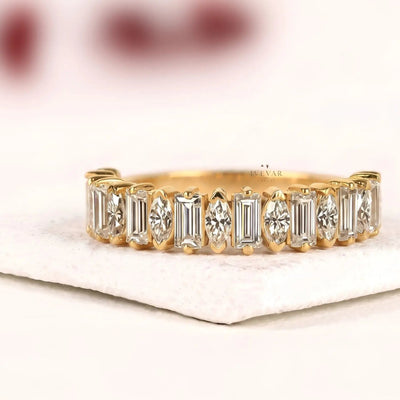
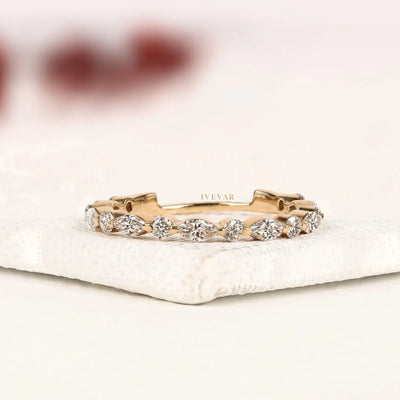
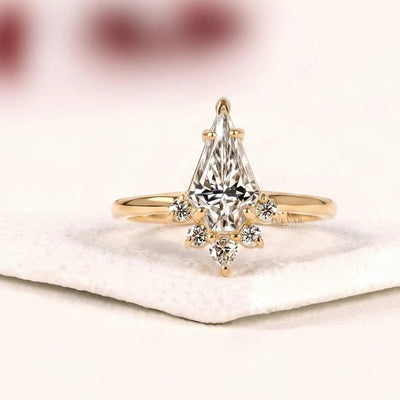
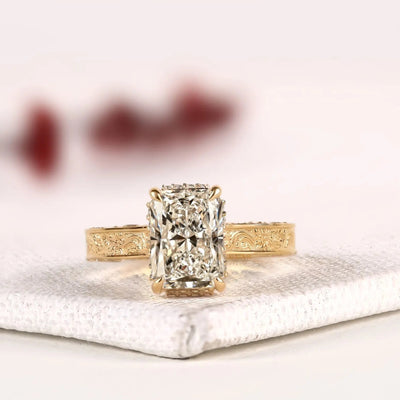
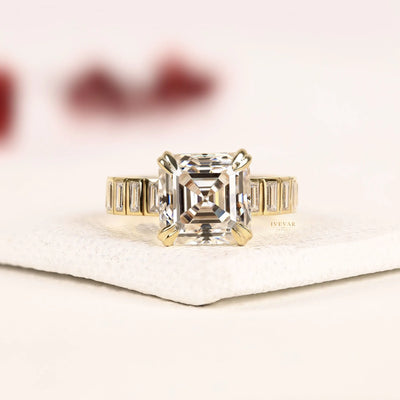
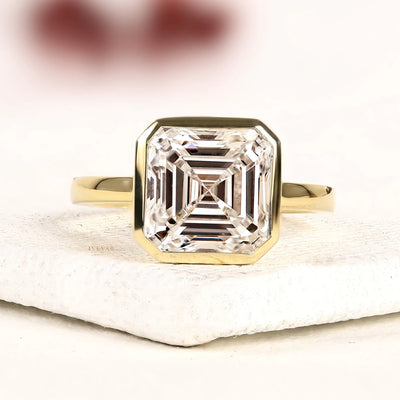
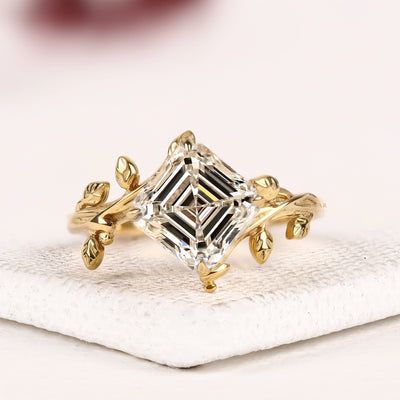
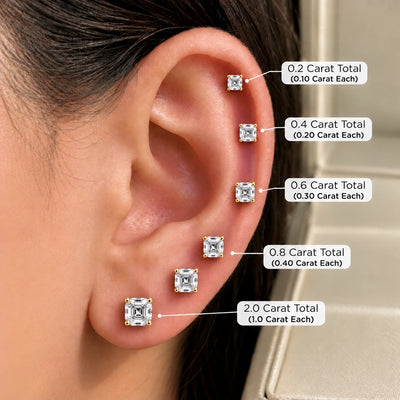
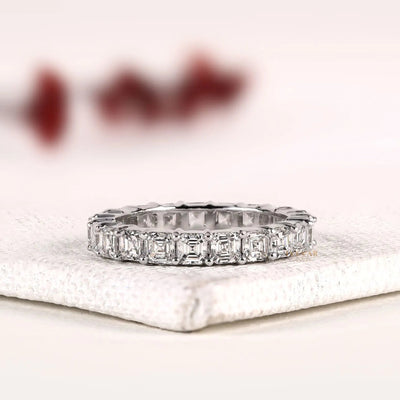
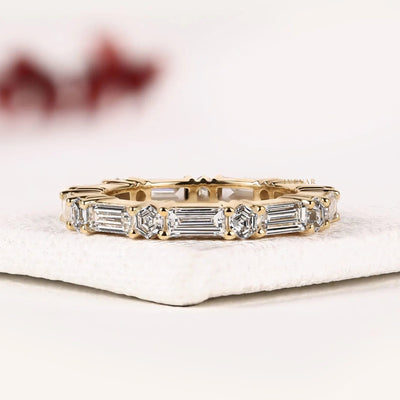
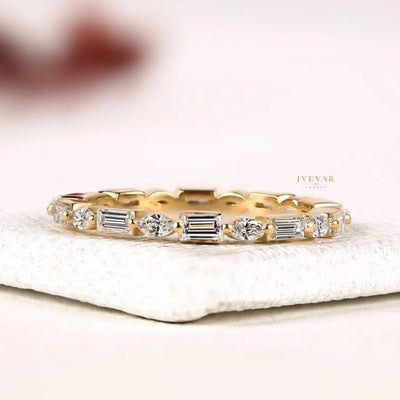
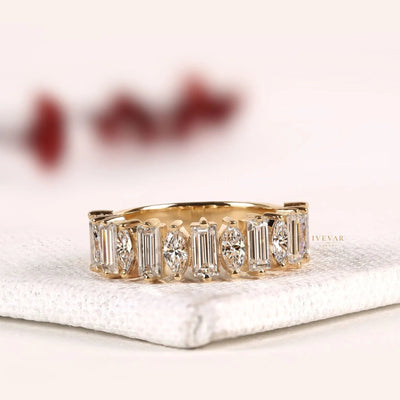
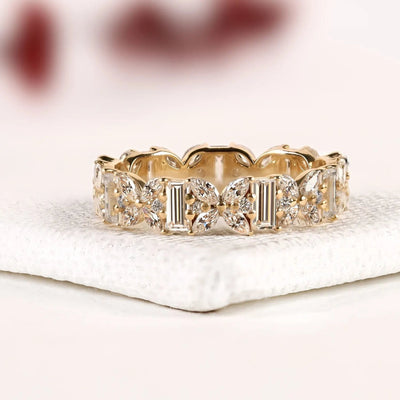
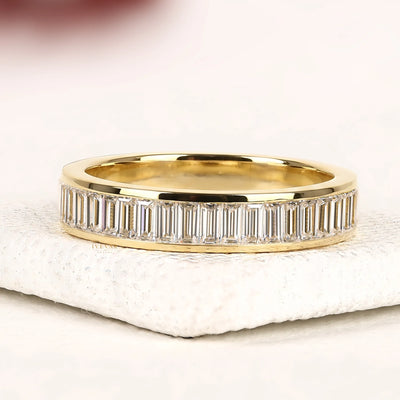
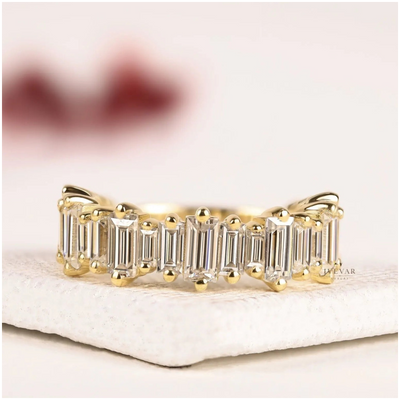
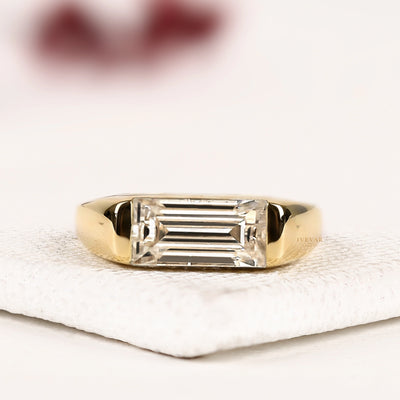
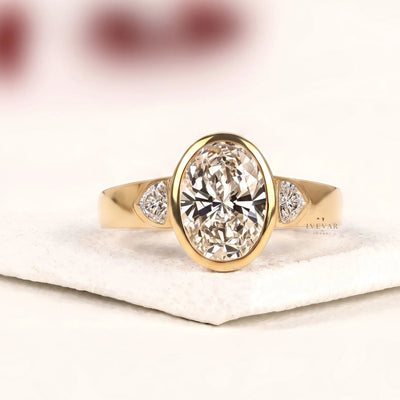
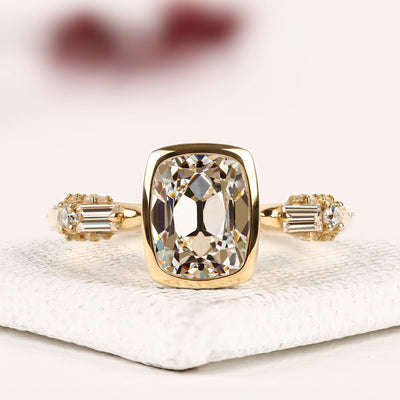
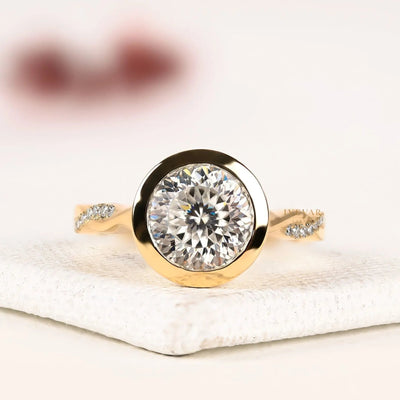
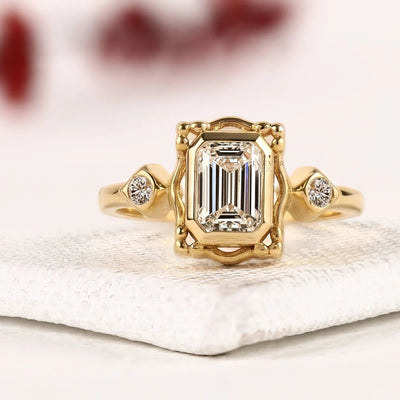
Shop the styles in this guide



What About Moissanite?
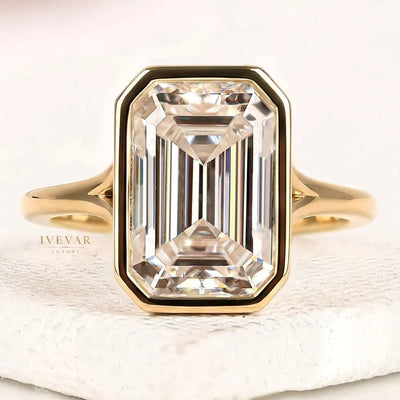
Moissanite uses the same clarity terms. Most quality moissanite is VVS or VS, and both look clean to the eye. See moissanite clarity grades.
Remember that moissanite is a separate gemstone, not a diamond. It is very hard (9.25 on the Mohs scale versus 10 for diamond) and has a higher refractive index, about 2.65 compared with diamond's 2.42, which gives it more rainbow fire.
Because moissanite is grown in a lab, clean stones are common, and most buyers simply choose a VVS or VS moissanite and focus on shape, size and setting. Browse moissanite solitaire rings if you are comparing the two.
How to Check Clarity When Buying Online
You cannot hold a loupe to a stone through a screen, but you can still judge clarity well if you know what to ask for.
- Read the certificate: confirm the clarity grade and the report number from IGI or GIA, and check that the number matches the stone you are buying.
- Look at the plot: many reports show a diagram of the main inclusions. Note whether they sit in the center of the table or toward the edge.
- Ask for magnified video: a rotating video shows how inclusions look as light moves through the stone. Remember that video is magnified far beyond what the eye sees.
- Judge at real size: after viewing a zoomed image, look at the stone at its actual size on screen. That is closer to what people will see on your hand.
- Check the comments: report comments can mention clouds or other features not shown on the plot.
- Know the return window: a clear returns policy lets you inspect the stone in person and send it back if it is not what you expected.
Tip: Do not let high-magnification photos scare you. Almost every diamond, even a VVS stone, shows something when enlarged enough. The question is whether you can see it at normal viewing distance, and for VVS and VS the answer is no.
Common Clarity Myths
- "Higher clarity means more sparkle": not at these grades. Sparkle comes from cut. A VS2 and a VVS1 with the same cut look equally bright.
- "VS stones have visible flaws": VS inclusions are minor and need magnification to find in almost all stones.
- "Inclusions make a diamond weak": tiny inclusions at VVS and VS do not affect everyday durability. Only large feathers that reach the surface, which you will not find at these grades in normal stones, are a concern.
- "Lab diamonds are always flawless": lab grown diamonds have inclusions too and are graded on the same scale as mined diamonds.
- "You need VVS for a good engagement ring": plenty of beautiful engagement rings are set with VS or even eye-clean SI stones, and nobody can tell by looking.
Clarity at Ivevar
We offer VVS and VS lab grown diamonds and help you choose the right balance in our Surat workshop. Every order ships free worldwide and comes with 30-day easy returns. Read VS1 vs VS2.
Many of our lab diamonds come with IGI certificates that list the clarity grade and a plot of the main inclusions. If you are unsure which stone to choose, book a virtual appointment and we will show you candidates on video. Browse our lab diamond engagement rings or solitaire rings to find a setting.
Shop VVS and VS Pear Lab Diamonds
 0.52 Ct F VVS2 PearShop Now
 0.54 Ct F VVS2 PearShop Now
 0.55 Ct F VVS2 PearShop Now
 0.35 Ct D VS1 PearShop Now
 0.36 Ct D VS1 PearShop Now
 0.37 Ct D VS1 PearShop Now
Swipe to see more → | View pear lab diamonds
Frequently Asked Questions
Can you see the difference between VVS and VS?
Not with the naked eye. The difference shows only under magnification, and even then a trained grader is needed to separate close grades.
Is VS1 good enough for an engagement ring?
Yes, for most shapes and sizes. It is eye-clean in virtually all brilliant cuts and in most step cuts under 2 carats.
What does VVS stand for?
Very, Very Slightly Included. VS stands for Very Slightly Included.
Should step cuts be VVS?
VS1 or better; VVS gives extra confidence, especially in stones of 2 carats and up.
Is clarity more important than cut?
No. Cut affects beauty the most.
Is VS2 eye-clean?
In round and other brilliant cuts, almost always. In large emerald or Asscher cuts, check a magnified video to be sure.
Does clarity affect sparkle?
Not at VVS or VS. Inclusions at these grades are too small to change how light moves through the stone. Cut controls sparkle.
Are lab grown diamonds more likely to be VVS?
Lab grown diamonds come in the full range of clarity grades. Because they cost less, VVS lab diamonds are more affordable than mined VVS stones, so buyers often choose higher clarity.
Does the certificate show where inclusions are?
Many grading reports include a plot, a simple diagram marking the main inclusions. It helps you see whether an inclusion sits in the center or near the edge.
The Bottom Line
VS offers the best value for most buyers; VVS is worth it for step cuts, big stones or peace of mind. Set VS2 as your floor for brilliant cuts, aim higher for step cuts, and spend what you save on a better cut or a bigger stone.
Related Guides
Author Bio
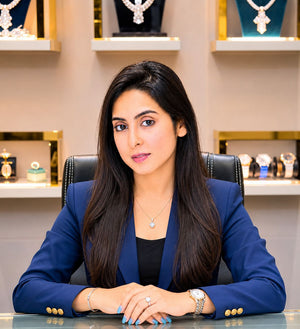
Aumsri Pradhan
Founder, Ivevar Luxury
Aumsri Pradhan is the founder of Ivevar Luxury, a Surat-based fine jewelry brand that designs and handcrafts lab grown diamond and moissanite jewelry in its own workshop. She leads the brand's design and customer experience, from engagement rings and bridal sets to custom pieces made to each client's story. Through the Ivevar blog, she shares practical guidance on lab grown diamonds, moissanite, diamond grading and ring design to help buyers choose with confidence.

SI1 vs VS1 Diamond Clarity

Custom vs Ready-Made Rings

Black Diamonds vs White Diamonds

