Engagement Rings
 Anniversary Rings
 Solitaire Rings
 Halo Rings
 Toi Moi Rings
 Three Stone Rings
 Nature Inspired Rings
 Rose Cut Rings
 Fancy Color Rings
 Antique Cut Rings
 Wedding Rings
 Wedding Band Rings
 Exclusive Lab Grown Diamond Rings
 All Lab Grown Diamond Ring
 Engagement Rings
 Three Stone Rings
 Fancy Color Rings
 Antique Cut Rings
 Daily Wear Rings
 Wedding Band Rings
 Exclusive Moissanite Rings
 Earrings
 Bracelet
 Pendant
 Necklace
 Men's Ring
 Bridal Sets
 Rings
Rings
 Earrings
 Tennis chain
 Cuban Chains
 Custom Pendant
 Custom Ring
 Custom Teeth Grillz
 Round
Round
 Oval
Oval
 Cushion
 Marquise
 Pear
Pear
 Emerald
 Heart
Heart
 Princess
 Rose Cut
 Radiant
 Antique Cut
 Brooch
 Cufflink
 Keychain
 Unique Products
 +91 9265051773
 Virtual Appointment
 log in



Quick answer: Diamond inclusions are tiny internal features, and blemishes are small surface marks. Common inclusions include crystals, pinpoints, clouds, feathers, needles and twinning wisps; common blemishes include polish lines and small nicks. Most are only visible under 10x magnification. What matters is size, number, position and whether the diamond is "eye-clean." Feathers that reach the surface near the girdle deserve extra attention for durability.
Clarity grades summarize inclusions, but knowing the types helps you read a certificate like a pro.
Common Inclusion Types
| Type | What it looks like | Concern level |
|---|---|---|
| Pinpoint | Tiny dot | Very low |
| Cloud | Group of pinpoints; hazy area | Low unless large |
| Crystal | Small mineral inside the diamond | Low to medium depending on size and color |
| Needle | Thin, rod-like crystal | Low |
| Feather | Small internal fracture | Medium if large or reaching the surface |
| Twinning wisp | Twisted growth pattern | Low |
| Graining | Faint lines from irregular growth | Usually low |
Common Blemishes
- Polish lines: fine parallel lines from polishing.
- Nicks and chips: small surface damage, often at the girdle.
- Extra facets: small facets added to remove a flaw.
- Naturals: original rough surface left on the girdle.
Inclusions in Lab Grown Diamonds
Lab grown diamonds can have inclusions too. CVD diamonds may show dark carbon pinpoints; HPHT diamonds may show small metallic flux inclusions. Read CVD vs HPHT.
 Shown: Precious Adornments Moissanite Princess Cut Earrings
How to Read Inclusions on a Certificate
Grading reports include a plotted diagram marking each inclusion's type and location, plus a "key to symbols." Look for inclusions under the table (more visible) versus near the edge (easier to hide under prongs).
Buying Tips
- Aim for "eye-clean," not perfect.
- Prefer white or clear inclusions over dark ones.
- Avoid large feathers near the girdle or corners.
- Choose higher clarity for step cuts like emerald and Asscher.
Eye-Clean Stones at Ivevar
We choose eye-clean lab grown diamonds and moissanite and hand-set them in our Surat workshop. Every piece ships worldwide with free shipping and 30-day easy returns. Browse moissanite earrings.
Shop Princess and Bezel Studs
 Princess Cut EarringsShop Now
 Princess Gold Prong StudsShop Now
 Everyday Princess StudsShop Now
 Bezel Set Round EarringsShop Now
 Bezel Gold StudsShop Now
 Oval Cut EarringsShop Now
Swipe to see more → | View all moissanite earrings
Frequently Asked Questions
Are inclusions bad?
Not usually; most are invisible to the eye and harmless.
What is a feather inclusion?
A small internal fracture that looks feather-like.
What does eye-clean mean?
No inclusions visible without magnification.
Do lab grown diamonds have inclusions?
Yes, different types than natural stones.
Which inclusions should I avoid?
Large feathers near edges and dark crystals under the table.
The Bottom Line
Understand inclusion types, aim for eye-clean, and avoid large surface-reaching feathers for a beautiful, durable diamond.
Related Guides
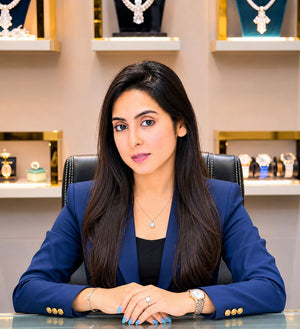
Author Bio
Aumsri Pradhan
Founder, Ivevar Luxury
Aumsri Pradhan is the founder of Ivevar Luxury, a Surat-based fine jewelry brand that designs and handcrafts lab grown diamond and moissanite jewelry in its own workshop. She leads the brand's design and customer experience, from engagement rings and bridal sets to custom pieces made to each client's story. Through the Ivevar blog, she shares practical guidance on lab grown diamonds, moissanite, diamond grading and ring design to help buyers choose with confidence.