

 Engagement Rings
 Anniversary Rings
 Solitaire Rings
 Halo Rings
 Toi Moi Rings
 Three Stone Rings
 Nature Inspired Rings
 Rose Cut Rings
 Fancy Color Rings
 Antique Cut Rings
 Wedding Rings
 Wedding Band Rings
 Exclusive Lab Grown Diamond Rings
 All Lab Grown Diamond Ring
 Engagement Rings
 Three Stone Rings
 Fancy Color Rings
 Antique Cut Rings
 Daily Wear Rings
 Wedding Band Rings
 Exclusive Moissanite Rings
 Earrings
 Bracelet
 Pendant
 Necklace
 Men's Ring
 Bridal Sets
 Rings
 Earrings
 Tennis chain
 Cuban Chains
 Custom Pendant
 Custom Ring
 Custom Teeth Grillz
 Round
 Oval
 Cushion
 Marquise
 Pear
 Emerald
 Heart
 Princess
 Rose Cut
 Radiant
 Antique Cut
 Brooch
 Cufflink
 Keychain
 Unique Products
 +91-9265051773
 Virtual Appointment
 log in




Short answer: A jewelry appraisal is a written estimate of a piece's value, usually its retail replacement value for insurance. It is different from a grading certificate, which describes quality but not price. Get an appraisal from an independent, credentialed appraiser (for example, one with GIA Graduate Gemologist or ASA/AGS training), update it every 2 to 5 years, and share it with your insurer to set the insured value.
If you plan to insure your ring, divide an estate, or simply want to know what a piece is worth, an appraisal is the document you need. It tells you what the piece is, describes it in enough detail to identify or replace it, and puts a value on it for a specific purpose.
Many buyers confuse appraisals with grading reports, or assume every appraisal shows what they could sell a piece for. Neither is true. This guide explains the different types of appraisal, what a good one includes, how lab grown diamonds and moissanite are appraised, and how to use the document with your insurer.
What Is a Jewelry Appraisal?
An appraisal is a professional opinion of value, written down and signed by a qualified appraiser. It answers two questions: what exactly is this piece, and what is it worth for the stated purpose?
To answer the first question, the appraiser examines the piece in detail: the metal, its weight and karat, the stones and their measurements, and the quality of workmanship. To answer the second, they research what similar pieces cost in the relevant market, whether that is retail stores, the secondhand market or a quick-sale setting.
The key idea is that value always depends on purpose. The same ring can have very different appraised values for insurance, for an estate or for a quick sale, and all of them can be correct.
Types of Appraisal
Before you book an appraisal, tell the appraiser why you need it. The purpose decides which type of value they calculate.
| Type | Purpose | Typical value |
|---|---|---|
| Insurance replacement | Cost to replace with similar quality today | Highest; based on retail |
| Fair market value | Price between willing buyer and seller | Lower; used for estates and taxes |
| Liquidation value | Quick-sale price | Lowest |
Insurance replacement value
This is the most common appraisal for new jewelry. It estimates what it would cost to buy a comparable piece, of the same quality and materials, from a typical retailer today. Insurers use this figure to set your coverage and the premium you pay.
Fair market value
Fair market value is the price a willing buyer and willing seller would likely agree on, with neither under pressure. It is used for estates, inheritance, divorce settlements, tax matters and charitable donations. It is usually lower than replacement value.
Liquidation value
This is what you could expect if you had to sell quickly, for example to a jeweler, pawn shop or dealer. It is the lowest of the three because the buyer needs room to resell at a profit.
Tip: If you are thinking of selling a piece, don't use your insurance appraisal as a guide to price. Ask for a fair market or liquidation estimate instead, or get direct offers.
Appraisal vs Grading Certificate
A grading report and an appraisal are often kept in the same folder, but they do different jobs.
| Feature | Grading report | Appraisal |
|---|---|---|
| Issued by | Gem lab such as IGI or GIA | Independent appraiser or jeweler |
| Covers | One loose stone | Whole piece: metal, stones and craftsmanship |
| Describes quality | Yes, in detail (4Cs and more) | Yes, often citing the report |
| Gives a value | No | Yes, for a stated purpose |
| Needs updating | No, grades do not change | Yes, every few years |
A grading report is the best evidence of a stone's quality. An appraisal builds on it and adds a value. For a diamond ring, your appraiser will usually record the report number and confirm that the stone matches it, often by checking the laser inscription on the girdle.
Read how to read a grading report for a walkthrough of each section.
What an Appraisal Includes
A good appraisal describes the piece so clearly that another jeweler could identify it or make a near-identical replacement. Expect to see:
- Metal details: type, color, karat, weight and any hallmarks.
- Stone details: shape, cut style, measurements, estimated or reported grades, and whether each stone is natural, lab grown or a simulant.
- Craftsmanship: setting style, construction method and condition.
- Photos: clear images of the piece from several angles.
- Grading report references: report numbers for any certified stones.
- Value and purpose: the appraised value, the type of value and the date.
- Appraiser details: credentials, contact information and signature.
If an appraisal is a single line, such as "one diamond ring" with a figure next to it, it will not help much with an insurance claim. Detail is what makes the document useful.
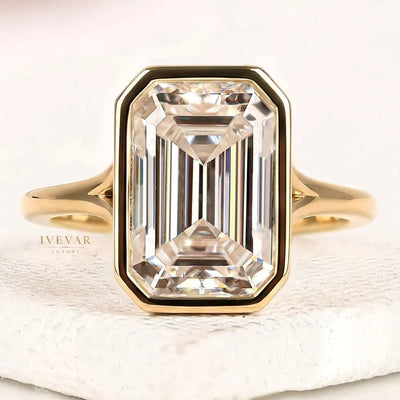
 Shown: Emerald Cut Lab Diamond Anniversary Ring with Pave Wedding Band
How the Appraisal Process Works
Most appraisals follow the same steps. Knowing them helps you prepare and spot a rushed job.
- Intake: you explain the purpose and hand over the piece with any receipts and grading reports.
- Cleaning and inspection: the appraiser cleans the piece and checks its condition, including loose stones or worn prongs.
- Identification: stones are tested to confirm what they are. A diamond tester alone cannot tell lab grown from mined diamonds, so advanced instruments or a lab report are needed for that.
- Measurement and grading: stones are measured with a gauge and graded or matched to their reports. Metal is tested and weighed.
- Market research: the appraiser compares the piece with current prices in the relevant market.
- Report: the findings, photos and value are written up and signed.
Ask whether the appraisal is done while you wait or whether the piece stays with the appraiser. Many people prefer to watch, or at least to keep their jewelry in sight.
What Affects the Appraised Value?
Several factors combine to set the figure on your appraisal. Understanding them helps you see why two similar-looking rings can be valued very differently.
- The center stone: for most engagement rings, this carries the largest share of the value. Its cut, color, clarity and carat weight all matter, along with whether it is natural, lab grown or moissanite.
- Side stones and pave: many small stones add up. The appraiser estimates their total carat weight and average quality.
- Metal: gold karat and weight matter. An 18K ring contains more gold than the same design in 14K or 10K, and a heavier band contains more metal than a slim one.
- Craftsmanship: handmade details, intricate settings, engraving and fine finishing add to replacement cost because they take skilled labor to reproduce.
- Condition: worn prongs, chips or a thin band can lower value and may need repair before the piece is insured.
- Brand and design: signed or designer pieces can carry extra value in some markets.
The appraiser then looks at current market prices for each of these parts and the piece as a whole. That market research is why an appraisal is tied to a specific date.
Finding a Qualified Appraiser
Anyone can call themselves an appraiser, so it is worth checking credentials. Look for someone with formal gemological training, such as a GIA Graduate Gemologist diploma, plus specific appraisal training and membership of a recognized appraisal association, such as the ASA or AGS.
Questions to ask before you book
- What are your gemology and appraisal qualifications? Ask to see them.
- Do you buy or sell jewelry? Independence avoids a conflict of interest.
- How do you charge? A flat or hourly fee is standard.
- Can you identify lab grown diamonds and moissanite? The answer should mention testing equipment or lab reports, not just a quick look.
- What will the written report include? Expect photos, measurements, grades and the type of value.
A good appraiser will be happy to answer these questions. If they are vague, look elsewhere.
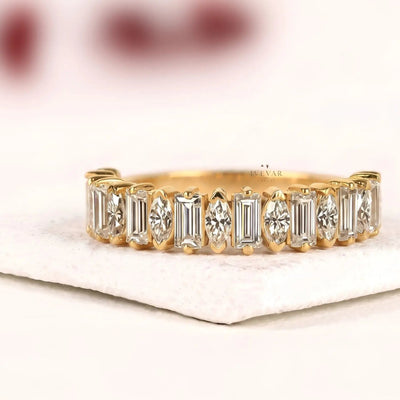
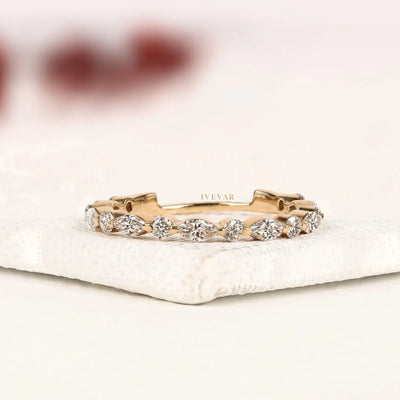
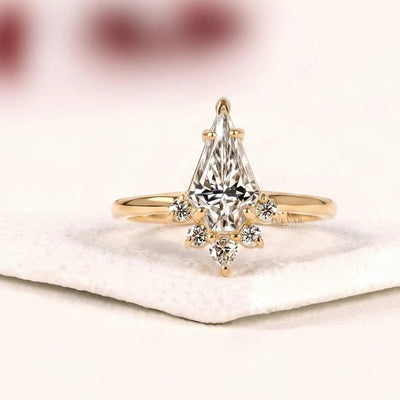
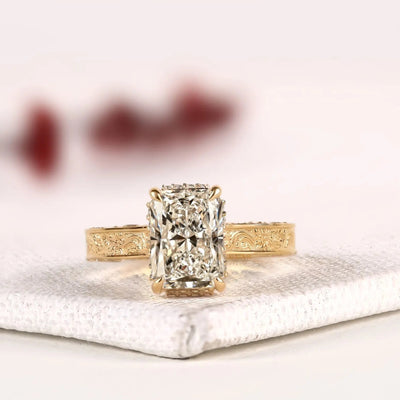
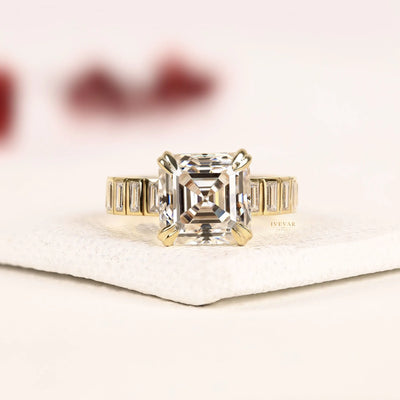
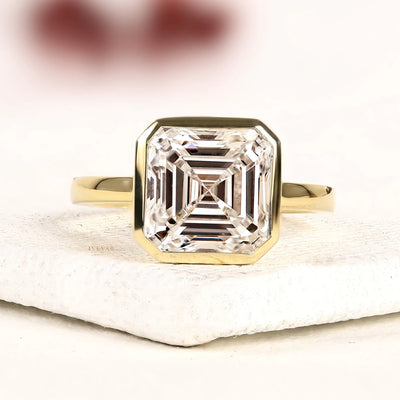
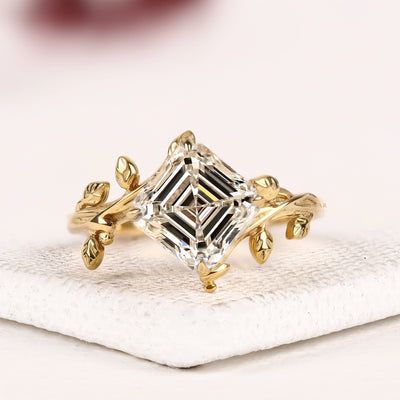
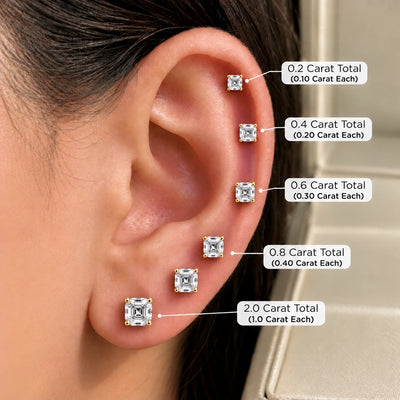
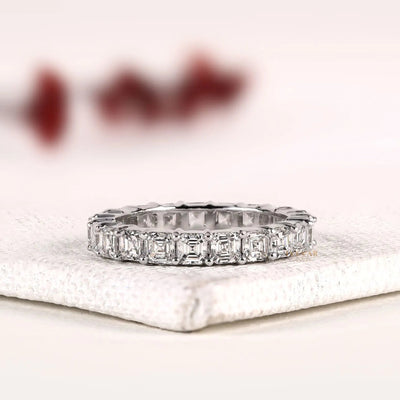
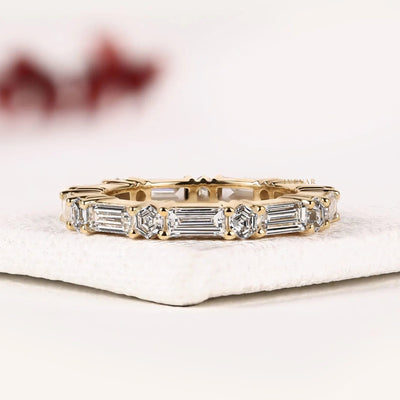
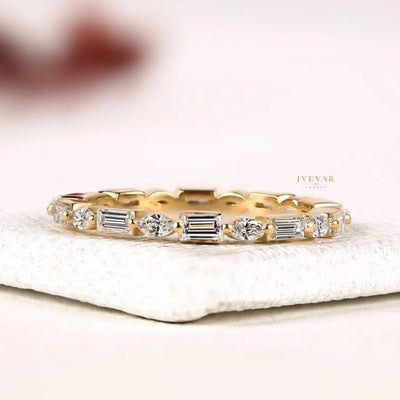
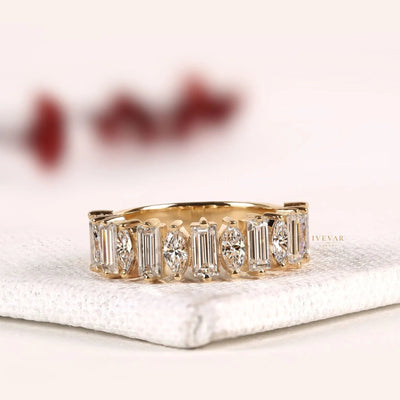
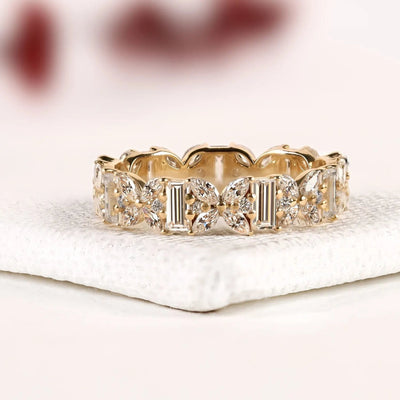
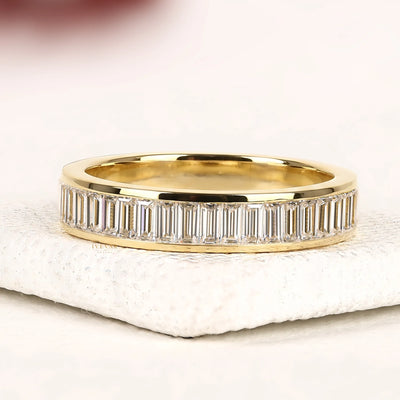
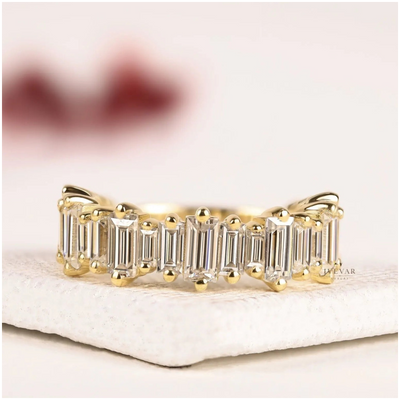
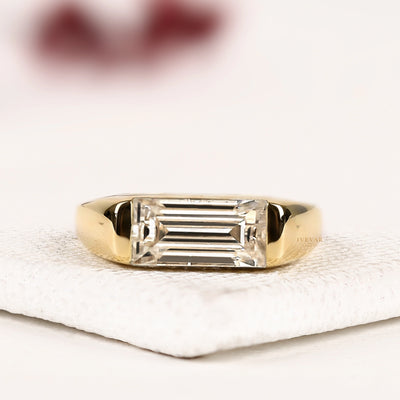
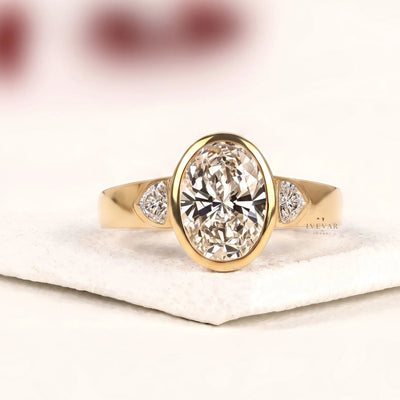
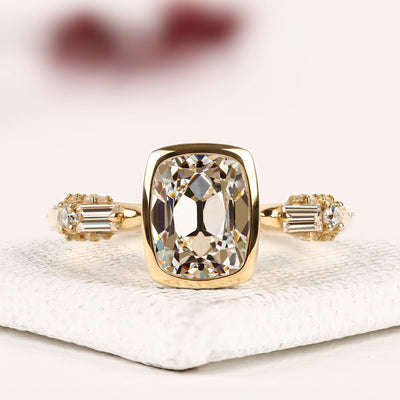
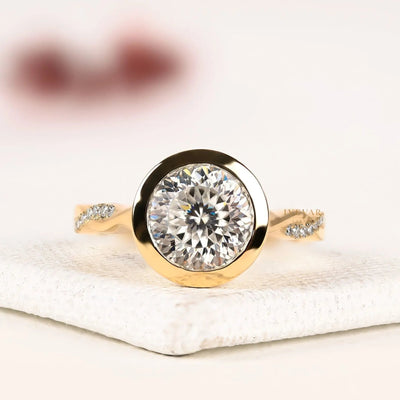
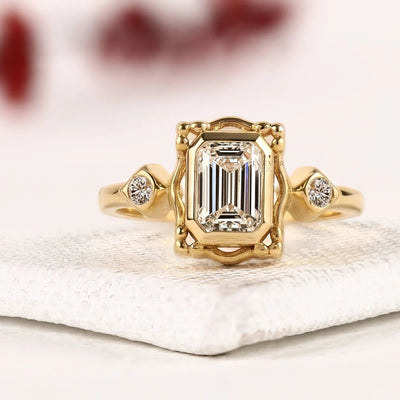
Shop the styles in this guide



Appraising Lab Grown Diamonds and Moissanite
Lab grown diamond appraisals should clearly state "laboratory grown" and use current lab grown pricing, which is much lower than natural diamond pricing and can change over time. Update appraisals more often to avoid over- or under-insuring.
Lab grown diamonds are chemically, physically and optically the same as mined diamonds. They are grown by the CVD or HPHT method and graded on the same 4Cs. Because they look identical, your appraiser should rely on the grading report and, where needed, specialist testing to confirm origin. An IGI or GIA report for a lab grown diamond states its origin clearly, which makes the appraiser's job simpler and your appraisal more reliable.
Why the date matters more
Prices for lab grown diamonds can move faster than for natural diamonds. If your appraisal is out of date, you may pay premiums on a value that is higher than the actual cost of replacement, or you may be underinsured if prices rise. Checking the figure more often keeps your coverage realistic.
Appraising moissanite
Moissanite is a separate gemstone, silicon carbide, and not a type of diamond. An appraisal should name it clearly as moissanite. It has a hardness of 9.25 on the Mohs scale and a refractive index of about 2.65, higher than diamond's 2.42, so it shows more colorful fire.
Some basic thermal diamond testers can mistake moissanite for diamond, which is why a careful appraiser uses an electrical conductivity tester or other methods to tell them apart. Moissanite does not usually come with a 4Cs grading report from the major diamond labs, so the appraisal relies on the appraiser's own description of its size, color and cut quality. Much of the value of a moissanite ring often lies in the gold setting and the craftsmanship, and a good appraisal reflects that.
Insurance Basics
An appraisal on its own does not protect you; insurance does. Use your appraisal to set up the right policy.
- Scheduling: add pieces to homeowners or renters insurance with a scheduled rider, or use a specialist jewelry insurer.
- What is covered: check whether the policy covers loss, theft, damage and mysterious disappearance.
- Payouts: understand deductibles and whether the insurer replaces the piece or pays cash.
- Travel: ask whether coverage applies worldwide if you travel with your jewelry.
Keeping your records safe
Store the original appraisal, grading reports and receipts somewhere secure, and keep scanned copies in cloud storage or email. Add a few clear photos of each piece, taken on a plain background. If the jewelry is ever lost or stolen, these records are what your insurer will ask for first.
If you need to make a claim
Report a theft to the police promptly and get a reference number. Then contact your insurer with the appraisal, photos and any grading report. Because a detailed appraisal describes the exact stone sizes, grades and metal, it helps the insurer arrange a like-for-like replacement rather than a lesser substitute.
Read should you insure a lab grown diamond ring?
When Do You Need an Appraisal?
| Situation | Appraisal type | Notes |
|---|---|---|
| Buying a new engagement ring | Insurance replacement | Use your receipt and grading report |
| Inheriting jewelry | Fair market value | Often needed for estate paperwork |
| Updating insurance | Insurance replacement | Every 2 to 5 years, sooner for lab grown |
| Selling a piece | Fair market or liquidation | Gives a realistic price range |
| Divorce or division of assets | Fair market value | Ask for a neutral appraiser |
You don't need an appraisal for every piece you own. Focus on higher-value items, sentimental pieces you would want to replace, and anything you plan to insure separately.
Tips for a Good Appraisal
- Go independent: choose an independent appraiser who does not sell jewelry, so there is no interest in the outcome.
- Bring documents: your receipt, grading reports and any previous appraisals.
- Ask about fees: reputable appraisers charge a flat or hourly fee, never a percentage of the value.
- Ask questions: ask how the value was determined and which market it reflects.
- Keep copies: keep digital copies of all documents, stored somewhere other than with the jewelry.
Red flags
- Percentage fees: they create a reason to inflate the value.
- No description: a value without measurements, photos or grades is of little use.
- Offers to buy: an appraiser who immediately offers to buy your piece has a conflict of interest.
Documentation at Ivevar
Every Ivevar order includes clear product details and, where applicable, grading reports to support appraisals, from our Surat workshop to your door with free worldwide shipping. Many of our lab grown diamonds come with IGI certificates, and every piece is described by metal (10K, 14K or 18K gold), stone type and size, so your appraiser has what they need. Orders come with 30-day easy returns, and if you want help choosing, you can book a virtual appointment.
Browse lab diamond anniversary rings, our lab diamond engagement rings or moissanite engagement rings.
Shop Emerald and Anniversary Rings
 Emerald Pave AnniversaryShop Now
 Emerald Side Stone RingShop Now
 Emerald Baguette Three StoneShop Now
 Five Stone Emerald RingShop Now
 European Round Bezel RingShop Now
 Floral Bypass AnniversaryShop Now
Swipe to see more → | View anniversary rings
Frequently Asked Questions
Is an appraisal the same as a certificate?
No. A certificate grades quality; an appraisal estimates value. Most appraisals refer to the certificate for stone details.
How often should I update an appraisal?
Every 2 to 5 years, or sooner for lab grown diamonds, whose prices can change faster.
Why is the appraisal higher than what I paid?
Replacement value is often based on full retail pricing, which can be higher than the price you paid, especially if you bought online or during a sale.
Who should appraise my jewelry?
An independent, credentialed appraiser who charges a set fee and does not offer to buy the piece.
Do I need an appraisal for insurance?
Most insurers require one for higher-value pieces. Some accept a detailed receipt for new purchases; check with your provider.
Can an appraiser tell if my diamond is lab grown?
Not by eye or with a basic tester. Lab grown and mined diamonds look the same, so origin is confirmed with specialist equipment or a lab report.
Can I sell my ring for its appraised value?
Usually not. Insurance appraisals reflect retail replacement cost. Resale offers are typically closer to liquidation value.
Should moissanite be appraised?
If you want to insure it, yes. Make sure the appraisal names the stone as moissanite and fully describes the gold setting.
The Bottom Line
An independent appraisal protects your jewelry's value. Know which type you need, choose a credentialed appraiser, keep it current, share it with your insurer and store all documents safely.
Related Guides
Author Bio
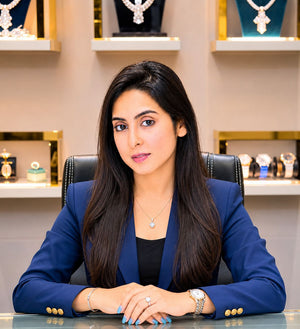
Aumsri Pradhan
Founder, Ivevar Luxury
Aumsri Pradhan is the founder of Ivevar Luxury, a Surat-based fine jewelry brand that designs and handcrafts lab grown diamond and moissanite jewelry in its own workshop. She leads the brand's design and customer experience, from engagement rings and bridal sets to custom pieces made to each client's story. Through the Ivevar blog, she shares practical guidance on lab grown diamonds, moissanite, diamond grading and ring design to help buyers choose with confidence.


