

 Engagement Rings
 Anniversary Rings
 Solitaire Rings
 Halo Rings
 Toi Moi Rings
 Three Stone Rings
 Nature Inspired Rings
 Rose Cut Rings
 Fancy Color Rings
 Antique Cut Rings
 Wedding Rings
 Wedding Band Rings
 Exclusive Lab Grown Diamond Rings
 All Lab Grown Diamond Ring
 Engagement Rings
 Three Stone Rings
 Fancy Color Rings
 Antique Cut Rings
 Daily Wear Rings
 Wedding Band Rings
 Exclusive Moissanite Rings
 Earrings
 Bracelet
 Pendant
 Necklace
 Men's Ring
 Bridal Sets
 Rings
 Earrings
 Tennis chain
 Cuban Chains
 Custom Pendant
 Custom Ring
 Custom Teeth Grillz
 Round
 Oval
 Cushion
 Marquise
 Pear
 Emerald
 Heart
 Princess
 Rose Cut
 Radiant
 Antique Cut
 Brooch
 Cufflink
 Keychain
 Unique Products
 +91-9265051773
 Virtual Appointment
 log in




Short answer: Rhodium plating is a very thin layer of rhodium, a bright white metal from the platinum family, applied to white gold (and often to sterling silver) to give it a crisp, mirror-white finish and a harder surface. White gold underneath is naturally slightly warm or greyish. With daily wear the plating slowly wears away, often within 1 to 3 years on rings, and a faint yellow tone starts to show. A jeweler can clean, polish and replate the piece in a short visit, bringing back the bright white look.
If you own white gold, or are deciding between white gold, yellow gold and platinum, rhodium plating is one of the most useful things to understand. It explains why a new white gold ring looks so bright, why it can look a little different a couple of years later, and what simple maintenance keeps it looking new.
This guide covers what rhodium is, how plating is done, how long it lasts, how to tell when a piece needs replating, how to make the finish last longer, and how rhodium compares with platinum and other metals.
Rhodium Plating at a Glance
| Question | Answer |
|---|---|
| What is rhodium? | A rare, hard, highly reflective white metal in the platinum group |
| Why plate white gold? | A brighter, cooler white color and a harder protective surface |
| How long does it last? | About 1 to 3 years on rings; longer on earrings and pendants |
| How is it redone? | The piece is cleaned, polished and electroplated by a jeweler |
| Does platinum need it? | No. Platinum is naturally white |
| Is it hypoallergenic? | Rhodium itself is; it can cover some alloy metals while intact |
What Is Rhodium?
Rhodium is a precious metal in the platinum group, the same family as platinum and palladium. It is silvery white, very reflective and much harder than gold. It also resists tarnish and corrosion, so it does not darken in air the way silver does.
Rhodium is rarely used to make whole pieces of jewelry. It is brittle and difficult to work into rings or chains. Instead, jewelers use a tiny amount of it as a surface coating. The layer is measured in microns, far thinner than a sheet of paper, yet it changes how the whole piece looks.
Why white gold needs it
Pure gold is yellow. To make white gold, jewelers mix gold with white metals such as palladium, silver or, in some alloys, nickel. The result is a pale metal, but it usually still has a soft warm, champagne or grey cast. Rhodium plating sits on top of that alloy and gives the bright, cool white that most people picture when they think of white gold.
The same principle applies at every gold purity. A 14K white gold ring has more alloy metal than an 18K one, and the underlying tone can vary slightly between alloys, but both are almost always finished with rhodium so the color is consistent.
How Rhodium Plating Is Done
Rhodium is applied by electroplating. The process is simple to describe, but the preparation is what makes a good finish.
- Inspection: The jeweler checks stones and prongs first. Plating will not fix a loose stone, so any repairs happen before the finish.
- Cleaning: The piece is cleaned with steam or an ultrasonic bath to remove oil, lotion and dirt. Any residue would stop the rhodium from bonding evenly.
- Polishing: Scratches are polished out so the surface is smooth. Rhodium copies whatever surface is beneath it, so a scratched base gives a scratched finish.
- Degreasing and rinsing: A final clean removes polishing compound.
- Electroplating: The piece is dipped in a rhodium solution and a small electric current deposits a thin, even layer of rhodium onto the metal.
- Rinsing and drying: The piece is rinsed, dried and checked under light for an even color.
For most rings this is a short job. Many jewelers can replate a simple ring the same day or within a few days, depending on how busy they are and whether other work is needed first.
Tip: Ask the jeweler to check prongs and tighten any loose stones at the same visit. The piece is already being cleaned and inspected, so it is the easiest time to catch small problems.
How Long Does Rhodium Plating Last?
There is no fixed lifespan. How fast rhodium wears depends mainly on friction: how often the piece rubs against hands, desks, other rings, bag handles and clothing.
| Piece | Typical wear | Why |
|---|---|---|
| Engagement ring or wedding band | About 1 to 3 years | Constant contact with hands and surfaces |
| Cocktail or occasional ring | Several years | Worn less often |
| Bracelet | A few years | Rubs on wrists, desks and keyboards |
| Pendant | Many years | Little direct friction |
| Stud earrings | Many years | Almost no contact |
Even on the same type of ring, the plating will last longer for someone who works at a desk than for someone who gardens, lifts weights or does a lot of manual work. It also tends to wear first on the underside of the band and the inside of the shank, because those areas take the most friction.
Thickness and alloy also matter
A thicker plating layer generally lasts longer than a very thin flash coat. The underlying white gold alloy also matters. A whiter base alloy will show less contrast as the rhodium thins, so the change is less noticeable even when the plating has started to wear.
Signs Your Ring Needs Replating
- Yellow or grey tint: A slightly yellow or grey tone, especially on the underside of the band.
- Uneven color: The band looks warmer than the setting, or one side looks different from the other.
- Dull shine: Fine scratches dull the mirror finish even after cleaning.
- Mismatched set: Your engagement ring and wedding band no longer match in color.
A useful test is to clean the ring first with warm water, mild soap and a soft brush. Lotion and skin oil can make metal look dull or slightly yellow. If the color still looks warm after a proper clean, the rhodium is probably wearing thin.
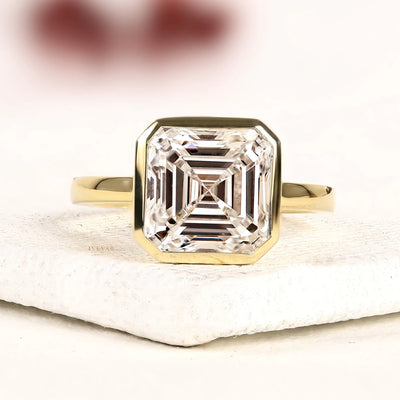
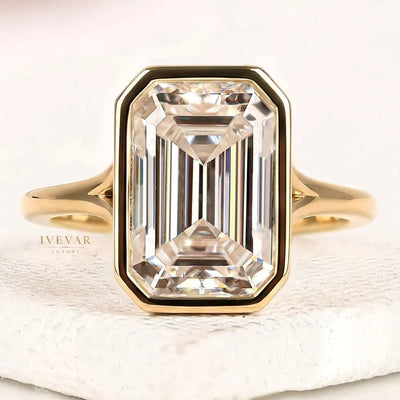
 Shown: Art Deco Bezel Set Asscher Cut Moissanite Anniversary Ring
How to Make Rhodium Last Longer
You cannot stop rhodium from wearing completely, but simple habits can slow it down a lot.
- Take rings off for hard work: Remove rings for the gym, gardening, cleaning and moving furniture.
- Avoid chemicals: Chlorine, bleach and harsh household cleaners can attack the finish and the alloy beneath. Take jewelry off before swimming pools and hot tubs.
- Put jewelry on last: Apply lotion, perfume, hair spray and sunscreen before your jewelry, not after.
- Store pieces separately: Diamonds and moissanite are harder than rhodium and can scratch other pieces. Use separate pouches or a lined box with compartments.
- Clean gently: Use mild soap, warm water and a soft brush. Avoid abrasive powders and toothpaste, which polish away the surface.
- Avoid harsh polishing cloths: Some silver cloths contain mild abrasives. Use a soft lint-free cloth for white gold.
Stacking rings
Rings worn side by side rub against each other all day. If you stack an engagement ring with a wedding band, expect the facing edges to wear first. A contoured band that sits neatly against the engagement ring reduces movement and friction. Browse lab grown wedding bands for styles designed to sit flush.
Rhodium on Silver and Yellow Gold
Rhodium is not only for white gold. It is used on other metals for both looks and protection.
- Sterling silver: Silver tarnishes when it reacts with sulfur in the air. Rhodium plating seals the surface, so plated silver stays bright with much less polishing. It also makes silver harder to scratch.
- Yellow and rose gold settings: Some yellow or rose gold rings have white rhodium-plated prongs or heads. A white setting around a colorless stone keeps the stone from picking up a warm reflection from the gold.
- Black rhodium: A dark grey to black version used for dramatic contrast, for example on men's rings or to frame white stones. It wears in the same way as white rhodium, so high-contact areas may need refreshing over time.
Moissanite and lab grown diamonds are not affected by rhodium plating. The stones are far harder than the metal, and the plating process does not change their color, clarity or sparkle. What you will notice is that a crisp white setting makes colorless stones look whiter.
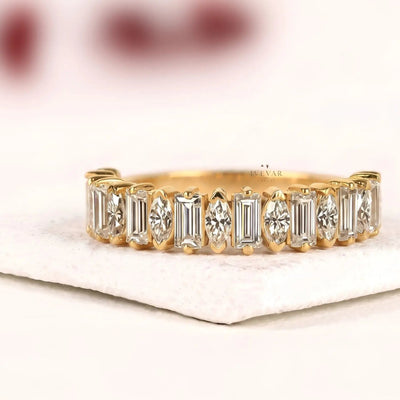
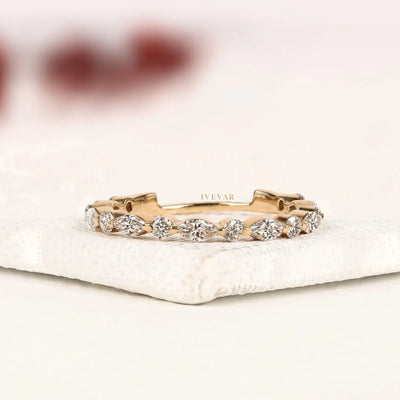
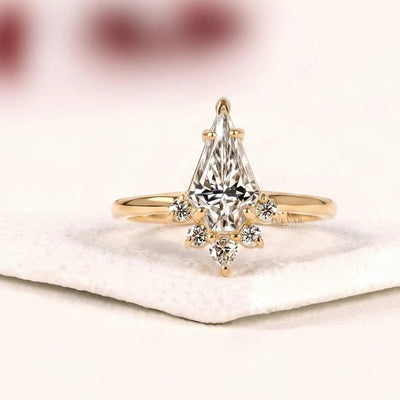
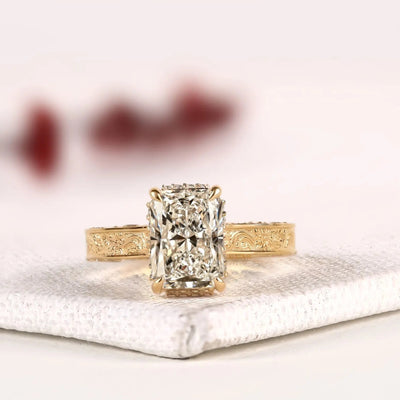
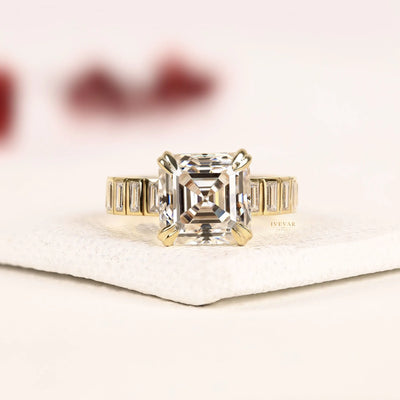
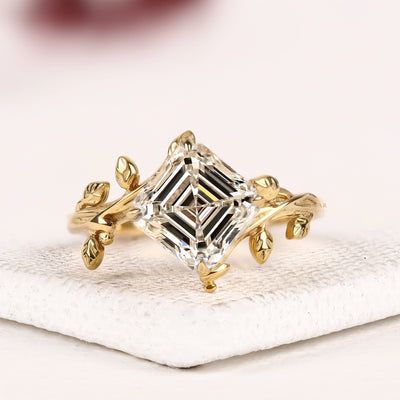
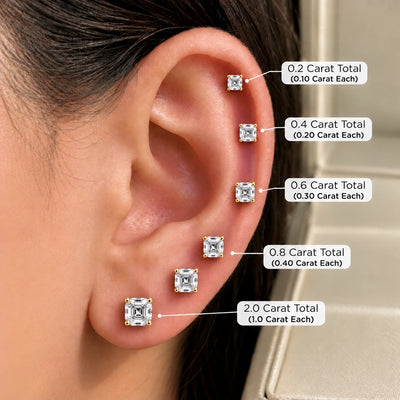
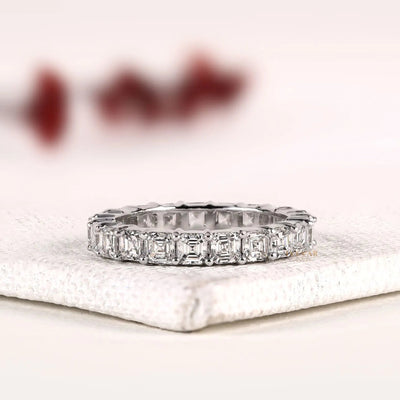
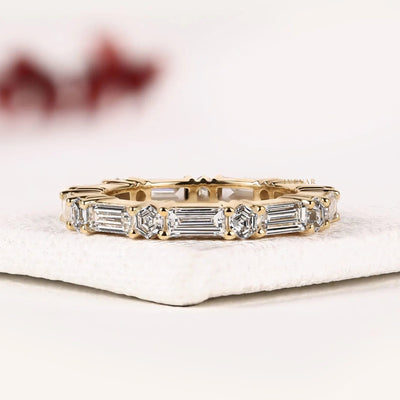
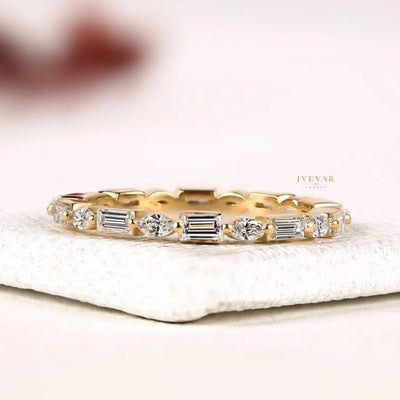
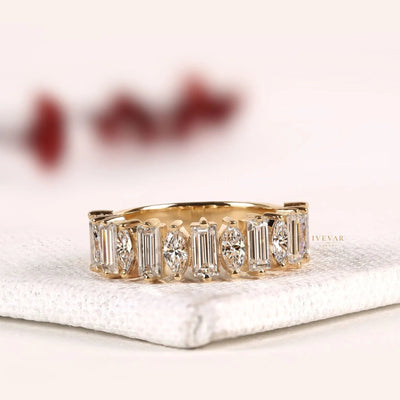
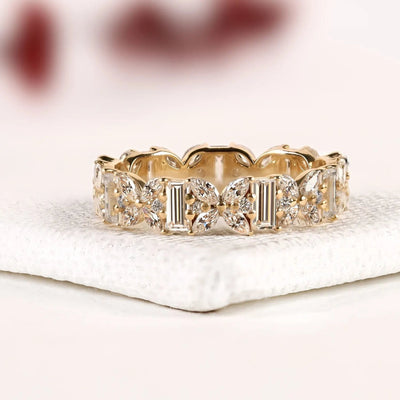
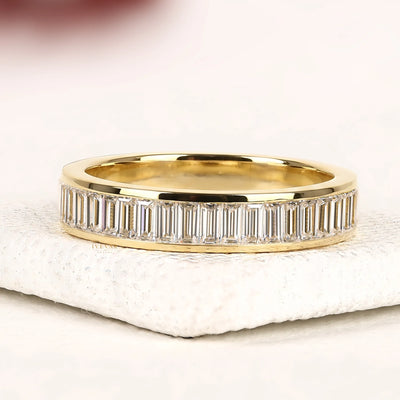
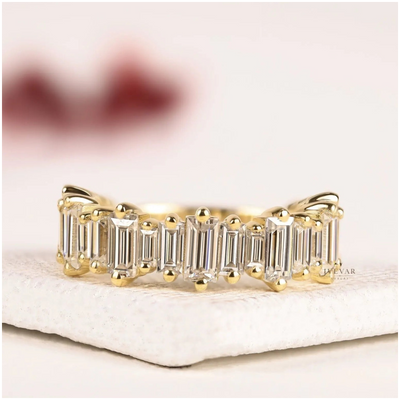
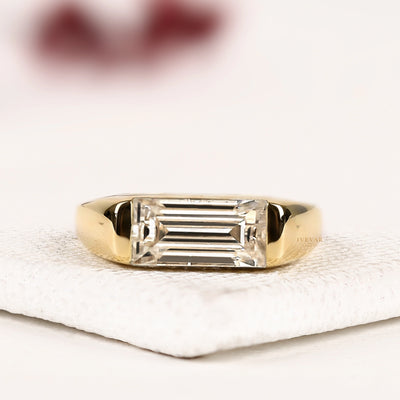
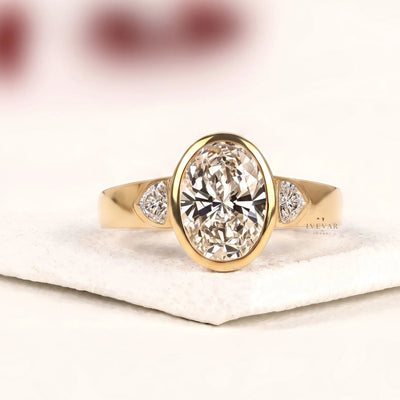
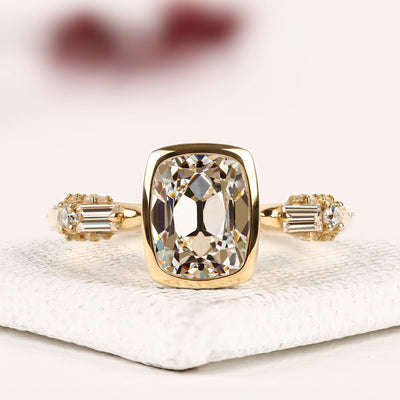
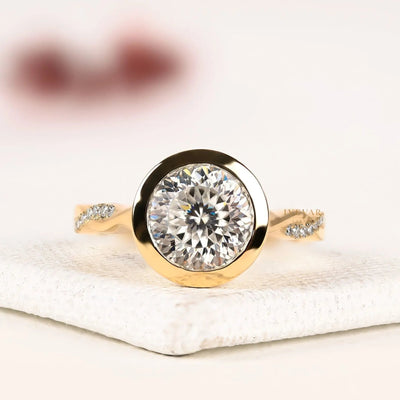
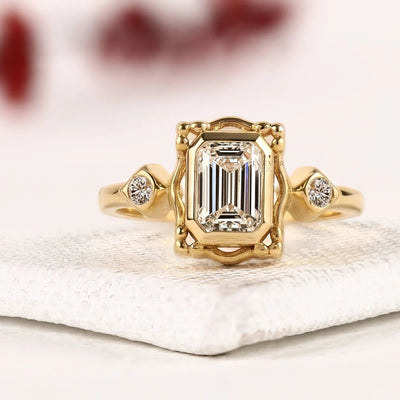
Shop the styles in this guide



Does Rhodium Plating Help with Metal Allergies?
Rhodium itself is considered hypoallergenic. Some white gold alloys contain nickel, which is a common skin allergen. While the rhodium layer is intact, it sits between the alloy and your skin.
The catch is that plating wears. Once it thins, some people with a nickel sensitivity notice itching or redness again, often on the underside of the band where the plating wears first. If you have a known nickel allergy, ask which white gold alloy is used, or consider yellow gold, rose gold or platinum. Our hypoallergenic jewelry guide covers the options in more detail.
Should You Choose White Gold or Platinum?
White gold costs less than platinum and looks very bright when freshly plated, but it needs occasional replating. Platinum is naturally white, so it never needs rhodium, but it costs more and develops a soft grey patina with wear that some people love and others polish away.
| Feature | Rhodium-plated white gold | Platinum |
|---|---|---|
| Color | Bright, cool white when plated | Naturally white, slightly greyer |
| Maintenance | Replating every few years on rings | Occasional polishing |
| Weight | Lighter | Heavier and denser |
| Cost | Lower | Higher |
| How it ages | Can show a warm tone as plating wears | Develops a soft patina |
If you prefer the look of a warm metal anyway, yellow gold and rose gold need no plating at all. Read our jewelry metals guide and our comparison of yellow gold vs white gold.
Questions to Ask Before Buying White Gold
A few simple questions at the time of purchase will tell you what upkeep to expect and help you pick the right metal from the start.
- What karat is it? 10K, 14K and 18K white gold all look bright when plated. Higher karat means more gold in the alloy; lower karat is generally a little harder and more scratch resistant.
- Is it rhodium plated? Almost all white gold is, but it is worth confirming so you know the bright finish is a plating that will need refreshing.
- What is in the alloy? If you have sensitive skin, ask whether the alloy contains nickel or uses palladium or other white metals instead.
- How will I wear it? A ring worn every day for manual work will need replating sooner than one worn mostly at the office or for evenings out. Be honest about your routine.
- Does the design have hard-to-reach areas? Pave bands, milgrain edges and intricate galleries look beautiful but take more care to polish and replate evenly, so choose an experienced jeweler for maintenance.
Can rhodium plating be done too often?
Replating itself adds metal rather than removing it. The polishing step that comes before it, however, removes a very small amount of the gold surface each time. On a ring that is replated every year or two for decades, that adds up slowly, mainly on thin areas such as prongs and the bottom of the shank.
A good jeweler will polish lightly and only as much as needed. If a ring is replated regularly, ask them to check prong tips and band thickness at the same time, and to re-tip worn prongs before they become a risk to the stone.
Tip: If you only notice warm tones on the underside of the band, there is no urgency. Many people wait until the color difference is visible from the top before booking a replating visit.
What to expect at a replating visit
Bring the piece clean and mention any concerns, such as a stone that feels loose or a prong that catches on clothing. The jeweler will usually inspect it, quote for the work, and give a collection time. When you collect it, check the color in daylight, look along the underside of the band, and make sure every stone is secure before you leave. A freshly plated ring should look evenly bright from every angle, with no patchy or cloudy areas.
White Gold at Ivevar
We finish white gold pieces with bright rhodium plating in our Surat workshop. Our jewelry is made in 10K, 14K and 18K gold, set with moissanite or lab grown diamonds, and many of our lab grown diamonds come with IGI certificates. Every piece ships free worldwide and comes with 30-day easy returns. Browse moissanite anniversary rings, lab grown diamond rings and moissanite rings in white, yellow or rose gold.
If you are not sure which metal suits your lifestyle, our team can help you compare options over a virtual appointment, and we also make custom designs in the metal of your choice.
Shop Bright White Rings
 Art Deco Asscher RingShop Now
 Asscher Pave RingShop Now
 Asscher Split Shank RingShop Now
 Chevron Asscher RingShop Now
 Cluster Split Shank RingShop Now
 Double Halo Split ShankShop Now
Swipe to see more → | View anniversary rings
Frequently Asked Questions
What is rhodium plating?
A thin layer of rhodium, a bright white platinum-group metal, electroplated onto white gold or silver to brighten it and add a harder surface.
How often should I replate white gold?
About every 1 to 3 years for rings worn every day. Earrings and pendants can go much longer because they see little friction.
Is rhodium plating expensive?
It is usually an affordable routine service. The cost depends on the size of the piece and whether polishing or repairs are needed first.
Does platinum need rhodium?
No. Platinum is naturally white and does not need plating.
Can rhodium cause allergies?
Rhodium is hypoallergenic. It can cover nickel in some white gold alloys, but once it wears thin the alloy can touch the skin again.
Will replating damage my stones?
No. Lab grown diamonds and moissanite are much harder than rhodium and are unaffected by the plating process. The jeweler should still check settings first.
Can I replate my ring at home?
It is not recommended. Good plating needs professional cleaning, polishing and electroplating equipment. Home kits tend to give an uneven, short-lived finish.
Is yellow gold ever rhodium plated?
Sometimes only the prongs or head are plated white so that colorless stones look whiter. The rest of the ring stays yellow.
Does rhodium plating make silver tarnish-proof?
It makes silver highly tarnish resistant while the layer is intact. Once it wears through, the exposed silver can tarnish again.
The Bottom Line
Rhodium is what gives white gold its bright, cool white look. It is thin, so it wears with time, especially on rings, but replating is quick and restores the original finish. If you want white metal with no upkeep, choose platinum; if you prefer lighter weight and a lower cost, white gold with occasional replating is a practical choice.
Related Guides

Author Bio
Aumsri Pradhan
Founder, Ivevar Luxury
Aumsri Pradhan is the founder of Ivevar Luxury, a Surat-based fine jewelry brand that designs and handcrafts lab grown diamond and moissanite jewelry in its own workshop. She leads the brand's design and customer experience, from engagement rings and bridal sets to custom pieces made to each client's story. Through the Ivevar blog, she shares practical guidance on lab grown diamonds, moissanite, diamond grading and ring design to help buyers choose with confidence.


