

 Engagement Rings
 Anniversary Rings
 Solitaire Rings
 Halo Rings
 Toi Moi Rings
 Three Stone Rings
 Nature Inspired Rings
 Rose Cut Rings
 Fancy Color Rings
 Antique Cut Rings
 Wedding Rings
 Wedding Band Rings
 Exclusive Lab Grown Diamond Rings
 All Lab Grown Diamond Ring
 Engagement Rings
 Three Stone Rings
 Fancy Color Rings
 Antique Cut Rings
 Daily Wear Rings
 Wedding Band Rings
 Exclusive Moissanite Rings
 Earrings
 Bracelet
 Pendant
 Necklace
 Men's Ring
 Bridal Sets
 Rings
 Earrings
 Tennis chain
 Cuban Chains
 Custom Pendant
 Custom Ring
 Custom Teeth Grillz
 Round
 Oval
 Cushion
 Marquise
 Pear
 Emerald
 Heart
 Princess
 Rose Cut
 Radiant
 Antique Cut
 Brooch
 Cufflink
 Keychain
 Unique Products
 +91-9265051773
 Virtual Appointment
 log in




Short answer: A simple jewelry maintenance schedule keeps your pieces sparkling and secure: daily, remove rings for workouts, cleaning and swimming; weekly, clean everyday pieces in warm soapy water; every 6 months, have a jeweler professionally clean and check prongs; every 1 to 3 years, rhodium replate white gold rings; and every 2 to 5 years, update appraisals for insurance.
A little regular care prevents most jewelry problems. Lost stones, bent prongs and snapped chains rarely happen out of nowhere. They usually follow small signs of wear that build up over months, and most of them can be caught early with a few minutes of attention.
This guide turns jewelry care into an easy routine. It covers what to do every day, week, month and year, the warning signs to watch for, how care differs for rings, necklaces and earrings, and how to look after diamond, moissanite and gold pieces.
Jewelry Care Calendar
Use this calendar as your master checklist. Pieces you wear every day, such as an engagement ring or wedding band, need the full routine. Pieces you wear now and then need less frequent cleaning but the same yearly checks.
| How often | What to do |
|---|---|
| Daily | Put jewelry on last, take it off first; remove for workouts, swimming, cleaning and sleep |
| Weekly | Soak in warm water with mild soap and brush gently |
| Monthly | Check for loose stones by gently shaking near your ear; inspect clasps |
| Every 6 months | Professional cleaning and prong inspection |
| Every 1 to 3 years | Rhodium replating for white gold rings |
| Every 2 to 5 years | Update appraisal and insurance |
| Every 10 to 20 years | Re-tip or rebuild worn prongs and thin bands |
Set a phone reminder for the monthly check and the six-monthly jeweler visit. Those two habits catch most problems before they become expensive.
Keep a simple care log
Write down the date of each professional cleaning, prong check, replating and appraisal in a note on your phone. A log makes it easy to see when the next visit is due, and it gives your insurer and jeweler a clear history if you ever need a repair or make a claim.
Daily Habits
Most damage happens during ordinary activities, not accidents. These daily habits protect your jewelry with almost no effort.
- Last on, first off: put jewelry on after lotion, perfume, hairspray and makeup, and take it off before you undress or wash your face.
- Remove for hard work: take rings off for the gym, gardening, moving furniture and heavy cleaning. Knocks and pressure bend prongs and shanks.
- Avoid chlorine and harsh chemicals: pool and hot tub chlorine and household bleach can weaken gold alloys over time.
- Take it off for sleep: rings can catch on bedding, and necklaces can tangle or kink overnight.
- Use a safe spot: keep a ring dish by the sink and bed, never on the edge of a basin where it can slip down a drain.
Cooking and hand washing
Many people keep their rings on while cooking and washing hands, and that is fine for most pieces. The catch is buildup: dough, oil and soap work their way under the setting and dull the stone. If you knead dough, handle raw meat or use hand sanitizer often, take rings off for those tasks or plan on a quick extra clean during the week.
Tip: Lotion and soap leave a film on the back of a stone, and that film is the main reason sparkle fades between cleanings. Putting rings on after lotion has dried keeps them brighter for longer.
Weekly Cleaning at Home
Diamond, moissanite and gold all respond well to a gentle home clean. Once a week is ideal for pieces you wear every day.
- Mix the solution: a bowl of warm (not hot) water with a few drops of mild dish soap.
- Soak: leave the piece for 15 to 20 minutes to loosen oils and residue.
- Brush: use a soft toothbrush to clean behind the stone and under the prongs, where grime collects.
- Rinse: rinse under warm running water with the sink plugged or a strainer underneath.
- Dry: pat dry with a lint-free cloth and let the piece air-dry fully before storing.
What to avoid
- Toothpaste and baking soda: both are abrasive and can scratch gold.
- Bleach and chlorine: they can damage gold alloys.
- Paper towels and tissues: their fibers can scratch polished metal and snag on prongs.
- Ultrasonic cleaners for fragile pieces: they are fine for most solid diamond and moissanite jewelry in good condition, but can shake loose stones that are already insecure and can damage softer gems.
Cleaning pave, halo and cluster settings
Pieces with many small stones collect grime fastest, because every tiny gap traps oil and soap. Soak them a little longer, then brush gently in several directions so the bristles reach each opening. Avoid pressing hard on the band, since small beads that hold pave stones can wear down with heavy scrubbing. If a halo still looks cloudy after cleaning, a professional steam clean usually brings it back.
Read how to clean diamond and moissanite jewelry and our jewelry care page.
Monthly Checks
Once a month, take five minutes under good light to check your most-worn pieces. You are looking for the early signs of wear that a jeweler can fix quickly.
- The shake test: hold the ring near your ear and tap it gently. Any click or rattle suggests a loose stone.
- Prong check: look at each prong from the side. They should sit firmly over the stone and look evenly rounded.
- Snag test: run the ring lightly over a cotton cloth or pair of tights. Catching often means a lifted prong.
- Clasp check: open and close necklace and bracelet clasps. They should snap shut firmly.
- Earring backs: check that backs grip the post tightly and do not slide off easily.
Warning Signs to Watch For
Between scheduled checks, stay alert to these signs. Each one means the piece needs attention soon.
- Movement: a stone that moves or rattles.
- Snagging: prongs that catch on clothing.
- Thinning: thin, flattened or cracked areas on the band.
- Loose clasps: clasps that open easily.
- Bent shape: a ring that is no longer round, or a pave band where stones look uneven.
- Yellowing white gold: a warm tone showing through, especially on the palm side, means the rhodium is wearing off.
If you notice any of these, stop wearing the piece and have it checked.
 Shown: Cushion Cut Moissanite Solitaire Engagement Ring
Professional Care Every 6 Months
A professional check twice a year is the single best habit for an engagement ring or any piece you wear daily. A jeweler can see wear that is hard to spot at home.
What a jeweler checks
- Prongs and settings: under magnification, looking for thin, bent or lifted prongs.
- Stone security: each stone is tested to make sure it does not move.
- Band condition: looking for thinning, cracks or a misshapen shank.
- Clasps and links: on necklaces and bracelets.
Professional cleaning and polishing
Jewelers use ultrasonic and steam cleaners to remove grime from hard-to-reach places, then polish the metal to remove light scratches. Polishing removes a very thin layer of metal each time, so it is best done when needed rather than at every visit.
What to bring and ask
Bring the piece clean, along with any grading report, so the jeweler can match stones if needed. Ask them to point out any prongs that are close to needing re-tipping, and to tell you whether the band is still a healthy thickness. Ask for a short note of what was checked or repaired, and add it to your care log.
Yearly and Long-Term Maintenance
Some care happens on a longer cycle. Plan for these so they do not catch you by surprise.
| Task | Typical timing | Why it matters |
|---|---|---|
| Rhodium replating | Every 1 to 3 years | Restores the bright white finish of white gold |
| Appraisal update | Every 2 to 5 years | Keeps insurance coverage accurate |
| Prong re-tipping | When prongs look thin or flat | Adds new metal so stones stay secure |
| Shank repair or rebuild | When the band thins | Restores strength to the bottom of the ring |
| Restringing pearls or beads | When strands stretch | Prevents breakage |
Rhodium plating
White gold is usually plated with rhodium for a bright white finish. Rhodium wears with use, especially on the underside of rings. How quickly depends on how often you wear the piece and what you do with your hands. Yellow and rose gold do not need plating.
Re-tipping and rebuilding
Over many years, prongs and the bottom of a ring band slowly wear thin. A jeweler can add new metal to the tips of prongs, called re-tipping, or replace a worn section of the band. Doing this in time is far cheaper than replacing a lost stone.
When your ring size changes
Fingers change size with temperature, weight changes and pregnancy, and a ring that is too loose is more likely to slip off. If a ring spins or slides over the knuckle easily, ask a jeweler about resizing or adding sizing beads. Note that some designs, such as full eternity bands, are hard to resize because stones run all the way around the band.
See rhodium plating explained and jewelry appraisal explained for more.
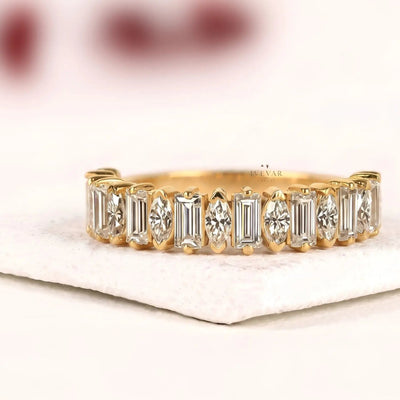
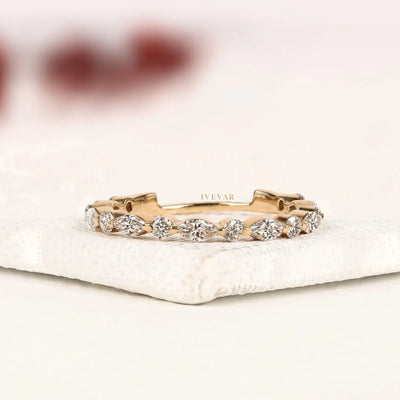
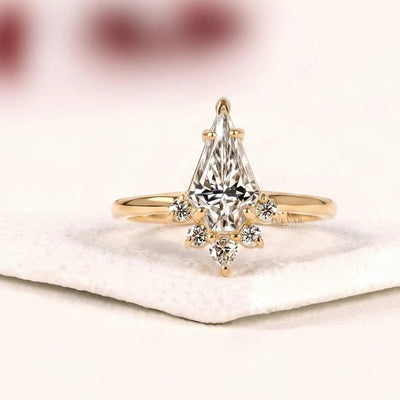
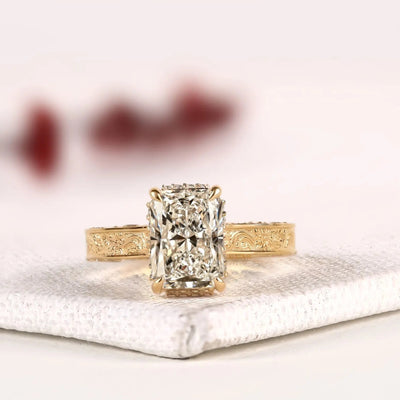
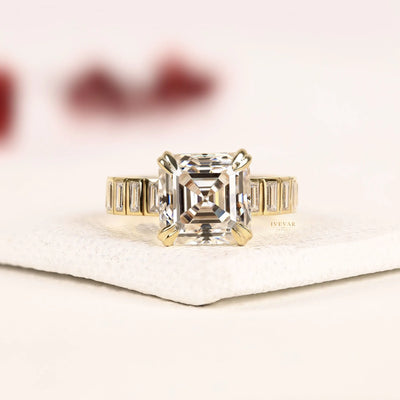
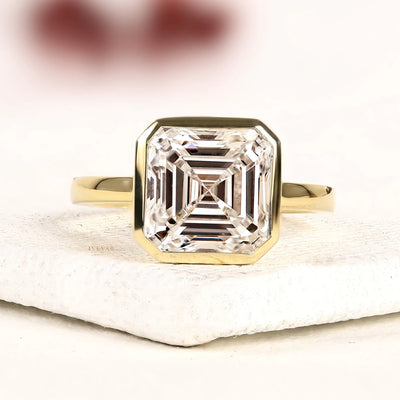
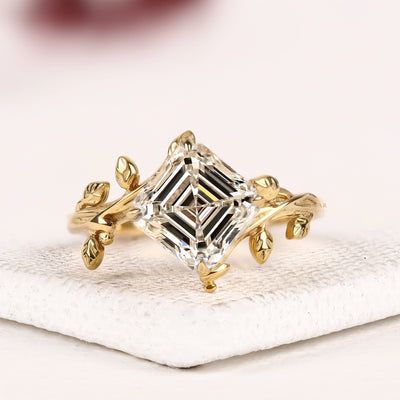
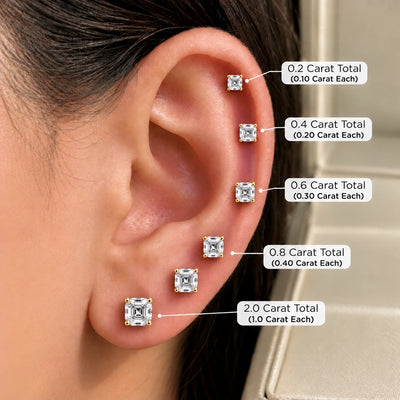
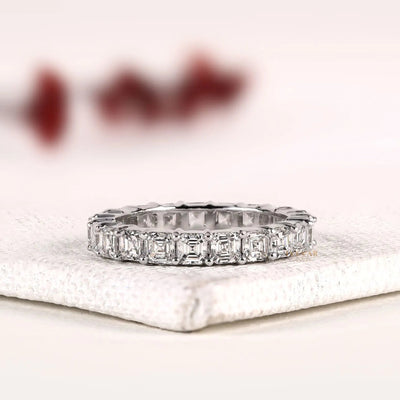
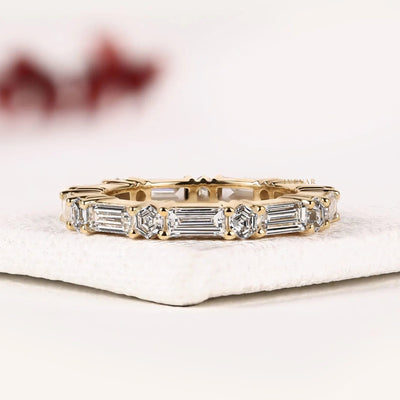
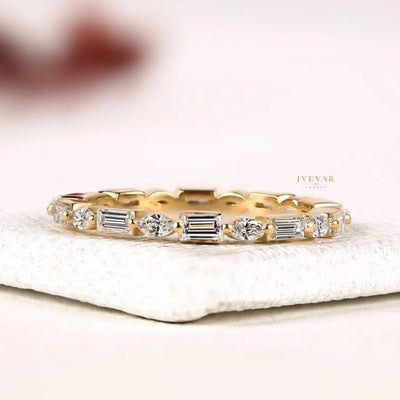
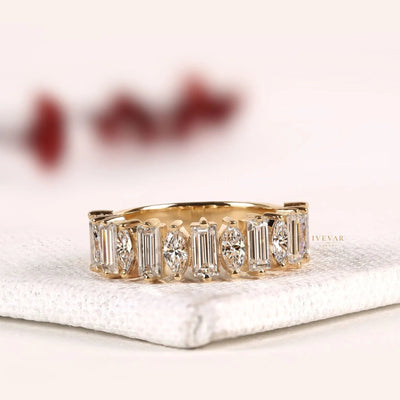
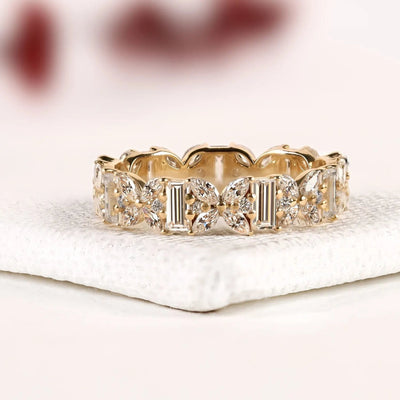
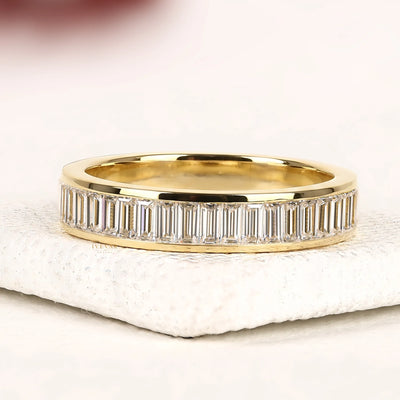
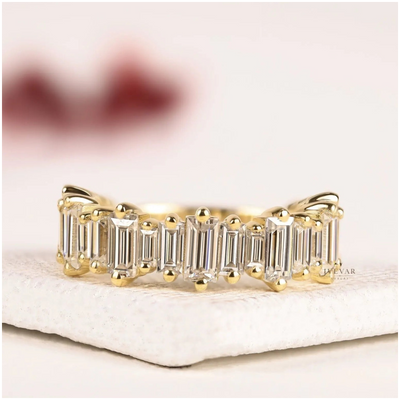
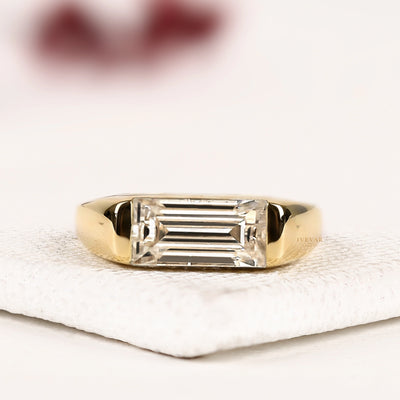
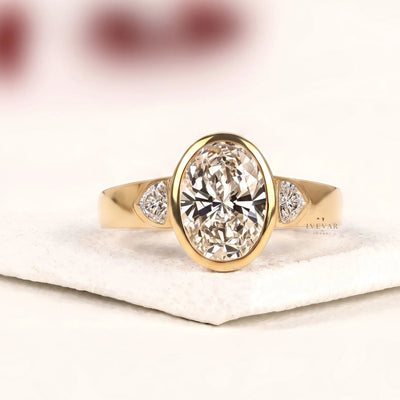
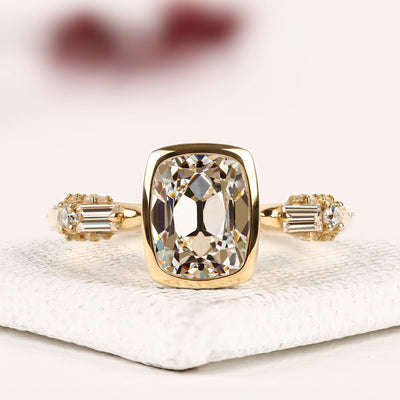
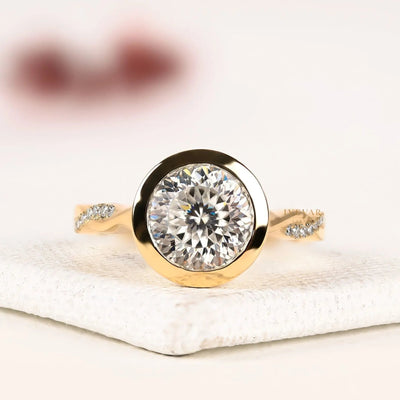
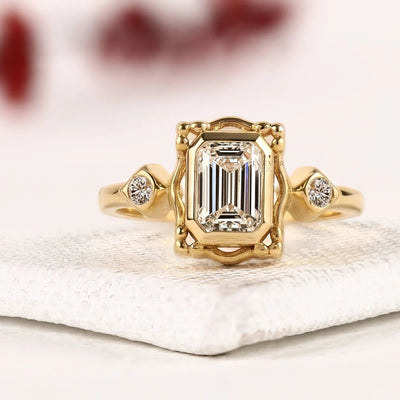
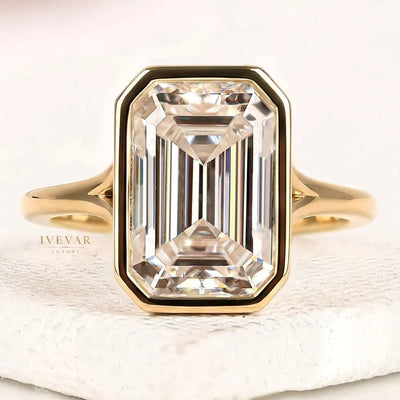
Shop the styles in this guide



Care by Jewelry Type
Rings
Rings take the most wear. Clean weekly and check prongs twice a year. Engagement rings with tall settings or pave bands need extra attention, because they take knocks and their tiny beads can wear down over time.
Necklaces and bracelets
Check clasps and links monthly; store flat or hanging. Fasten chains before storing to stop tangles, and remove bracelets before typing or desk work, where they rub against hard surfaces. Tennis bracelets and tennis chains have many hinged links, so check every link for movement.
Earrings
Clean posts and backs weekly; replace worn backs. Screw backs or secure locking backs are worth considering for valuable studs. Wipe posts with a little rubbing alcohol for hygiene before reinserting them.
Pendants
Check the bail, the loop that holds the pendant to the chain, for wear. Metal rubbing on metal slowly thins the bail and the chain links it touches.
Men's rings and bands
Men's rings and wide bands often take heavier knocks at work, at the gym and during sports. Choose a comfortable width you will actually take off for heavy tasks, and check any set stones as often as you would on an engagement ring. Brushed or matte finishes hide everyday scratches well and can be refinished by a jeweler.
Care by Material
Different stones and metals have different needs. This quick reference shows what to keep in mind for the materials you are most likely to own.
| Material | Hardness or key trait | Care notes |
|---|---|---|
| Diamond (mined or lab grown) | 10 on the Mohs scale | Very scratch-resistant but attracts grease; clean weekly |
| Moissanite | 9.25 on the Mohs scale | Durable and heat-resistant; clean the same way as diamond |
| Yellow and rose gold | Alloyed for strength | Polish when scratched; no plating needed |
| White gold | Rhodium-plated | Replate when warm tones show through |
Lab grown diamonds are chemically, physically and optically the same as mined diamonds, so they need exactly the same care. Moissanite, which is silicon carbide rather than diamond, is nearly as hard and just as easy to look after. Both can be cleaned at home with soap and water.
Gold karat and wear
Higher-karat gold contains more pure gold, which is soft. 18K gold has a richer color but scratches and wears a little faster than 14K or 10K. If you are hard on your hands, 14K or 10K gives a tougher everyday ring.
Storage and Travel
- Separate pieces: store each piece in its own pouch or lined compartment, because diamond and moissanite can scratch gold and other stones.
- Hang or lay chains flat: this prevents tangles and kinks.
- Keep it dry: store away from bathrooms and humidity, which speed up tarnish on some alloys.
- Travel smart: carry valuable jewelry in your hand luggage, use a small travel case, and leave pieces you do not need at home.
Beach, pool and holiday care
Sand is abrasive, sunscreen leaves a film and chlorine can weaken gold over time, so holidays are hard on jewelry. Wear only simple pieces on the beach, take rings off before swimming, since cold water can shrink fingers and let rings slip off, and give everything a gentle clean when you get home.
Care Support at Ivevar
We handcraft durable pieces in our Surat workshop and are happy to advise on care and repairs. Our lab grown diamonds, many with IGI certificates, and our moissanite are set in 10K, 14K or 18K gold, built for everyday wear. Every piece ships free worldwide, with 30-day easy returns, and you can book a virtual appointment if you have questions. Browse moissanite engagement rings, lab diamond engagement rings or our lab grown wedding bands.
Shop Everyday Moissanite Rings
 Cushion Solitaire RingShop Now
 Round Solitaire Plain BandShop Now
 Oval Bridal RingShop Now
 Round Three Stone RingShop Now
 Cushion Three Stone PaveShop Now
 Oval Eternity BandShop Now
Swipe to see more → | View moissanite engagement rings
Frequently Asked Questions
How often should I clean my engagement ring?
Weekly at home, with professional cleaning every 6 months.
How often should prongs be checked?
Every 6 to 12 months by a jeweler, plus a quick monthly check at home.
Should I sleep in my rings?
It is best to remove them to reduce wear and snagging.
When do prongs need re-tipping?
When they look thin, flat or worn, often after many years.
Can I clean jewelry with toothpaste?
No. It is abrasive; use mild soap instead.
How often does white gold need replating?
Typically every 1 to 3 years, depending on how often you wear it and how hard you are on your hands.
Is moissanite harder to care for than diamond?
No. At 9.25 on the Mohs scale, moissanite is very durable and is cleaned and maintained the same way as diamond.
What should I do if a stone falls out?
Stop wearing the piece, keep the stone safe in a small sealed bag if you find it, and take both to a jeweler. Do not try to push the stone back in yourself.
Can I use an ultrasonic cleaner at home?
For solid diamond and moissanite jewelry in good condition, usually yes. Avoid it for pieces with loose stones or softer gems.
The Bottom Line
Daily habits, weekly cleaning, monthly checks and twice-yearly checkups keep your jewelry beautiful and secure for decades.
Related Guides

Author Bio
Aumsri Pradhan
Founder, Ivevar Luxury
Aumsri Pradhan is the founder of Ivevar Luxury, a Surat-based fine jewelry brand that designs and handcrafts lab grown diamond and moissanite jewelry in its own workshop. She leads the brand's design and customer experience, from engagement rings and bridal sets to custom pieces made to each client's story. Through the Ivevar blog, she shares practical guidance on lab grown diamonds, moissanite, diamond grading and ring design to help buyers choose with confidence.


