

 Engagement Rings
 Anniversary Rings
 Solitaire Rings
 Halo Rings
 Toi Moi Rings
 Three Stone Rings
 Nature Inspired Rings
 Rose Cut Rings
 Fancy Color Rings
 Antique Cut Rings
 Wedding Rings
 Wedding Band Rings
 Exclusive Lab Grown Diamond Rings
 All Lab Grown Diamond Ring
 Engagement Rings
 Three Stone Rings
 Fancy Color Rings
 Antique Cut Rings
 Daily Wear Rings
 Wedding Band Rings
 Exclusive Moissanite Rings
 Earrings
 Bracelet
 Pendant
 Necklace
 Men's Ring
 Bridal Sets
 Rings
 Earrings
 Tennis chain
 Cuban Chains
 Custom Pendant
 Custom Ring
 Custom Teeth Grillz
 Round
 Oval
 Cushion
 Marquise
 Pear
 Emerald
 Heart
 Princess
 Rose Cut
 Radiant
 Antique Cut
 Brooch
 Cufflink
 Keychain
 Unique Products
 +91-9265051773
 Virtual Appointment
 log in




Short answer: Solid gold (10K, 14K, 18K) is gold alloy all the way through and lasts a lifetime. Gold vermeil is sterling silver with a thick layer of gold (in the US, at least 10K gold and 2.5 microns thick). Gold plated jewelry has a thin gold layer over a base metal such as brass, which can wear off within months. Gold filled jewelry has a much thicker bonded gold layer than plating. For engagement rings and everyday pieces you want to keep, solid gold is the best long-term value.
Gold jewelry labels can be confusing. Two necklaces can look identical in a photo, yet one is solid 14K gold that will last for generations and the other is a thin gold coating that may show its base metal within a season. The difference is not always obvious from the price tag or the product name.
This guide explains exactly what each term means, how long each type lasts, how they affect sensitive skin, how to spot what you are buying, and when each one makes sense. It also includes a quick checklist you can use before any gold purchase.
Gold Types Compared
Here is the short version. Each type is explained in more detail below.
| Type | What it is | Durability | Price |
|---|---|---|---|
| Solid gold | Gold alloy throughout (10K to 18K) | Lifetime | Highest |
| Gold filled | Thick gold layer bonded to brass (about 5% of weight) | Years to decades | Mid |
| Gold vermeil | Sterling silver with a thick gold layer (US: 10K+, 2.5 microns+) | Years with care | Mid |
| Gold plated | Thin gold layer over base metal | Months to a couple of years | Lowest |
What Each Term Means
Here is what sits behind each label, from the most durable option to the least.
Solid Gold
Solid gold means the metal is the same gold alloy all the way through. If you cut a solid 14K ring in half, the inside would be the same 14K gold as the outside. There is no coating to wear away.
- 10K gold: 41.7% pure gold, the most durable and affordable solid option.
- 14K gold: about 58.3% pure gold, the everyday favourite for rings and earrings.
- 18K gold: 75% pure gold, with a richer colour and softer feel.
Solid gold can be scratched, but it can always be polished back to a shine, resized and repaired. Its colour never wears off. White gold is the one exception to "nothing to wear away": it is usually given a rhodium finish for extra brightness, which can be renewed when it wears, while the gold underneath stays solid white gold.
Solid is not the same as hollow. Some chains and hoops are made of solid gold alloy but are hollow inside to save weight and cost. They are still real gold all the way through the metal wall, with no plating, but they dent more easily than fully solid pieces. If a product says "hollow" or feels surprisingly light for its size, it is worth asking.
Gold Vermeil
Vermeil (pronounced "ver-may") is a specific type of gold plating with stricter rules. In the US, a piece can be called vermeil only if it has a sterling silver base and a gold layer of at least 10K gold that is at least 2.5 microns thick. That is much thicker than ordinary plating.
- Real precious base: sterling silver underneath, rather than brass or copper.
- Thicker gold: lasts far longer than standard flash plating.
- Still a coating: with daily friction, especially on rings, the gold layer can eventually wear through to the silver.
- Can be replated: a jeweler can add a fresh gold layer when it wears.
Rules for using the word vermeil differ by country, so outside the US always check the stated base metal and gold thickness rather than relying on the name.
Gold Filled
Gold filled jewelry has a thick layer of gold mechanically bonded to a base metal core, usually brass, using heat and pressure. In the US, gold filled items must contain gold equal to at least one-twentieth of the total weight, which is why you often see stamps like "1/20 14K GF".
- Much thicker layer: many times thicker than standard plating, so it resists wear for years.
- Base metal core: the inside is still brass, so it is not solid gold.
- Good for chains and earrings: a practical middle ground for pieces that see moderate wear.
- Rolled gold plate: a similar process with less gold, often stamped RGP, which wears sooner.
Gold Plated
Gold plated jewelry is a base metal, often brass or copper, with a very thin layer of gold applied by electroplating. The layer is often well under one micron thick, sometimes called "flash plating". It gives a gold look at a low price, but it is not designed to last.
- GP: gold plated.
- GEP: gold electroplated, the same idea.
- HGE: heavy gold electroplate, a somewhat thicker plating, but still far thinner than vermeil or gold filled.
- Gold tone: may contain no gold at all; it simply describes the colour.
Some fashion jewelry now uses a PVD coating, a vacuum-deposited finish that can be more wear resistant than basic plating. It is still a surface coating, so the same advice applies: lovely for trends, not a substitute for solid gold.
Why Plating Wears Off
Friction, sweat, lotions, perfume and water gradually wear away thin gold layers, revealing the metal underneath. Rings and bracelets wear fastest because they rub against surfaces; earrings and pendants last longer because they are touched less.
- Friction: every time a ring touches a desk, a bag strap or another ring, a little gold rubs away.
- Sweat and skin chemistry: acids and salts on the skin react with base metals under thin plating.
- Chemicals: chlorine, cleaning sprays, perfume and hand sanitiser speed up wear and discolouration.
- Water: showering and swimming in plated jewelry shortens its life.
Tip: If you own plated or vermeil pieces, put them on last after perfume and lotion, take them off before washing hands or exercising, and store them in a dry, airtight pouch. These small habits noticeably extend the life of the gold layer.
Skin Sensitivity
Base metals in plated jewelry can contain nickel, a common allergen. Once the thin gold layer wears through, that metal touches your skin directly, which is why some people react to plated earrings after a few weeks. Solid 14K and 18K gold and sterling silver vermeil are usually better for sensitive skin. Read our hypoallergenic jewelry guide.
Earrings matter most, because posts sit inside the skin. If you react easily, choose solid gold posts even if the rest of your jewelry collection is plated.
 Shown: Blue Sapphire Heart Pendant Necklace with Earrings Set in 14K Gold
Cost Per Wear: Which Is Better Value?
Plated jewelry is cheap to buy, but it may need replacing again and again. Solid gold costs more upfront but can be worn daily for decades, and it keeps intrinsic metal value. Thinking in cost per wear makes the comparison clearer.
| Factor | Solid gold | Vermeil / filled | Plated |
|---|---|---|---|
| Upfront cost | High | Moderate | Low |
| Daily wear | Yes | With care | Not recommended |
| Water and sweat | Unaffected | Speeds wear | Damages quickly |
| Resizing and repair | Easy | Possible; may need replating | Rarely worthwhile |
| Metal value | Retains gold value | Small | Negligible |
| Holds diamonds securely | Yes | Less ideal | No |
If a piece is meant to be worn every day or to hold a valuable stone such as a lab grown diamond, solid gold almost always wins on value over time.
How to Tell What You Are Buying
- Stamps: 10K, 14K, 18K, 417, 585 or 750 indicate solid gold. GF means gold filled; GP, GEP or HGE mean gold plated. 925 alongside a gold colour usually means vermeil or gold-plated silver.
- Description: reputable sellers state the exact material, the karat and, for coatings, the base metal.
- Price: solid gold costs far more than plated pieces of the same design. A "solid gold" price that seems too good to be true deserves a closer look.
- Wear marks: on a used piece, a different coloured metal showing at edges or clasps means it is plated.
- Testing: a jeweler can test metal with acid testing or an XRF analyzer if you are unsure.
Read jewelry hallmarks and stamps for a full list of marks.
Questions to Ask Before You Buy
- Is it solid gold? Ask for the karat and whether it is solid or hollow.
- If not, what is underneath? Sterling silver is better than brass or copper.
- How thick is the gold layer? Vermeil and gold filled should state this clearly.
- Is it nickel-free? Important for earrings and sensitive skin.
- What is the return policy? A clear policy shows confidence in the material.
Which Should You Buy?
- Engagement and wedding rings: 14K or 18K solid gold. Rings take the most wear, and prongs must hold stones securely for years.
- Everyday necklaces and earrings: solid gold or vermeil. Solid gold posts are best for sensitive ears.
- Bracelets: solid gold or gold filled, because wrists rub against surfaces constantly.
- Gifts meant to last: solid gold, ideally with a stone that will not dull, such as lab grown diamond or moissanite.
- Trend pieces: plated can be fine for short-term wear.
Looking for everyday pieces in solid gold? Browse our lab grown diamond earrings and lab grown diamond necklaces.
When Vermeil or Gold Filled Make Sense
Coated gold is not a bad choice; it just suits a different purpose. Vermeil and gold filled are good options in a few situations:
- Trying a style: testing whether you will really wear chunky hoops or a layered chain before investing in solid gold.
- Occasional pieces: statement jewelry worn a few times a year sees little friction.
- Travel jewelry: lower-value pieces for trips where you would rather not risk losing something precious.
- Layering: adding gold-tone chains alongside one or two solid gold heirloom pieces.
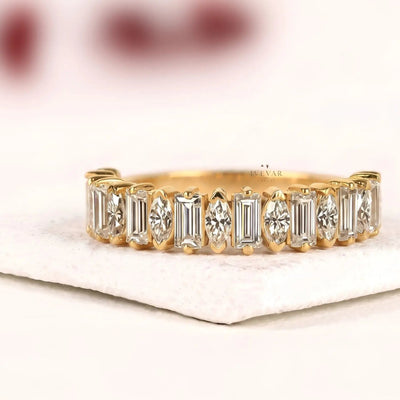
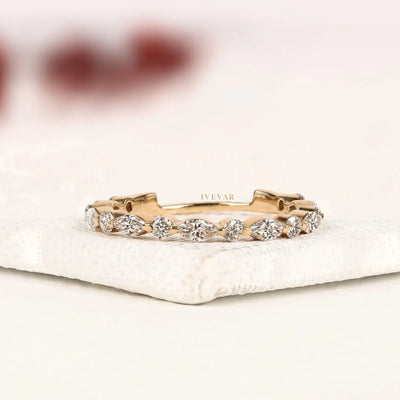
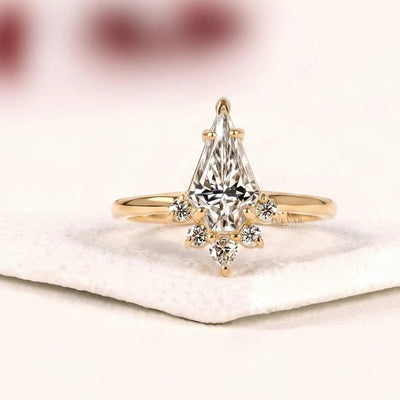
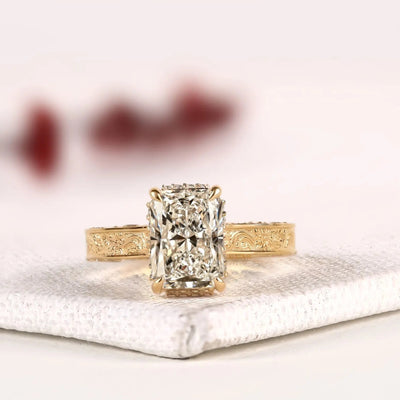
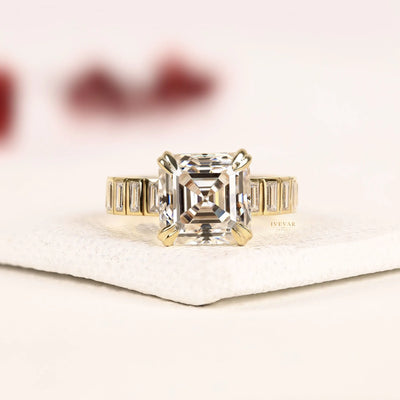
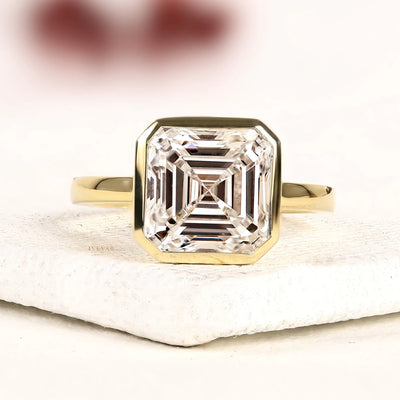
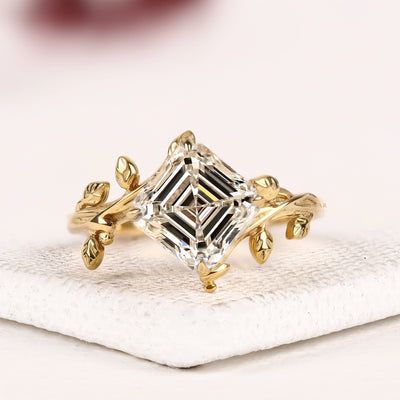
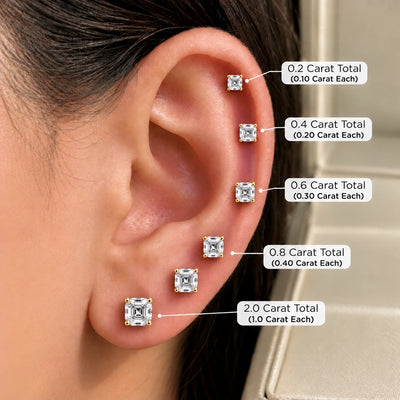
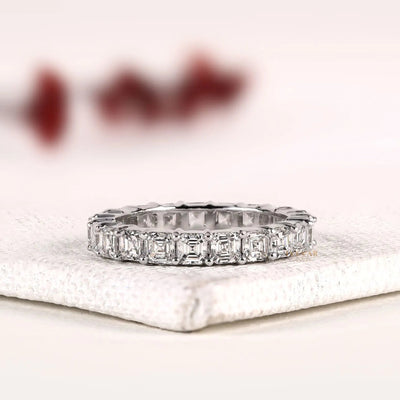
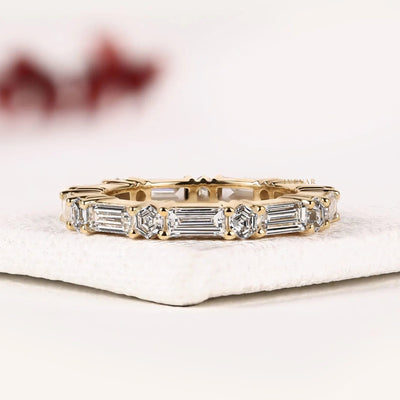
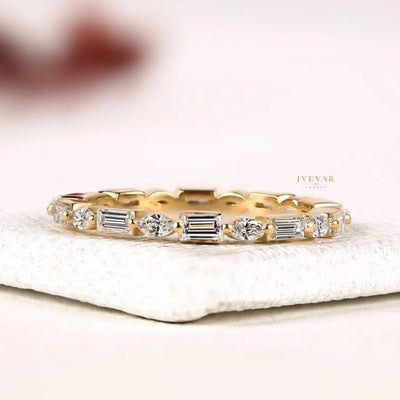
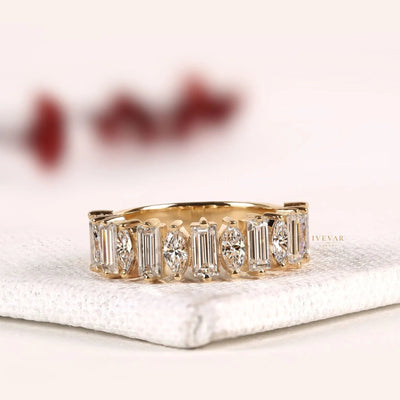
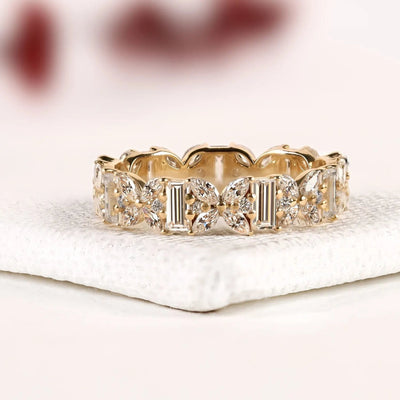
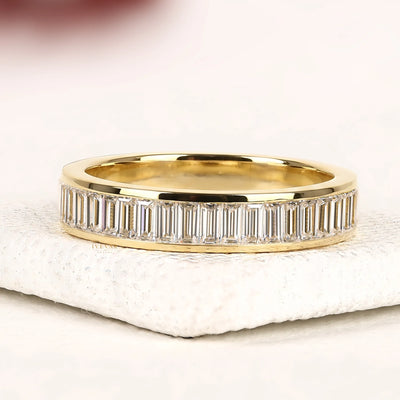
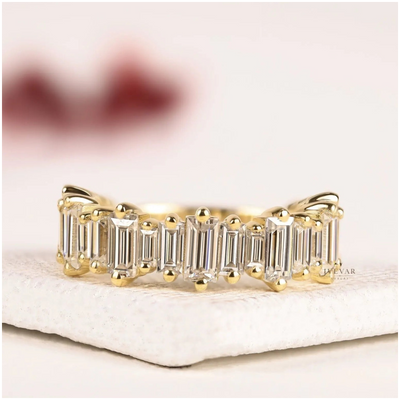
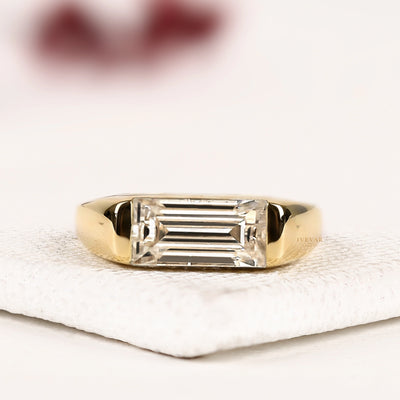
Shop the styles in this guide



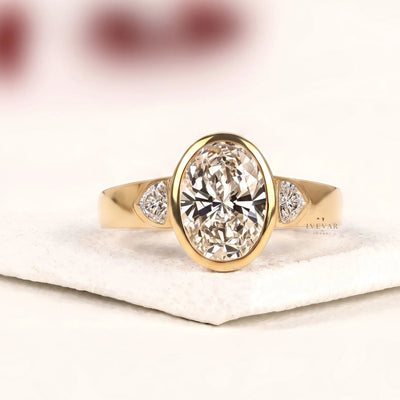
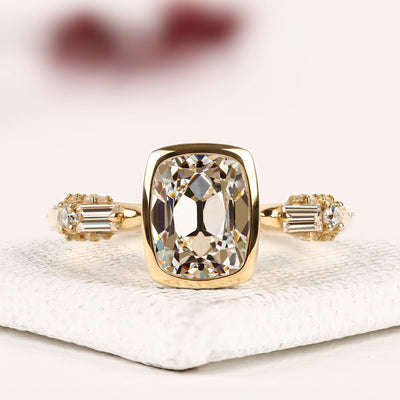
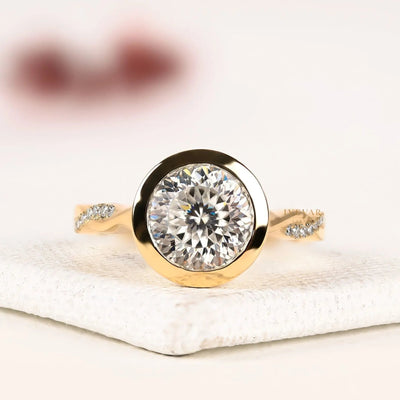
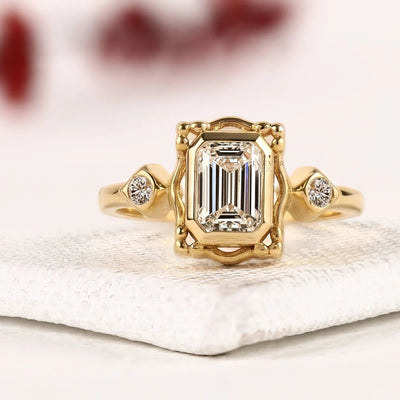
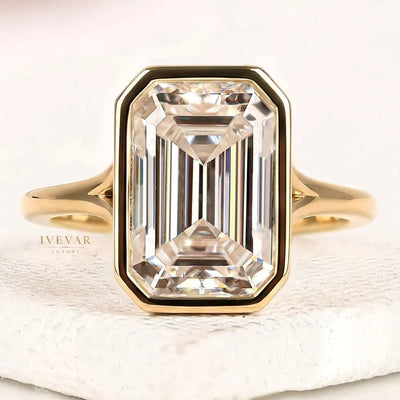
Why Diamond Jewelry Belongs in Solid Gold
Stones and plating are a poor match. When a jeweler sets a diamond or moissanite, the prongs are bent and shaped over the stone. In a plated piece, that work can crack the thin gold layer straight away, and the soft base metal underneath does not hold stones as securely as gold alloy.
- Prong security: solid gold prongs can be tightened, rebuilt and retipped for decades; plated prongs cannot be repaired the same way.
- Matching lifespans: lab grown diamonds and moissanite are among the hardest gems and will look the same for generations, so the metal should last as long as the stone.
- Cleaning: diamond jewelry looks best when cleaned regularly with warm soapy water and a soft brush, which solid gold tolerates easily but plating does not.
- Resale and heirloom value: a solid gold setting keeps its metal value and can be remade into a new design later.
Lab grown diamonds are chemically, physically and optically the same as mined diamonds, so they deserve the same quality of setting. A beautiful stone in a plated mount will often outlive its setting.
Gold Jewelry in India: Karats and Hallmarks
If you buy gold in India, you will notice that 22K gold is far more common than in many other countries, especially for traditional bridal sets, bangles and chains. It has a deep, rich colour and high gold content, but it is soft, so modern diamond and moissanite jewelry is usually made in 14K or 18K instead to keep stones secure.
Gold jewelry sold in India also carries a BIS hallmark, which shows the purity and a unique identification code. Whatever country you buy in, the principle is the same: look for a purity stamp, buy from a seller who states the material clearly, and keep your invoice and any certificates together.
Caring for Each Type
- Solid gold: clean with warm water, mild soap and a soft brush; polish occasionally. It is safe to get wet, though soap film can dull stones.
- Vermeil: wipe gently with a soft cloth; avoid polishing cloths with abrasives, which remove gold. Keep away from water and chemicals.
- Gold filled: mild soap and water is fine; dry thoroughly and store separately.
- Gold plated: keep dry, avoid all chemicals and store in an airtight bag to slow tarnishing.
Solid Gold at Ivevar
We craft fine jewelry in solid 10K, 14K and 18K gold in yellow, white and rose, plus 925 sterling silver, in our Surat workshop, and we describe the metal of every piece clearly. Our lab grown diamonds, many with IGI certificates, and our moissanite stones are set in metal designed to hold them for a lifetime. If you want a design in a specific karat or colour, our custom jewelry service and virtual appointments make it simple.
Every piece ships free worldwide and comes with 30-day easy returns. Browse fine jewelry, or explore lab grown diamond engagement rings in solid gold.
Shop Solid Gold Heart Jewelry
 Sapphire Heart SetShop Now
 Sapphire Heart Halo StudsShop Now
 Heart Prong SolitaireShop Now
 Heart Prong Daily RingShop Now
 Heart Cut With Heart SidesShop Now
 Heart Pave Rope RingShop Now
Swipe to see more → | View all fine jewelry
Frequently Asked Questions
Is gold vermeil real gold?
It has a real gold layer over sterling silver. The surface is genuine gold, but the piece is not solid gold all the way through.
How long does gold plating last?
Months to a couple of years depending on wear. Rings and bracelets wear fastest; earrings and pendants last longer.
Can I shower in solid gold jewelry?
It won't harm the gold, but soap film can dull stones. Taking pieces off before showering keeps diamonds and moissanite sparkling.
Is gold filled better than plated?
Yes. The gold layer is much thicker, so it lasts far longer and is less likely to expose the base metal.
What stamp means solid 14K gold?
14K or 585. Solid 18K gold is stamped 18K or 750, and solid 10K gold is stamped 10K or 417.
Can plated jewelry be replated?
Yes. A jeweler can add a new gold layer, though for inexpensive pieces the cost of replating may be close to the cost of replacing them.
Will gold plated jewelry turn my skin green?
It can, once the plating wears and the copper or brass underneath touches your skin. The mark is harmless and washes off.
Is vermeil good for sensitive skin?
Usually better than plated base metal, because the base is sterling silver. If you react to silver, solid gold is the safer choice.
Does solid gold tarnish?
Pure gold does not tarnish. Lower karats contain more alloy metals, so 10K can occasionally show slight dulling in harsh conditions, but a quick clean restores it. 14K and 18K stay bright with normal care.
Is solid gold worth it for earrings?
Yes, especially if you have sensitive ears or wear studs daily. Solid gold posts do not wear through to base metal, so they stay comfortable for years.
The Bottom Line
Solid gold lasts a lifetime, vermeil and gold filled last years, and plated jewelry is best for short-term trends. For rings, everyday earrings and anything holding a diamond, choose solid gold.
Related Guides

Author Bio
Aumsri Pradhan
Founder, Ivevar Luxury
Aumsri Pradhan is the founder of Ivevar Luxury, a Surat-based fine jewelry brand that designs and handcrafts lab grown diamond and moissanite jewelry in its own workshop. She leads the brand's design and customer experience, from engagement rings and bridal sets to custom pieces made to each client's story. Through the Ivevar blog, she shares practical guidance on lab grown diamonds, moissanite, diamond grading and ring design to help buyers choose with confidence.


