

 Engagement Rings
 Anniversary Rings
 Solitaire Rings
 Halo Rings
 Toi Moi Rings
 Three Stone Rings
 Nature Inspired Rings
 Rose Cut Rings
 Fancy Color Rings
 Antique Cut Rings
 Wedding Rings
 Wedding Band Rings
 Exclusive Lab Grown Diamond Rings
 All Lab Grown Diamond Ring
 Engagement Rings
 Three Stone Rings
 Fancy Color Rings
 Antique Cut Rings
 Daily Wear Rings
 Wedding Band Rings
 Exclusive Moissanite Rings
 Earrings
 Bracelet
 Pendant
 Necklace
 Men's Ring
 Bridal Sets
 Rings
 Earrings
 Tennis chain
 Cuban Chains
 Custom Pendant
 Custom Ring
 Custom Teeth Grillz
 Round
 Oval
 Cushion
 Marquise
 Pear
 Emerald
 Heart
 Princess
 Rose Cut
 Radiant
 Antique Cut
 Brooch
 Cufflink
 Keychain
 Unique Products
 +91-9265051773
 Virtual Appointment
 log in




Short answer: The main fine jewelry metals are gold (yellow, white or rose; 10K, 14K or 18K), platinum (dense, naturally white, very durable) and sterling silver (925, affordable but softer and prone to tarnish). For engagement rings and everyday pieces, 14K gold is the most popular choice because it balances durability, colour and price. 18K gold gives the richest colour, platinum is the premium heirloom option, and sterling silver suits fashion and statement pieces.
The metal you choose shapes how your jewelry looks, how it feels on the skin, how it wears over the years and what it costs. Two rings with the same diamond can feel completely different in warm yellow gold and cool white metal, and they will age differently too.
This guide explains what gold karats really mean, how yellow, white and rose gold are made, where platinum and sterling silver fit, and how to match a metal to your lifestyle, skin and budget. By the end you should know exactly which metal suits the piece you are buying.
Jewelry Metals Compared
Here is a side-by-side view of the metals you will see most often in fine jewelry.
| Metal | Purity | Durability | Upkeep |
|---|---|---|---|
| 10K gold | 41.7% gold | Very durable | Low |
| 14K gold | 58.3% gold | Durable | Low |
| 18K gold | 75% gold | Softer, richer colour | Medium |
| Platinum (950) | 95% platinum | Very durable, dense | Develops a patina |
| Sterling silver (925) | 92.5% silver | Softer | Tarnishes; polish regularly |
On cost, the order is roughly what you would expect: sterling silver is the most affordable, then 10K, 14K and 18K gold in rising order, with platinum usually at the top because it is rarer, denser and used in higher purity.
How Gold Karats Work
Pure gold is 24 karat. It is beautiful but far too soft for rings that hold stones, so jewelers mix it with other metals to make an alloy. The karat number tells you how many parts out of 24 are pure gold.
- 10K gold: 10 parts gold out of 24, or 41.7%. The hardest and most affordable gold option, with a slightly paler colour.
- 14K gold: 14 parts out of 24, or about 58.3% (often stamped 585). The everyday favourite for rings.
- 18K gold: 18 parts out of 24, or 75% (stamped 750). Richer, deeper colour and a softer feel.
- 22K gold: about 91.6% gold (stamped 916). Widely loved for traditional Indian jewelry, but generally too soft to hold diamonds securely in fine settings.
Higher karat means more gold, more colour and a higher price, but also a softer metal that scratches and bends more easily. Lower karat is tougher and more affordable. Neither is better in every case; it depends on how you will wear the piece.
Which Karat for Which Piece?
| Piece | Best karat | Why |
|---|---|---|
| Engagement ring | 14K or 18K | Secure prongs with good colour |
| Wedding band worn daily | 10K or 14K | Resists scratches and dents |
| Earrings and pendants | 14K or 18K | Little abrasion; colour shows |
| Bracelets and chains | 10K or 14K | Links and clasps take wear |
| Sensitive skin | 18K | Less alloy in contact with skin |
Gold Colors
Gold colour comes from the alloy mix, not from a coating (with one exception, white gold's rhodium finish).
- Yellow gold: classic and warm, alloyed with silver and copper. It needs the least maintenance and flatters warmer skin tones.
- White gold: alloyed with white metals such as palladium or nickel, and usually rhodium plated for a bright white finish.
- Rose gold: copper gives a pink blush. It is a little tougher than yellow gold of the same karat because copper is a hard metal.
Living With White Gold
Under its rhodium plating, white gold has a faint warm or greyish tone. As the plating slowly wears, especially on the underside of a ring, that tone can show through. A jeweler can replate it to restore the bright white finish. This is normal maintenance, not a defect. If you want a white metal that never needs replating, platinum is the alternative.
Colour and Your Stone
Metal colour also affects how a stone looks. White metals make a colourless diamond or moissanite look icier, while yellow gold can add a little warmth, which some people love with vintage and antique cuts. Many buyers choose a white metal head to hold the stone with a yellow or rose gold band, giving the best of both.
Compare in yellow vs white gold and 10K vs 14K vs 18K.
 Shown: Criss Cross Pave Moissanite Infinity Ring
Platinum
Platinum is naturally white, heavy and hypoallergenic. It does not lose much metal when scratched; instead the metal moves, creating a soft satin patina that can be polished away. Many people love that patina as a sign of a ring's history; others prefer to have it polished back to a high shine.
- Naturally white: no plating needed, so the colour never changes.
- Dense and heavy: a platinum ring feels noticeably weightier than the same ring in gold.
- Secure prongs: its toughness makes it a traditional choice for holding valuable centre stones.
- Higher cost: it is rarer than gold, used at about 95% purity and heavier, so more metal goes into each piece.
Platinum is best for buyers who want the ultimate heirloom metal and do not mind paying more for it. For most people, 14K or 18K white gold gives a very similar look at a lower price.
Sterling Silver
Sterling silver is 92.5% silver, usually alloyed with copper for strength. It is affordable and bright, making it popular for fashion and hip hop jewelry, often finished with gold plating. It tarnishes and scratches more easily, so it needs regular polishing.
- Tarnish: silver reacts with sulphur in the air, forming a dark film. A silver polishing cloth removes it quickly.
- Storage: an airtight bag or anti-tarnish pouch slows tarnishing considerably.
- Wear: wearing silver often actually helps, because gentle friction keeps it bright.
- Plating: gold-plated silver gives a gold look at a lower price, but the plating wears over time. See our guide to solid gold vs vermeil vs gold plated.
Other Metals You May See
Beyond the big three, a few other metals appear in jewelry. It helps to know what they are when comparing options.
- Palladium: a platinum-group metal that is naturally white and lighter than platinum. It is sometimes used as an alloy in white gold.
- Titanium: very light, strong and hypoallergenic, popular for men's bands and body piercings, but difficult to resize.
- Tungsten carbide: very scratch resistant but brittle; it can crack if dropped on a hard floor and usually cannot be resized.
- Stainless steel: affordable and tough, common in fashion jewelry, though not a precious metal.
- Brass and base metals: used under gold plating in costume jewelry; they can tarnish and may irritate sensitive skin.
Durability and Everyday Wear
No precious metal is scratch proof. Every ring you wear daily will pick up fine marks on the band. What differs is how each metal responds.
- Gold: scratches remove a tiny amount of metal; polishing restores the shine, but very thin bands lose a little thickness over decades.
- Platinum: scratches move metal rather than removing it, so it keeps its mass better over time.
- Silver: softest of the three, so it shows scratches and dents soonest.
The parts that matter most are the prongs. They are thin and take everyday knocks. Whatever metal you choose, have prongs checked periodically, especially on a ring holding a valuable centre stone.
Tip: If you work with your hands, consider 14K gold for the ring and a slightly thicker band. A sturdier band resists bending and keeps the setting secure for longer.
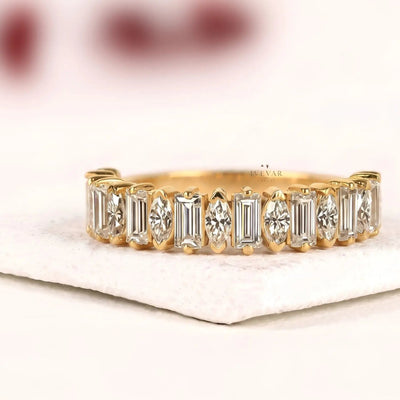
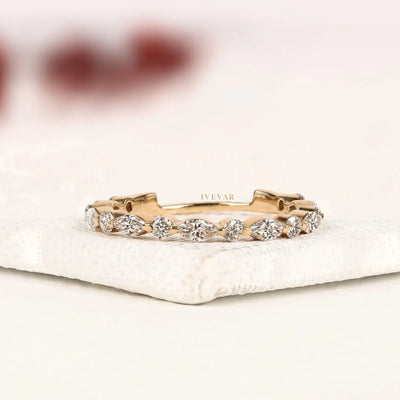
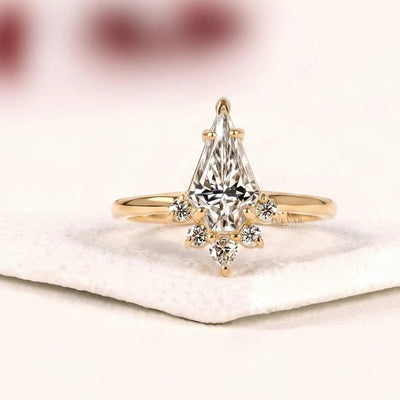
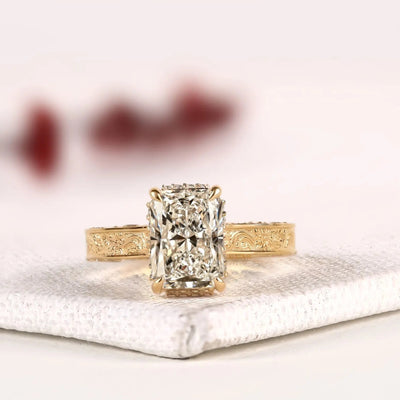
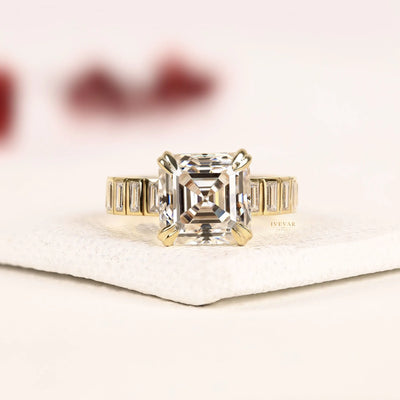
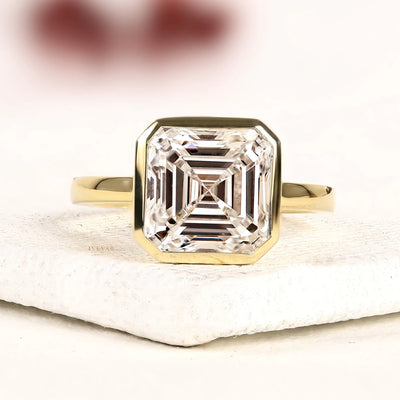
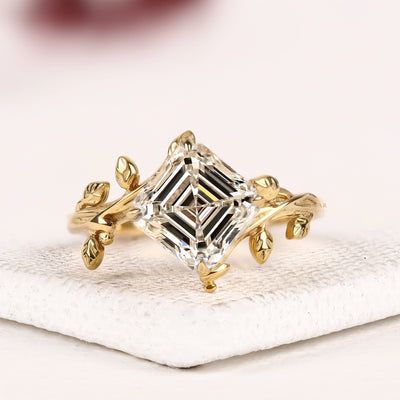
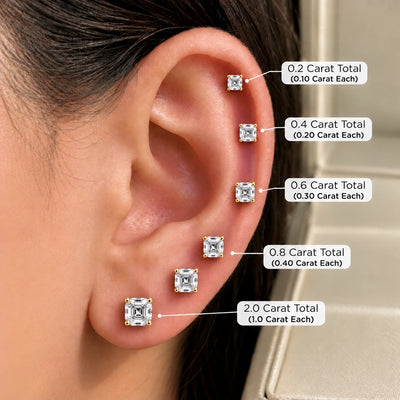
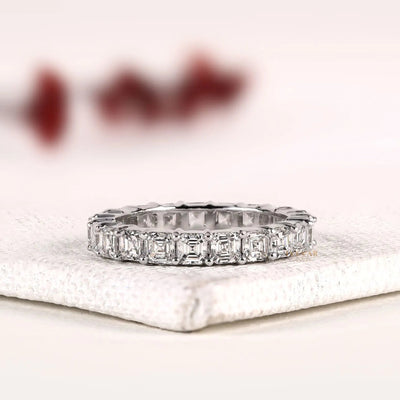
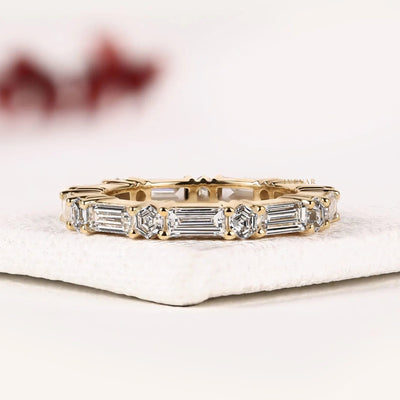
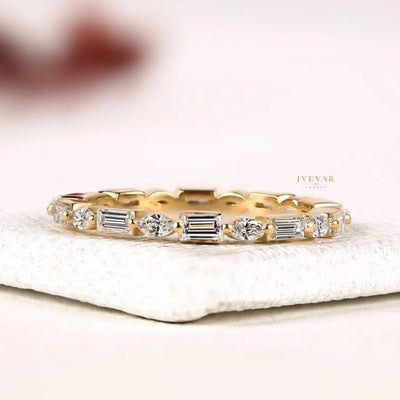
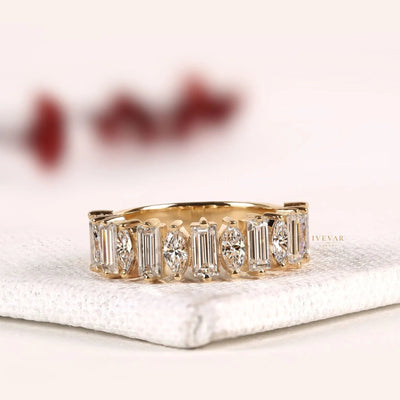
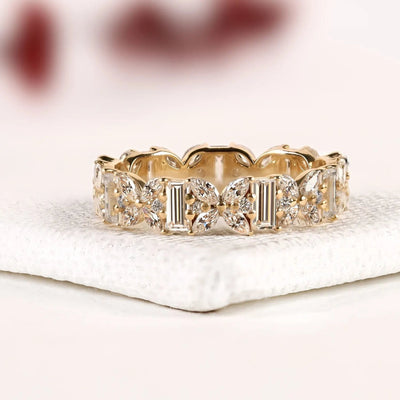
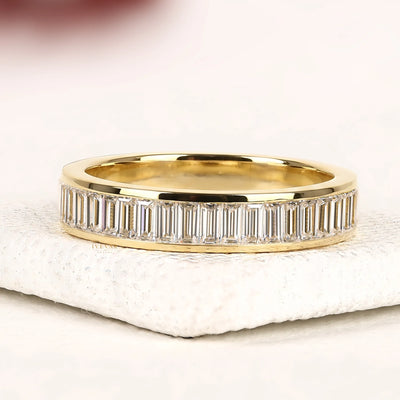
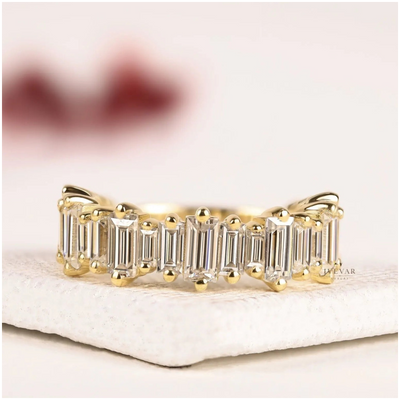
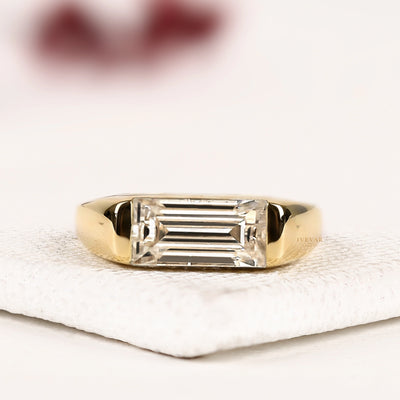
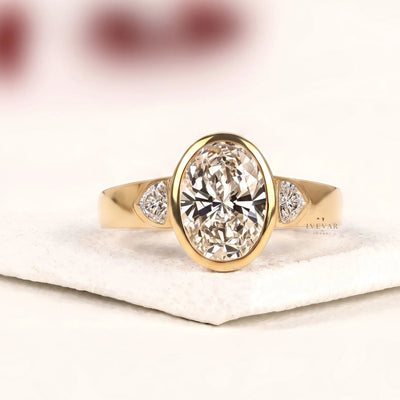
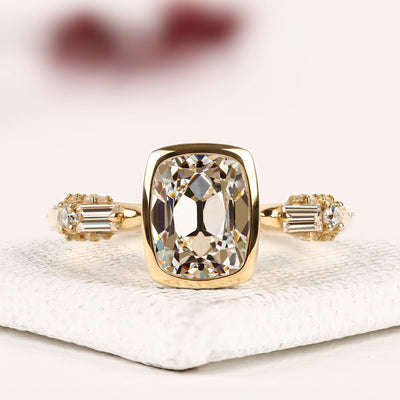
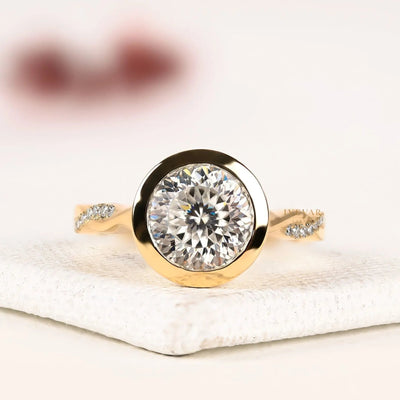
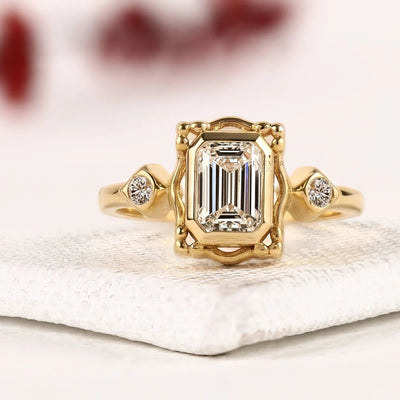
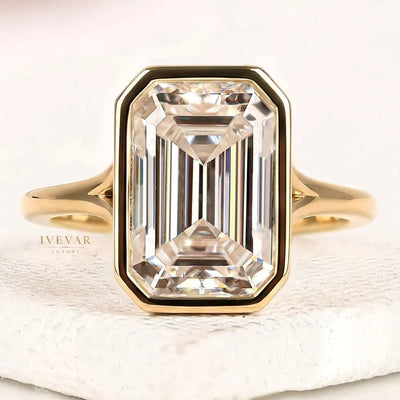
Shop the styles in this guide



How to Choose
- Everyday rings: 14K gold or platinum.
- Richest colour: 18K gold.
- Sensitive skin: platinum or 18K gold. See hypoallergenic jewelry.
- Budget and statement pieces: sterling silver.
- Active lifestyle: 10K or 14K gold, which resist scratches and dents best.
- Matching existing jewelry: stay with the colour you already wear most, so your ring stacks naturally with your watch, bands and earrings.
Matching Bands to Engagement Rings
If you plan to wear a wedding band next to an engagement ring, choose the same metal and ideally the same karat. Different metals rubbing together can wear the softer one faster, and slightly different alloys can look mismatched side by side. Browse matching lab grown wedding bands to complete a set.
Choosing a Metal for Your Skin Tone
There are no strict rules, but a few guidelines help you narrow things down if you are unsure which colour will flatter you most.
- Warm undertones: if the veins on your wrist look greenish and gold jewelry tends to make your skin glow, yellow and rose gold usually look most natural.
- Cool undertones: if your veins look bluish and silver tones suit you, white gold, platinum and sterling silver often look crisp and bright.
- Neutral undertones: most metals work, so choose based on style and the rest of your jewelry.
- Deeper skin tones: rich 18K yellow gold and rose gold often stand out beautifully, though white metals create an equally striking contrast.
The best test is simple: hold a yellow and a white piece against your hand in daylight and see which one you keep looking at. If you are buying online, a virtual appointment lets you see metal colours on camera before you decide.
Best Metals for Lab Grown Diamonds and Moissanite
Both lab grown diamonds and moissanite are very hard stones, so they work in any fine metal. The metal choice is mainly about colour and how it frames the stone.
- Colourless lab grown diamonds (D to F): white gold or platinum heads keep them looking icy white. Yellow gold works beautifully too if you like a warm contrast.
- Near-colourless diamonds (G to J): yellow or rose gold can make a faint warmth in the stone less noticeable, and a white gold head is an easy way to keep it bright.
- Moissanite: its strong fire looks especially lively in white metals, while yellow gold gives a softer vintage feel.
- Pave and halo designs: small stones look whiter and more continuous in white gold, because the metal blends in behind them.
Lab grown diamonds are chemically, physically and optically the same as mined diamonds, so the same metal advice applies to both. If you want to compare stone options first, see our moissanite rings alongside lab grown designs.
Resizing, Repairs and Long-Term Ownership
A ring is a long-term purchase, so it is worth thinking about how each metal behaves when it needs work in the future.
- Gold: easy for almost any jeweler to resize, polish and repair, in every karat and colour.
- White gold: resizes easily, but the ring will usually need replating afterwards to restore an even white finish.
- Platinum: can be resized and repaired, but needs a jeweler with platinum equipment and experience.
- Sterling silver: simple to resize, though thin silver bands can lose shape over time.
- Titanium and tungsten: difficult or impossible to resize, so choose your size carefully.
Eternity bands with stones all the way around are hard to resize in any metal, so get your size measured carefully before ordering one. For everything else, gold and platinum keep your options open for decades.
Caring for Each Metal
- Gold: soak in warm water with mild soap, brush gently, rinse and dry with a soft cloth.
- White gold: clean the same way and replate with rhodium when it starts to look yellowish.
- Platinum: clean like gold; polish occasionally if you prefer a mirror finish over the patina.
- Sterling silver: use a silver polishing cloth, store in airtight bags and avoid chlorine.
- All metals: remove rings before swimming in chlorinated pools, using cleaning chemicals or heavy lifting.
Metals at Ivevar
We craft in 10K, 14K and 18K gold in yellow, white and rose, as well as 925 sterling silver, in our Surat workshop. Our lab grown diamonds, many with IGI certificates, and our moissanite stones are set in the metal you choose, and our custom jewelry service and virtual appointments make it easy to discuss karat and colour before your piece is made.
Every piece ships free worldwide and comes with 30-day easy returns. Browse moissanite wedding rings, our lab grown diamond engagement rings or our full range of lab grown diamond fine jewelry.
Shop Rings in Every Metal
 Criss Cross Infinity RingShop Now
 Criss Cross Wrap RingShop Now
 Curved Milgrain BandShop Now
 Curved Wave BandShop Now
 Geometric Wedding BandShop Now
 Iced Bar Cuff BraceletShop Now
Swipe to see more → | View moissanite wedding rings
Frequently Asked Questions
What is the best metal for an engagement ring?
14K gold for most buyers, because it balances durability, colour and price. Platinum suits those who want premium durability and a naturally white metal.
Is 18K gold too soft?
It is softer than 14K but fine with sensible care. It is a lovely choice for engagement rings, earrings and pendants, and for anyone with sensitive skin.
Does white gold turn yellow?
Its rhodium plating wears over time, which can let the alloy's warmer tone show. Replating restores the white.
Is sterling silver fine jewelry?
It is a precious metal, but softer and prone to tarnish, so it is best for fashion, statement and occasional pieces.
Is platinum worth it?
For heirloom durability and sensitive skin, many say yes. For a similar look at a lower cost, 14K or 18K white gold is an excellent alternative.
Is 10K gold real gold?
Yes. It contains 41.7% pure gold and is a solid gold alloy. It is the most durable and affordable gold option, with a slightly lighter colour.
Can I mix metals in my jewelry?
Absolutely. Mixed yellow, white and rose pieces are a popular look. Just keep bands worn side by side in the same metal to avoid uneven wear.
Why is 22K gold not used for diamond rings?
It is very soft, so prongs can bend and stones can loosen. 14K and 18K hold stones much more securely.
Which metal is heaviest?
Platinum. It is much denser than gold, so a platinum ring feels noticeably heavier than the same design in 14K or 18K gold. Silver is the lightest of the three.
How can I tell what metal my jewelry is made of?
Look for a stamp inside the band or near the clasp: 417, 585 and 750 mean 10K, 14K and 18K gold, 925 means sterling silver and 950 PT means platinum. Our guide to jewelry hallmarks and stamps explains every common mark.
The Bottom Line
Choose 14K gold for everyday value, 18K for rich colour, platinum for heirloom durability and silver for affordable style. Then match the colour to your skin tone, your stone and the jewelry you already wear.
Related Guides

Author Bio
Aumsri Pradhan
Founder, Ivevar Luxury
Aumsri Pradhan is the founder of Ivevar Luxury, a Surat-based fine jewelry brand that designs and handcrafts lab grown diamond and moissanite jewelry in its own workshop. She leads the brand's design and customer experience, from engagement rings and bridal sets to custom pieces made to each client's story. Through the Ivevar blog, she shares practical guidance on lab grown diamonds, moissanite, diamond grading and ring design to help buyers choose with confidence.


