

 Engagement Rings
 Anniversary Rings
 Solitaire Rings
 Halo Rings
 Toi Moi Rings
 Three Stone Rings
 Nature Inspired Rings
 Rose Cut Rings
 Fancy Color Rings
 Antique Cut Rings
 Wedding Rings
 Wedding Band Rings
 Exclusive Lab Grown Diamond Rings
 All Lab Grown Diamond Ring
 Engagement Rings
 Three Stone Rings
 Fancy Color Rings
 Antique Cut Rings
 Daily Wear Rings
 Wedding Band Rings
 Exclusive Moissanite Rings
 Earrings
 Bracelet
 Pendant
 Necklace
 Men's Ring
 Bridal Sets
 Rings
 Earrings
 Tennis chain
 Cuban Chains
 Custom Pendant
 Custom Ring
 Custom Teeth Grillz
 Round
 Oval
 Cushion
 Marquise
 Pear
 Emerald
 Heart
 Princess
 Rose Cut
 Radiant
 Antique Cut
 Brooch
 Cufflink
 Keychain
 Unique Products
 +91-9265051773
 Virtual Appointment
 log in




Short answer: Diamond fluorescence is a glow, usually blue, that some diamonds give off under ultraviolet (UV) light such as blacklights or strong sunlight. It is graded None, Faint, Medium, Strong and Very Strong. In most diamonds it has no visible effect in normal light; faint to medium blue can even make slightly warm (H to K color) diamonds look whiter. Very strong fluorescence can occasionally make a diamond look hazy, so check it in person or on video for D to G stones.
Fluorescence appears on most grading reports, usually tucked under the color and clarity grades, and it confuses a lot of buyers. Some sellers treat it as a defect; others say it doesn't matter at all. The truth sits in between, and it depends on the stone's color grade, the strength of the glow and how you plan to wear it. This guide explains what fluorescence is, when you can see it, how it affects looks and price, and how lab grown diamonds and moissanite compare.
Fluorescence Grades
Grading labs place a diamond under a standard UV lamp and compare its glow with reference stones. The result is one of five grades, often with the color of the glow noted alongside it, such as "Medium Blue."
| Grade | Effect in normal light | Buying tip |
|---|---|---|
| None | No glow | Standard choice |
| Faint | No visible effect | Fine for any color |
| Medium | Rarely visible | Can help H to K colors look whiter |
| Strong | Usually invisible, glows under UV | Check high color grades for haze |
| Very Strong | Occasional milky look | Inspect before buying |
Fluorescence is a characteristic, not a clarity or color grade. It doesn't change the 4Cs on the report, and it has nothing to do with how hard or durable the stone is.
What Causes Fluorescence?
Trace elements, most often nitrogen, absorb UV light and release some of that energy as visible light. That release is the glow you see. Around a quarter to a third of natural diamonds show some fluorescence, and blue is by far the most common color.
Fluorescence colors
- Blue: the most common, caused by nitrogen in the crystal.
- Yellow and green: less common, and they can make a stone look slightly warmer in UV-rich light.
- Orange, red and white: rare in natural diamonds; orange and red are seen in some lab grown stones.
Fluorescence vs phosphorescence
Fluorescence stops the moment the UV light is switched off. Phosphorescence is a glow that continues for a short time afterward. It is rare in natural diamonds but can be seen in some lab grown stones. Neither affects how a diamond looks in daily wear, but gem labs use both to help identify how a stone was formed.
When Can You Actually See It?
Fluorescence only shows when UV light is present. How much you notice depends on where you are.
| Lighting | UV level | What you'll notice |
|---|---|---|
| Indoor LED and office light | Very low | Nothing at all in almost every stone |
| Shade or overcast daylight | Low to moderate | Very little, even with strong fluorescence |
| Direct sunlight | Moderate | A subtle whitening or, rarely, slight haze in strong stones |
| Blacklight, clubs, some stage lighting | High | A clear blue glow in medium to very strong stones |
For most people, most of the time, fluorescence is simply invisible. The occasions you'll notice it, such as a blacklit party, are when many owners actually enjoy the glow.
Checking your own jewelry at home
Curious whether a diamond you already own fluoresces? A small UV torch, sold for checking banknotes, will show you. Shine it on the stone in a dark room: a blue or other colored glow means the stone fluoresces, and the brightness gives a rough idea of how strong it is. Don't use this as a test of whether a stone is a real diamond, though. Many diamonds show no glow at all, and other stones can glow too.
Is Fluorescence Good or Bad?
- Good: blue fluorescence can offset slight yellow in warmer color grades, giving a whiter face-up look in daylight.
- Good: it creates a fun, distinctive glow under blacklights.
- Good: natural diamonds with fluorescence can cost less than otherwise identical stones without it.
- Bad: very strong fluorescence can occasionally cause a hazy, oily or milky look, especially in high color grades.
- Bad: it can make resale conversations harder, because some buyers avoid it on principle.
Gemological research has found that for the large majority of diamonds, the average viewer can't tell any difference in appearance caused by fluorescence. The hazy effect people worry about is real, but uncommon, and it is mostly linked to very strong fluorescence.
 Shown: Exclusive Designer Moissanite Round Cut Earring
How fluorescence affects price
In natural diamonds, fluorescence mostly affects price at the top of the color scale. Many buyers of colorless D to F stones want them to be "perfect" on paper, so strong fluorescence in those grades usually sells for less. In warmer color grades, fluorescence has a much smaller effect and can even be neutral.
The key point: a lower price for fluorescence does not mean a less beautiful stone. If you check the diamond and it looks clear and bright, a fluorescent stone can be a smart way to get more size or a better cut for the same budget.
In lab grown diamonds, fluorescence plays a much smaller role in pricing, because most lab stones show none or faint glow in the first place.
Who might prefer a fluorescent diamond
- Value buyers: anyone shopping for a natural diamond who wants more size or a better cut for the same budget.
- Warm color buyers: people choosing I, J or K color, where blue glow can make the stone face up whiter.
- Fun seekers: people who like the idea of a ring that lights up blue at concerts, parties and under blacklights.
Who might prefer none or faint
- Top color buyers: people paying for D to F color who want a crisp, clear look with no risk of haze.
- Step cut lovers: emerald and Asscher cuts show the inside of the stone clearly, so any softness is easier to see.
- Future sellers: anyone who expects to resell or trade in later, since some buyers avoid fluorescence on principle.
Fluorescence and Color Grade
How much fluorescence matters depends heavily on the stone's color grade. Blue glow and a faint yellow body color partly cancel each other out, which is why the same fluorescence can be a plus in one stone and a slight risk in another.
| Color grade | Fluorescence to look for | Why |
|---|---|---|
| D to F (colorless) | None to Faint, or Medium after checking | No yellow to offset; very strong can look hazy |
| G to H (near colorless) | None to Medium; Strong if checked on video | Little to gain or lose; judge each stone |
| I to K (faint warmth) | Faint to Strong blue can help | Blue can make the stone look whiter in daylight |
| L and below | Any, by eye | Warmth is visible either way; choose what you like |
Tip: If you are buying an H to K color natural diamond, a stone with medium blue fluorescence can be good value. You may get a slightly whiter look in daylight and a lower price than a stone with no fluorescence.
Fluorescence in Lab Grown Diamonds
Lab grown diamonds are chemically, physically and optically the same as mined diamonds, but they form differently. Most are grown using one of two methods:
- CVD (chemical vapor deposition): carbon is deposited layer by layer from a gas. Some CVD stones show a weak orange or red glow under specialized UV light.
- HPHT (high pressure, high temperature): carbon is crystallized under conditions similar to those deep in the earth. Some HPHT stones show a blue-green glow and brief phosphorescence.
In everyday use, lab grown diamonds usually show none or faint fluorescence on their reports. That makes fluorescence one less thing to worry about when you buy lab grown. Labs such as IGI and GIA grade lab grown diamonds using the same fluorescence scale as mined stones, and many of our lab grown diamonds come with IGI certificates. Browse lab grown diamonds to compare.
Does Moissanite Fluoresce?
Moissanite typically shows little to no fluorescence. It is a different gemstone from diamond, made of silicon carbide, and its sparkle comes from its high refractive index (about 2.65, compared with diamond's 2.42) and strong dispersion, which splits light into colorful flashes. Fluorescence plays no meaningful part in how moissanite looks. Read why moissanite sparkles.
| Stone | Typical fluorescence | Effect on looks |
|---|---|---|
| Natural diamond | None to Very Strong, usually blue | Usually none; rare haze if very strong |
| Lab grown diamond | Usually None or Faint | Practically none |
| Moissanite | Little to none | None |
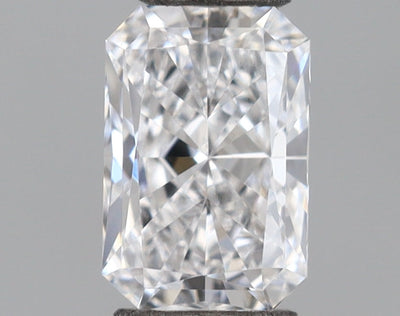
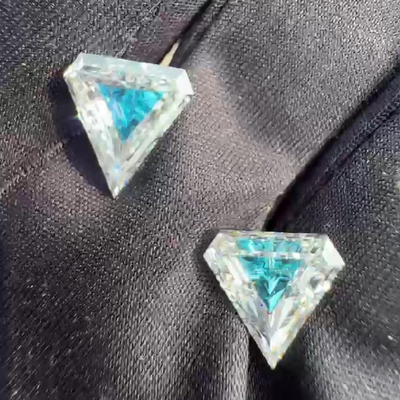
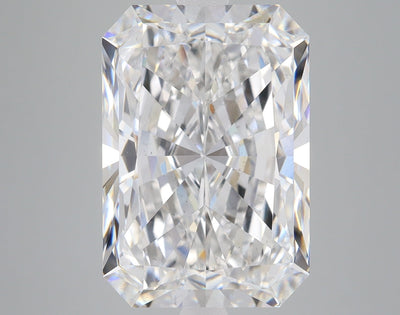
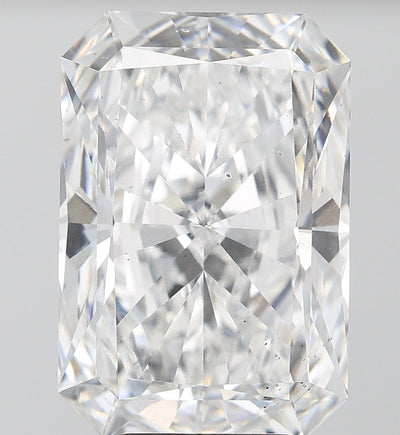
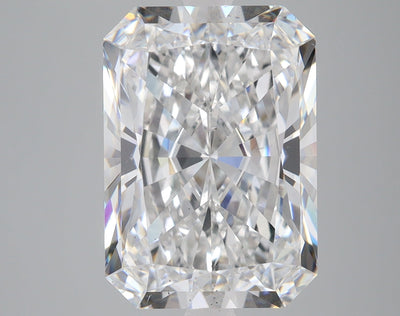
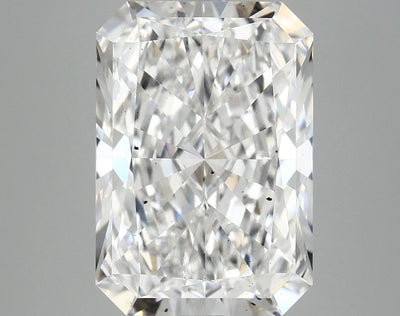
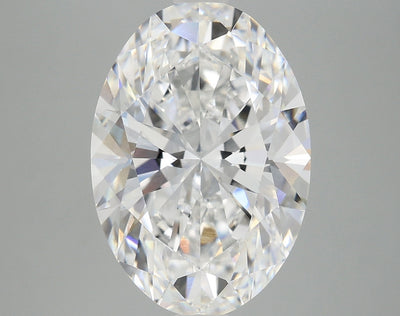
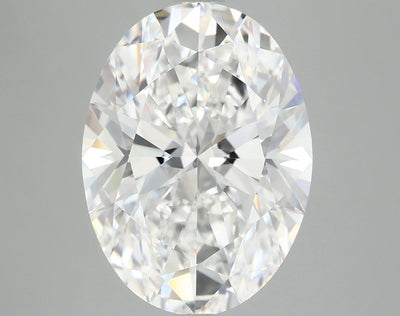
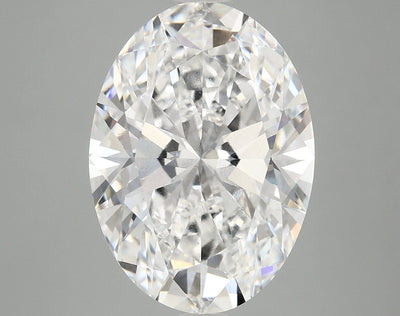
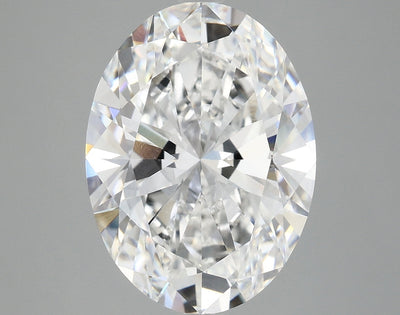
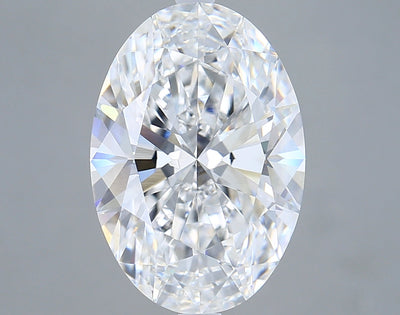
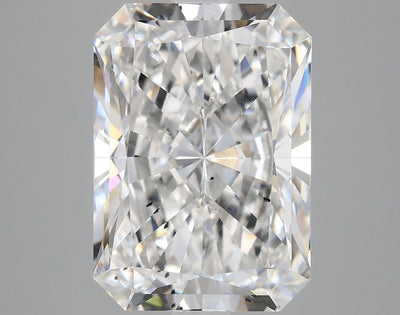
Shop the styles in this guide








Common Myths About Fluorescence
A lot of advice about fluorescence is passed around without context. Here are the claims we hear most often, and what is actually true.
- "Fluorescence is a flaw": it isn't. It is a natural property of the crystal, listed on the report for information. It is not part of the clarity grade and doesn't mean the stone is damaged or weak.
- "All fluorescent diamonds look cloudy": the large majority look exactly like non-fluorescent stones. A hazy look is uncommon and mostly limited to some very strong stones.
- "You'll see the glow every time you go outside": daylight has some UV, but not enough to make a diamond visibly glow blue. At most, a strong stone may look a touch whiter in direct sun.
- "Fluorescence means the diamond is fake": natural and lab grown diamonds can both fluoresce. Fluorescence alone tells you nothing about whether a stone is real, which is why labs use advanced testing.
- "None is always best": for D to F colors, none to faint is a safe choice. For warmer colors, blue fluorescence can actually improve the face-up look.
Shape, Size and Setting
Fluorescence interacts with the rest of the stone, so a few other choices change how much it matters.
Bigger stones, bigger stakes
Any subtle effect, good or bad, is easier to see in a larger diamond. If you are choosing a center stone over a carat or so with strong or very strong fluorescence, take extra care to see it on video. For small accent stones and pavé, fluorescence makes no practical difference.
Shape and cut
Brilliant shapes such as round, oval and cushion cuts scatter light strongly, which helps hide any slight softness. Step cuts such as emerald and Asscher cuts have large, open tables that show the inside of the stone more clearly, so a hazy look would be easier to notice. For step cuts in high color grades, none to medium fluorescence is the safer choice.
Metal color
Yellow and rose gold reflect warm tones into a diamond, while white gold keeps it looking cool. A warmer stone with blue fluorescence set in white gold can look especially bright. In yellow gold, fluorescence has even less effect, because the metal already warms the look of the stone.
Earrings vs rings
Earrings are viewed from further away and usually in smaller sizes, so fluorescence matters even less there. A matched pair should have similar fluorescence, though, so both stones look the same in every light.
How to Check Fluorescence
- Read the certificate: look for the fluorescence grade and color, usually listed near the color and clarity grades.
- View in different lights: look at the stone in daylight and indoor light. A hazy stone looks slightly cloudy or soft, as if seen through a thin film.
- Ask for video: for strong or very strong stones, ask for videos in natural daylight, not just studio light.
- Compare side by side: if possible, compare with a stone of similar color and no fluorescence.
- Prioritize cut: a well-cut diamond returns so much light that mild fluorescence rarely matters.
Tip: Don't rule out a diamond just because its report says "Strong Blue." Look at it first. Many strong-fluorescence stones look exactly like their non-fluorescent twins, and the price difference can go toward a better cut or a larger size.
Quality Stones at Ivevar
We select stones for beauty in real-world light and hand-set them in our Surat workshop. Every piece ships worldwide with free shipping and 30-day easy returns (pierced earrings are returnable only if faulty). If you want to see how a stone looks in daylight before choosing, book a virtual appointment and we'll show it to you on video. Browse moissanite earrings, lab diamond earrings and stud earrings, or explore lab diamond engagement rings.
Shop Round Brilliant Earrings
 Designer Round EarringsShop Now
 Modern Round EarringsShop Now
 Handcrafted Round EarringsShop Now
 Ethical Round EarringsShop Now
 Sustainable Sparkle EarringsShop Now
 Everyday Round EarringsShop Now
Swipe to see more → | View all moissanite earrings
Frequently Asked Questions
Is fluorescence bad in a diamond?
Usually not. Only very strong fluorescence occasionally causes a hazy look, and most fluorescent diamonds look the same as non-fluorescent ones in normal light.
What color do diamonds fluoresce?
Most often blue. Yellow, green, white, orange and red are also possible but much less common.
Do lab grown diamonds fluoresce?
Usually none or faint. Some show a weak orange, red or blue-green glow under specialized UV light used in gem labs.
Can fluorescence make a diamond look whiter?
Yes. Faint to medium, and sometimes strong, blue fluorescence can help H to K colors look whiter in daylight.
Does fluorescence affect price?
Strong fluorescence can lower natural diamond prices, mainly in the top color grades. In lab grown diamonds, its effect on price is small.
Does fluorescence affect durability?
No. A fluorescent diamond is just as hard and durable as any other diamond, at 10 on the Mohs scale.
Can fluorescence change over time?
No. A diamond's fluorescence is part of its crystal and stays the same throughout its life.
Should a pair of stud earrings have matching fluorescence?
Ideally, yes. Similar fluorescence means both stones look the same under every type of light, including blacklights.
Is fluorescence listed on IGI and GIA reports?
Yes. Both labs list a fluorescence grade on their diamond reports, for natural and lab grown stones alike.
Will my diamond glow in sunlight?
Not visibly in most cases. Sunlight contains some UV, which can give strong-fluorescence stones a slightly whiter look, but you won't see a clear blue glow the way you would under a blacklight.
The Bottom Line
Fluorescence rarely affects beauty. For colorless stones, choose none to faint or check stronger grades carefully. For warmer colors, blue fluorescence can be a quiet advantage. Focus on cut, color and clarity first, and inspect very strong fluorescence stones before buying.
Related Guides

Author Bio
Aumsri Pradhan
Founder, Ivevar Luxury
Aumsri Pradhan is the founder of Ivevar Luxury, a Surat-based fine jewelry brand that designs and handcrafts lab grown diamond and moissanite jewelry in its own workshop. She leads the brand's design and customer experience, from engagement rings and bridal sets to custom pieces made to each client's story. Through the Ivevar blog, she shares practical guidance on lab grown diamonds, moissanite, diamond grading and ring design to help buyers choose with confidence.


