

 Engagement Rings
 Anniversary Rings
 Solitaire Rings
 Halo Rings
 Toi Moi Rings
 Three Stone Rings
 Nature Inspired Rings
 Rose Cut Rings
 Fancy Color Rings
 Antique Cut Rings
 Wedding Rings
 Wedding Band Rings
 Exclusive Lab Grown Diamond Rings
 All Lab Grown Diamond Ring
 Engagement Rings
 Three Stone Rings
 Fancy Color Rings
 Antique Cut Rings
 Daily Wear Rings
 Wedding Band Rings
 Exclusive Moissanite Rings
 Earrings
 Bracelet
 Pendant
 Necklace
 Men's Ring
 Bridal Sets
 Rings
 Earrings
 Tennis chain
 Cuban Chains
 Custom Pendant
 Custom Ring
 Custom Teeth Grillz
 Round
 Oval
 Cushion
 Marquise
 Pear
 Emerald
 Heart
 Princess
 Rose Cut
 Radiant
 Antique Cut
 Brooch
 Cufflink
 Keychain
 Unique Products
 +91-9265051773
 Virtual Appointment
 log in




Short answer: Most gold and platinum rings can be resized by a skilled jeweler, usually up or down by about 1 to 2 sizes. To make a ring smaller, the jeweler removes a small piece of metal from the bottom of the band and solders it closed. To make it larger, they stretch the band slightly or add a piece of matching metal. Resizing usually takes a few days to a week. Full eternity bands, tension settings and rings made of tungsten, titanium or ceramic are difficult or impossible to resize, so it pays to measure carefully before you buy.
A ring that spins around your finger, slides over your knuckle or leaves a red mark at the end of the day is not one you will enjoy wearing. The good news is that most fine jewelry rings can be adjusted. The less good news is that some designs cannot, and that every resize carries small trade-offs.
This guide explains which rings can be resized, how the work is done, what can go wrong, the alternatives to resizing, and how to get the size right the first time.
Can My Ring Be Resized?
Whether a ring can be resized depends on three things: the metal, how much of the band is set with stones, and how the center stone is held. Use this table as a starting point, then ask a jeweler to inspect the actual ring.
| Ring type | Resizable? | Notes |
|---|---|---|
| Plain gold or platinum band | Yes | Easiest to resize |
| Solitaire engagement ring | Yes | Usually 1 to 2 sizes |
| Halo or pave engagement ring | Usually | Pave on the shoulders limits how far it can go |
| Half eternity band | Usually | The plain lower band allows resizing |
| Full eternity band | Rarely | Stones go all the way around |
| Tension setting | Rarely | Resizing changes the grip on the stone |
| Tungsten, titanium, ceramic | No | Too hard to cut and solder |
Metal matters
Gold in 10K, 14K and 18K is the most straightforward metal to resize. It cuts cleanly, solders well and polishes back to a seamless finish. Platinum can also be resized, though it needs higher heat and a jeweler experienced with it. Sterling silver can be resized but is softer, so thin silver bands can distort.
Very hard modern metals such as tungsten carbide, titanium and ceramic cannot be cut and soldered in the normal way. If one of these rings no longer fits, the usual solution is to replace it with a new size.
Stones matter
Jewelers work on the plain lower part of the band, called the shank. The more stones there are around the band, the less plain metal there is to work with. Stones close to the cut can also be loosened by stretching or exposed to heat, so a jeweler may need to remove and reset them.
How Resizing Works
- Measuring: The jeweler confirms your current size and your target size with a sizing gauge, ideally checking both at different times of day.
- Sizing down: A small section is cut from the bottom of the band, the two ends are brought together, and the join is soldered and polished smooth.
- Sizing up (small): For about half a size, the band can be gently stretched on a steel mandrel. This thins the metal slightly, so it is only used for small changes on plain bands.
- Sizing up (larger): The band is cut and a piece of matching metal is added and soldered in place.
- Finishing: The ring is polished and, for white gold, rhodium replated so the repair blends in.
- Final checks: The jeweler checks that stones are still secure and the ring is round, then measures the new size.
Done well, the join is very hard to see. You may notice a faint line on the underside of the band in certain light, especially on yellow or rose gold, but it should not affect strength or comfort.
Tip: Always ask the jeweler to check every prong and stone after resizing. Bending a band, even slightly, can loosen stones in the shoulders.
How Many Sizes Can a Ring Go?
As a general rule, a ring can be resized up or down by about 1 to 2 sizes without major redesign. Beyond that, the proportions change. Going much smaller can squeeze the head of an engagement ring and distort the shoulders. Going much larger can make the band look thin or stretch the setting out of shape.
| Change | Usual method | What to expect |
|---|---|---|
| Half size up | Stretching or adding metal | Quick on plain bands |
| Half to 2 sizes down | Removing metal | Most common resize |
| 1 to 2 sizes up | Adding metal | Join is soldered and polished |
| More than 2 sizes | Adding metal or remaking | May alter the look; ask about remaking |
Risks and Trade-Offs of Resizing
Resizing is routine, but it is still real metalwork. Knowing the risks helps you ask the right questions.
- Loosened stones: Stretching or bending can loosen stones near the shank, especially pave and channel set stones.
- Heat around stones: Soldering uses heat. Diamonds and moissanite generally tolerate jewelers' torches well when handled correctly, but some colored gems and treated stones do not, so they may need to be removed first.
- Distorted shape: Large changes can make a ring slightly oval or misalign the head.
- Thinner band: Repeated stretching or several resizes over the years weaken the shank.
- Engraving: Inside engraving near the bottom of the band can be cut through or shortened.
- Finish: White gold needs replating after resizing so the color matches.
- Warranty: Work done by a third party may affect any manufacturer warranty, so check your terms first.
Should You Resize Now or Wait?
Finger size is not fixed. It changes with temperature, time of day, salt intake, exercise, pregnancy, weight changes and age. Before you cut into a ring, make sure the change is real and likely to last.
- Seasonal changes: Many people find rings looser in winter and tighter in summer. If a ring is only loose on cold mornings, a ring guard or sizing beads may be a better answer than a permanent resize.
- Pregnancy: Fingers often swell during pregnancy and return close to the original size afterwards. Many people wear their ring on a chain or a larger finger for a few months instead of resizing twice.
- Weight changes: If your weight is still changing, wait until it settles before resizing so you do not have to do it again.
- Arthritis or larger knuckles: When the knuckle is much larger than the base of the finger, a ring big enough to pass over the knuckle will spin. An adjustable or hinged shank, or sizing beads, solves this better than simply going up a size.
- A new ring that feels slightly tight: New rings can feel snug for the first few days. Wear it at different times of day for a week before deciding, unless it is painful or hard to remove.
A ring that is genuinely too tight should be dealt with promptly. If it is difficult to remove, or leaves a deep mark, have it resized rather than forcing it on and off, which can damage both the ring and your knuckle.
Rings That Are Hard to Resize
Full eternity bands
Stones run all the way around, so there is no plain metal to cut or add to. Any change would leave a gap in the line of stones or crowd them together. In most cases a full eternity band has to be remade in the new size. Read can you resize an eternity band? for more detail, and consider a half eternity design if you expect your size to change.
Tension and some bezel settings
A tension setting holds the stone using the pressure of the band itself. Changing the size changes that pressure, which can make the stone insecure. Tight bezel settings can also be stressed by bending the band.
Channel set and pave bands
These can often be resized a small amount, but the stones are close together. Stretching can open gaps between them, so jewelers usually add or remove metal rather than stretching.
Rings with patterns all the way around
Engraved patterns, milgrain and hammered textures can be cut through at the join. A skilled jeweler can sometimes recreate the pattern, but it may not match perfectly.
 Shown: Alternative Emerald and Pear Lab Diamond Eternity Band
Alternatives to Resizing
If a ring cannot be resized, or you would rather not alter it, there are good options.
- Sizing beads or bars: Small metal bumps soldered inside the band keep a slightly loose ring from spinning. Useful when a ring fits over the knuckle but turns once it is on.
- Ring guards: Removable inserts or spiral guards that tighten fit temporarily, for example during pregnancy or in cold weather.
- Hinged or adjustable shanks: A mechanism that opens to pass over a large knuckle and closes to fit the finger. Helpful when knuckles are much larger than the base of the finger.
- Remaking: Eternity bands and complex designs can be remade in a new size, keeping or replacing the stones.
- Wearing it elsewhere: A ring that is now too small for one finger may fit well on another finger or as a pinky ring.
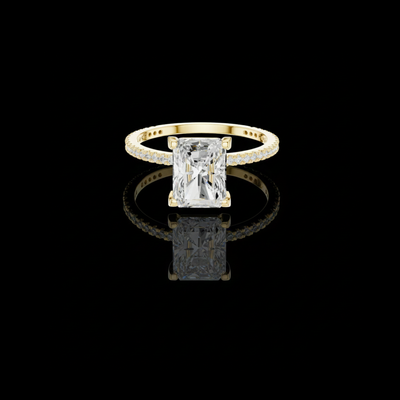
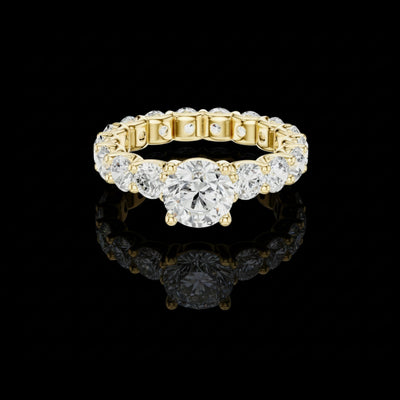
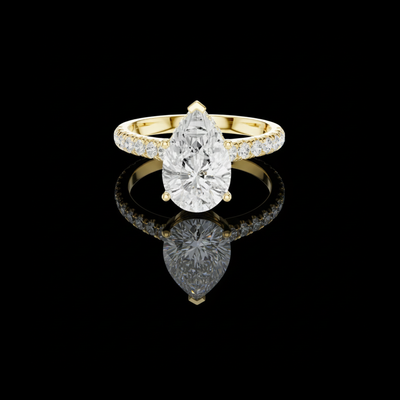
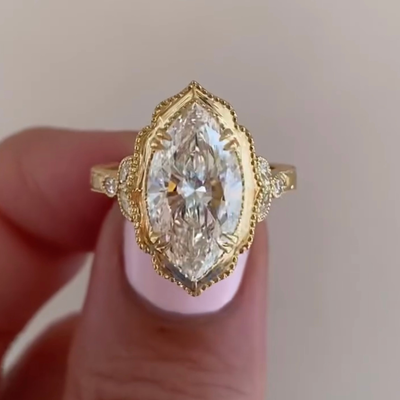
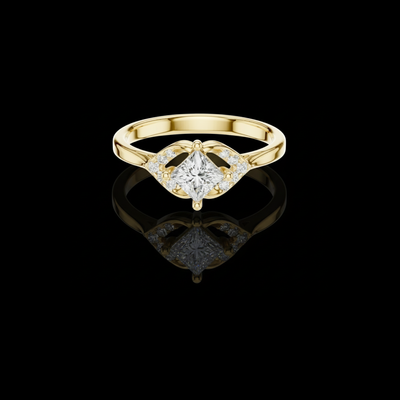
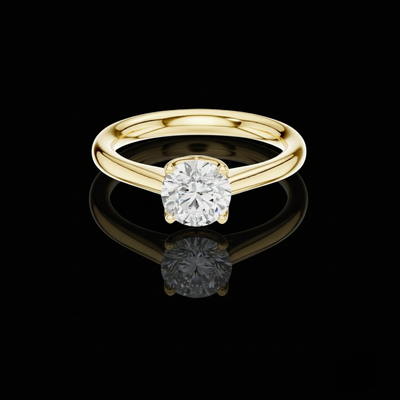
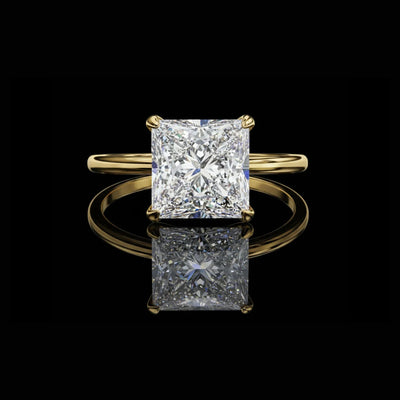
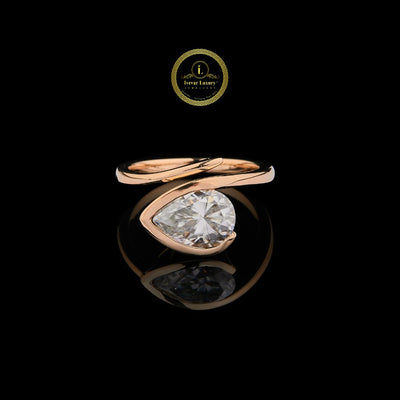
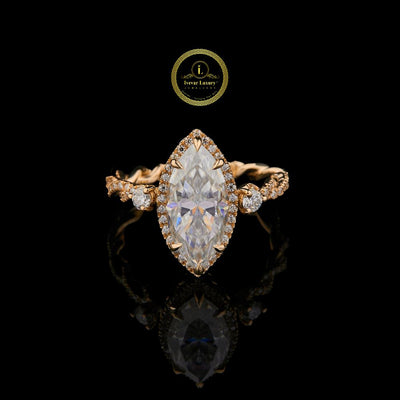
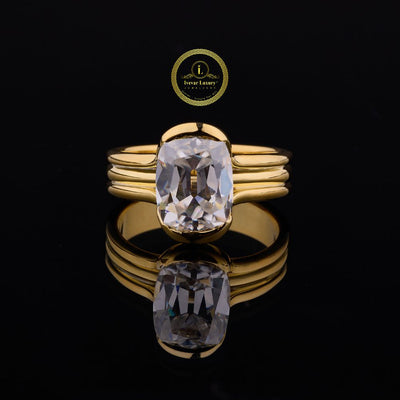
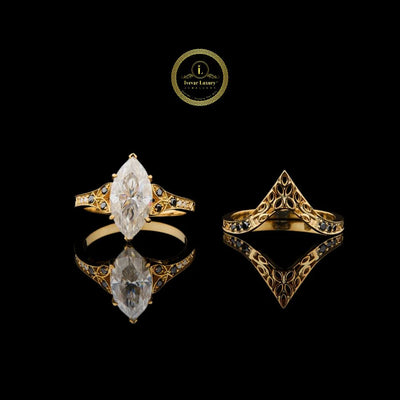
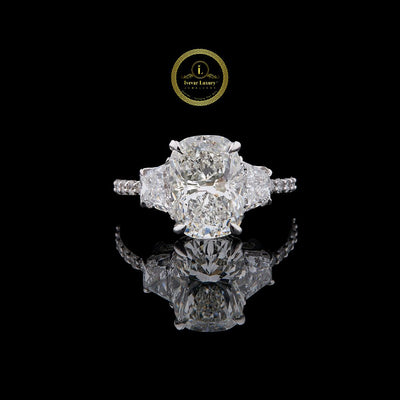
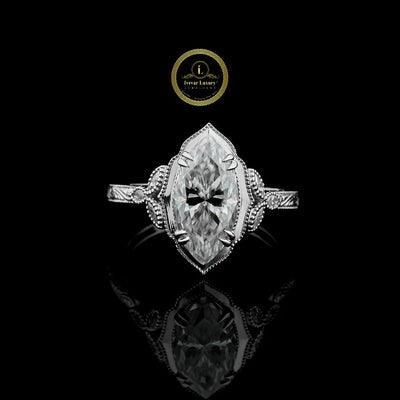
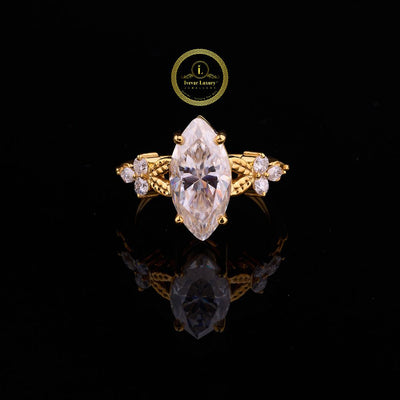
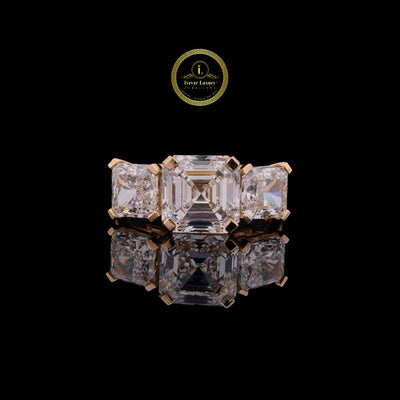
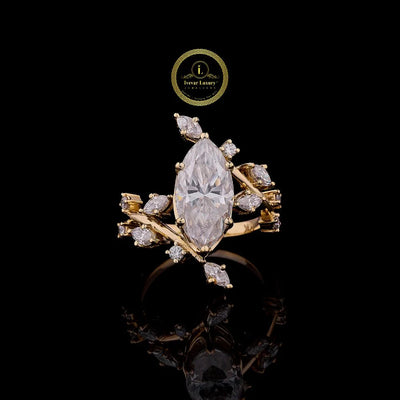
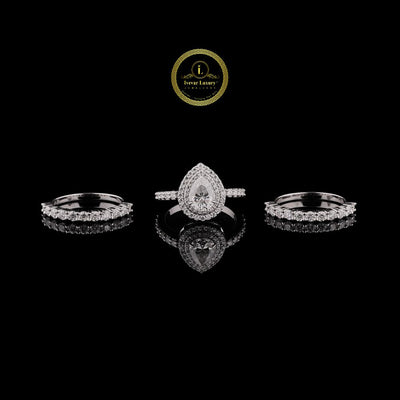
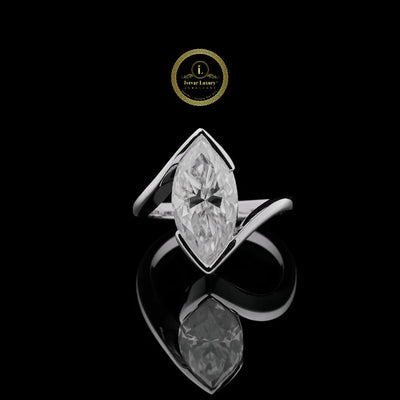
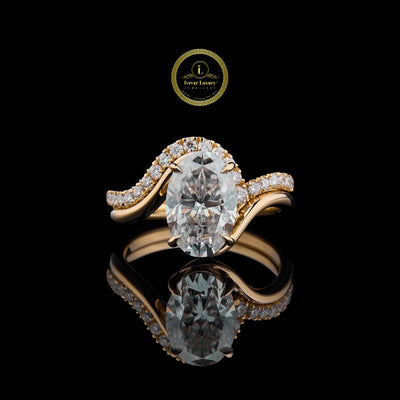
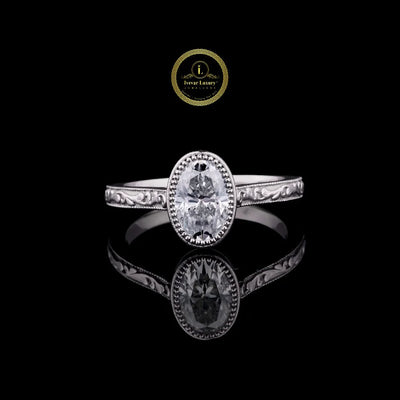
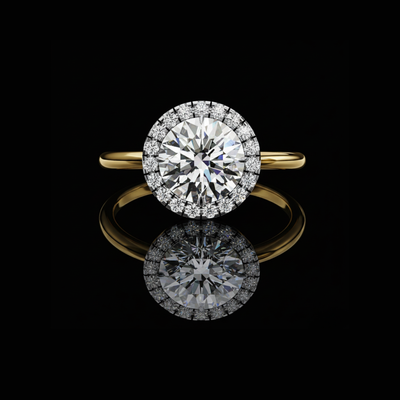
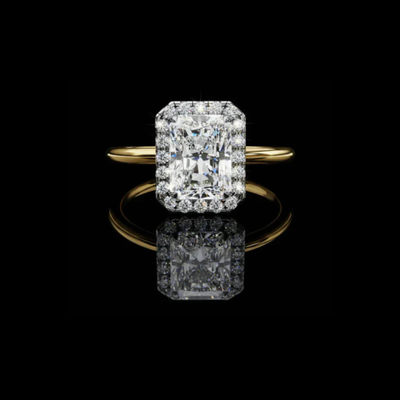
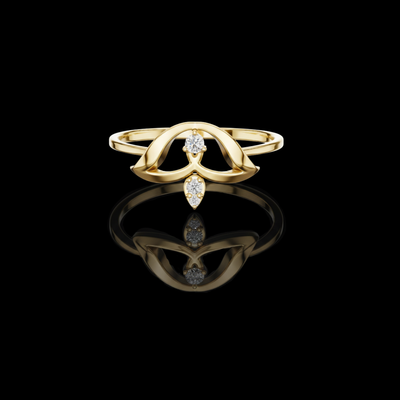
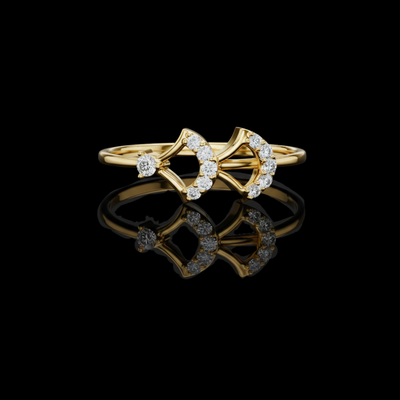
Shop the styles in this guide
Tips for Getting the Right Size
- Measure at the right time: Measure at the end of the day, when fingers are at their largest.
- Avoid temperature extremes: Cold shrinks fingers and heat swells them. Measure at a comfortable room temperature.
- Allow for band width: Wide bands fit tighter than narrow ones. For bands wider than about 6 mm, consider going up about a quarter to half size.
- Check the knuckle: The ring must slide over the knuckle comfortably and sit snugly without spinning.
- Measure more than once: Take measurements on two or three different days and use the most consistent result.
- Use a proper tool: Use our ring size guide or ring size chart, or measure an existing ring that fits the same finger.
If you are buying a surprise engagement ring, read how to find her ring size secretly. When you are unsure between two sizes, the slightly larger size is usually easier to adjust with sizing beads than a ring that is too tight.
How to Choose a Jeweler for Resizing
- Ask about experience: Ask whether they regularly resize rings with stones in the shoulders, or platinum if your ring is platinum.
- Ask for the method: A good jeweler will explain whether they plan to stretch, add or remove metal, and why.
- Ask about stones: Check whether they will remove any stones before soldering and whether they check settings afterwards.
- Ask about finishing: For white gold, confirm the price includes rhodium replating.
- Get a written receipt: It should describe the ring, the stones, and the work to be done.
Tip: Take clear photos of your ring, including the inside of the band and any engraving, before you drop it off. It gives you a simple record of its condition.
Caring for a Ring After Resizing
A resized ring needs no special treatment, but a few checks in the first weeks are worthwhile.
- Test the fit: Wear it at different times of day for a week. It should pass over the knuckle with gentle pressure and stay put when you shake your hand.
- Check the stones: Look closely at the shoulders and any pave. Tap the ring gently near your ear; a rattle can mean a loose stone. Return it to the jeweler straight away if anything moves.
- Look at the join: The underside of the band should feel smooth with no ridge or rough spot.
- Keep it clean: Clean with warm water, mild soap and a soft brush to keep the finish bright and make any problems easy to spot.
- Plan regular checks: Have prongs and settings inspected by a jeweler about once a year, especially on rings worn every day.
If your ring is white gold, the fresh rhodium plating applied after resizing will gradually wear like any other plating, mainly on the underside of the band. Our wedding band care guide covers everyday care in more detail.
Resizing Your Ivevar Ring
Ivevar does not offer resizing; most of our rings can be resized by your local jeweler. Because getting the size right matters, we are happy to help you choose before you order, including over a virtual appointment, and we make custom pieces such as eternity bands to your exact size. Every ring ships free worldwide and comes with 30-day easy returns.
If you expect your ring size to change, a solitaire or half eternity design leaves more plain metal for future adjustments. Browse lab diamond eternity rings, lab grown solitaire rings and moissanite solitaire rings.
Shop Lab Diamond Eternity Bands
 Emerald and Pear EternityShop Now
 Round Marquise EternityShop Now
 Baguette Marquise EternityShop Now
 Alternating Marquise BandShop Now
 Floral Infinity BandShop Now
 Baguette Round StackerShop Now
Swipe to see more → | View all eternity rings
Frequently Asked Questions
How many sizes can a ring be resized?
Usually about 1 to 2 sizes. Larger changes may alter the design or require remaking.
Does resizing damage a ring?
Not when done by a skilled jeweler. The main risks are loosened stones and a thinner band after repeated resizing.
How long does resizing take?
Typically a few days to a week, depending on the ring and the jeweler's workload.
Can eternity bands be resized?
Full eternity bands rarely can; they usually need to be remade. Half eternity bands usually can be resized because the lower band is plain.
Should I resize before engraving?
Yes. Resizing can cut through or shorten engraving near the bottom of the band, so resize first and engrave afterwards.
Will I see where the ring was resized?
Usually not. A faint seam may be visible on the underside in some lights, but a good jeweler polishes the join smooth.
Is it better to buy a ring slightly big or slightly small?
Slightly big is usually easier. Sizing beads or a ring guard can fix a small amount of looseness without cutting the band.
Can a ring be resized more than once?
Yes, but each resize adds a join and can thin the band, so try to get the size right and limit how often it is changed.
Can a ring be made bigger without adding metal?
Only by a small amount, usually about half a size, by stretching a plain band. Larger increases need extra metal so the band does not become too thin.
Can I resize a ring myself?
No. Cutting, soldering and refinishing need professional tools and skill. Home methods risk bending the band, loosening stones or leaving a weak join.
The Bottom Line
Most gold and platinum rings can be resized by about 1 to 2 sizes. Measure carefully, especially for eternity bands and very hard metals, and choose an experienced jeweler who checks the stones afterwards.
Related Guides

Author Bio
Aumsri Pradhan
Founder, Ivevar Luxury
Aumsri Pradhan is the founder of Ivevar Luxury, a Surat-based fine jewelry brand that designs and handcrafts lab grown diamond and moissanite jewelry in its own workshop. She leads the brand's design and customer experience, from engagement rings and bridal sets to custom pieces made to each client's story. Through the Ivevar blog, she shares practical guidance on lab grown diamonds, moissanite, diamond grading and ring design to help buyers choose with confidence.


