Engagement Rings
 Anniversary Rings
 Solitaire Rings
 Halo Rings
 Toi Moi Rings
 Three Stone Rings
 Nature Inspired Rings
 Rose Cut Rings
 Fancy Color Rings
 Antique Cut Rings
 Wedding Rings
 Wedding Band Rings
 Exclusive Lab Grown Diamond Rings
 All Lab Grown Diamond Ring
 Engagement Rings
 Three Stone Rings
 Fancy Color Rings
 Antique Cut Rings
 Daily Wear Rings
 Wedding Band Rings
 Exclusive Moissanite Rings
 Earrings
 Bracelet
 Pendant
 Necklace
 Men's Ring
 Bridal Sets
 Rings
Rings
 Earrings
 Tennis chain
 Cuban Chains
 Custom Pendant
 Custom Ring
 Custom Teeth Grillz
 Round
Round
 Oval
Oval
 Cushion
 Marquise
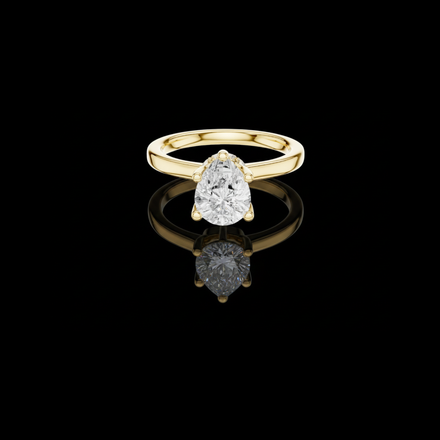
 Pear
Pear
 Emerald
 Heart
Heart
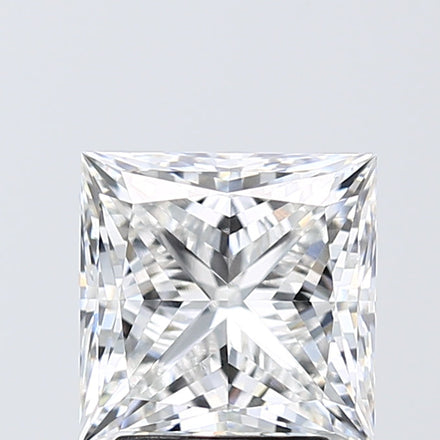
 Princess
 Rose Cut
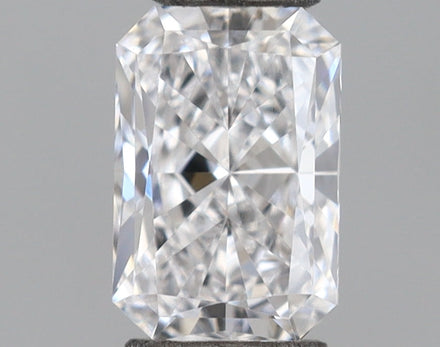
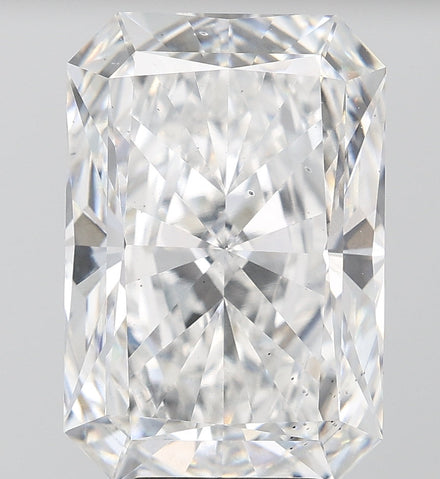
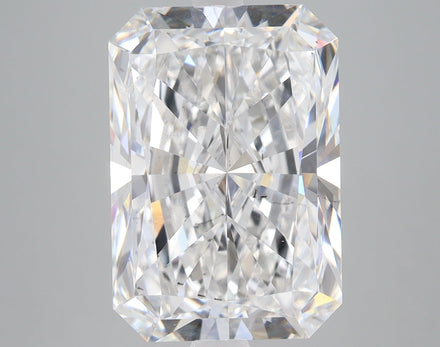
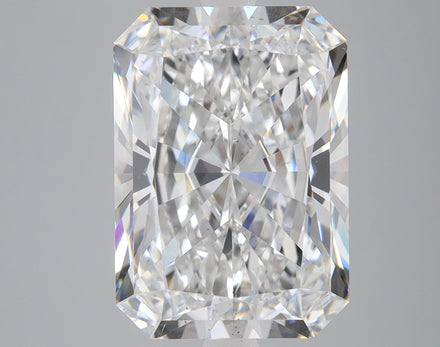
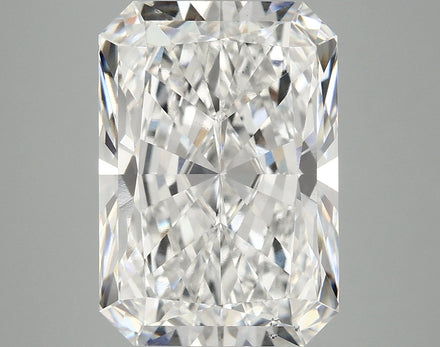
 Radiant
 Antique Cut
 Brooch
 Cufflink
 Keychain
 Unique Products
 +91 9265051773
 Virtual Appointment
 log in



Quick answer: A cut diamond has five main parts: the table (the large flat top facet), the crown (the upper section above the widest point), the girdle (the thin widest edge), the pavilion (the lower cone that reflects light back up) and the culet (the tiny point or facet at the bottom). A standard round brilliant has 57 or 58 facets. The angles and proportions between these parts decide how much a diamond sparkles.
Knowing diamond anatomy helps you understand grading reports and choose a well-cut stone. Here is a simple guide.
Parts of a Diamond
| Part | Where it is | What it does |
|---|---|---|
| Table | Flat top facet | Main window for light to enter and exit |
| Crown | Upper angled section | Creates fire by splitting light into colors |
| Girdle | Widest outer edge | Protects the edge; where prongs grip |
| Pavilion | Lower cone | Reflects light back up through the top |
| Culet | Bottom point | Usually "none" (a point) in modern cuts |
| Diameter | Width across the girdle | Determines face-up size |
| Depth | Table to culet height | Affects light return and apparent size |
Facets of a Round Brilliant
- Crown: 1 table, 8 star facets, 8 bezel (kite) facets, 16 upper girdle facets.
- Pavilion: 8 main pavilion facets and 16 lower girdle facets.
- Culet: sometimes a tiny extra facet, making 58.
 Shown: Round Cut Moissanite Solitaire Stud Earrings With Classic Six Prong Setting
How Proportions Affect Sparkle
Too shallow
Light leaks out of the pavilion, creating a dull, glassy look called a "fisheye."
Too deep
Light escapes through the sides, making the center look dark and the stone look smaller face-up.
Ideal
Light reflects from the pavilion back through the table and crown, creating maximum brilliance and fire.
Girdle Thickness
Girdles range from extremely thin to extremely thick. Thin to slightly thick is ideal: very thin girdles can chip, and very thick girdles add hidden weight without adding face-up size.
Where to Find This on a Certificate
Grading reports list table %, depth %, crown angle, pavilion angle, girdle thickness and culet. Learn more in IGI vs GIA certificates.
Well-Cut Stones at Ivevar
We select well-proportioned lab grown diamonds and moissanite and hand-set them in our Surat workshop. Every piece ships worldwide with free shipping and 30-day easy returns. Browse stud earrings.
Shop Round Solitaire Studs
 Six Prong Solitaire StudsShop Now
 Round Six Prong EarringsShop Now
 Round Prong Solitaire StudsShop Now
 Elite Round EarringsShop Now
 Brilliant Round EarringsShop Now
 Sparkling Round StudsShop Now
Swipe to see more → | View all stud earrings
Frequently Asked Questions
How many facets does a round diamond have?
57, or 58 if the culet is faceted.
What is the table of a diamond?
The large flat facet on top.
What does the pavilion do?
It reflects light back up to create brilliance.
What is a culet?
The bottom point; most modern cuts have none (a point).
Why does girdle thickness matter?
Very thin girdles can chip; very thick ones add hidden weight.
The Bottom Line
Table, crown, girdle, pavilion and culet work together to create sparkle. Good proportions matter more than any single number.
Related Guides
Author Bio
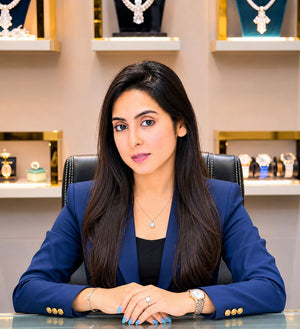
Aumsri Pradhan
Founder, Ivevar Luxury
Aumsri Pradhan is the founder of Ivevar Luxury, a Surat-based fine jewelry brand that designs and handcrafts lab grown diamond and moissanite jewelry in its own workshop. She leads the brand's design and customer experience, from engagement rings and bridal sets to custom pieces made to each client's story. Through the Ivevar blog, she shares practical guidance on lab grown diamonds, moissanite, diamond grading and ring design to help buyers choose with confidence.